From bestselling debuts to international publishing deals, Tasmanian writers are increasingly making their mark well beyond the island.
So much so, a special panel specifically for Tasmanian writers has been created at the acclaimed Sorrento Writer’s Festival titled My Tassie: Writer Reflections on the Apple Isle.
New Town author Rebecca Armitage is among the emerging voices helping drive the momentum, with her debut novel The Heir Apparent recently being chosen as a Reese Witherspoon Book Club choice.
It became a bestseller and she will next month appear alongside big-name Tasmanian writers Erin Hortle and Heather Rose on the Tassie specific panel at Sorrento.
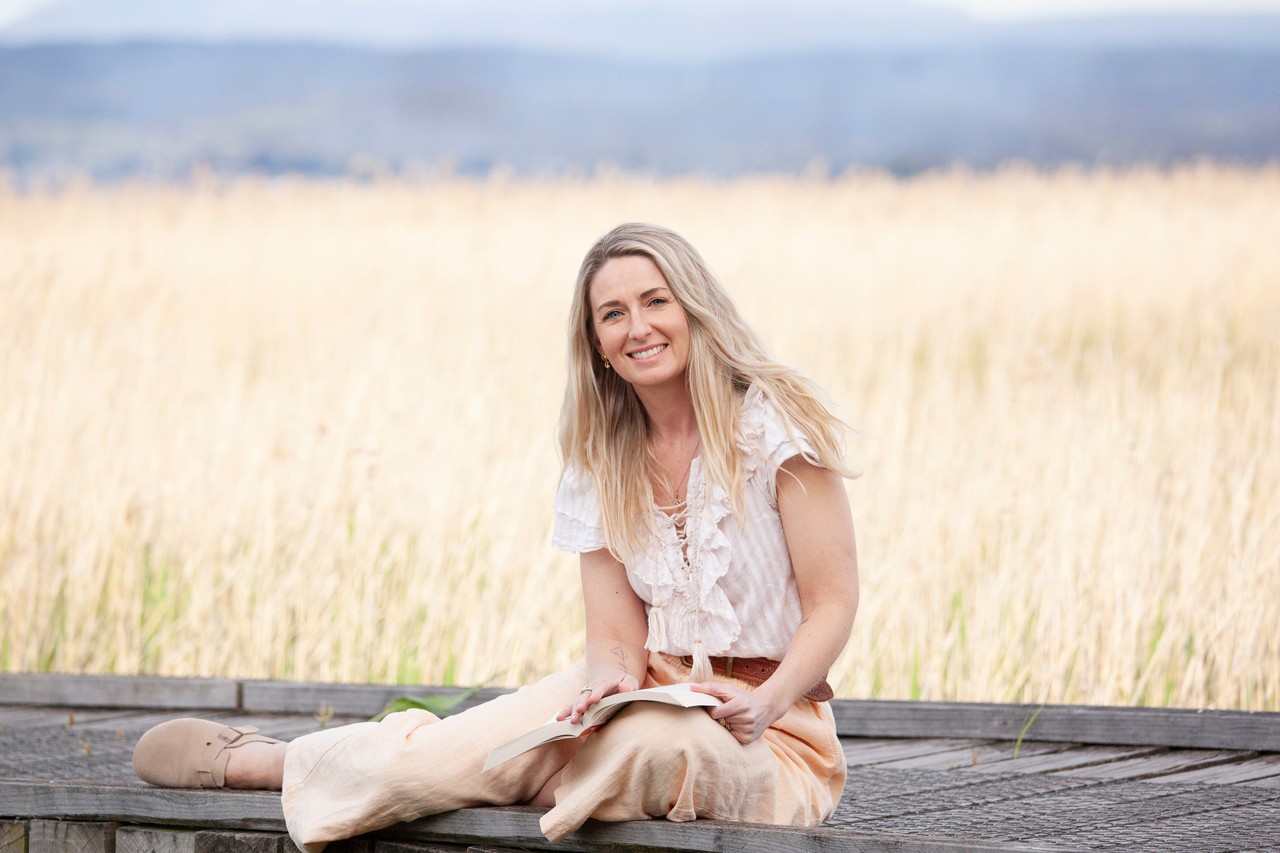
Armitage said the island had a powerful creative influence.
“The second I moved here [from Sydney six years ago] it was like my creativity switch just flicked in my brain,” she told Pulse.
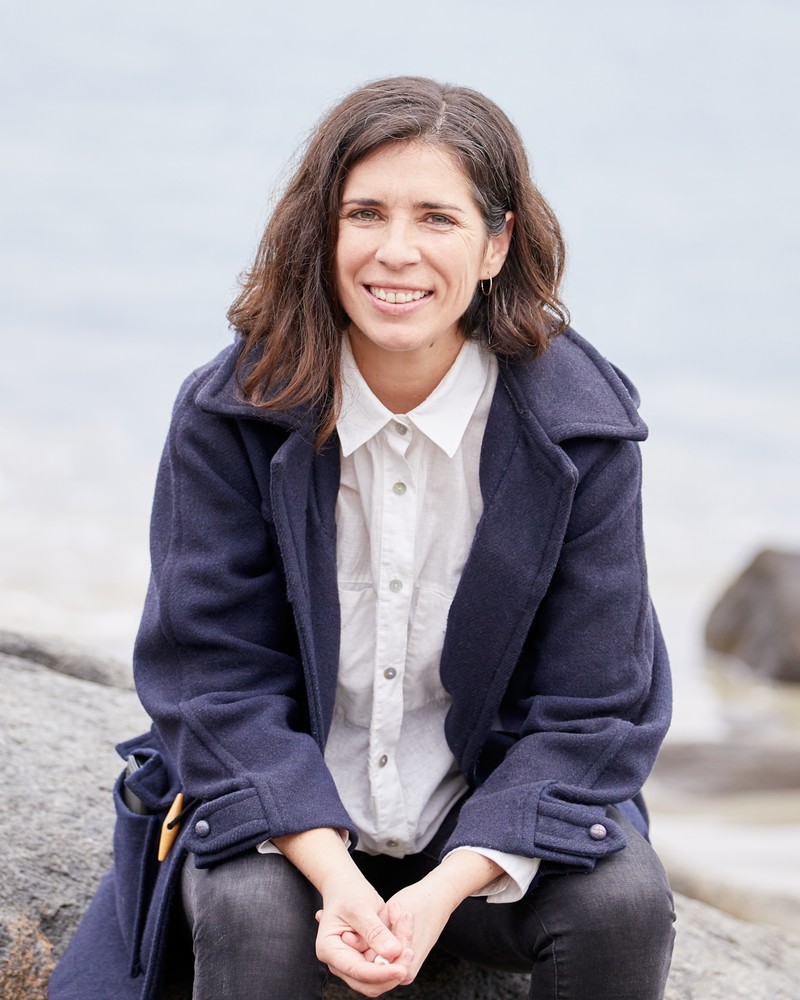
“There was something about the landscape that was just so endlessly inspiring that the plot of my book suddenly clicked into place.”
She credited Tasmania’s slower pace and lower cost of living for also making it easier for writers to pursue creative work.
“I think a lot of creative people are drawn here because it gives you time and mind space for creative pursuits,” she said.
“But there’s also just something magical about the place, being surrounded by nature and that incredible landscape really opens the door to creativity.”
Armitage said Tasmania’s writing community was small but supportive.
“It’s a very small but mighty creative community down here,” she said.
That sense of community is echoed by other writers such as Primrose Sands author Keely Jobe.
Her debut novel The Endling, will soon be published by Scribe, and said Tasmania’s loyal readers play a major role in the success of local authors.
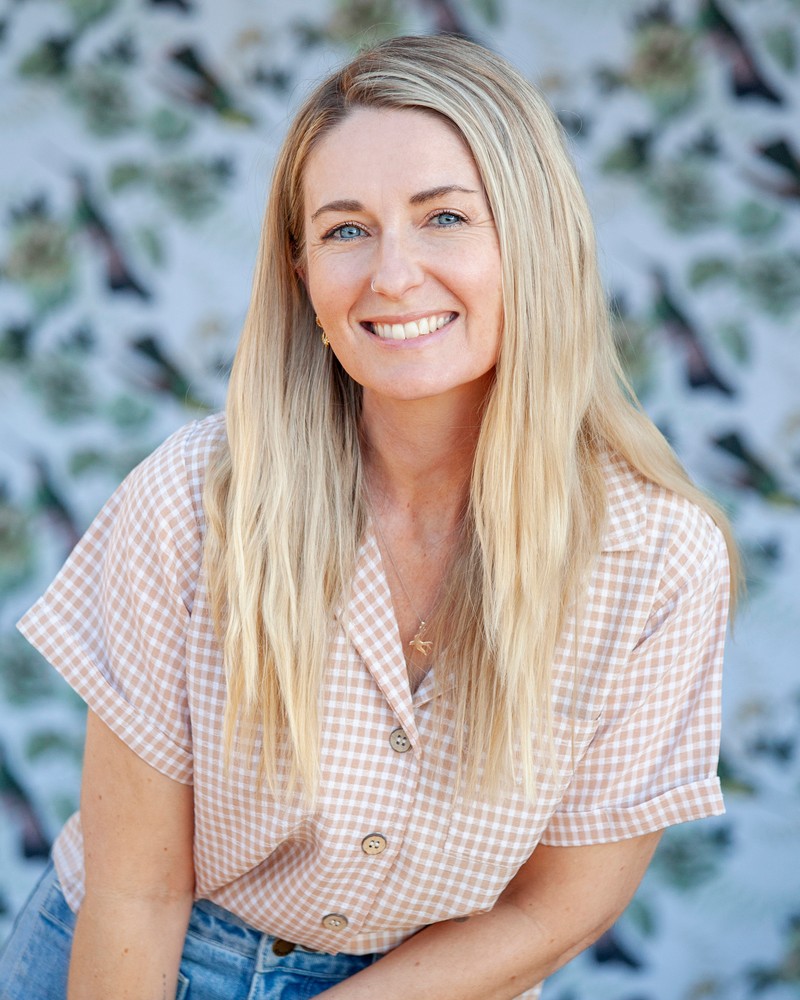
“When you turn up to a book launch, they’re generally packed – especially if it’s a Tasmanian author,” she told Pulse.
“There’s a huge amount of support from readers here and everyone in the writing community genuinely wants to see each other succeed.”
“There’s something about the slight isolation from the mainland that gives writers a level of freedom and we don’t necessarily rely on mainland culture to produce our work. We can be quite brave with what we write.”
Launceston author Claire van Ryn is also gaining significant traction, with strong support from Tasmanian readers and growing interest from international publishers.
Both of her novels (Where The Birds Call Her Name and The Secrets Of The Huon Wren) were among Libraries Tasmania’s top 10 most borrowed books last year, and her latest was long listed in the Indie Book Awards.
She has just signed another two book deal with Penguin and has secured a publishing deal in the Czech Republic, with her agent exploring further opportunities in overseas markets.
Van Ryn said Tasmania’s landscape and history were powerful sources of inspiration for her stories.
“My books are very much inspired by the places around me,” she told Pulse.
“I spend a lot of time out in the Tasmanian wilderness while writing.”
She said readers from around the world were increasingly drawn to stories set on the island.
“I’ve had people tell me they’ve booked holidays to Tasmania after reading my books,” she said.
“I have joked I should be on the Tourism Tasmania payroll.”
“There’s something mysterious about an island and its landscape that really resonates with readers.”
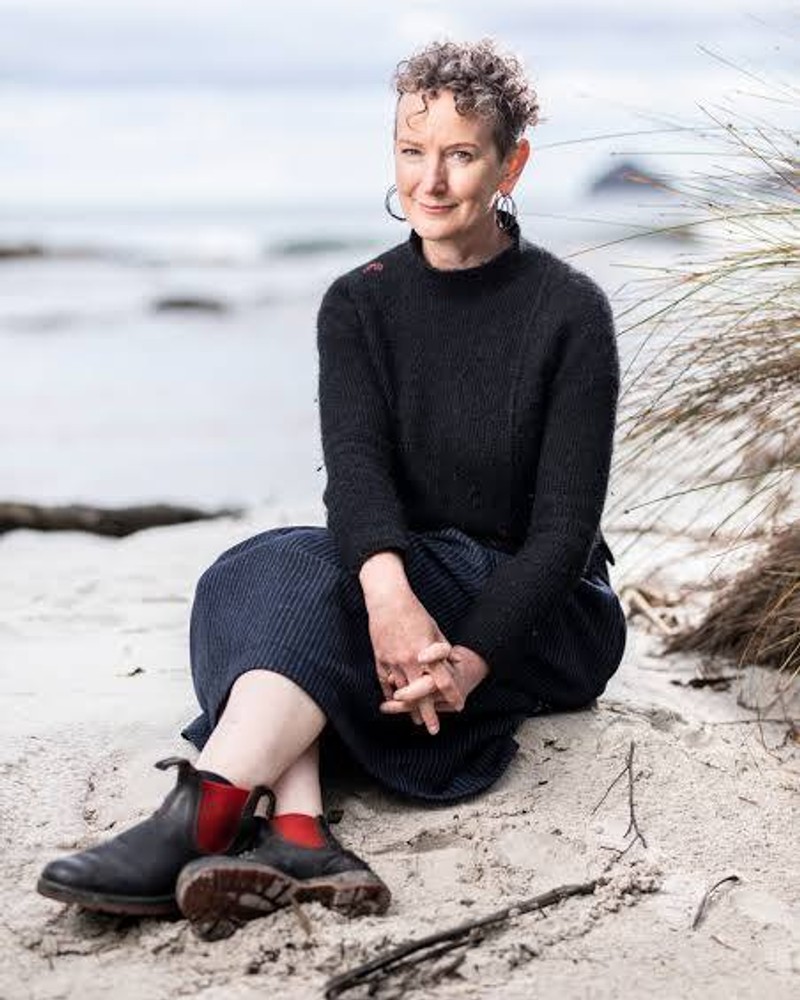
Huon Valley author Jane Rawson, editor of Island Magazine, said Tasmania had developed a uniquely strong culture for writers.
“Tasmanians buy Tasmanian books and they read Tasmanian books,” the author of six books told Pulse.
“You feel appreciated and loved here as a writer.”
Rawson believes the island’s writers are also gaining attention because of the themes they explore.
“Many Tasmanian writers are engaging with issues like nature and climate change in interesting and imaginative ways,” she said.
“It means readers often discover one writer and then realise there’s a whole ecosystem of incredible authors here.”
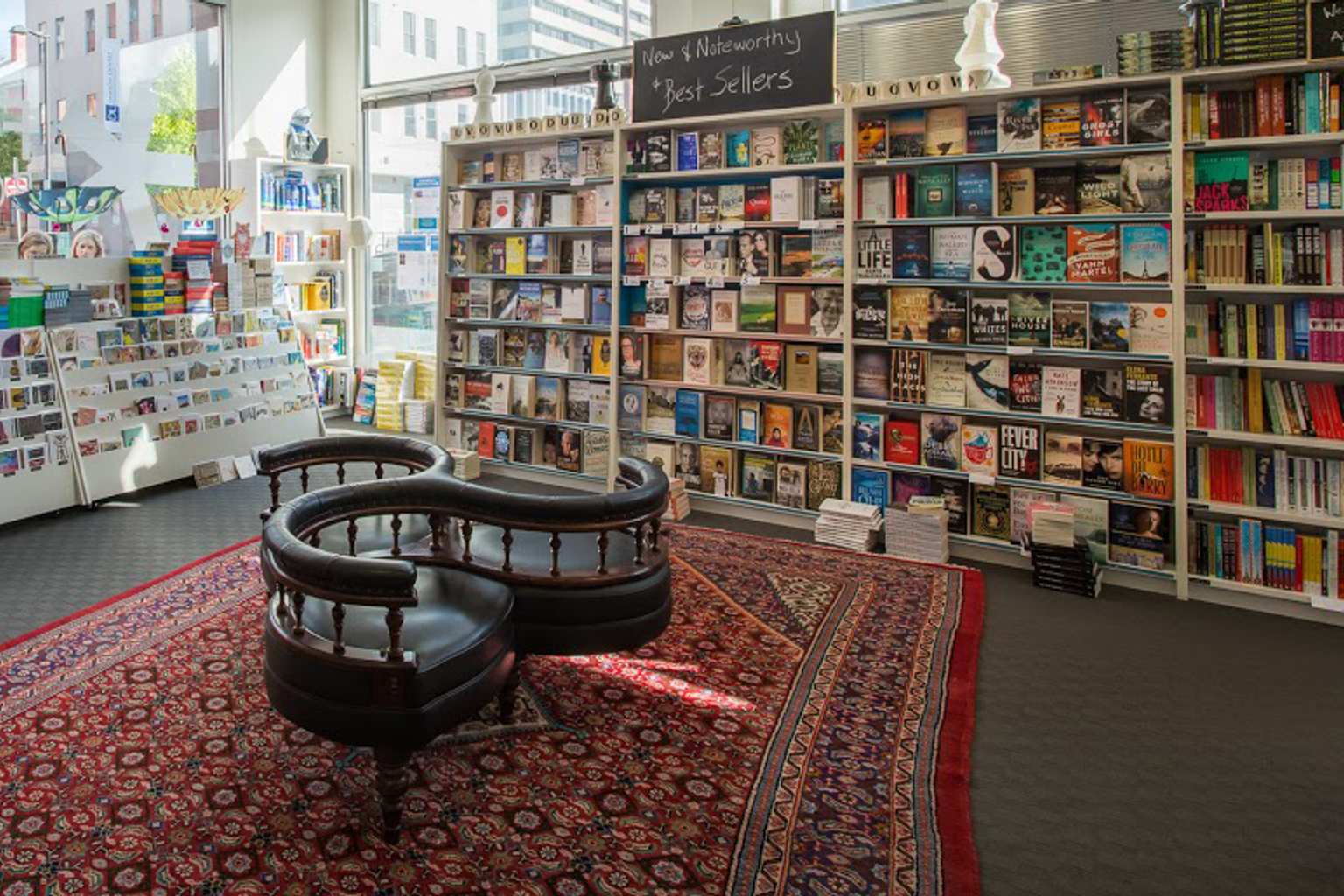
Rawson is helping showcase that ecosystem through the inaugural Island Readers and Writers Festival, which will take place in Hobart in May.
The event will feature nearly 60 artists.
Despite the growing recognition for Tasmanian authors, writers say the sector continues to face significant challenges with Tasmania receiving some of the lowest arts funding of any Australian state.
Jobe said the success of local authors despite those limitations highlighted the passion within the state’s literary community.
“We’re producing huge amounts of work despite these challenges,” she said.
“It really just shows how passionate people here are about writing.”