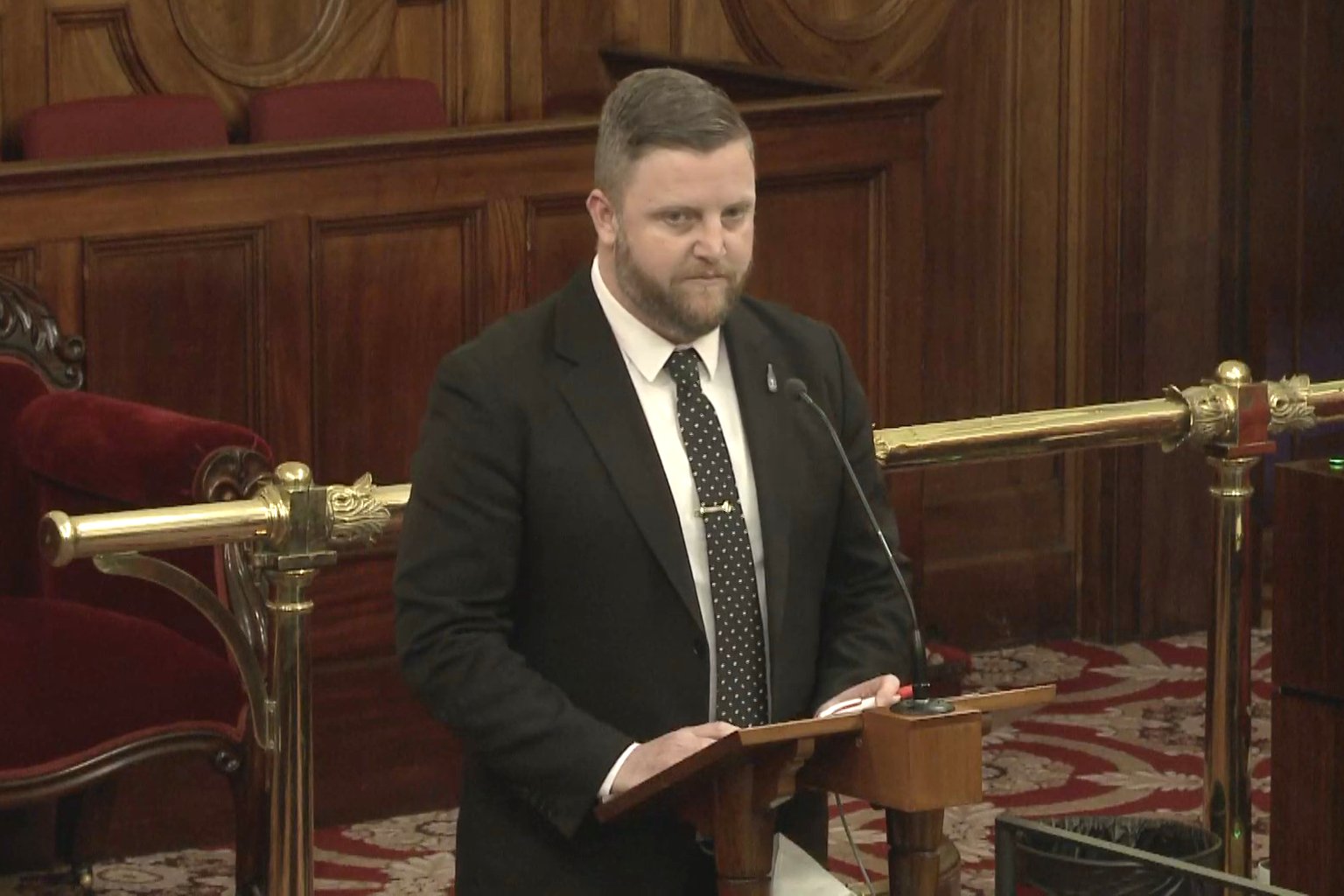
Tasmania’s hospitality sector is under pressure from rising costs, red tape and broken government promises, Labor’s Luke Edmunds told the Legislative Council yesterday, successfully moving a motion on the closure of several Hobart venues.
Edmunds, the shadow hospitality minister, used debate on Tuesday to press the government to deliver on promises to cut costs and reduce unnecessary regulation for the industry.
He spoke on the seven well-known Hobart venues which closed after the Pub Banc Group entered voluntary administration, standing down more than 80 Tasmanian workers.
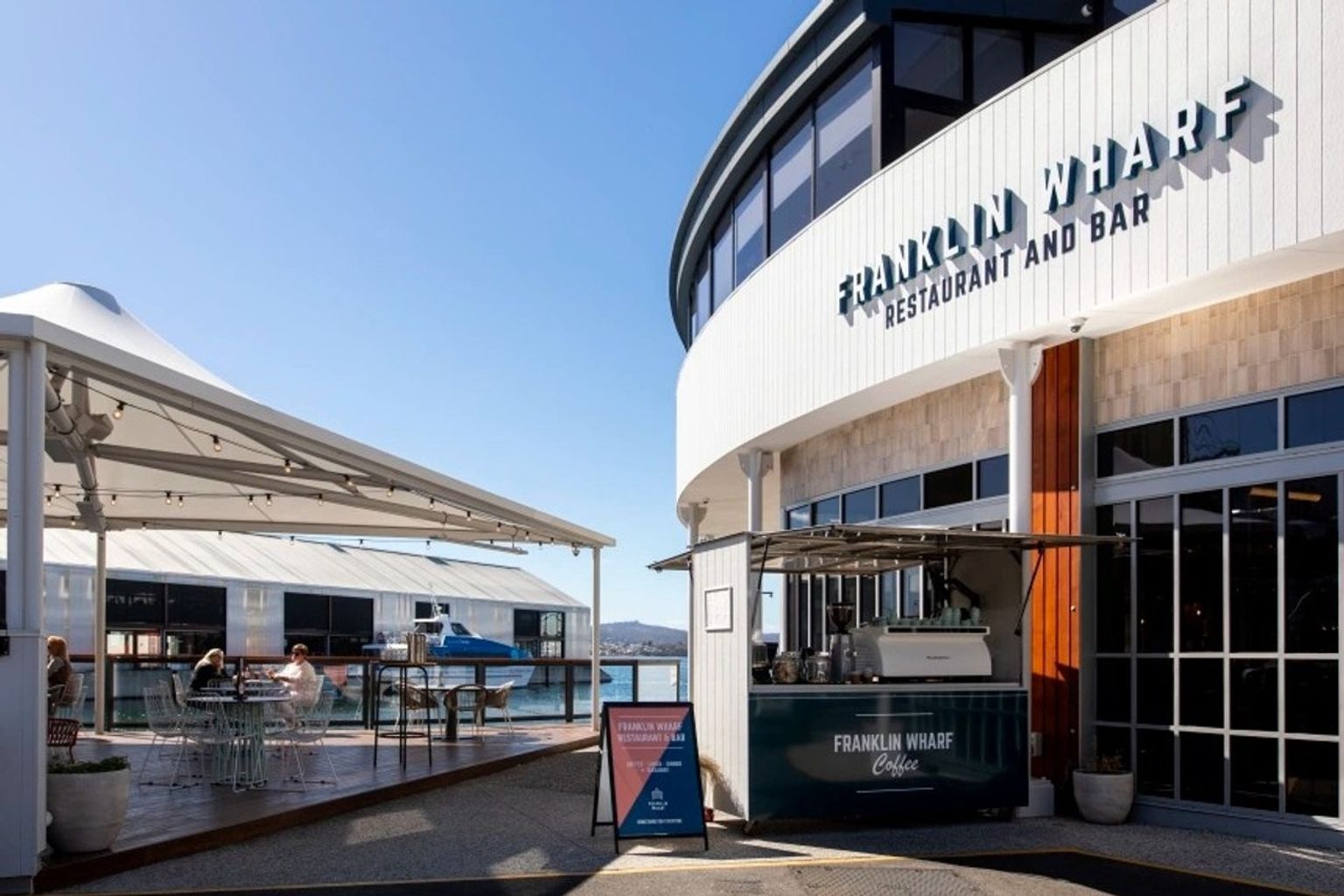
The venues were Cargo Bar, Jack Greene, Post Street Social, Observatory Bar, Republic Bar, Franklin Wharf Restaurant and Bar and the Franklin Wharf Function Centre.
“The consequences extend beyond those directly employed,” he said, pointing to suppliers, security and cleaning staff and musicians who lost work.

He singled out North Hobart’s Republic Bar as “probably the most iconic” of the seven and a dedicated live music space rather than an occasional venue.
Edmunds claimed a red tape change announced six months ago has still not taken effect, a claim the government deny.
In March, then-tourism, hospitality and events minister Jane Howlett announced venues would no longer need separate approval to serve alcohol indoors and in beer gardens.
In June, Treasurer Eric Abetz said red tape reductions were being delivered “right now”, including removing the need for on-licensed venues to obtain an off-permit.
However, Edmunds says the law “hasn’t changed”.
“The fee still exists and Treasury’s current application form still tells venues they need an off-permit for outdoor areas such as beer gardens,” he said.
He said one business he visited had waited almost six months for a liquor licence.
The motion calls on the government to provide “the certainty the industry needs to grow, employ and invest with confidence”.
Abetz, in a statement, rejected the criticism, saying Labor had “once again resorted to a desperate misinformation campaign”.
“The beer garden reform has been delivered and we are slashing red tape to make the state’s liquor licensing system simpler, faster and better aligned with the needs of small businesses while maintaining strong community safeguards,” he said.
He said Tasmania had the nation’s strongest business confidence and conditions and that the government’s efforts to remove red tape played a role.
“There is no stronger supporter of the hospitality industry than our Liberal government,” the treasurer said.
Abetz also took aim at Labor’s proposed new public holiday, describing it as “anti-worker, anti-jobs and anti-business”.