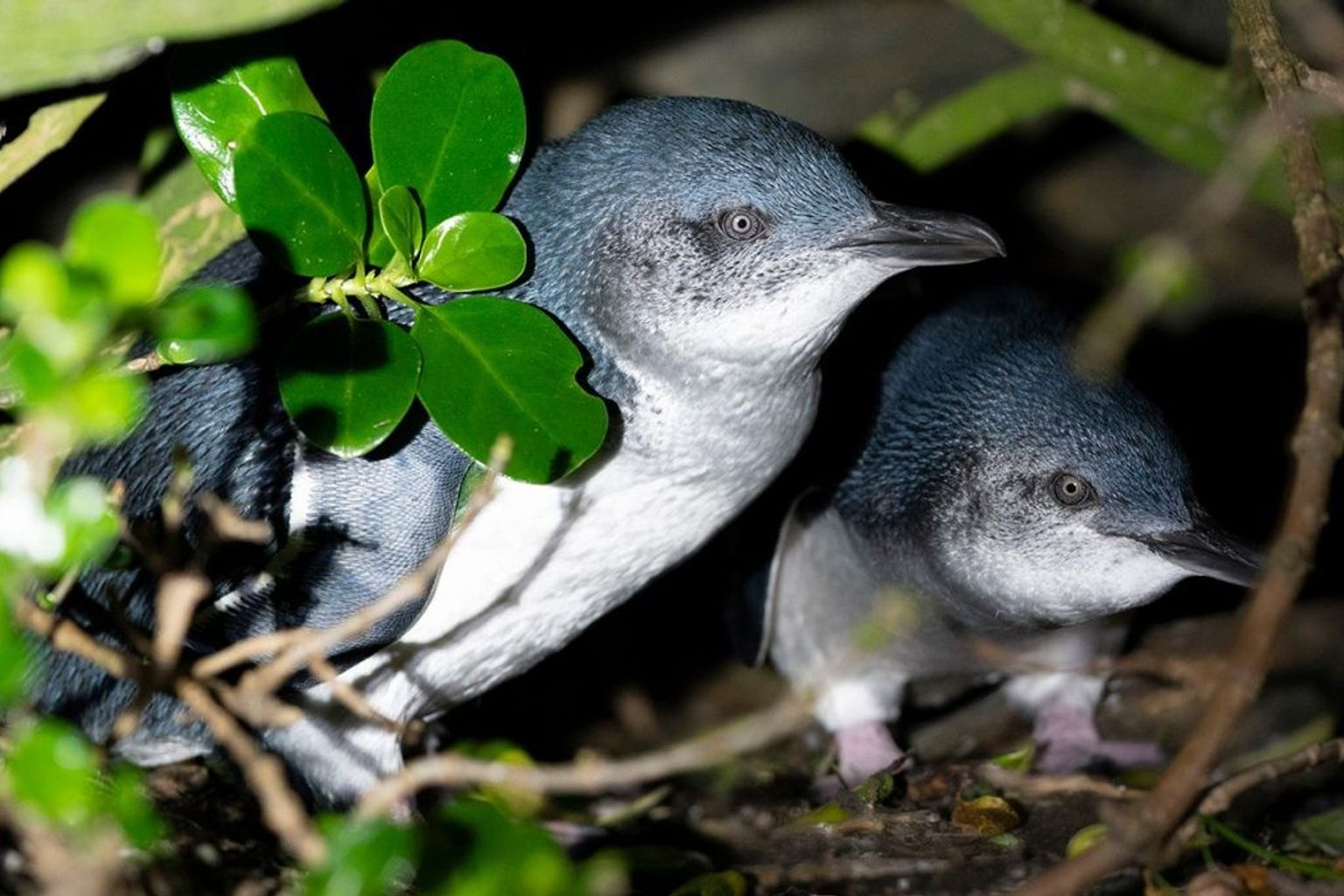
Tasmania has recorded another positive bird flu case, with a little penguin collected from Grassy on King Island testing positive overnight.
A second little penguin returned an inconclusive result, with both samples sent to the Australian Centre for Disease Preparedness for further testing.
It comes after 23 more dead penguins were found on King Island on Friday, bringing the total to 51.
Incident Controller Wes Ford said the penguin deaths were not considered a mass mortality event.

“The condition of the remaining deceased birds meant they were unsuitable for testing,” he said.
“As a result, the cause of death could not be confirmed, although it may be assumed to have been from bird flu.”

Ford said more staff had been deployed to increase surveillance, monitoring and collection activities in the area.
Community information sessions were held on King Island on Friday, giving residents, local government representatives and media the chance to hear from department staff about surveillance and management efforts.
“The community’s role remains critical in helping us understand and respond to the spread of bird flu,” he said.
Information signs about bird flu have been installed at key locations across King Island.
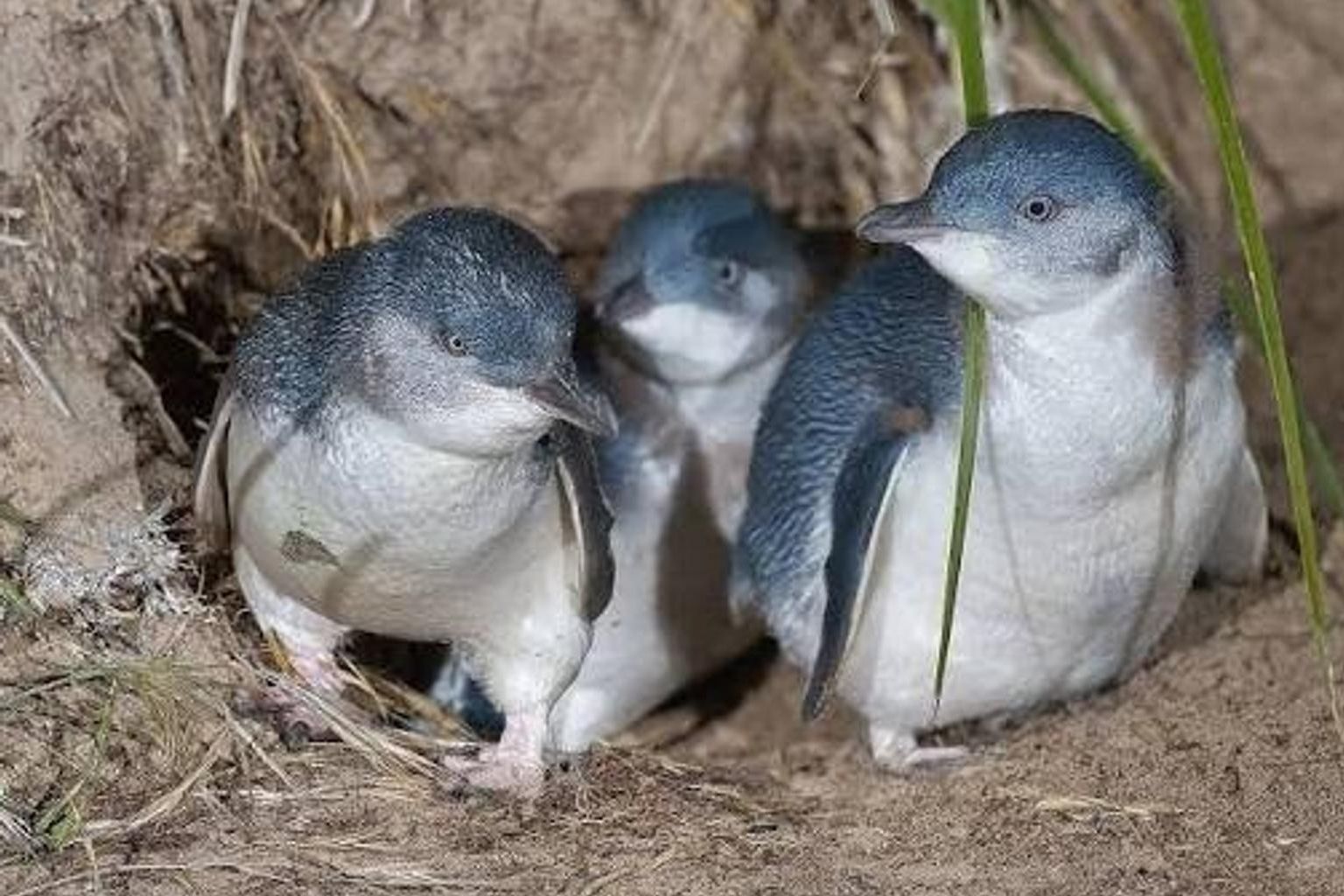
Ford reiterated there is still no evidence of a mass mortality event and no detection in Tasmanian poultry.
He said reporting of individual bird numbers would shift from daily to twice weekly, given the increasing number of birds being collected and sampled.
“This will ensure ongoing community awareness but enable the incident team to focus on its surveillance, response and testing,” he said.
The latest case brings the total number of confirmed positive detections across Tasmania to 20 birds since August 12.

Cases have been recorded at locations including Currie and Grassy on King Island, Rocky Cape, Burnie and Sulphur Creek, across species including crested terns, silver gulls, a white fronted tern, a brown skua and now a little penguin.
The Department of Health has said the risk of H5 bird flu to people in Tasmania is low, but anyone who spots sick or dead wildlife should call the Emergency Animal Disease hotline on 1800 675 888.