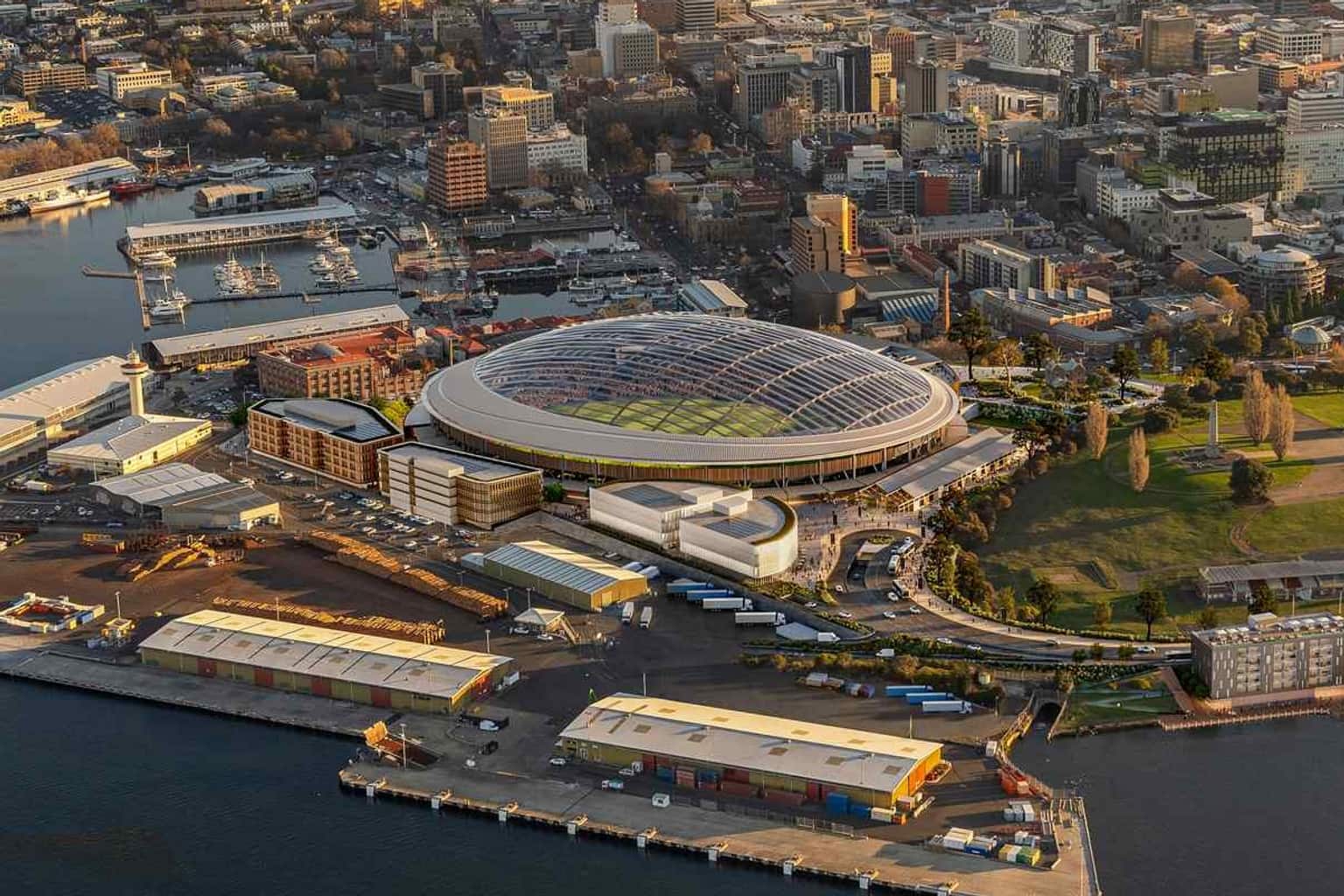
Up to $2 million could be paid to the losing Hobart stadium bidder, eight times the original $250,000 cap set out in initial tender documents, the Macquarie Point Development Corporation has confirmed.
“The cap of up to $2 million of tender reimbursement was outlined in the Stage 1 request for tender agreements considered and agreed by both selected tenderers before Stage 1 commenced in April,” the corporation said in a statement.
It said market testing had found the original $250,000 cap was “low compared to the length and complexity of the procurement and submission preparation process”.
The corporation said any costs claimed would “need to be demonstrated and evidenced”.
BESIX Watpac was named the preferred tenderer on October 15, ahead of a joint venture between Webuild and China Construction Oceania.
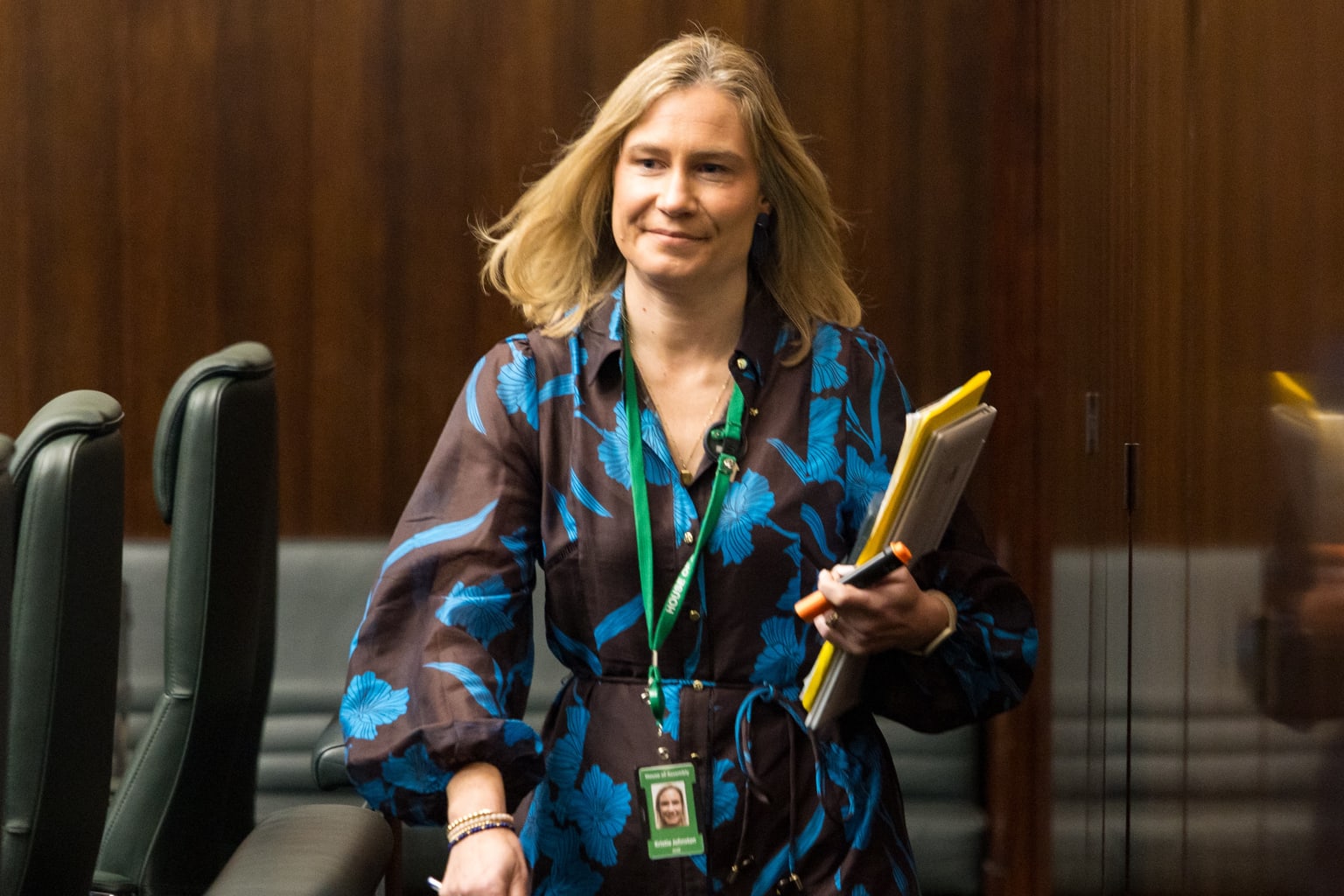
During question time in parliament on Tuesday, independent MP Kristie Johnston said the original tender documents capped the payment at $250,000 plus GST.
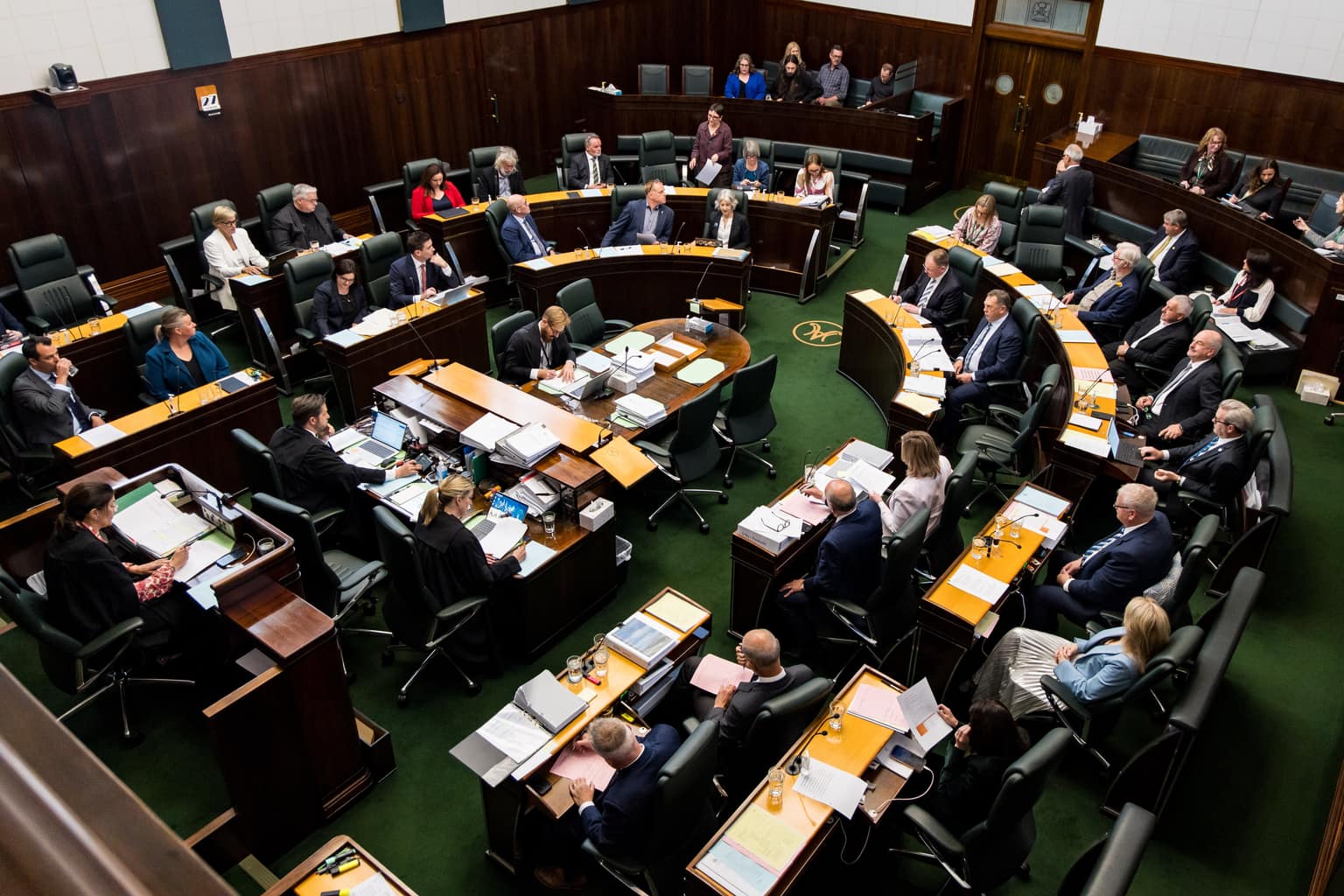
She asked Treasurer Eric Abetz whether Webuild had received or would receive more than that amount.
Abetz took the question on notice but told parliament that reimbursing unsuccessful bidders “should come as no surprise”.
“Putting forward a tender costs millions of dollars, I would assume,” he said.
“To encourage as many as possible to come forward, it is part and parcel of the normal process.”
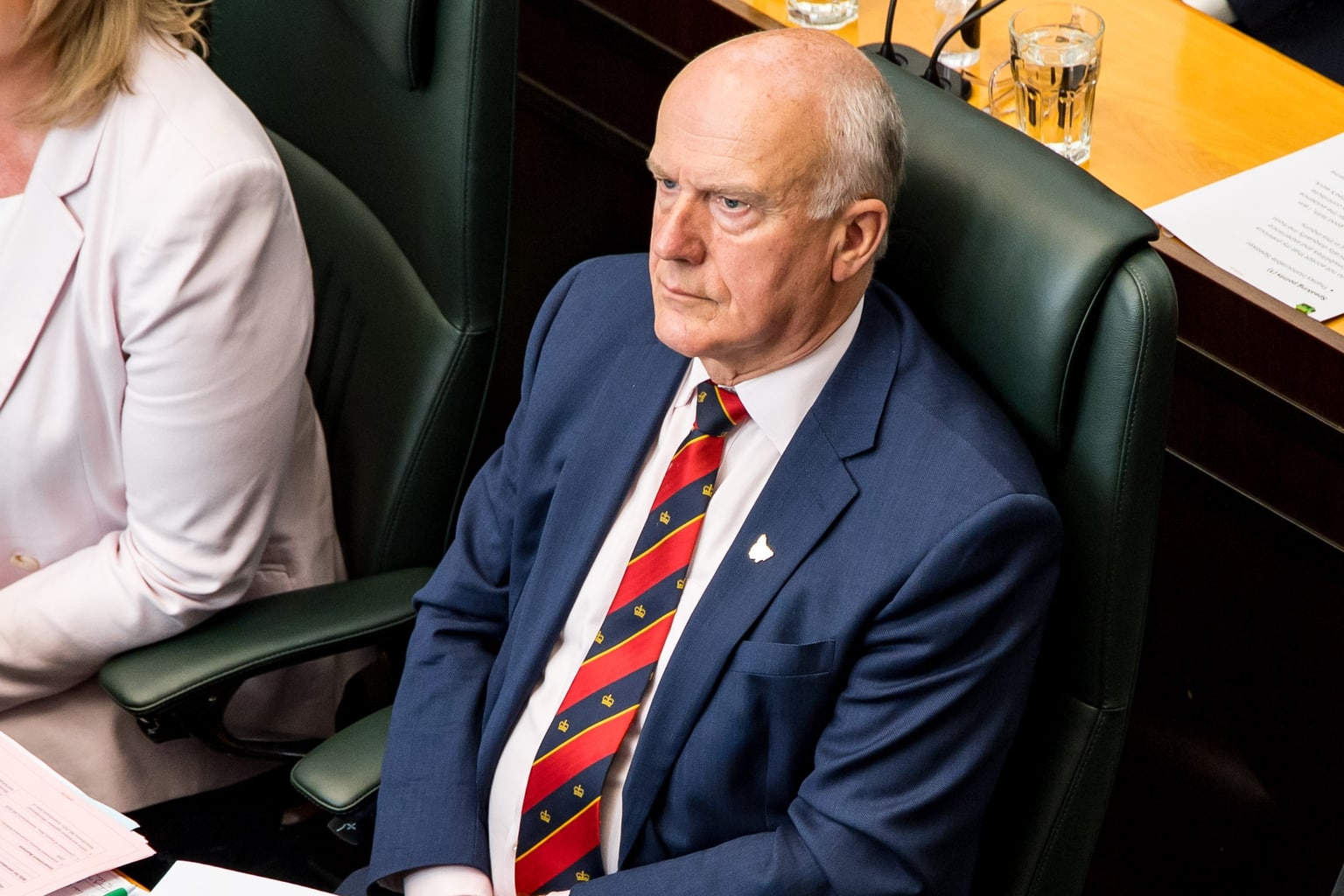
“The simple fact is in Tasmania we don’t have projects of this size normally and therefore some people are somewhat surprised, but if you go to the mainland and other places where there are these major projects, this is business as usual.”
Abetz declined to reveal any figures during what he described as a “live procurement process”, saying the losing consortium was being kept “in reserve” in case a deal could not be reached with BESIX Watpac.
Later in question time, he suggested Johnston may have been “dealing with outdated information”, saying he believed the cap had been increased in April.
Speaking to reporters afterwards, Johnston said the $250,000 limit was included in the expression of interest documents and had only been increased after Webuild’s consortium progressed to the next stage.
“The government have clearly moved the goalposts,” she said.
“I call on the treasurer to be open and transparent and to reveal what the new updated figure was in the April document and indeed what has exactly been paid to Webuild.”
The corporation described reimbursing unsuccessful bidders as “a standard procurement practice for major projects”, pointing to the new Bridgewater Bridge project, where $2.8 million was paid in reimbursement.
It said the payment was already included in the stadium project budget and was “an existing and known cost of the procurement process”.
Tasmanian Chamber of Commerce and Industry chief executive Colleen Reardon said the payment was “an insult” to every small and medium-sized business that tenders for government work.
“If they lose, they get a form letter and a debrief. They wear the cost – they don’t get a cheque,” she said.
“If the government thinks a losing bid deserves compensation, it needs to explain why that thinking stops at multinationals.”