A Tasmanian painter caught with more than $1 million in cash in his ute told police he found it under a bridge, a story he later admitted was made up.
Stephen Ronald Sonners, 58, was actually being paid about $1,000 to leave the money in bushland on the east coast, Justice Stephen Estcourt said while sentencing him to 15 months of home detention.
Sonners was sentenced in the Supreme Court on September 18 after pleading guilty to dealing with property suspected of being the proceeds of crime.
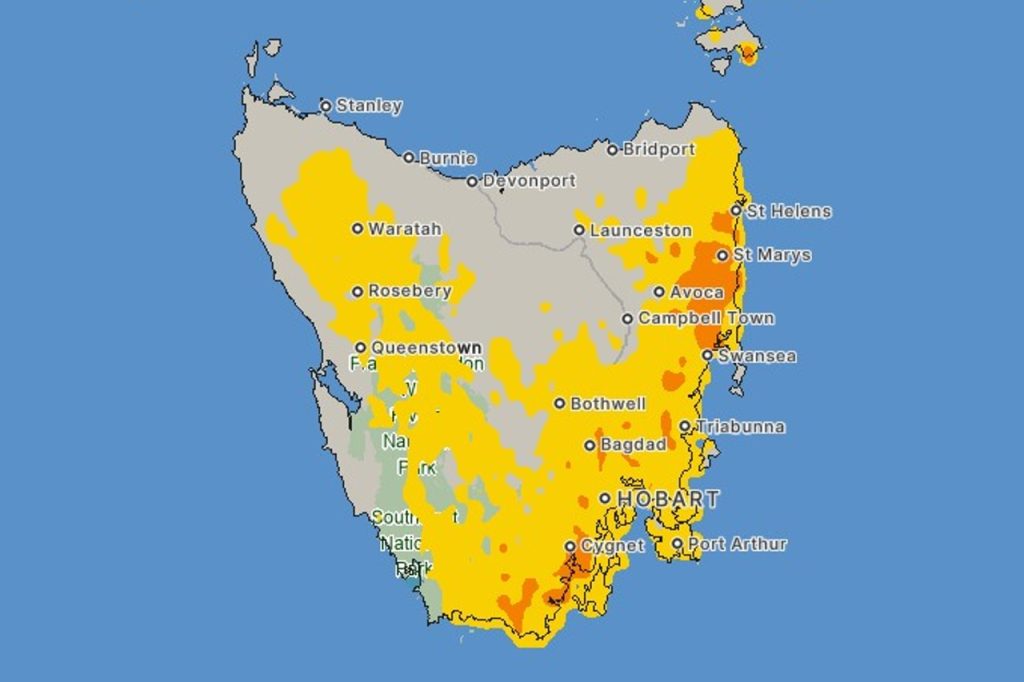
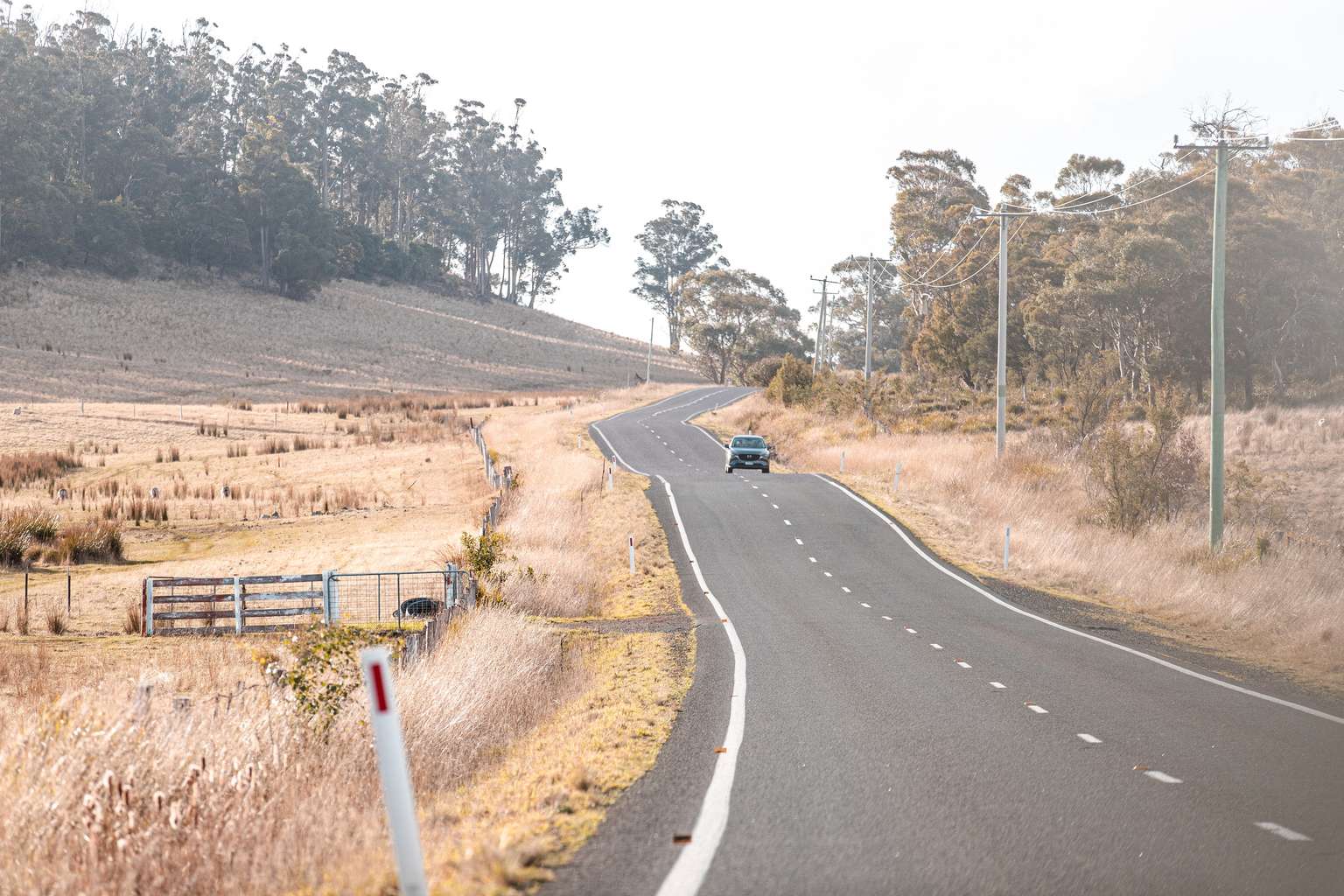
Police stopped Sonners on the Tasman Highway at Triabunna around 8:30pm on September 20, 2025, for what officers described at the time as a random breath test.
His breath test was negative, but police discovered he was disqualified from driving.
An officer then noticed a large cardboard box on the passenger seat and smelled cannabis.
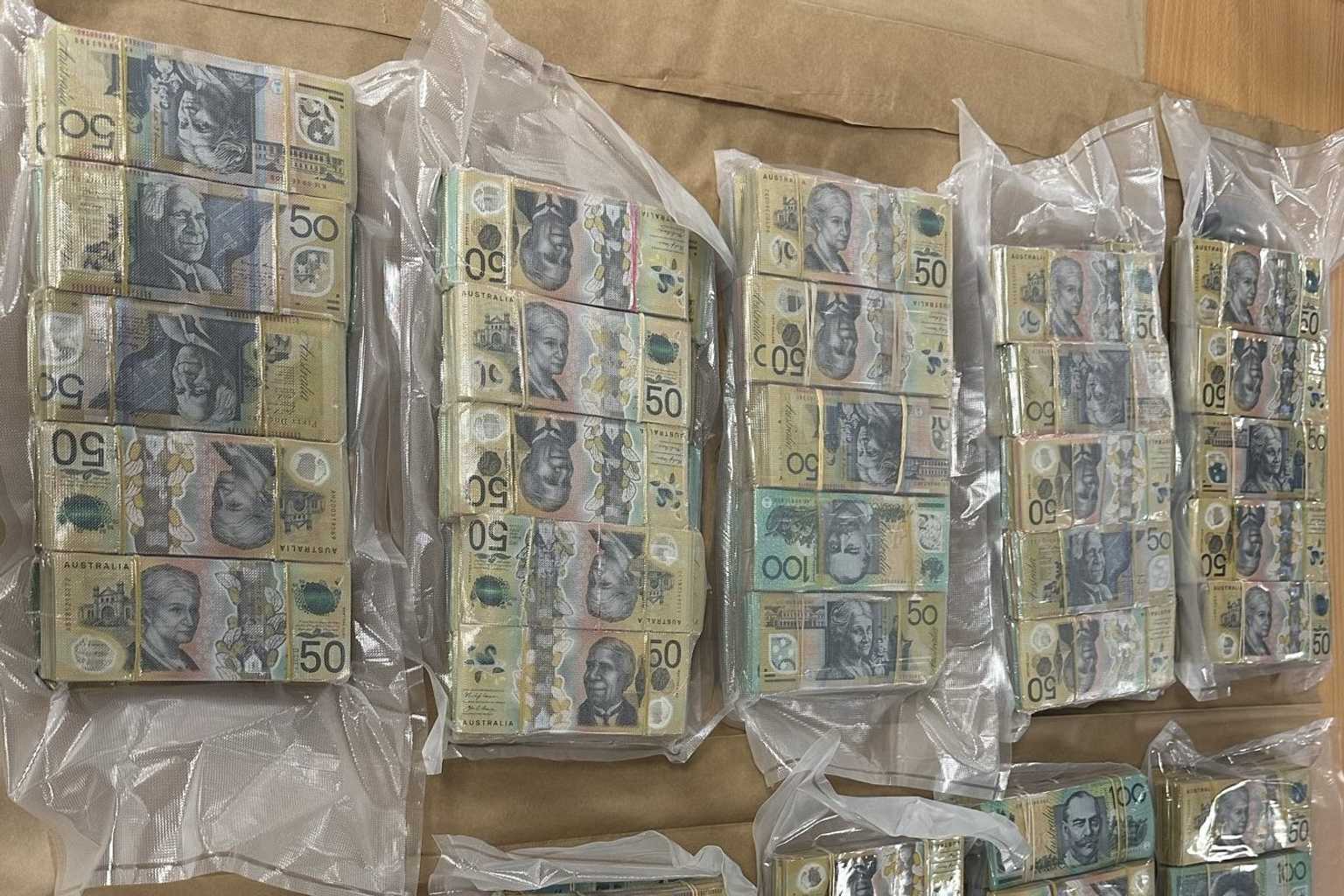
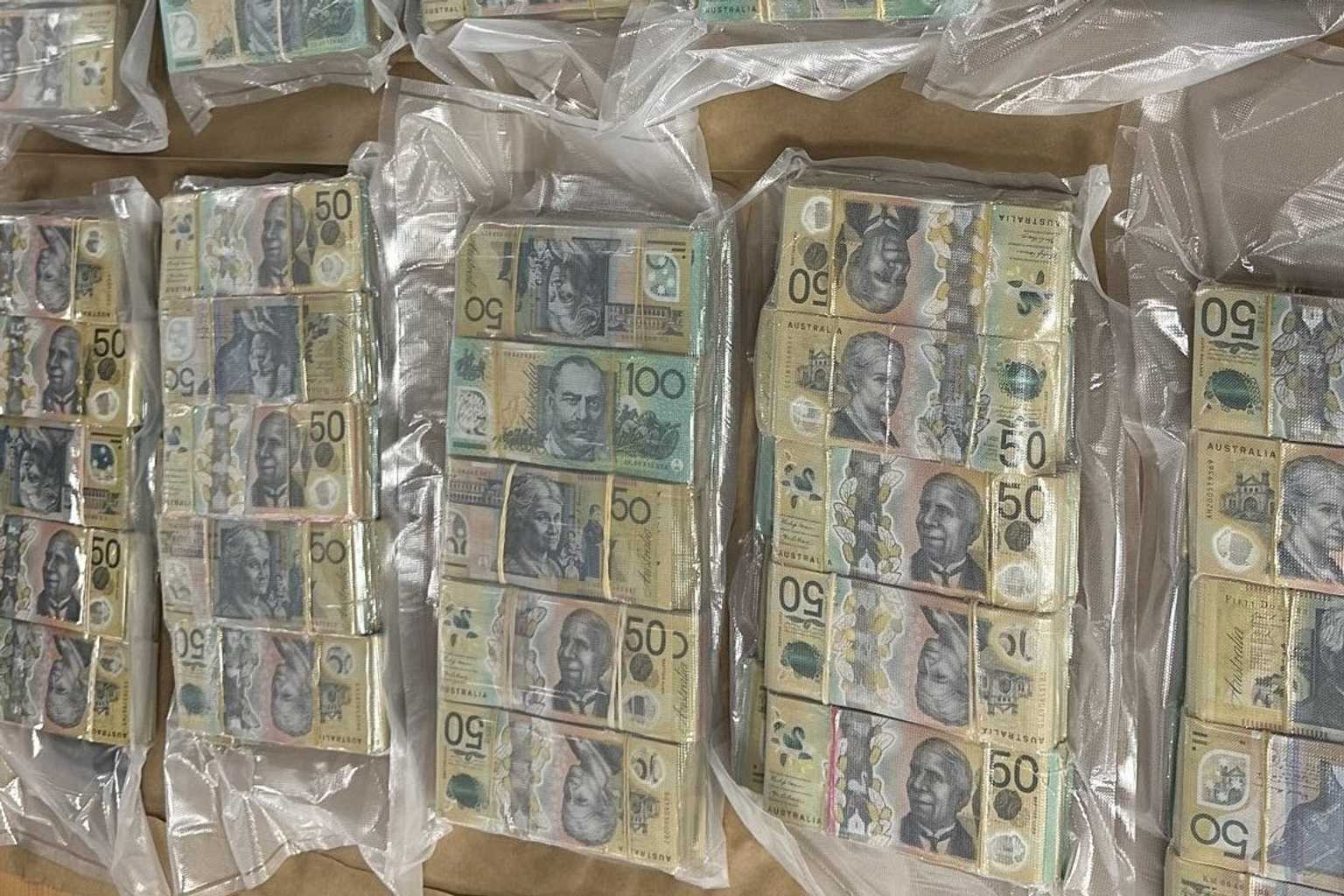
Sonners claimed the box contained paperwork. Instead, police found $1,065,660 in cash.
The haul included 10 vacuum-sealed bundles of $100,000 each, with one marked “100K” and a smiley face.
Police also found three phones and a bag of cannabis.
Justice Estcourt said one of the phones contained messages on Threema, an encrypted app commonly used by organised crime groups.
A group chat called “Final pass” included instructions about where to deliver the money and warnings about police.
Prosecutors alleged Sonners was collecting and delivering money from drug sales.
The court heard Sonners had picked up the box from a man known as Blade at the Sorell Bowls Club and was told to leave it in bushland near the beach at Falmouth.
He also told police he was involved with the Nomads motorcycle club and was being paid between $1,000 and $2,000 to help pay off debts.
Sonners claimed he did not know how much money was in the box and was shocked when police revealed the amount.
He described himself as a “people pleaser” and said he would not offend again, the court heard.
Justice Estcourt stressed Sonners was not being sentenced “on the basis that he knew or believed that the money constituted proceeds of crime”.
“If any such knowledge or even recklessness were established, he would be guilty of a more serious offence with a higher maximum penalty,” the judge said.
Sonners, who previously served in the army, had no relevant prior convictions and spent more than two weeks in custody before being granted bail.
He must now wear an electronic monitor, cannot drink alcohol or take illicit drugs and can only leave home with approval from a probation officer.