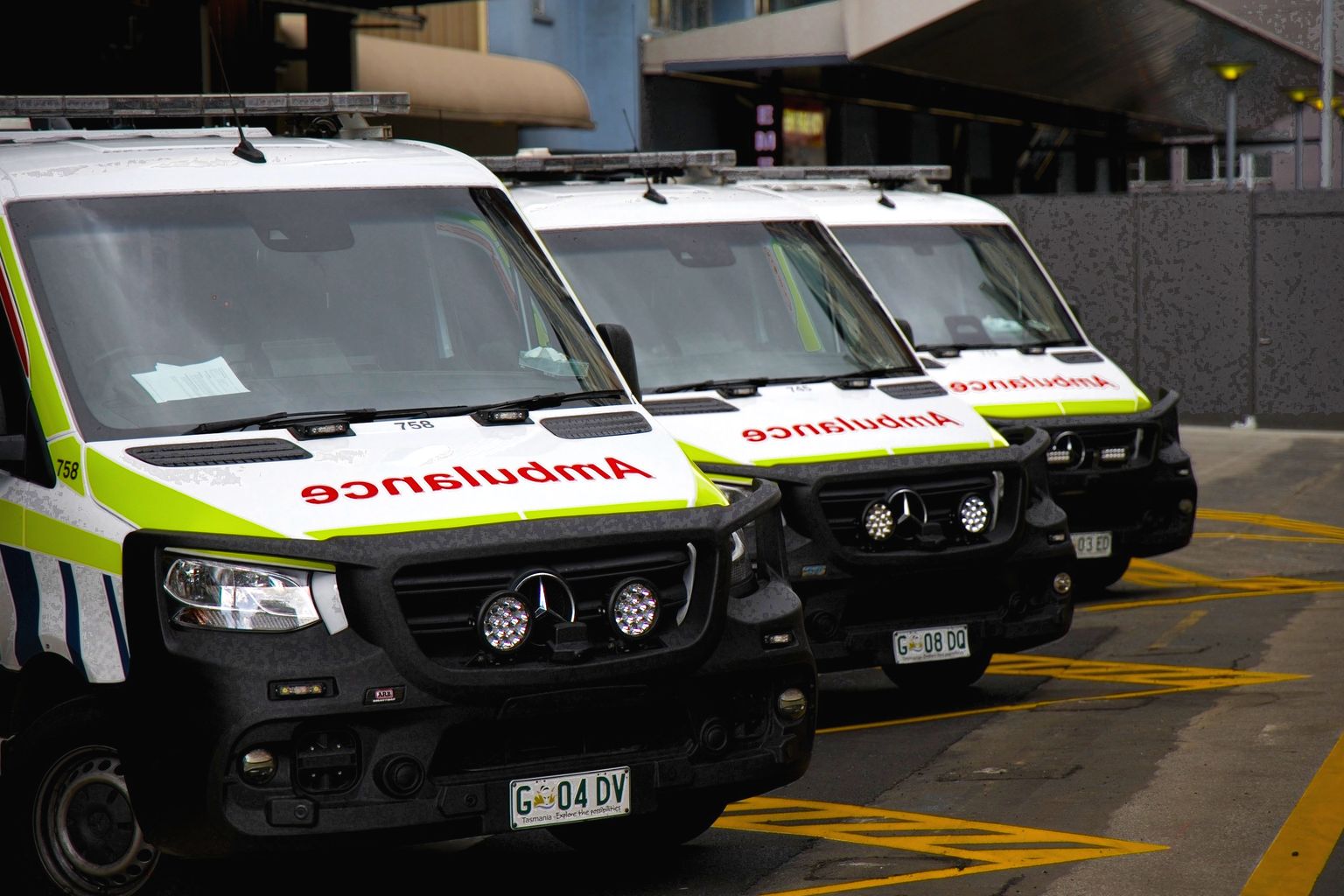
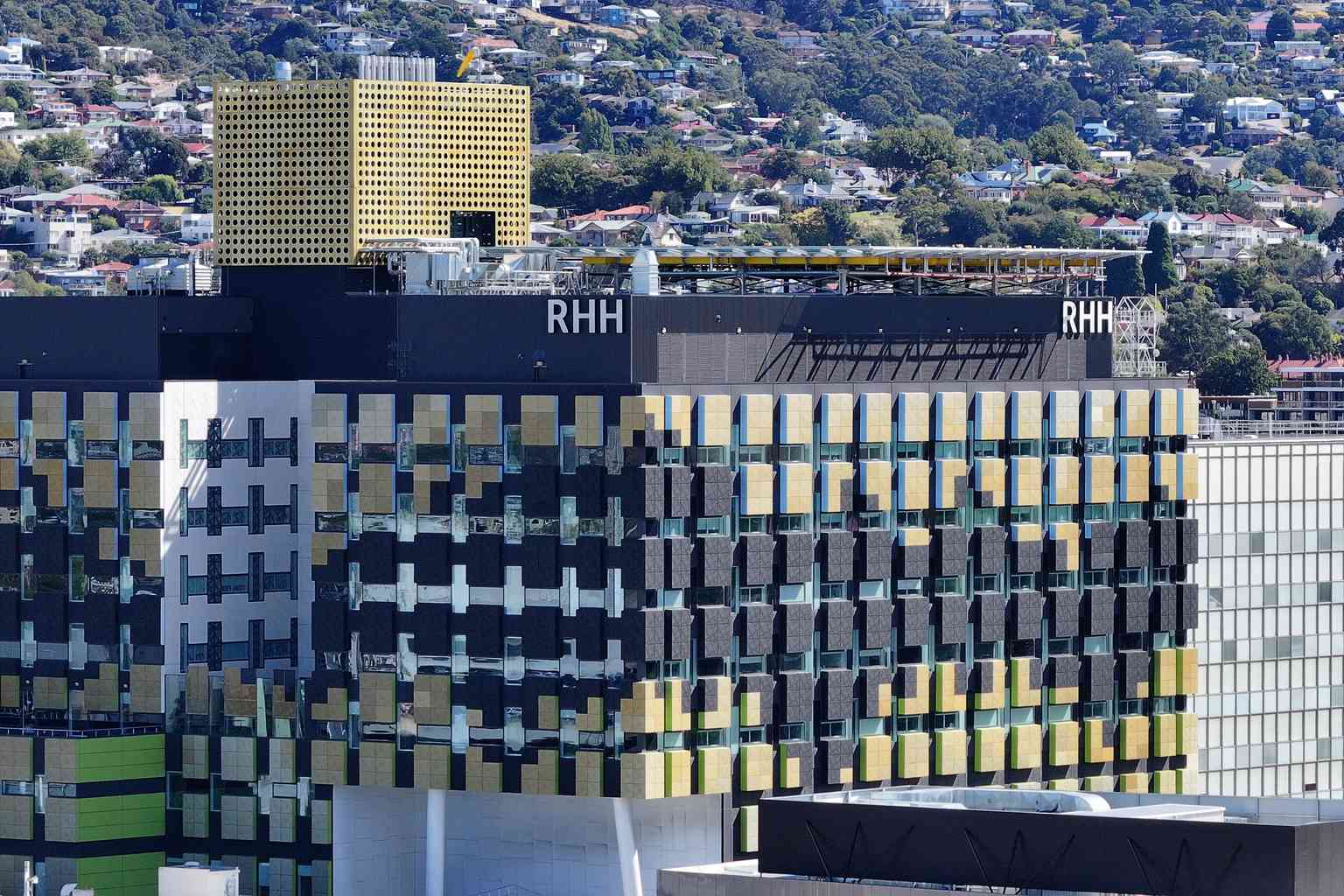
A man has died after his family was forced to drive him to the Royal Hobart Hospital on Saturday night because no ambulance was immediately available.
The Department of Health said the call was initially assessed as a Priority 4 response before being escalated to Priority 1 following a second Triple Zero (000) call.
The man died shortly after arriving at hospital. A “comprehensive investigation” is now underway.
“The Department of Health extends its heartfelt condolences to the patient’s family, friends and loved ones at this very difficult time,” a spokesperson said.
The department said further information would be provided after the investigation, “including whether the incident should be referred to the coroner”.
Health and Community Services Union (HACSU) state secretary Robbie Moore told Pulse the second call came about 25 minutes after the first, when the man’s condition had deteriorated.
Moore said the initial Priority 4 classification meant an ambulance was required but the case was not considered urgent.
Once the call was upgraded to Priority 1, an ambulance should have been sent “straight away”, he said.
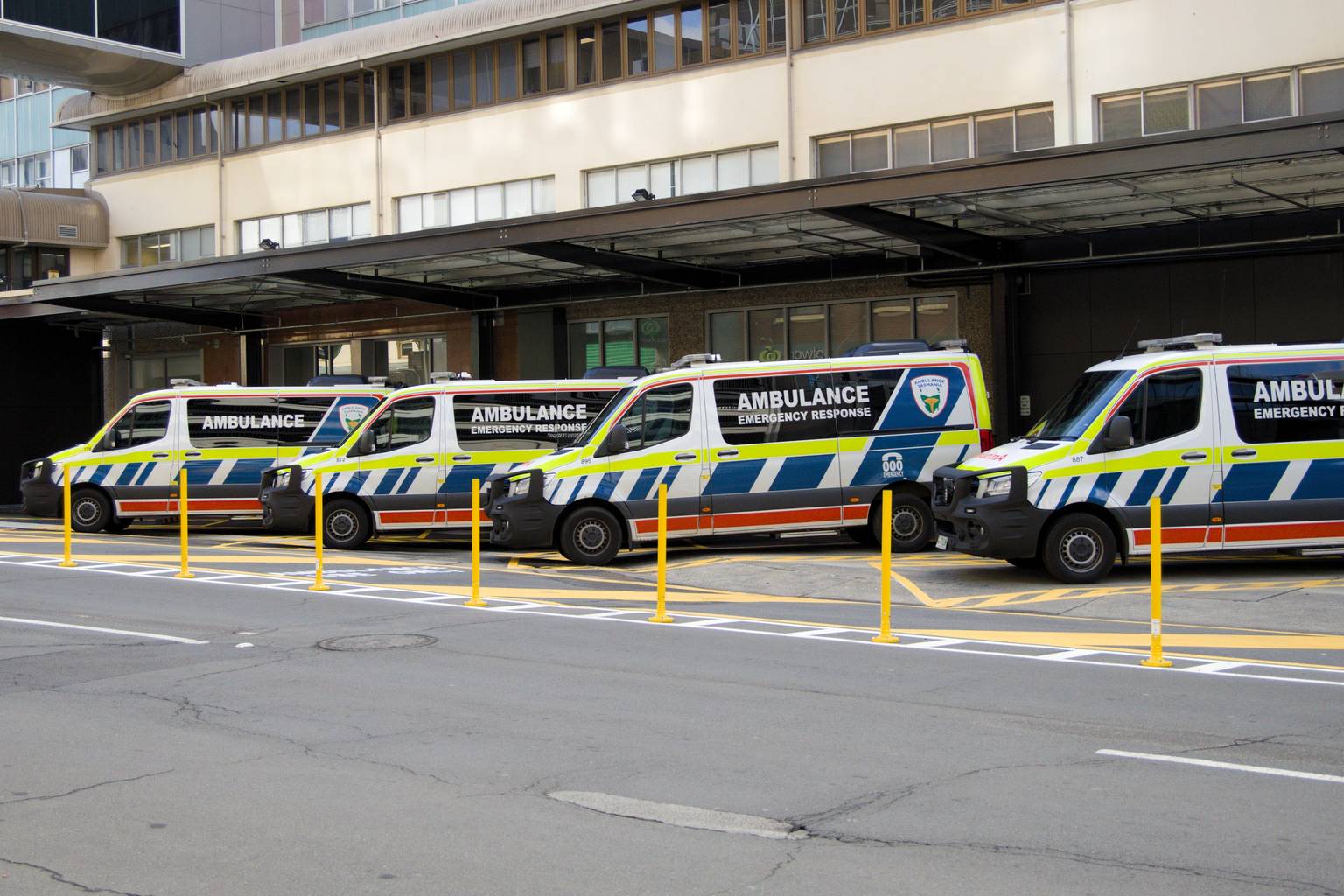
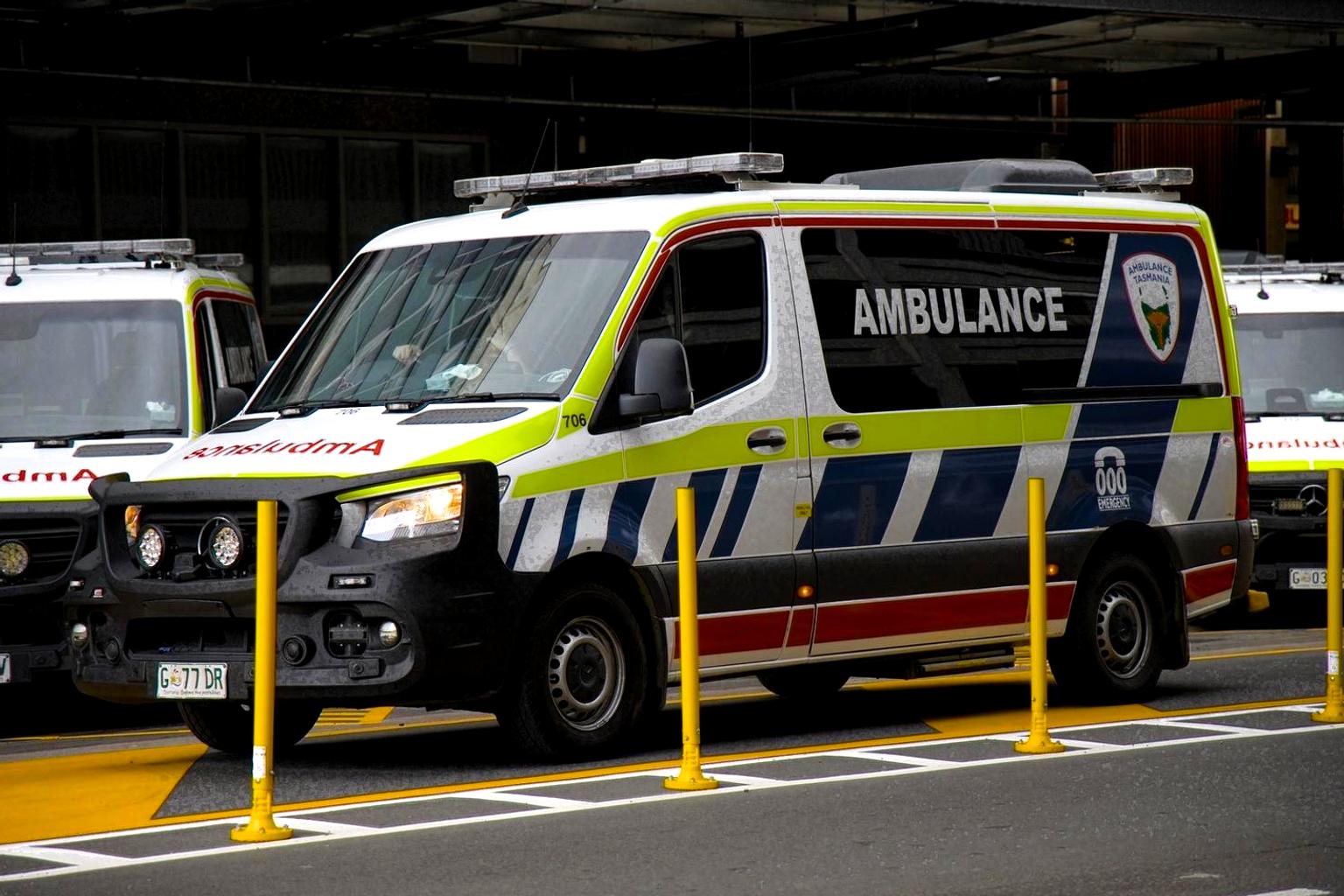
But ambulances were either attending other incidents or ramped at the hospital, he said, with three stuck outside the emergency department unable to hand over patients.
“It took 25 minutes to get one there because of ramping,” Moore said.

Moore said by the time the ambulance arrived, the family had already driven the man to hospital, where a paramedic treated him outside.
“It’s a very tragic situation, but it does highlight the stress that our system’s under,” Moore said.
“The government does have to take responsibility for what has occurred.”
The day before the man’s death, Ambulance Tasmania chief executive Nicole Ashworth warned staff of record demand in an internal email obtained by Pulse.

She said the service had answered a record 10,502 Triple Zero (000) calls in September and attended an “unprecedented” 571 incidents on Thursday, October 8.
“We are continuing to see record Triple Zero and ambulance demand and attendance at incidents, reflecting real community need,” she wrote.
Ashworth also acknowledged that transfer of care delays, which leave ambulances ramped at hospitals, “remain a significant challenge” affecting the service’s “capacity to respond”.
AMA Tasmania vice-president Jerome Muir Wilson said the death had exposed failures caused by “years of delayed decisions on beds, aged care, staff, buildings and basic health technology”.
He said hospitals were full and ambulances were stuck, while older patients who were ready to leave hospital had nowhere to go because of a shortage of aged-care places.
“This is a political failure,” he said in a statement.
“The state runs the hospitals. The Commonwealth funds aged care and controls most tax revenue. Both governments have let the gaps widen and both must be held accountable.”
Labor leader Josh Willie said he was “devastated for the family”.
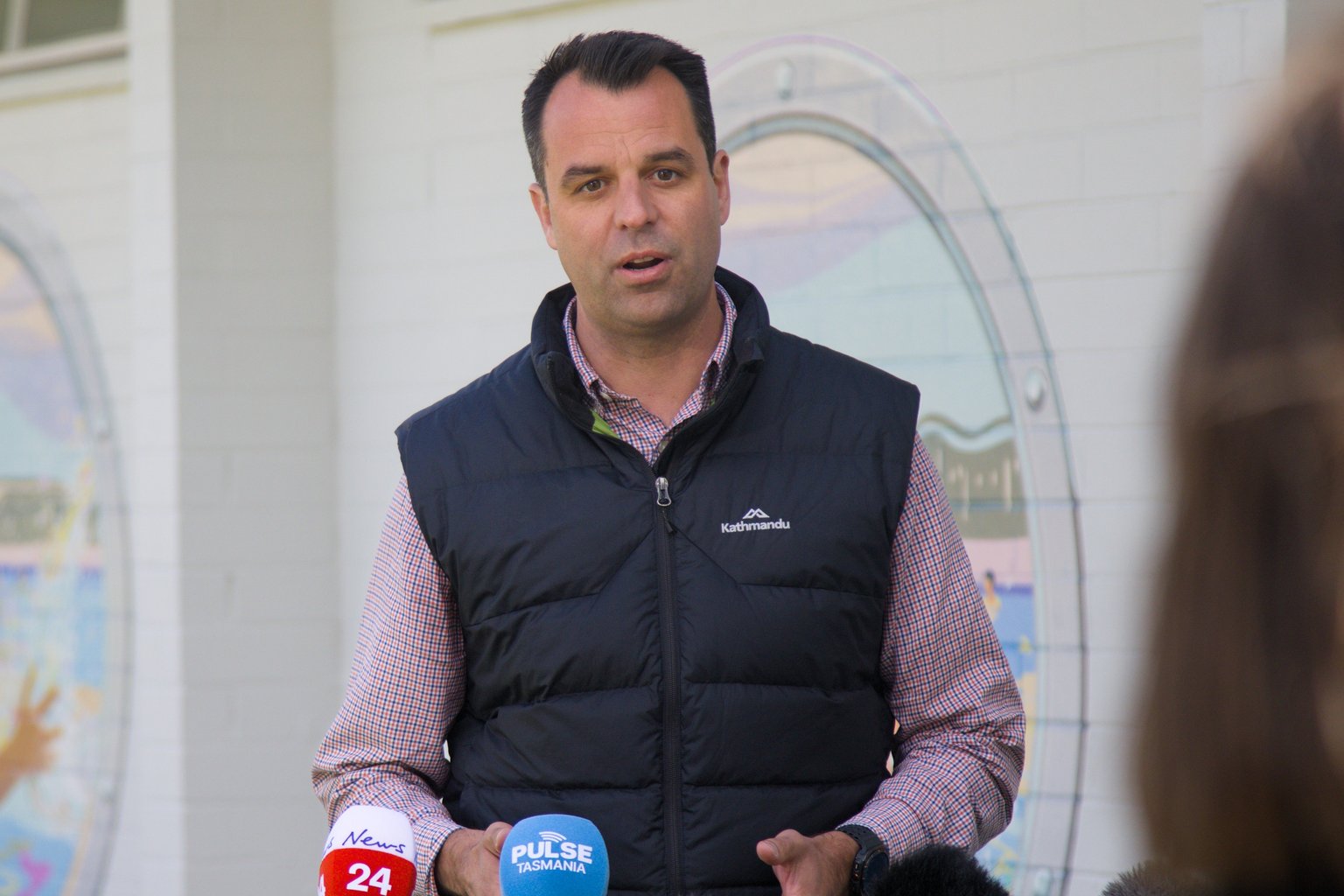
“This speaks to the broader health system in Tasmania and the strain it’s under and it’s not sustainable for further cuts,” he said.
“This government has been in power for 12 years. If they haven’t fixed the health system by now, they never will.”
Greens health spokesperson Cecily Rosol described the death as “devastating beyond words”.
“There have been so many warnings, so many reports, so many recommendations, so many tragedies and yet still so little action from the Rockliff government,” she said in a statement.

Premier Jeremy Rockliff described the incident as a “very serious and tragic matter”.
“There will be an investigation ongoing and I won’t comment any further and I look forward to the outcome of that investigation,” he said.
Rockliff said the government’s transfer of care policy had saved 30,000 hours of ambulance time and that the government was investing about $15 billion in health over four years.
“I offer my condolences to the family who are going through a very traumatic time,” Rockliff said.