Metro mechanics are concerned that they may have to work on new battery-electric buses with minimal training, raising serious worries about worker safety.
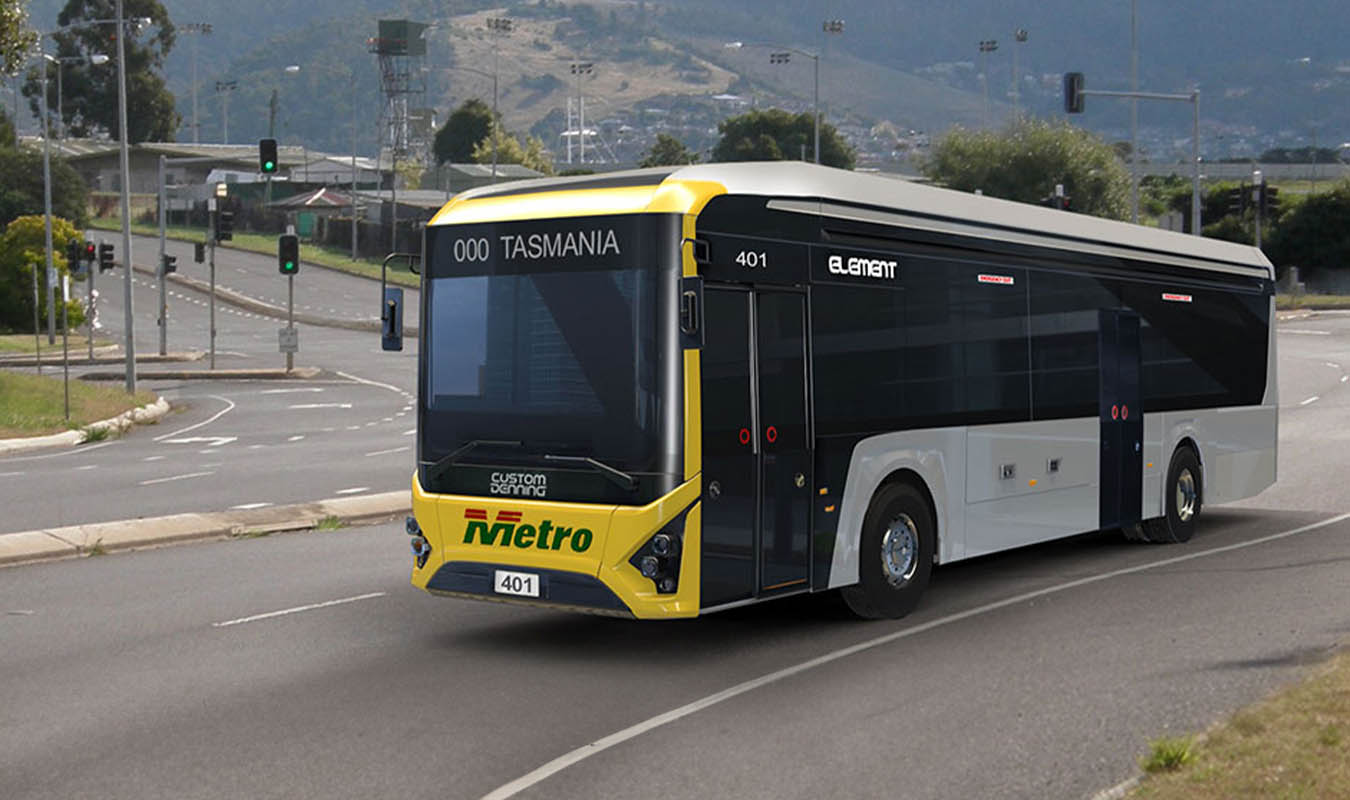
Metro is scheduled to receive the first of four Custom Denning battery-electric buses this week as part of a $6 million electric bus trial in Launceston, followed by three hydrogen fuel cell electric buses in mid-2024.
The Australian Manufacturing Workers Union claims that Metro mechanics, under the direction of fly-in-fly-out mechanics, will be expected to maintain the new buses without proper training.
“The mechanics are frustrated, they’re upset, they’re concerned,” AMWU Tasmania’s Jacob Batt said.
Mechanics are particularly anxious about dealing with high-voltage batteries without adequate instruction and fear the risk of electrocutions.
“We are concerned that a mechanic will die, or members of the public on these buses will die, unless this training is done.”
“The training is there on the mainland, why is it not in Tasmania? [Metro] have had two years to organise this.”
Metro insists that mechanics will not be assigned tasks beyond their competency and will receive training directly from the bus manufacturer.
“Metro has not refused to provide training to its engineering team regarding the Zero Emission Bus Trial,” a spokesperson for Metro said.
“Due to this relatively new technology, there are no formal qualifications available in Tasmania, at this point in time.”

“Therefore training will be delivered by the manufacturer of the Battery Electric Bus as they are best placed to provide this training.”
“Metro will provide training to approximately 40 staff to coincide with commencement of the trial and no one will be asked to perform work that they do not consider they are competent to perform.”
The union argues that the training offered by the manufacturer will be insufficient and is not a suitable substitute for nationally accredited courses.