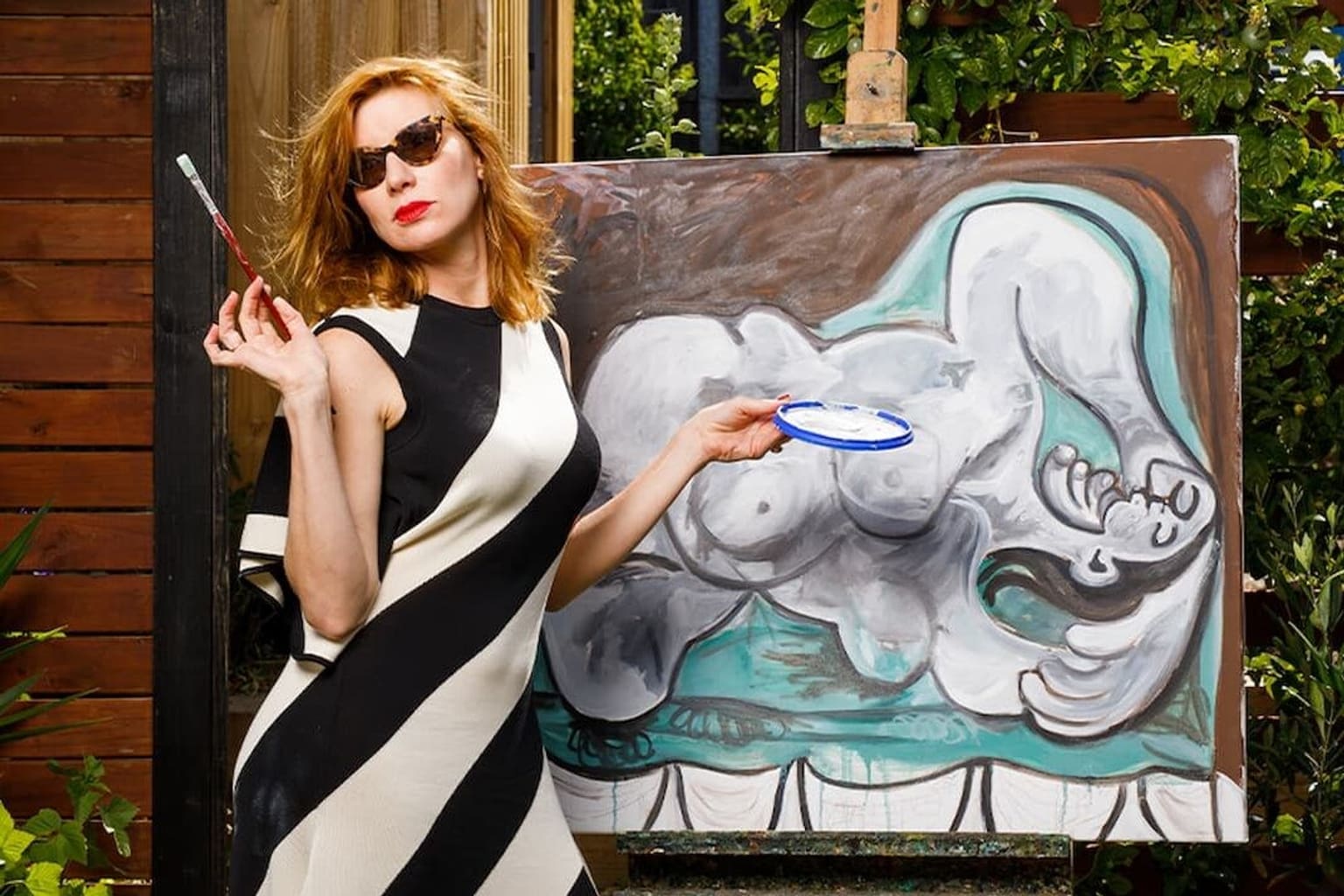
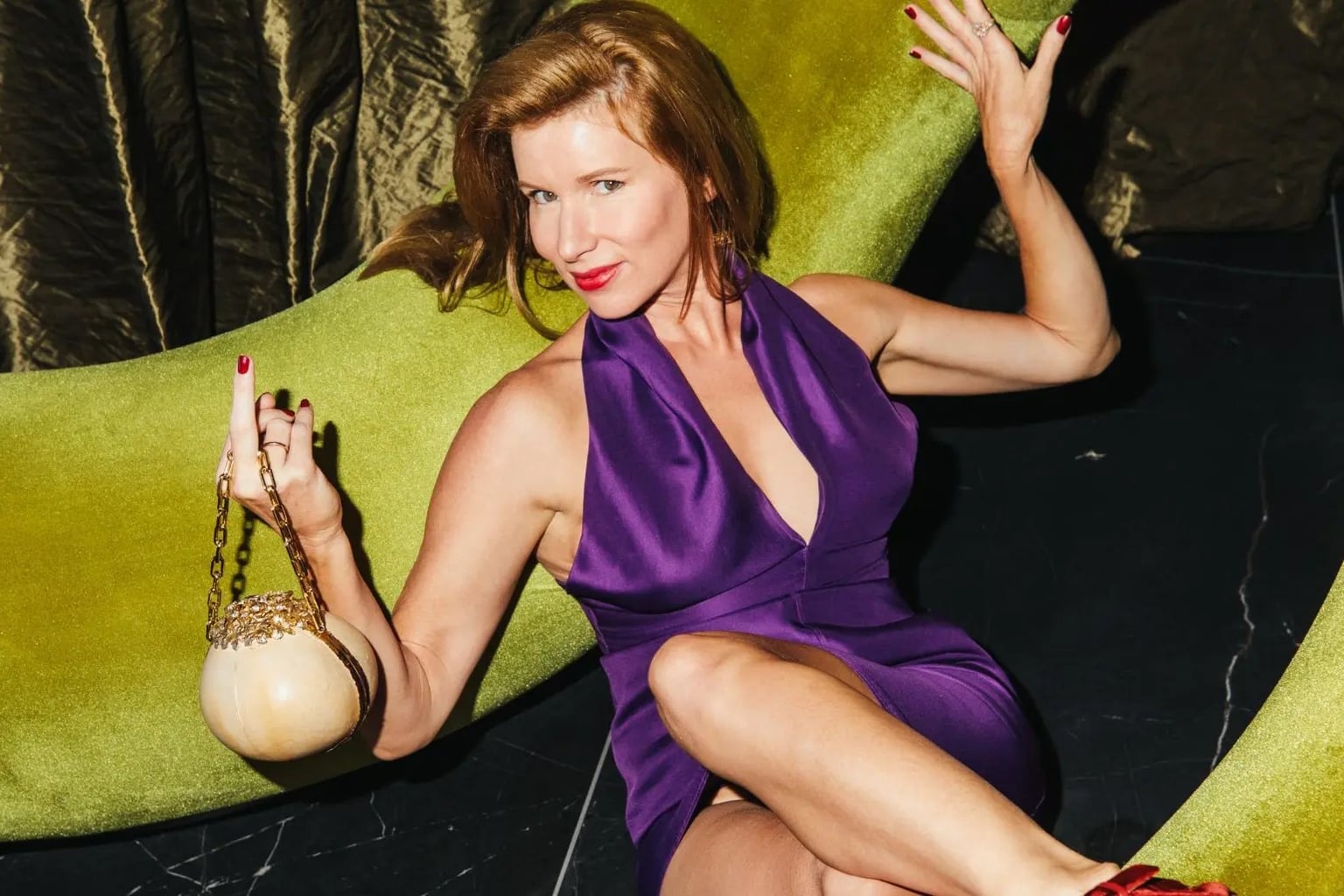
Artist, curator and “the other half of MONA” Kirsha Kaechele will headline agriCULTURED’s Conversations day in Launceston on Friday, joining farmers, scientists and writers to explore the festival’s theme that food is political.
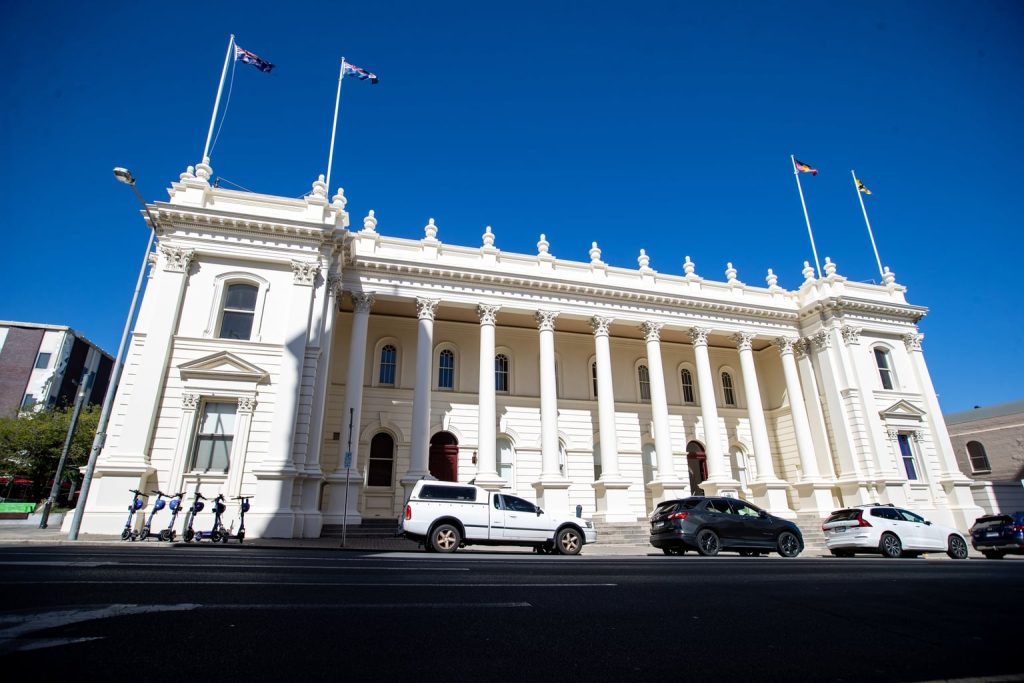
Kaechele will join agriCULTURED executive producer Sarah Blacklock on stage at Albert Hall on November 6 to discuss how creative practice can challenge convention, reshape public debate and inspire social and environmental change.
Kaechele is an American who moved to Tasmania to live with MONA founder David Walsh and his daughters, Grace and Jamie, in 2010.
Food has long been central to Kaechele’s work. In 2014 she founded 24 Carrot Gardens, a school program now run by Material Institute that teaches students to grow and cook their own food.
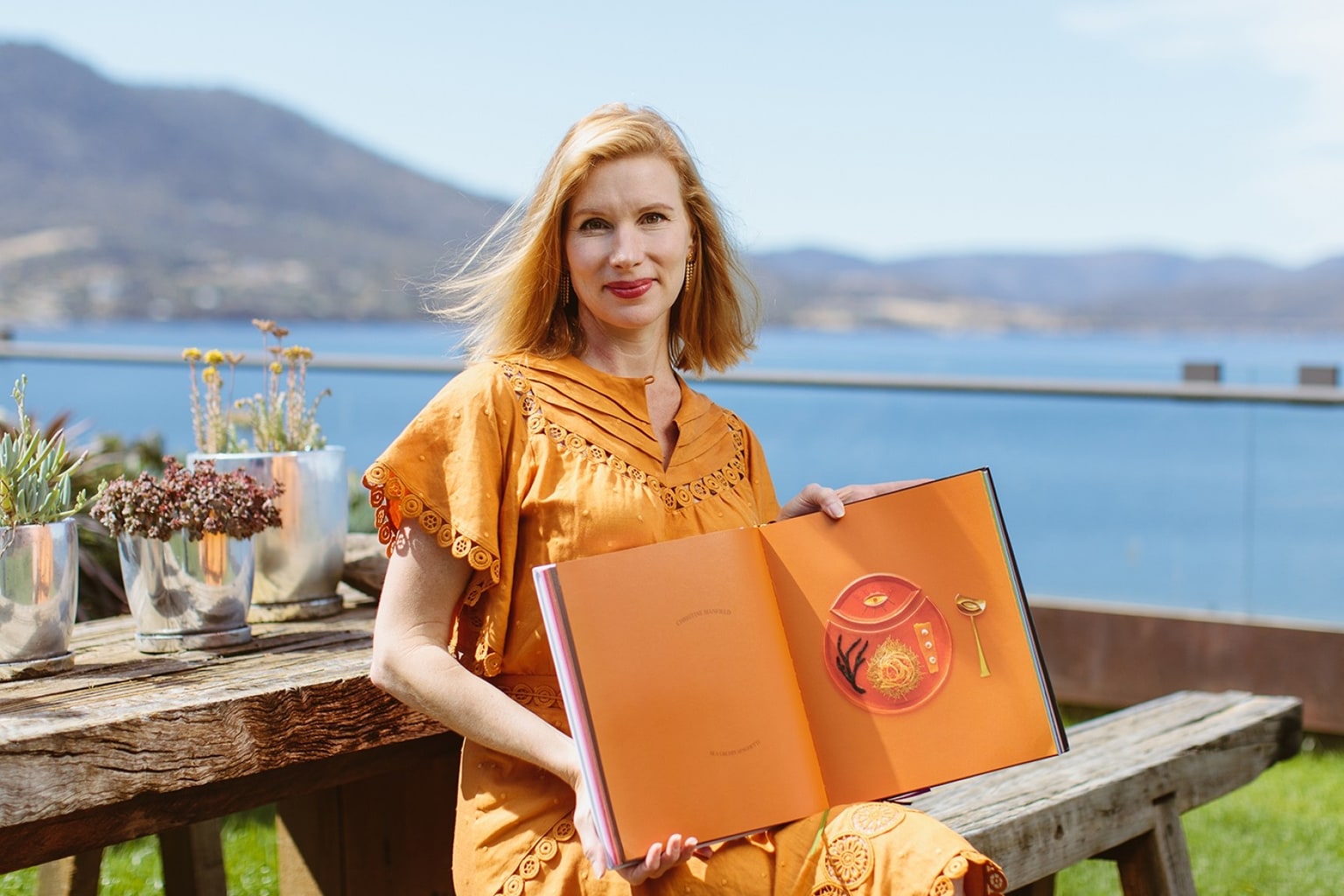
Her MONA exhibition and book Eat the Problem focused on invasive species, with recipes for cane toad, wild boar and rabbit.
“Kirsha has a way of making people look at food differently and that’s what this year’s program is all about,” Blacklock said.
“Power, policy, climate and community all shape what ends up on our plates and Conversations brings together people who are thinking hard about that from every angle.”
The speakers also include Afghan-born writer Durkhanai Ayubi, Queensland farmer Krystal Caton and sociologist and food justice advocate Kiah Smith. Emma Lee will reflect on the difference between food solidarity and food sovereignty.
Karin Grosstessner-Hain will speak on the modern wine industry as part of a delegation from Kelowna in British Columbia, Canada’s first UNESCO City of Gastronomy. The delegation is attending through Launceston’s own UNESCO City of Gastronomy partnership.
Blacklock said the Kelowna delegation, which is attending for the first time, “brings an international voice to the day”.
“[It] shows the conversations happening in northern Tasmania matter well beyond our shores,” she said.
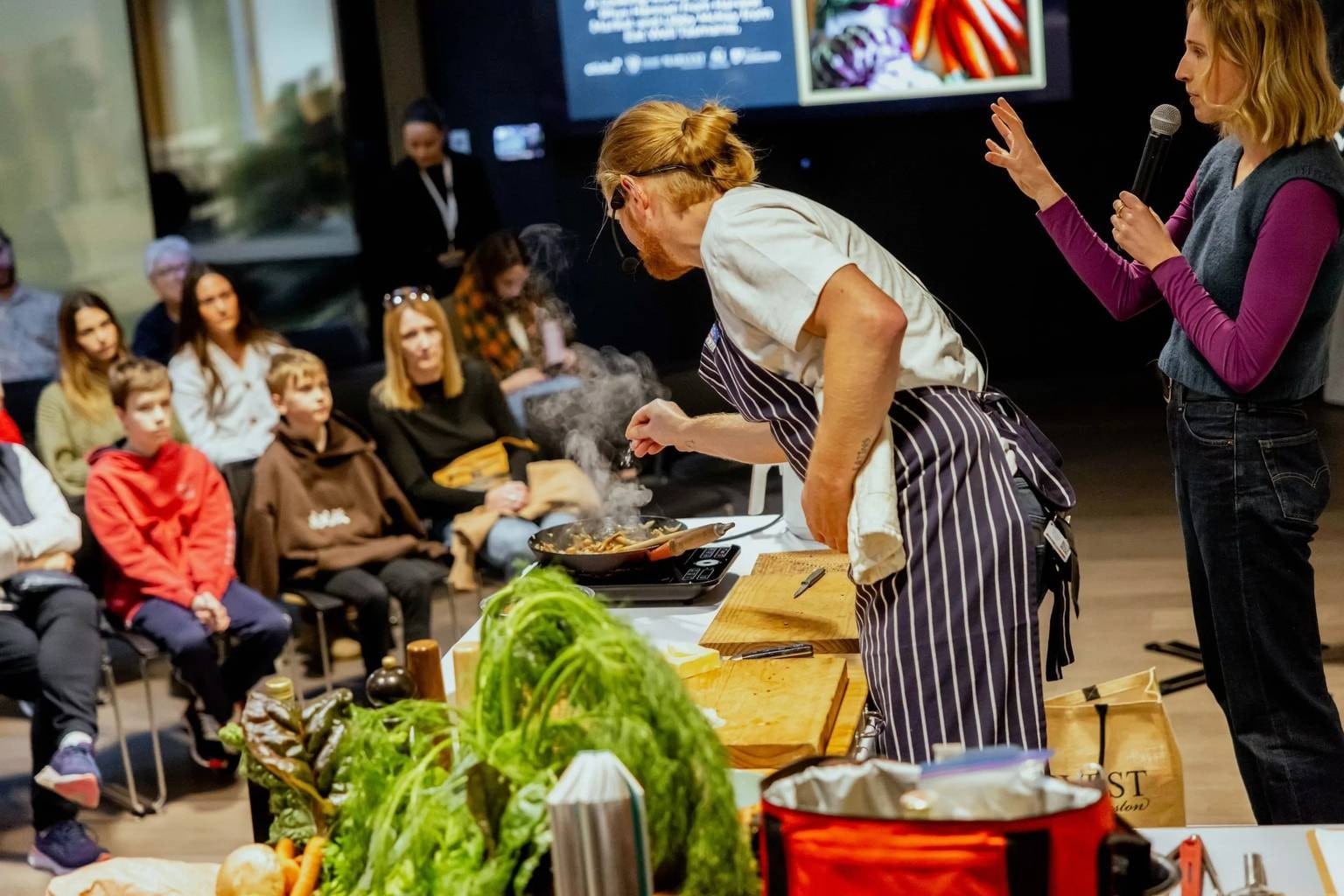
Now in its sixth year, agriCULTURED runs across Launceston and northern Tasmania from November 5 to 8. The state government is contributing $600,000 over three years to support the festival.