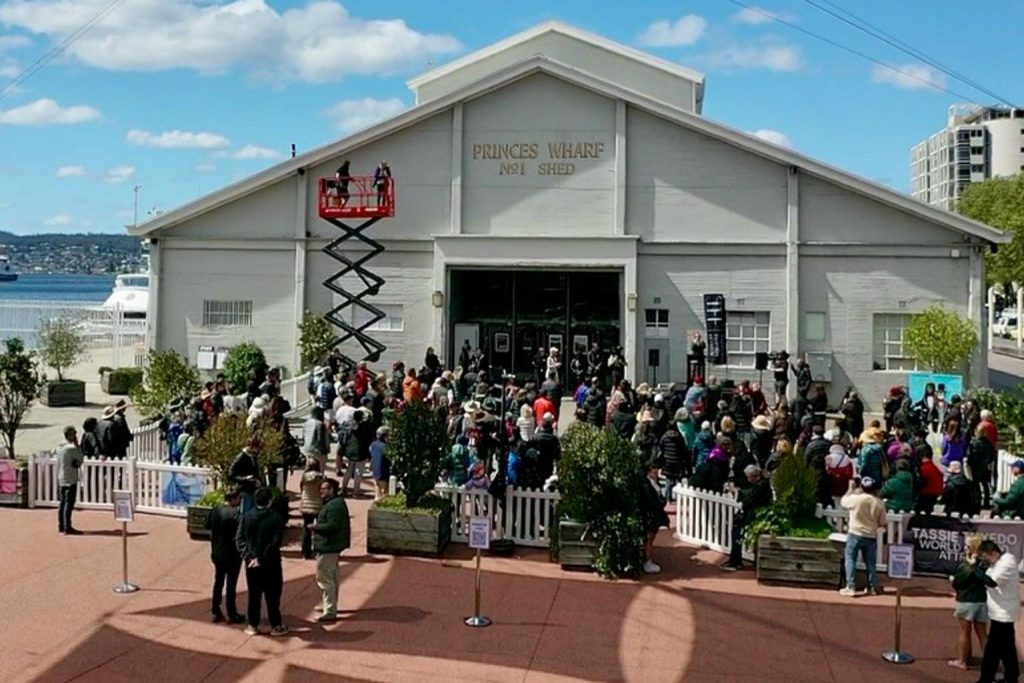
Hobart’s Museum of Old and New Art is about to get bigger, with a new wing set to open in June after four years of construction and what the museum says was “ten years of headaches”.
The centrepiece is a sprawling library that will house founder David Walsh’s collection of rare books, maps and other curiosities, alongside major artworks by some of the world’s most prominent contemporary artists.
Walsh said he’s always been passionate about books and libraries.
“I was always all-in on books and libraries,” he said.
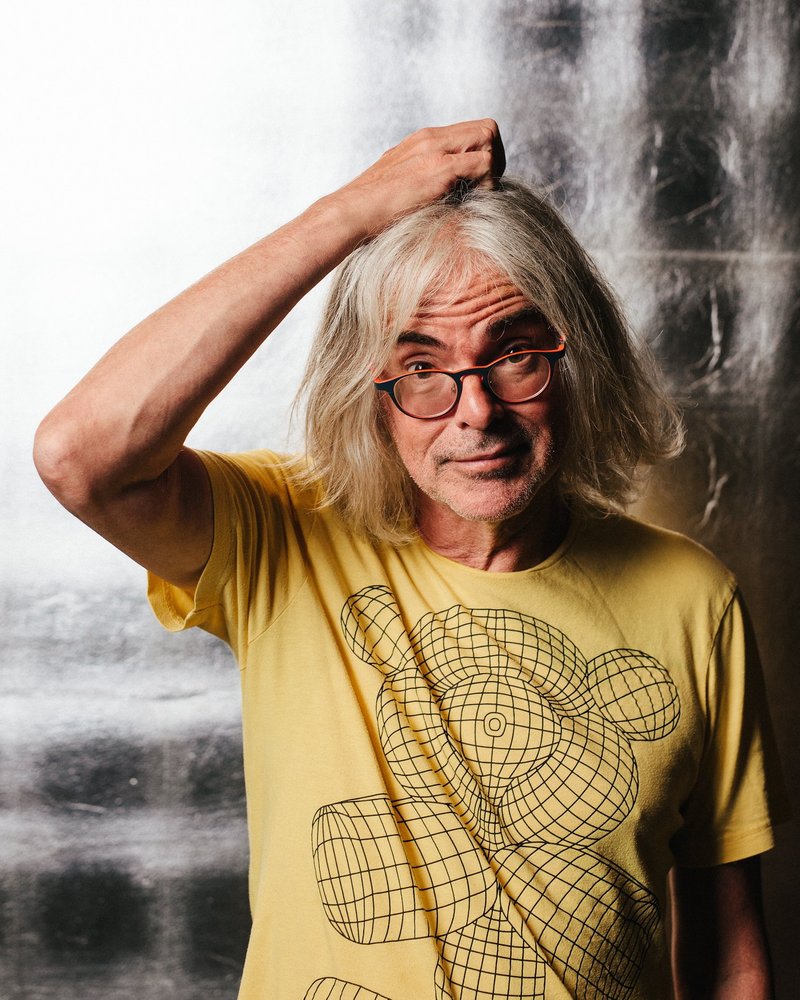
“My first library card was the great leveller, the thing that gave impoverished child-me a chance to seek.”
The library has been dubbed the Phrontisterion, a word coined by ancient Greek playwright Aristophanes meaning “a thinkery.”

A museum spokesperson said they will treats books as objects that can be curated rather than following traditional classification systems.
Mona’s librarian Mary Lijnzaad said the collection reveals a lot about Walsh himself.
“If you want to know what David is really like, browse his bookshelves,” she said.
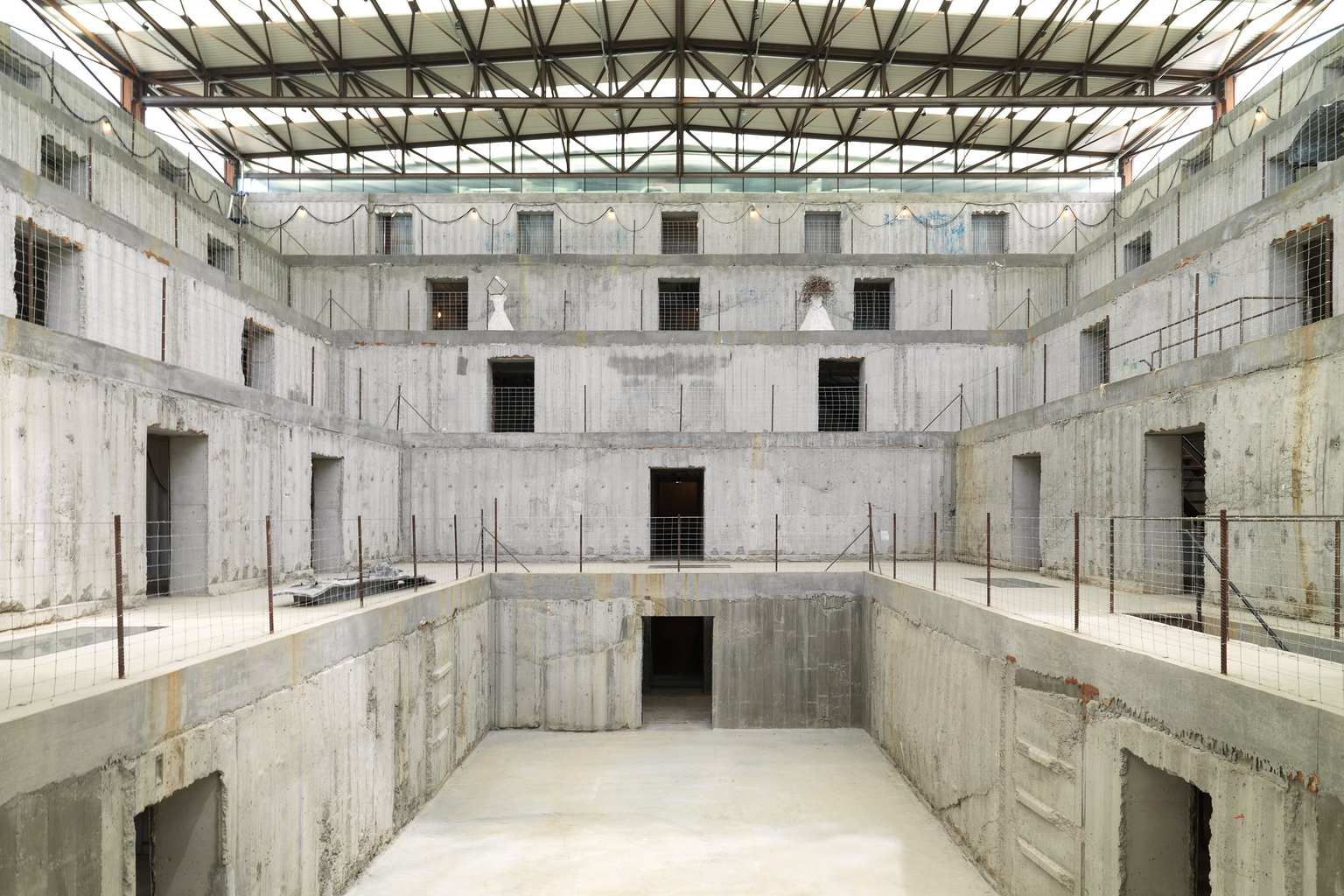
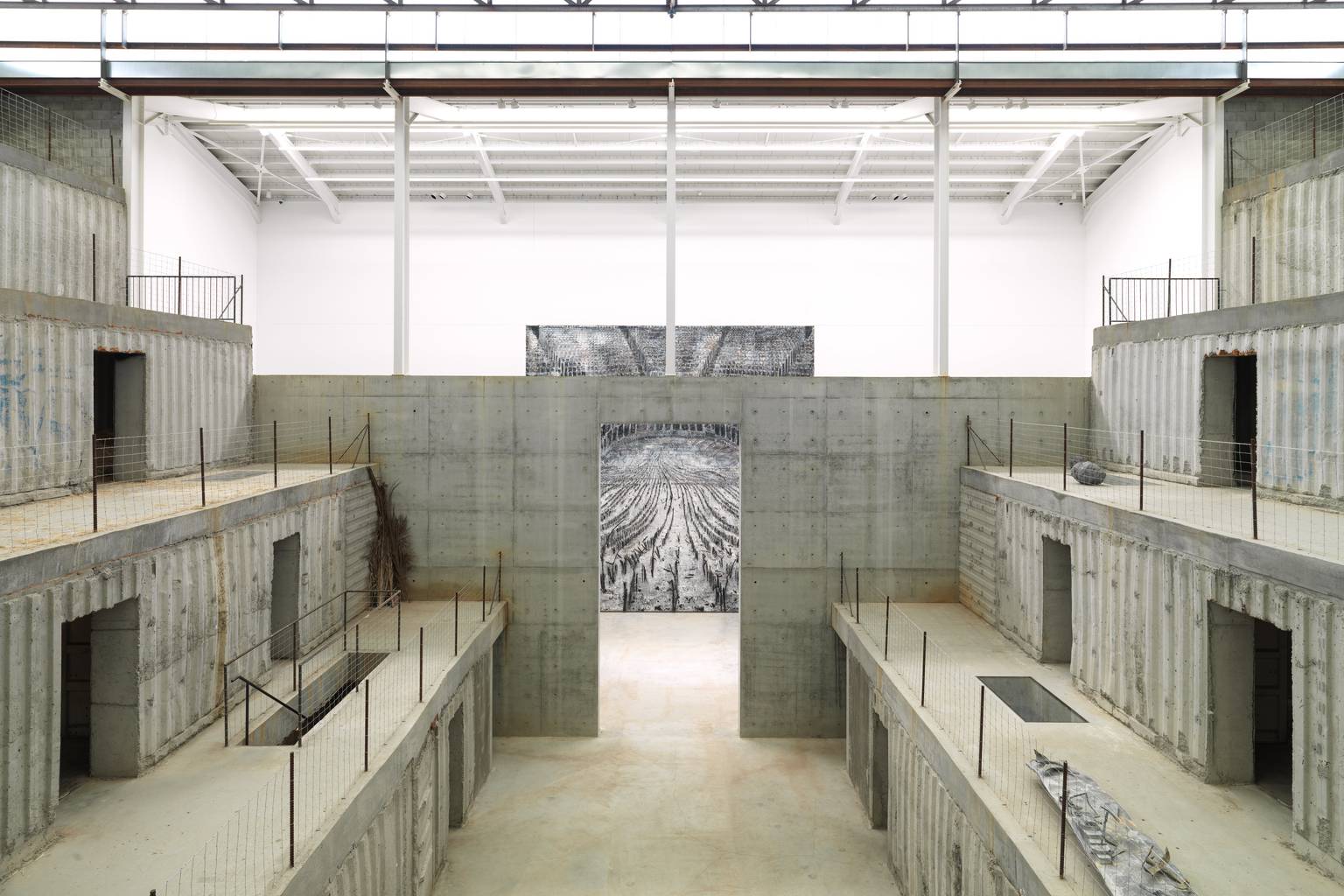
The Phrontisterion sits beneath Elektra, a monumental amphitheatre by German artist Anselm Kiefer, originally built at his studio in southern France.
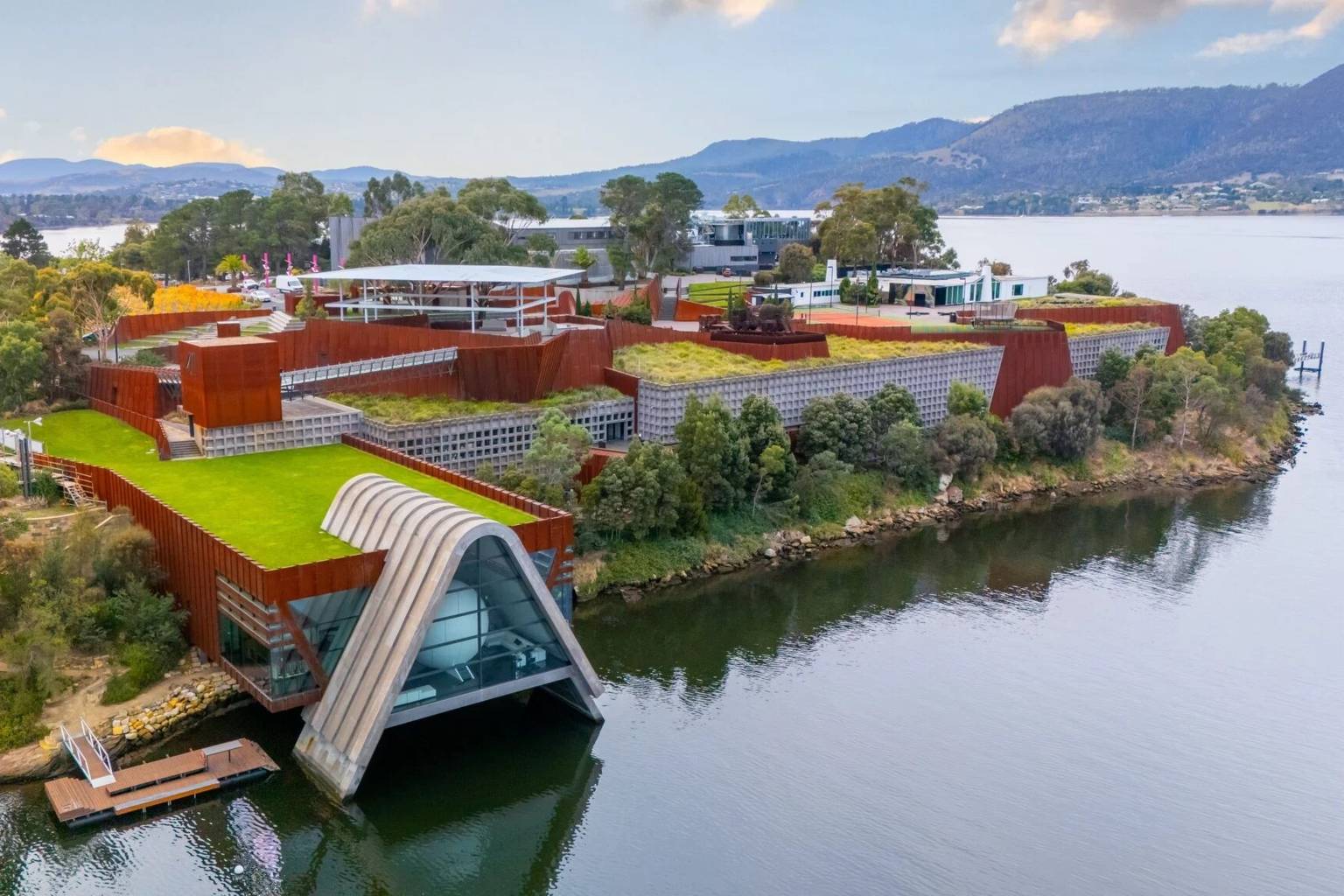
It is connected to MONA’s existing buildings through tunnels carved into the sandstone, with Kiefer’s sculptures and paintings installed throughout.
“I like this idea to have Barjac on the other side of the globe,” Kiefer said.
“It’s fantastic. It contradicts the laws of gravity.”
The new wing will also house Breathe, a permanent installation by Julian Charrière that invites visitors to breathe air that’s never been breathed before.
Charrière’s solo exhibition Hard Core will run at Mona from June 6, 2026 to April 5, 2027.
The artist said the work involved extracting 2.4-billion-year-old oxygen from ancient rock.
“We had to learn how to dislodge 2.4-billion-year-old oxygen from red-banded iron ore formed during the Great Oxidation Event,” he said.
“[It was] a technically demanding process involving years of scientific collaboration, the building of a chemical reactor, and sourcing ancient material from the Pilbara region of Western Australia, formed in Proterozoic seas during the rise of oxygen likely driven by early cyanobacteria.”