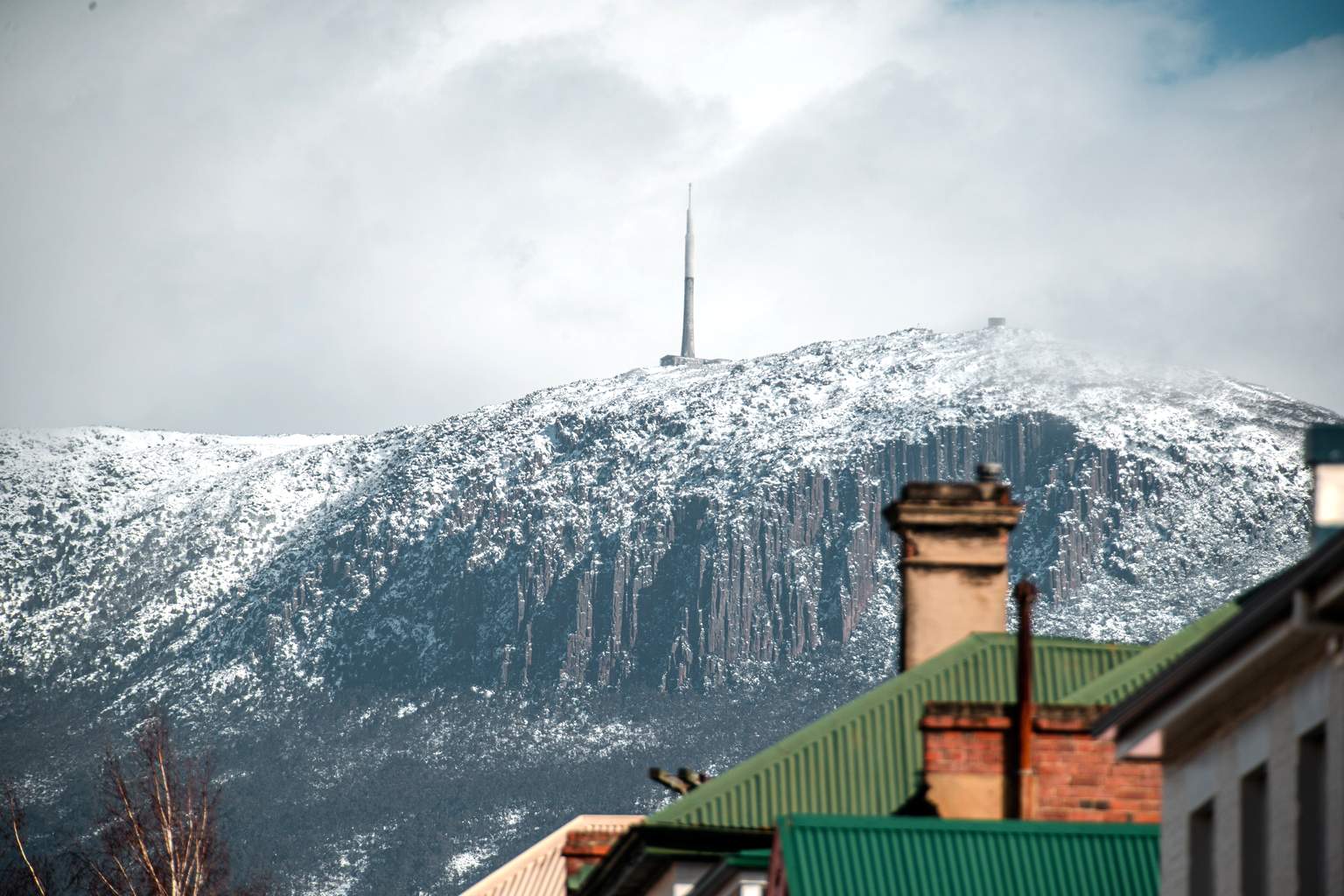
A long-delayed Tasmanian government review has found Kunanyi/Mount Wellington is “not currently managed to the high standards expected” by locals and visitors.
The Kunanyi/Mount Wellington Action Plan was released today by Business, Industry and Resources Minister Felix Ellis.
It is more than a year late and follows a three-stage review that drew more than 9,000 responses.
Wellington Park is made up of 14 separate land parcels owned by the Hobart City Council, Glenorchy City Council and the Crown.
The Wellington Park Management Trust holds strategic oversight but owns no land.
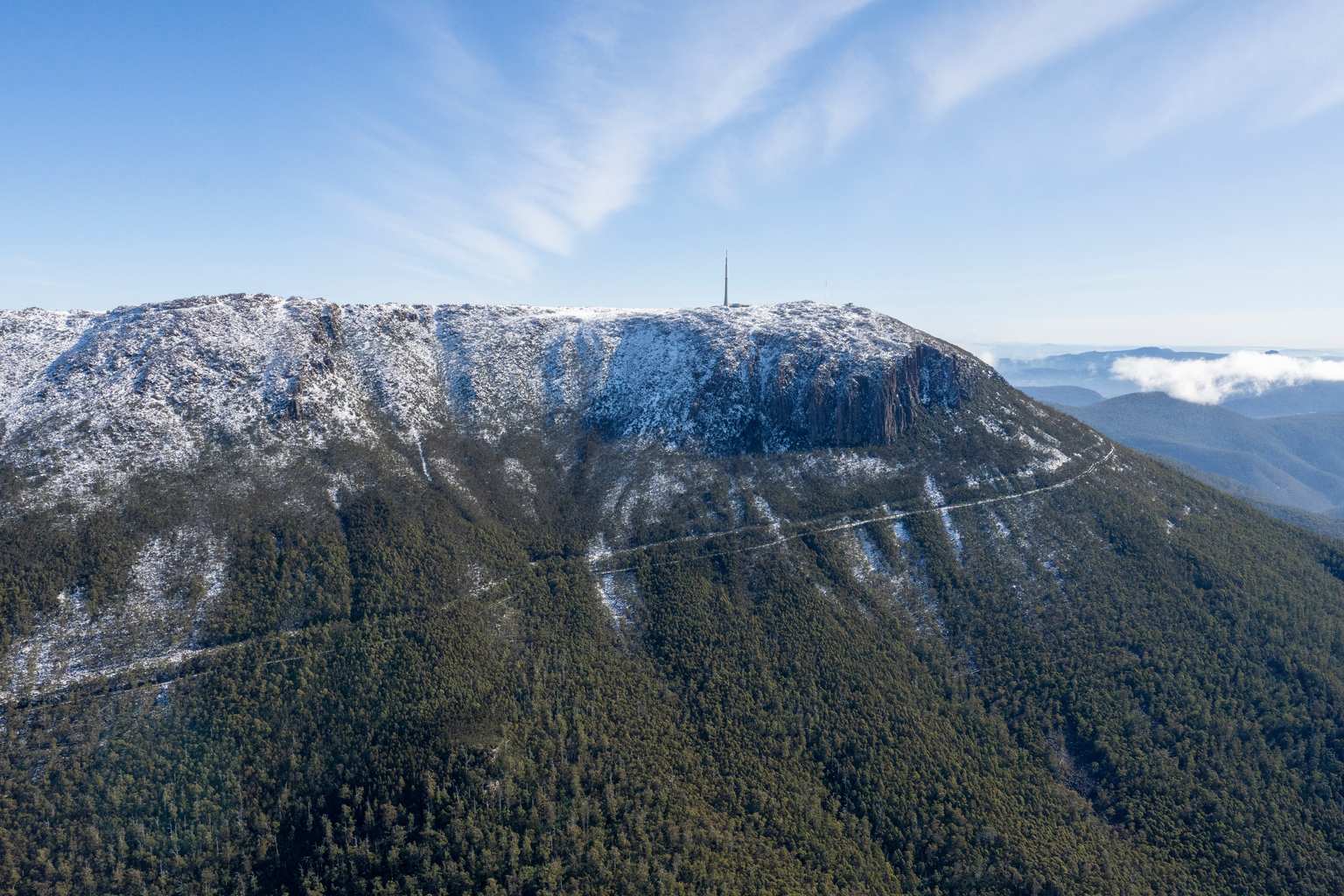
The plan says that arrangement leaves management roles and responsibilities “unclear”.
Without a single authority responsible for monitoring and acting on threats, it says, “risks can go unaddressed and may lead to irreversible or devastating consequences”.
The plan recommends consolidating all park land under a new managing authority, replacing the trust after 35 years.
That would require amendments to the Wellington Park Act 1993, which the government says is its first priority.
“By establishing a new managing authority we can make sure it has the right powers and functions to manage the mountain effectively and in a strategic and coordinated way,” Ellis said.

“We will put in place this new independent managing authority based on experience and expertise.”
The board would have a ministerially appointed chair and three skills-based appointments, including Tasmanian Aboriginal representation.
It would also include one member each from the two councils, the state environment department and TasWater.
The transfer would involve significant assets. The Hobart City Council manages $84.3 million in assets inside the park, including Pinnacle Road. Glenorchy holds about $17.2 million, mostly fire trails.
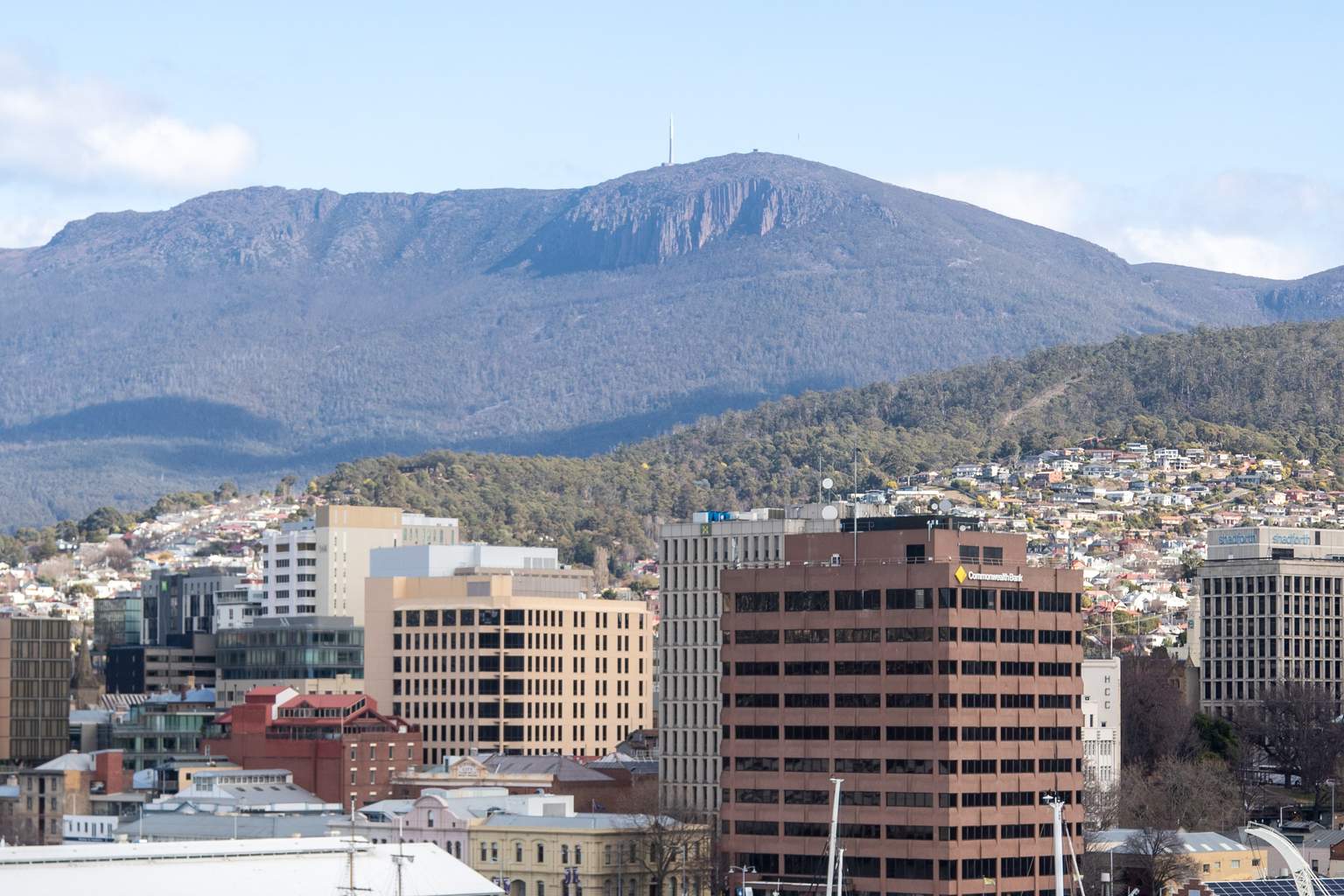
The plan rejects reserving the mountain as a national park, saying its diverse values and mixed uses do not fit “neatly within an existing reserve category” and instead suggests “bespoke legislation”.
The review found the park runs at a deficit of about $259,000 a year.
It is funded largely by Hobart and Glenorchy ratepayers, TasWater and the state government.
The plan, talking on a user-pays model, says the current access arrangement “is not truly free” and that interstate and overseas visitors contribute very little.
“A user-pays model could reduce upward pressure on municipal rates, more fairly distribute the cost between locals and visitors and ensure the managing authority is appropriately resourced to look after the park,” it reads.
Early modelling prepared for the trust suggests a user-pays system could raise about $6 million a year.
The plan says any model could be designed to keep walking and cycling access free and apply charges only to vehicles.
It notes charging Tasmanians a lower rate than other Australians would be unconstitutional.
The plan takes no position on a cable car.
It says many people who took part in consultation would support one and many others are opposed.
It says it is “not possible to definitively determine the impacts” of a cable car on Pinnacle Road use.
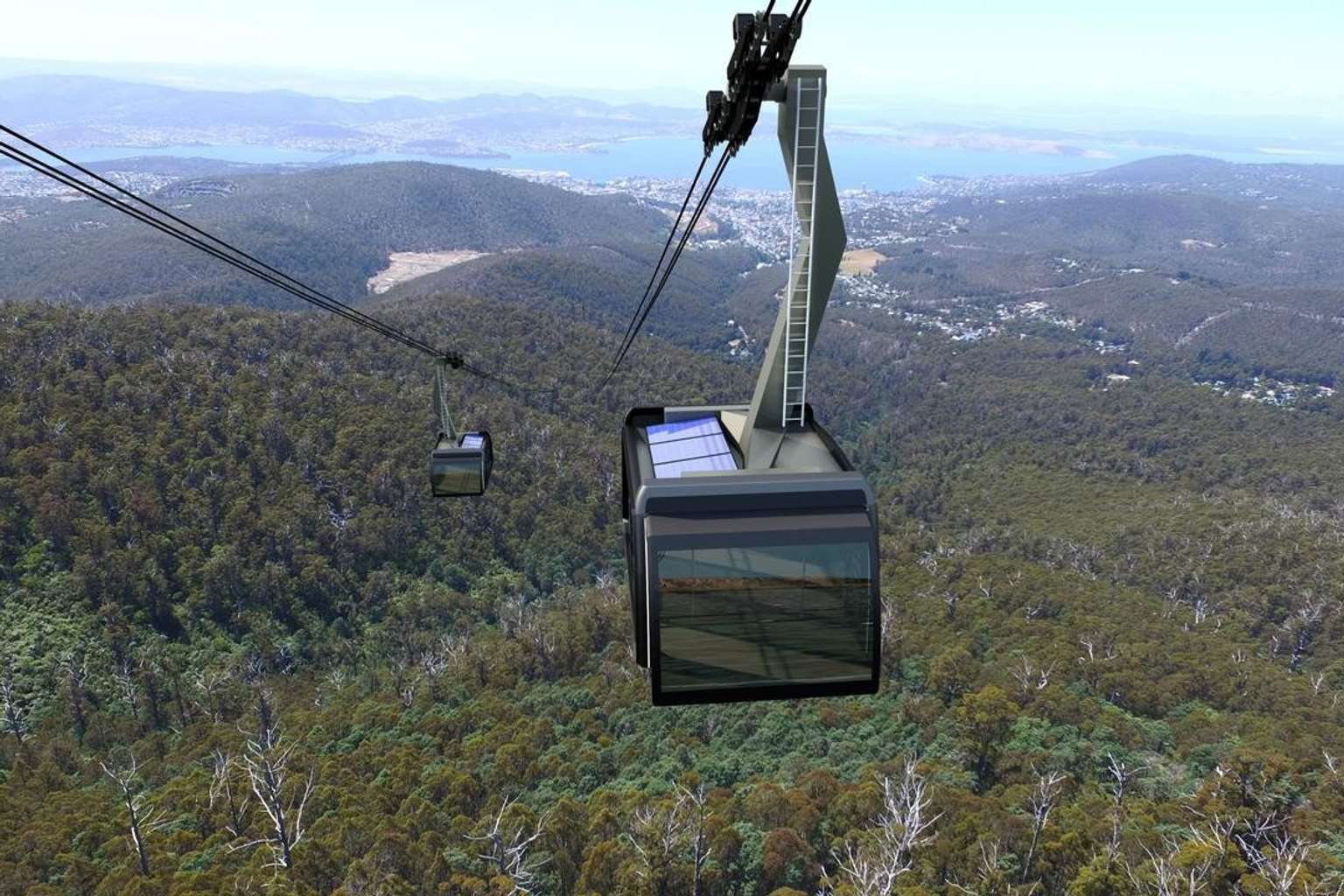
“It is uncertain how much a cable car would impact overall visitation to the mountain or use of Pinnacle Road,” the plan reads.
“For example, if a proposal were accompanied by new visitor facilities, this could attract additional visitors, which may increase demand on Pinnacle Road.”
It recommends the new management plan set “clear parameters” against which individual proposals can be assessed.
The plan also lists a series of opportunities the new authority should consider when drawing up a master plan for the park’s facilities.
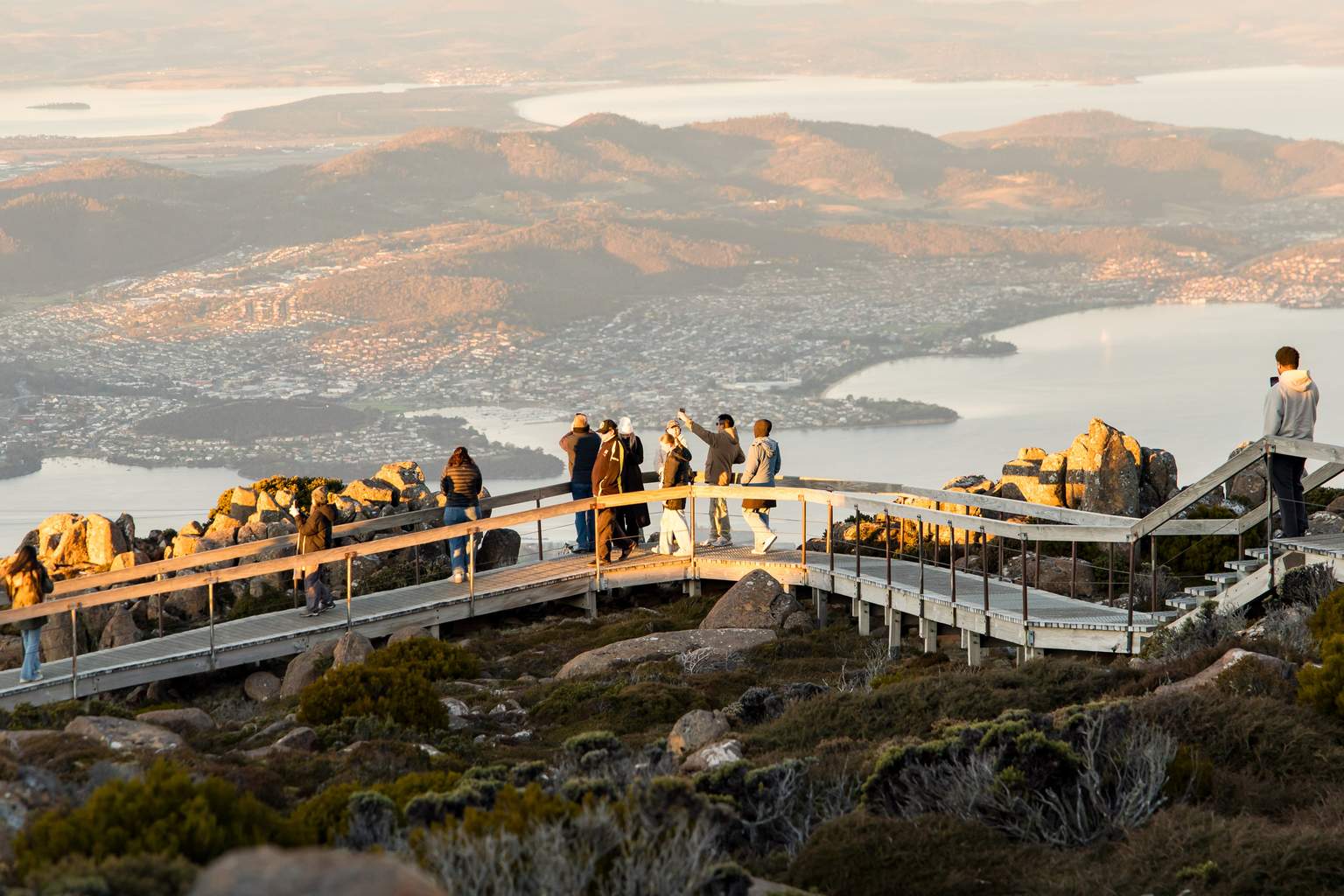
They include upgrading trails, boardwalks, amenities and transport stops to improve access “for people of all ages and abilities”.
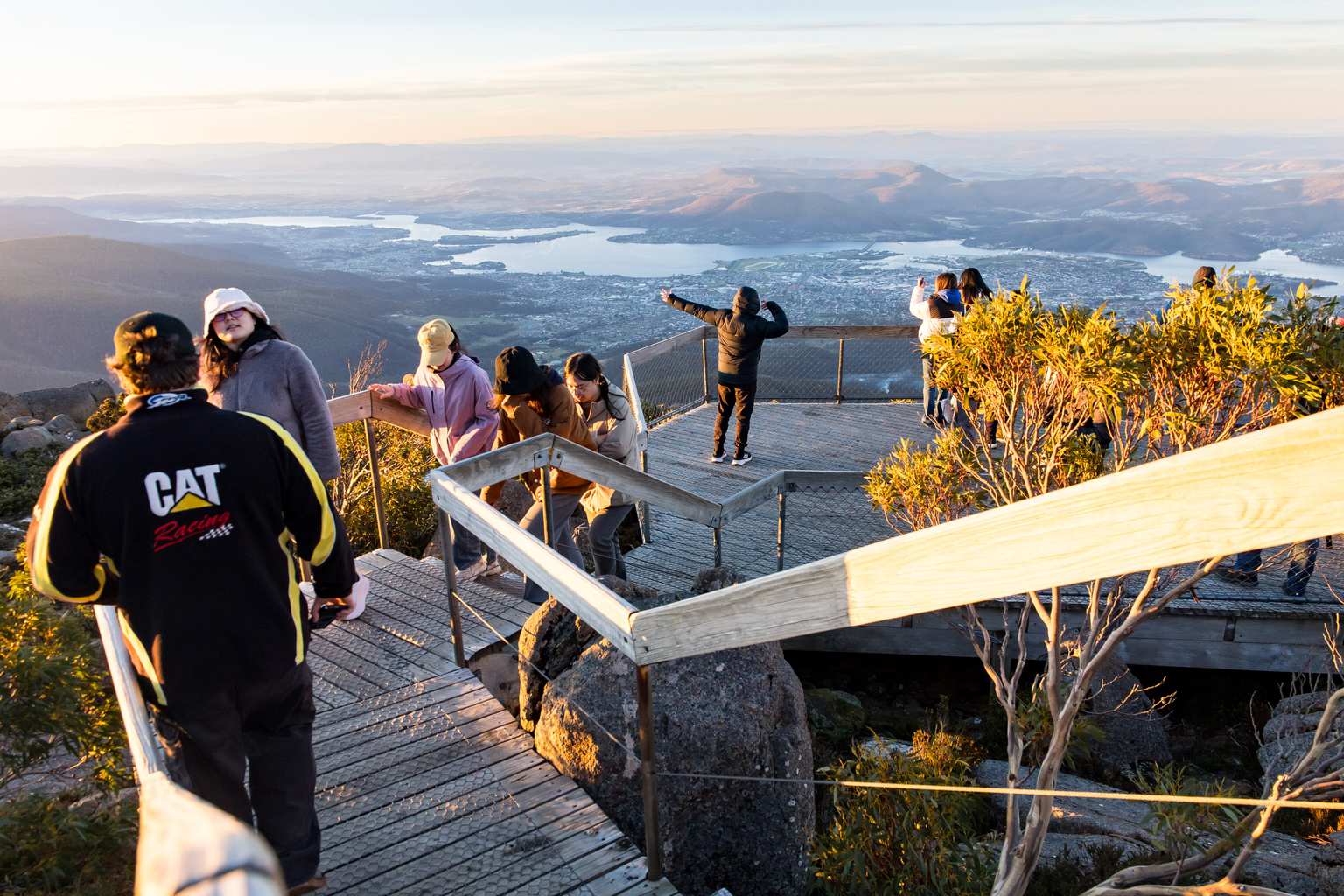
It calls for better basic amenities at The Springs and the Pinnacle, including toilets and shelters and for power and drinking water to be installed at The Springs.
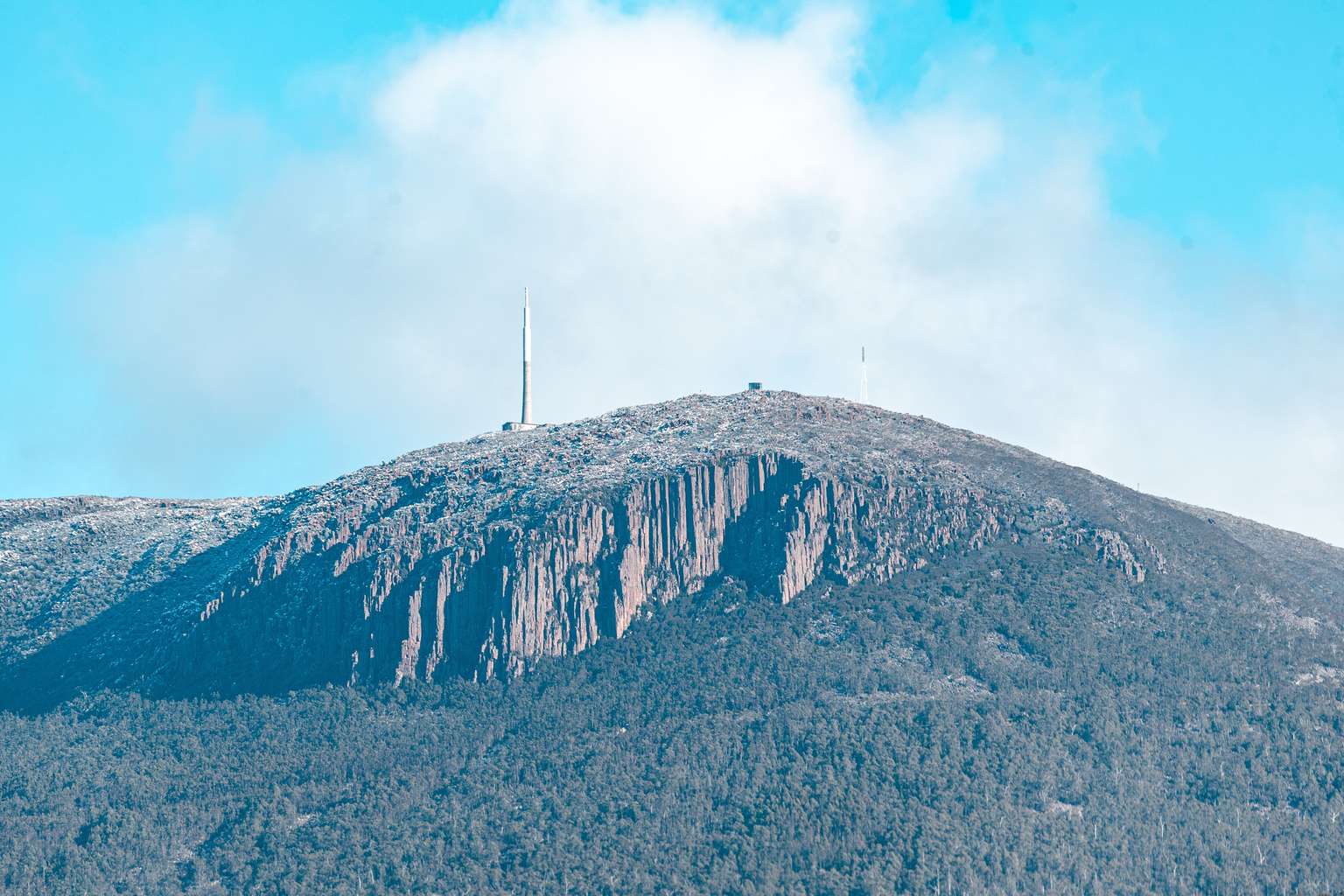
The plan also recommends consolidating telecommunications infrastructure and removing the ageing lattice tower at the summit “to improve safety and summit visual amenity”.
It says the ongoing use of Pinnacle Road “is necessary” and requires supporting visitor infrastructure such as shelters and information.
“Progress may be gradual, but with a strong planning framework, clear priorities and a commitment to protecting the park’s values, visitors should see steady improvements over time,” it reads.
The plan supports the Hobart City Council’s proposed Halls Saddle visitor hub at a disused quarry near Fern Tree, listing it as a high-cost, medium-term action without a figure attached.
“The proposal is an exciting opportunity to enhance the visitor experience and improve access,” the document states.
“It is important to note that the Halls Saddle proposal does not preclude alternative transport solutions from being implemented, rather it supports the visitor experience.”
The council, using a $3.2 million federal grant, has since received a master plan costing four options between $15.33 million and $34.83 million.
Ellis said the mountain attracts more than 500,000 visitors each year and that access needed to happen safely and efficiently.
“This plan gives us a clear way forward for the park that sets out our aspirations while protecting what people love,” he said.
The plan’s recommendations will be implemented progressively, Ellis said, with further consultation to come at key stages.
The Hobart City Council says it will closely examine the review as it considers what the recommendations could mean for the future management of the mountain.
“It is important that future management arrangements recognise both the scale of dedication required to maintain the mountain and the benefits it provides well beyond the City of Hobart municipality,” Acting Lord Mayor Zelinda Sherlock said.