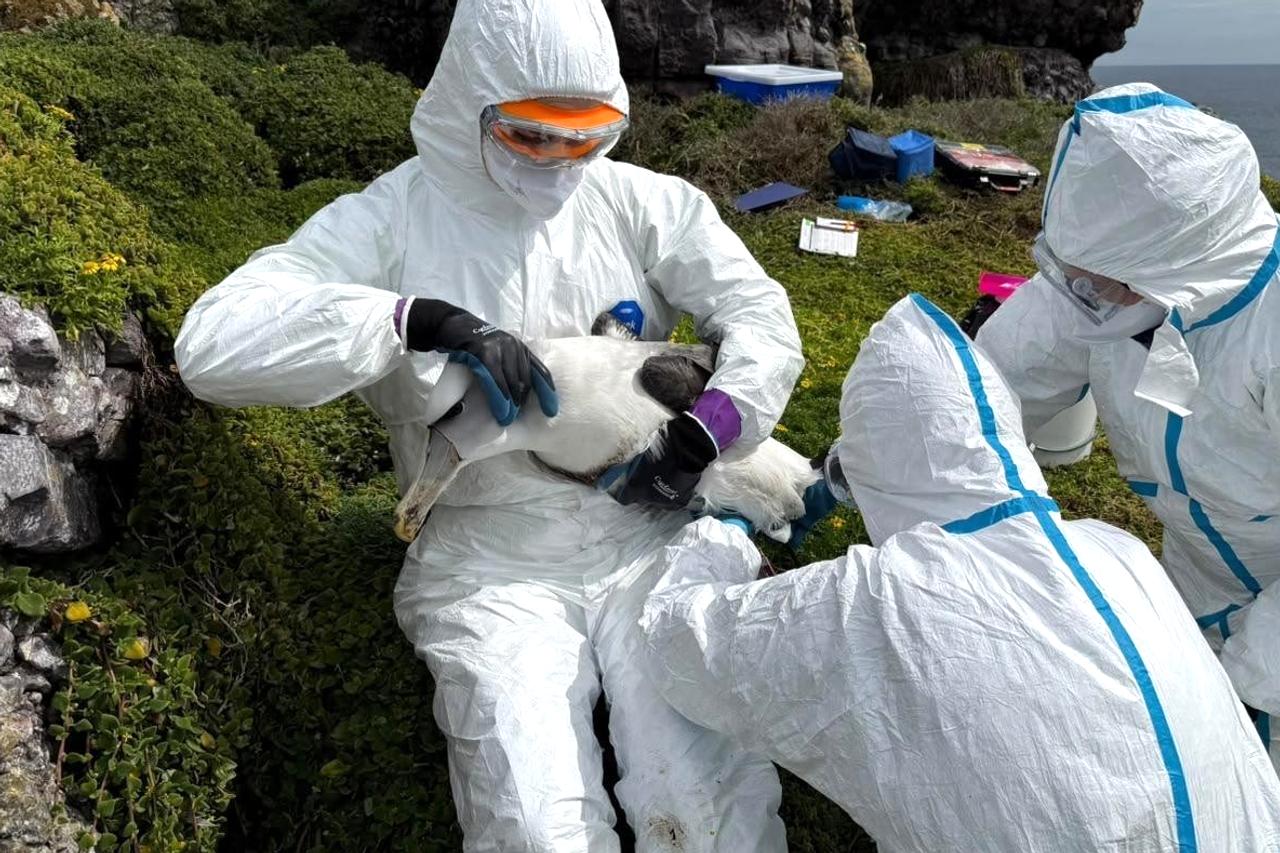
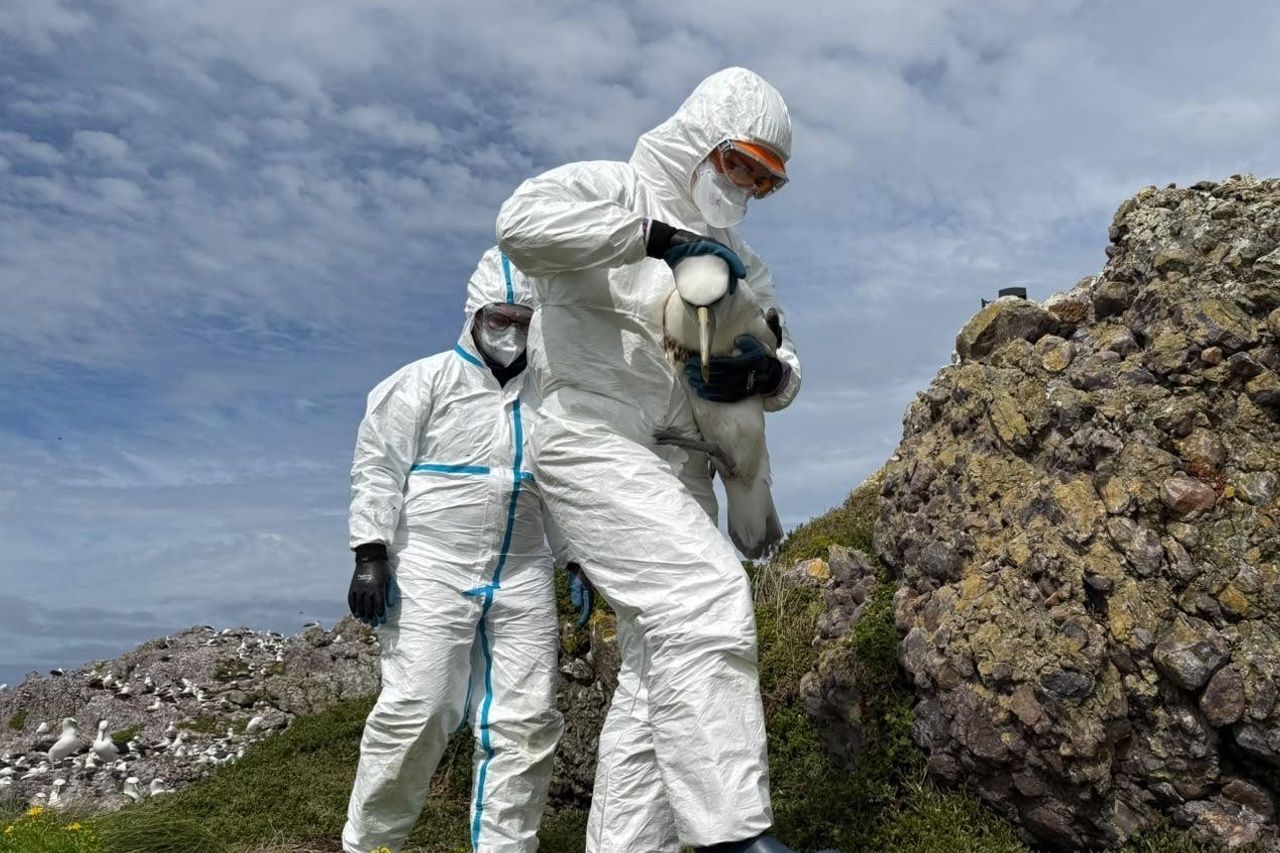
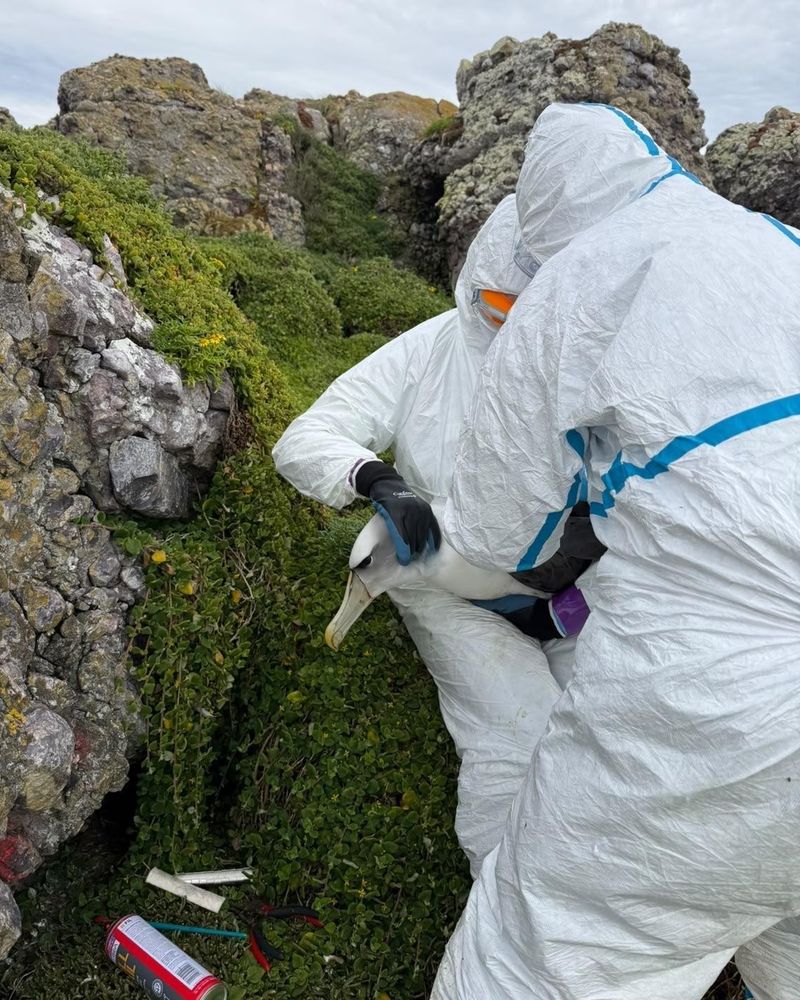
Wildlife vets and seabird biologists have started vaccinating Tasmania’s shy albatross against H5 bird flu, in what the Department of Natural Resources and Environment says is the world’s first known attempt.
The threatened seabird breeds only on three remote Tasmanian islands. It is considered highly vulnerable if the disease reaches its breeding colonies.
Up to 100 birds on Albatross Island in western Bass Strait will be vaccinated, depending on weather, access and whether two doses can be given safely without disturbing breeding birds.
The birds will be monitored using remote cameras and follow-up visits.
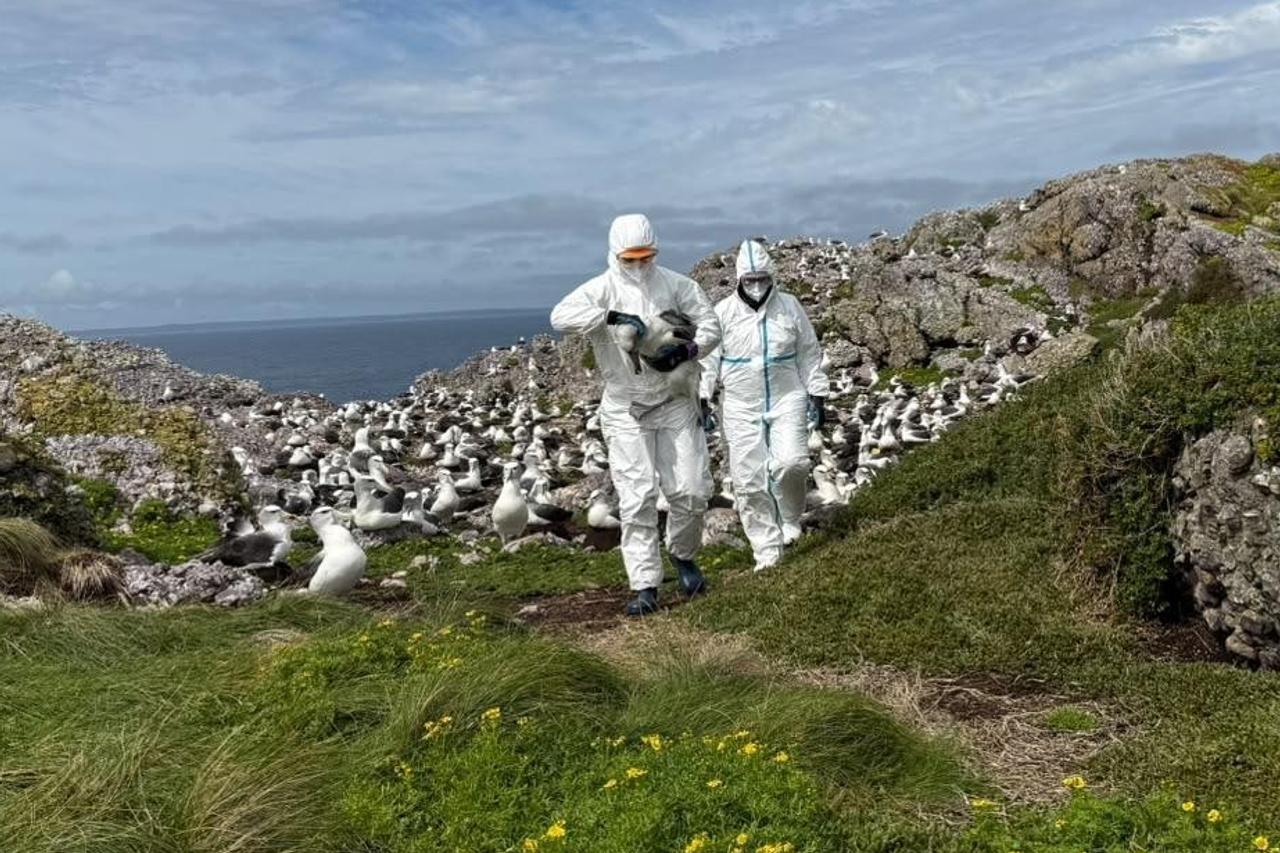
NRE said the project would help show how vaccination could protect threatened wildlife and give authorities more options in future responses.
Federal Agriculture, Fisheries and Forestry Minister Julie Collins said the work would help “build knowledge” of how best to protect vulnerable wildlife.
“Protecting Australia from H5 bird flu requires a coordinated approach across agriculture, environment and wildlife sectors,” she said.
It comes as Tasmania’s bird flu tally reaches 50 events, with four new detections confirmed since the last update on October 7.
An event is one or more confirmed cases at the same location.
The latest positives were a Pacific gull at St Helens, a greater crested tern at Bridport, a little penguin at Cooee and a black currawong on Flinders Island.
There have still been no detections in commercial poultry or backyard flocks and no mass bird deaths in Tasmania.
Bird flu was first confirmed in Tasmania in mid-August, in a brown skua found at Rocky Cape on the north-west coast.
Anyone who finds a sick or dead bird should avoid touching it, record what they see and report it to the Emergency Animal Disease Hotline on 1800 675 888.