The Office of the Coordinator-General has confirmed it is working with a company on a proposed AI data centre in Tasmania’s north-west, but has declined to reveal who is behind it.
The confirmation came after the Greens said landholders near Sheffield had been approached about selling their farmland.
Acting Coordinator-General Dennis Hendriks told a parliamentary inquiry into energy matters today that the proposal was “at an early stage of development” after questions from Greens energy spokesperson Vica Bayley.
“We are aware that there is a proposal sort of in the north-west that is moving forward,” Hendriks said.
“We’ve made some introductions to the planning authority.”
Officials confirmed the proposal was among the projects listed in documents tabled in parliament earlier this year.
The Greens say those documents describe a 200 to 300-megawatt data centre, potentially larger than Firmus Technologies’ approved development at Bell Bay.
Hendriks would not confirm the location or the company behind it.
“I really don’t know that I’m at liberty to say,” he said.
He had earlier told the committee that companies often dealt with the office on a commercial-in-confidence basis.

The committee asked for the company’s name to be provided on notice, in confidence if necessary.
Officials also took on notice questions about when they first engaged with the company and whether they had suggested alternative sites.
Asked whether the office had directed the developer to the land because of its proximity to a local substation, Hendriks said: “We didn’t point this developer to this land, as to the best of my knowledge.”
He said the office generally directed large data centre proposals towards industrial estates.
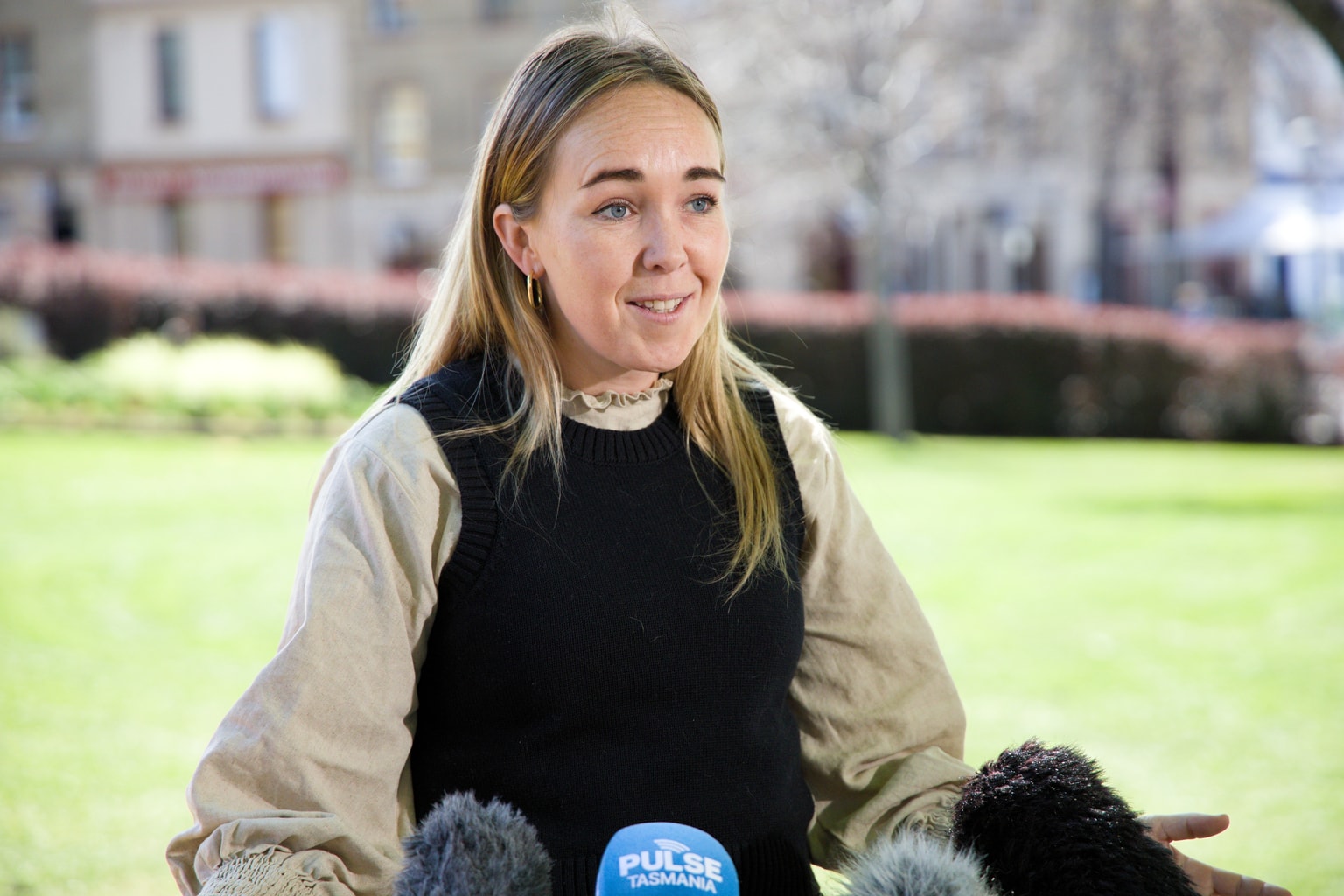
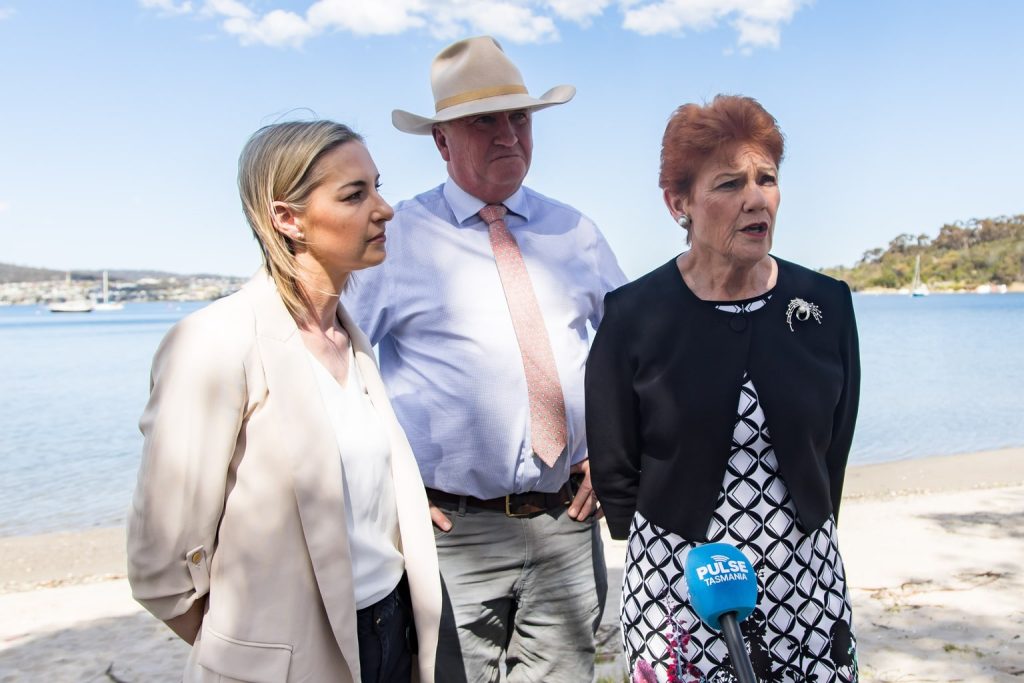
Greens MP Tabatha Badger said landholders in Nook, just outside Sheffield, had received calls from a Sydney consultancy acting on behalf of the company, asking them to sell their farmland.
“It should never come to landowners receiving calls like this to find out that there is a mega 200 to 300 megawatt data centre coming into this local community,” she said.
“All of this had been kept secret from Tasmanians and that is simply not good enough.”
Badger said the company should “come down here and speak to Tasmanians before it starts calling up people trying to buy their land”.

Based on the size of the properties approached, she estimated the site could be “over 100 to 200 hectares” and located next to a recently upgraded substation.
She said some landholders did not want to sell but feared they might have no choice.
Asked whether the Greens risked alarming residents, Badger acknowledged the project was only a proposal at this stage but said the lack of information was causing anxiety in the community.

She said Tasmanians were “overwhelmingly calling for a moratorium on all data centres until we have guardrails in place”.
Business, Industry and Resources Minister Felix Ellis said companies generally sought sites near “electrical transmission and substations” when asked whether a data centre on agricultural land was appropriate.
He said any proposal would need to go through the usual planning process, including consideration of the state’s policy on protecting agricultural land.
“I’m not going to preempt any planning processes here with the committee,” he said.
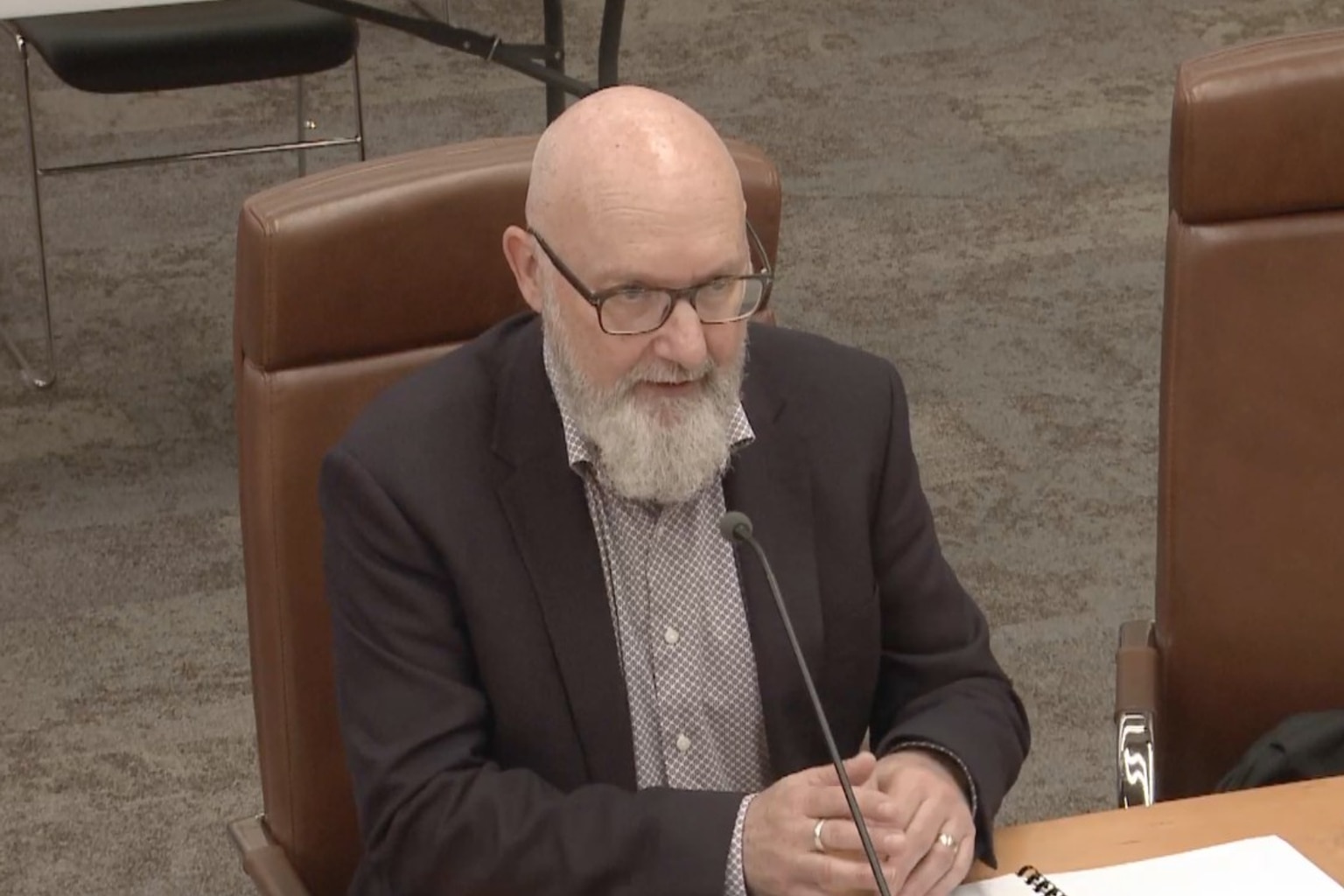
Tech sector peak body TasICT also told the committee that data centres should be built in industrial zones.
“Our view is that it’s an industrial use and should be an industrial zone,” outgoing chief executive Russell Kelly said.
Kelly said it was reasonable for companies to keep early inquiries confidential, but communities should be informed once a business case was complete and a development application was ready.