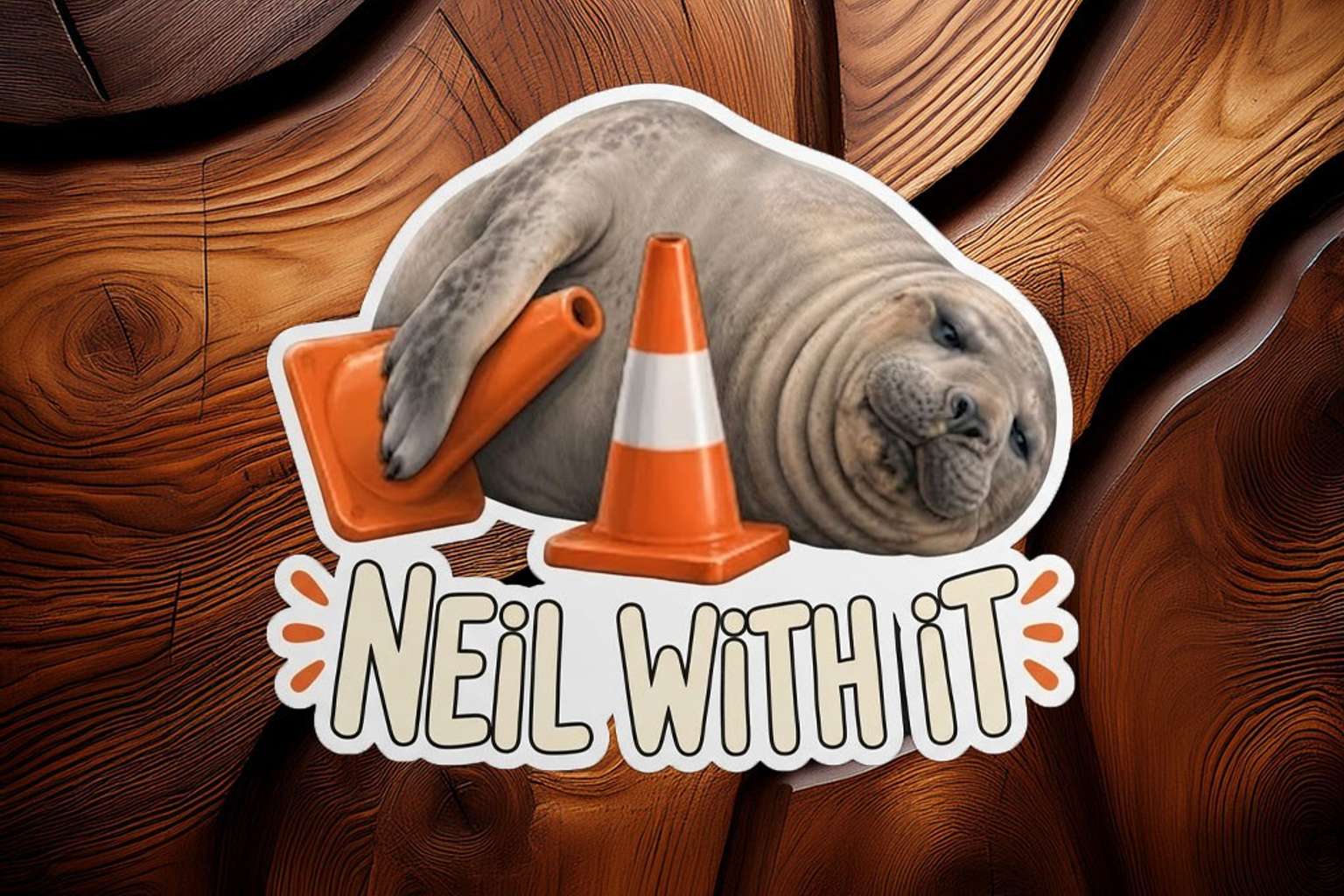
Neil the seal’s global popularity has sparked a rush of merchandise celebrating Tasmania’s favourite elephant seal, but consumers are being urged to be cautious about claims made by businesses selling his image.
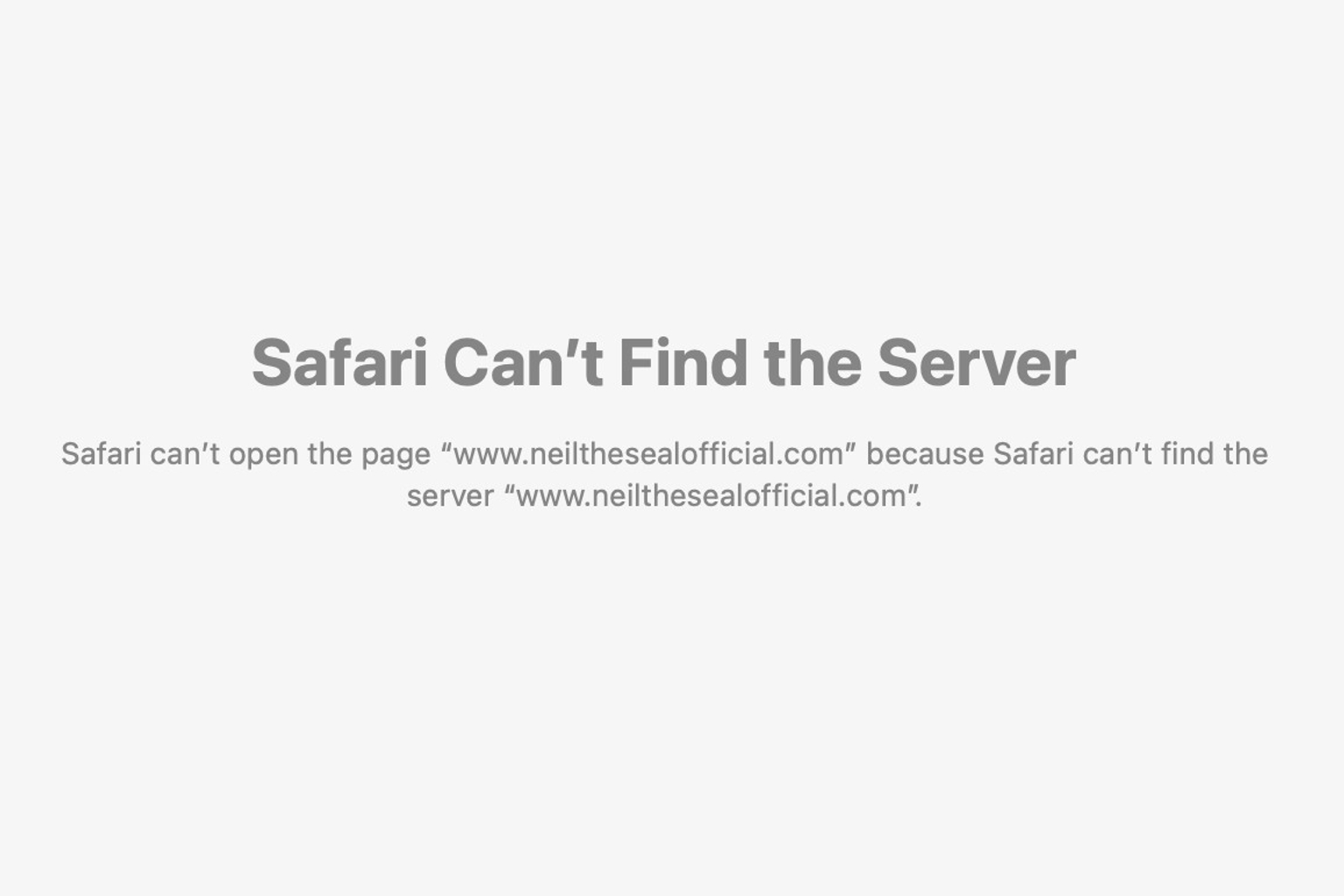
A website, neilthesealofficial.com, claimed a portion of profits would support marine conservation and listed organisations including NRE, the Australian Marine Conservation Society, WWF Australia and the Marine Mammal Foundation as groups it supported.
But those organisations claim they have had no contact with the business or received donations.
The website was later changed before being taken offline.
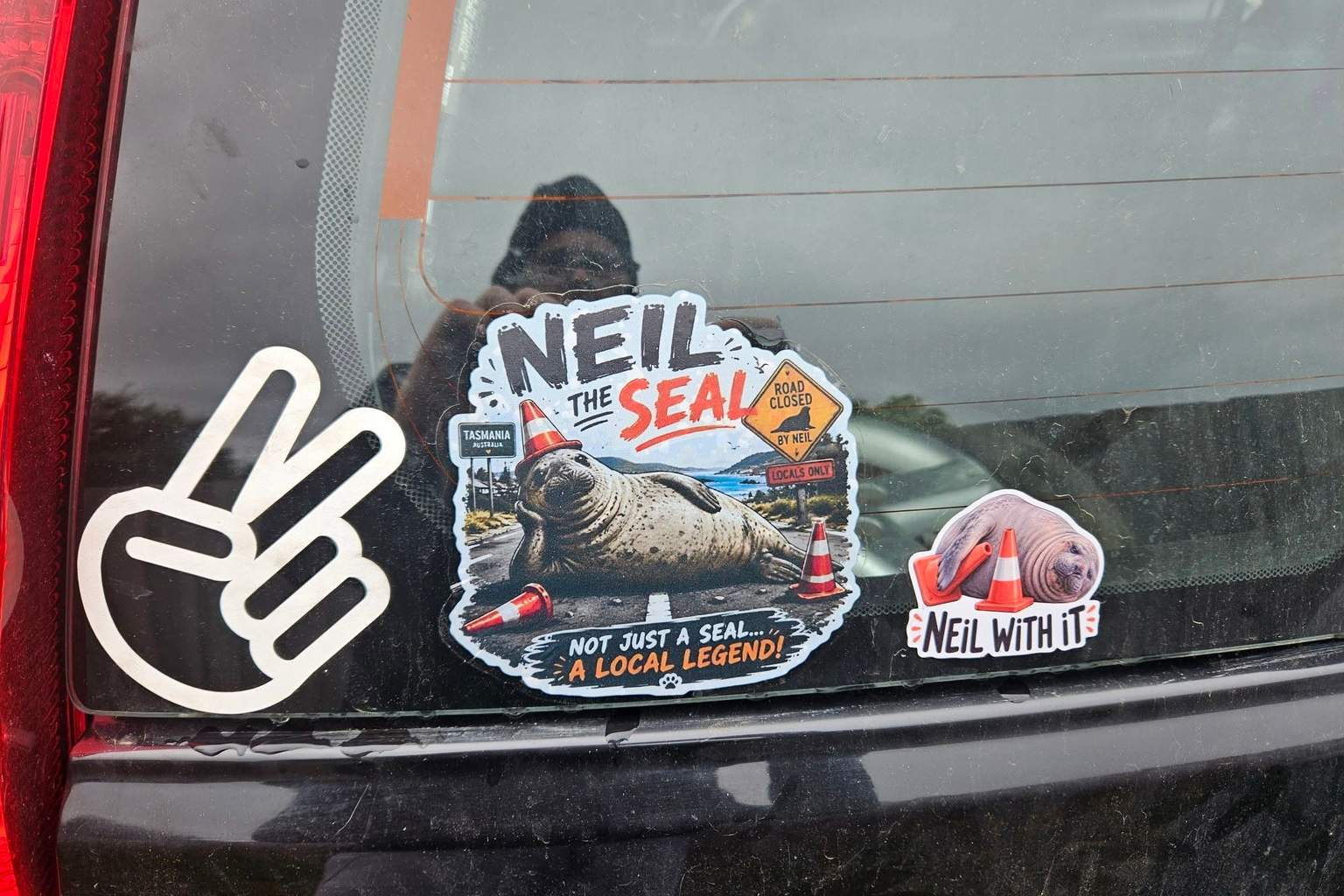
A separate website, officialneiltheseal, continues to sell Neil-themed merchandise and states its products are “Made with love in Tasmania”.
Some designs appear to have been created using artificial intelligence, although the operator behind the website has not been identified.
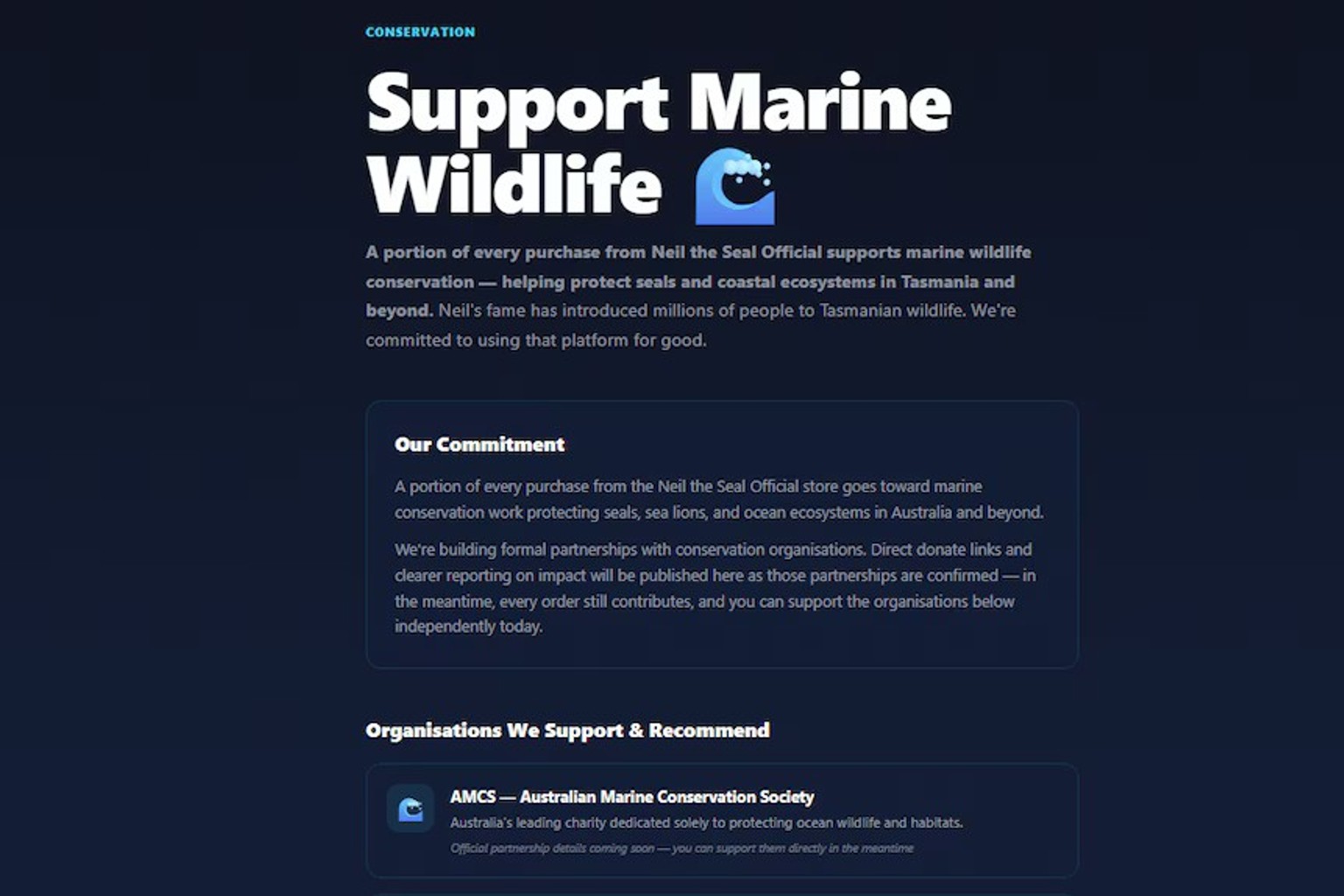
The website is registered using Icelandic domain anonymization platform Withheld for Privacy, meaning no contact information on the operator of the website is available.
The Australian Competition and Consumer Commission says businesses must ensure claims about their products or services are true, accurate and based on reasonable grounds.
It says businesses should not make misleading claims about affiliations, donations or the origins of products.
Infrastructure Minister Kerry Vincent said Neil had become a worldwide phenomenon, with growing interest from businesses looking to benefit from his popularity.
“Neil the seal has become bigger than Ben-Hur. It’s just huge. Everybody’s following it right around the world,” he said.
“Everybody’s always trying to find a way of making a profit.”
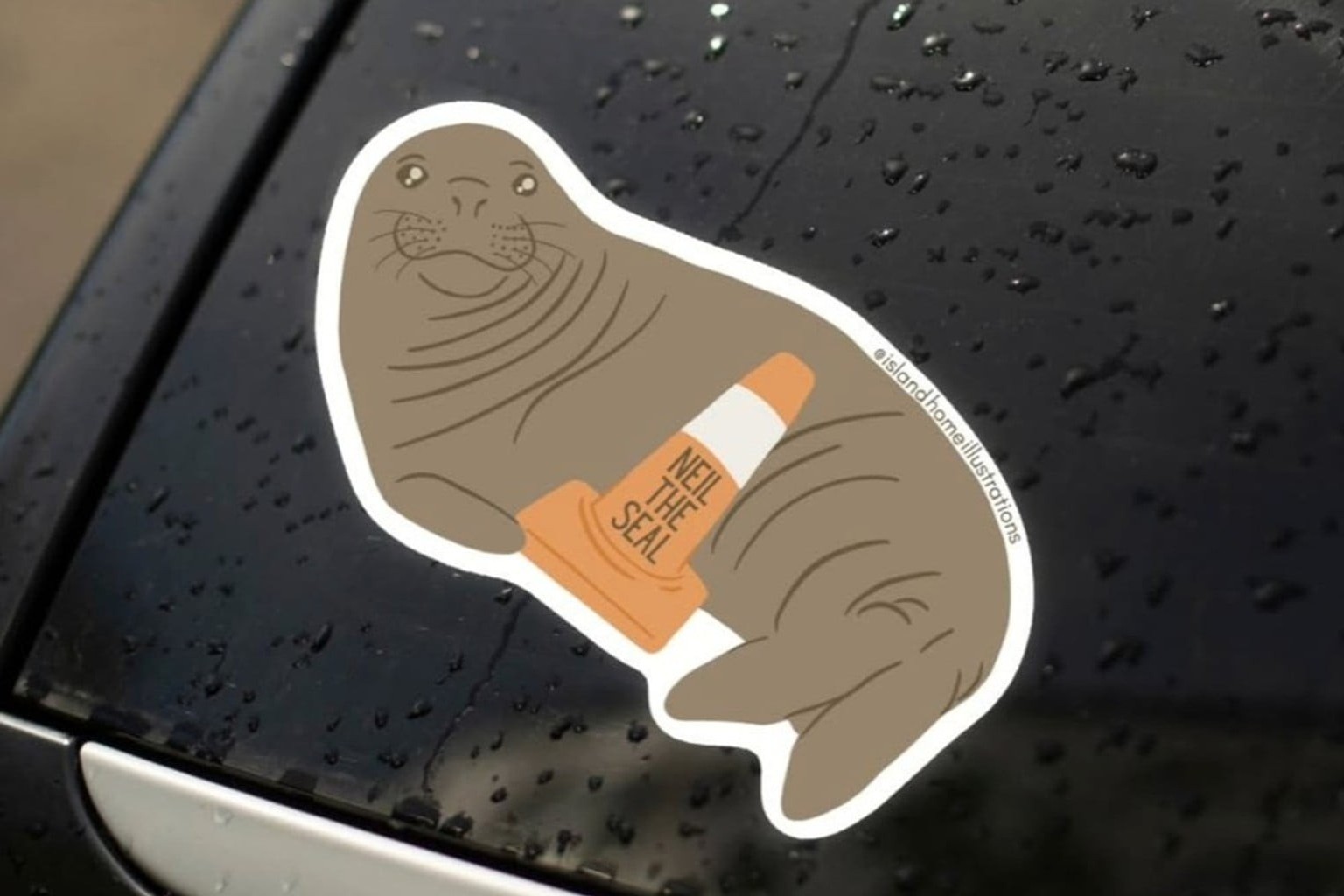
Tasmanian artist Sammy Murfet, who sold more than 500 handmade Neil the seal stickers earlier this year, is among the legitimate local creators who have tapped into the seal’s popularity.
Her recent limited-edition designs sold out in hours, with demand coming from Australia, the United States, Canada and New Zealand.
The ACCC encourages consumers who are concerned about potentially misleading claims to report them.