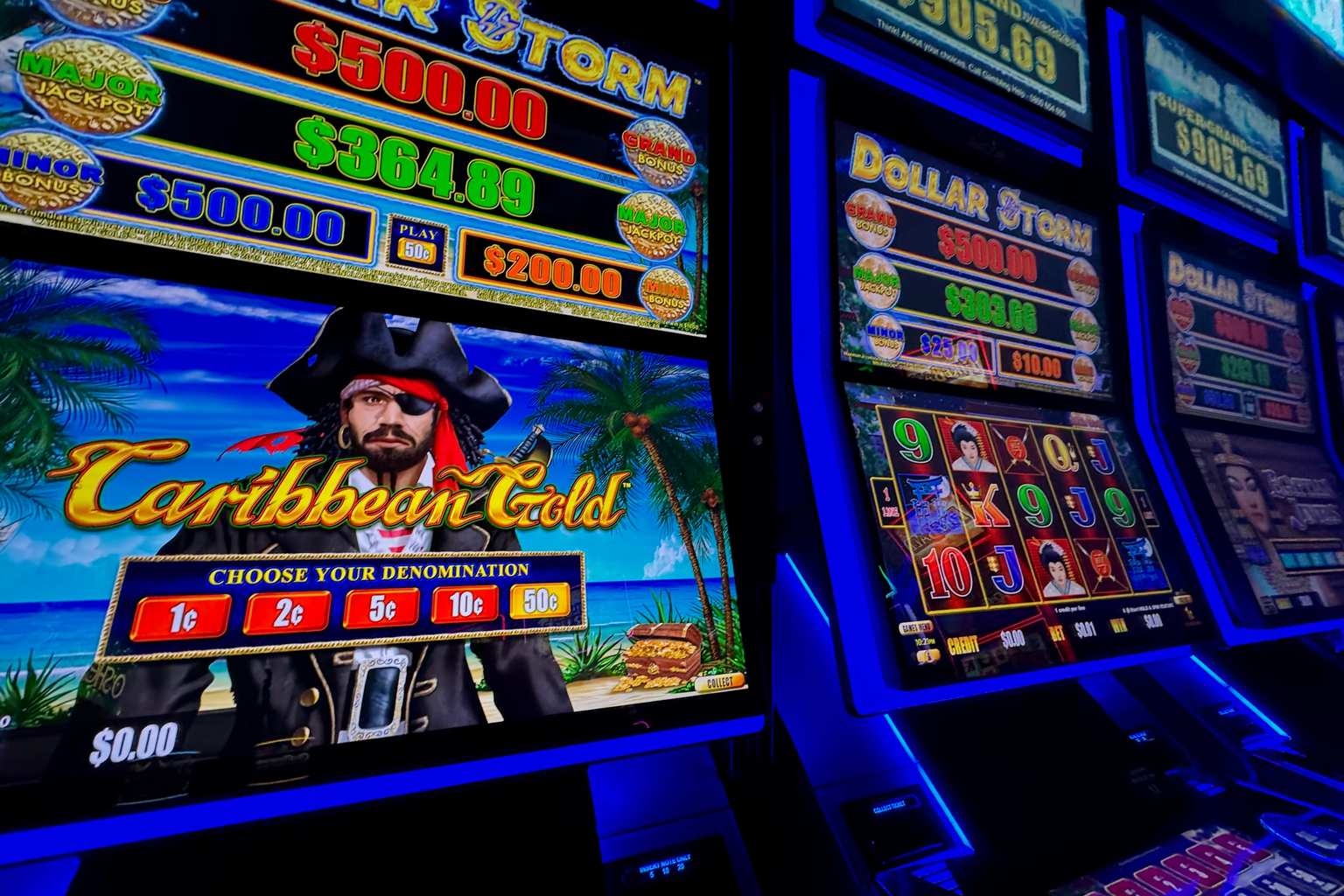
Tasmanians lost more than $18 million on poker machines in July, the highest monthly figure in a year.
Data from the Liquor and Gaming Commission shows $18.1 million was lost on the state’s machines across 91 venues during the month.
It was the highest monthly total since July 2025, when losses reached $18.4 million.
In June, Tasmanians lost $16.3 million, up from $15.6 million in June 2025 and about $14.6 million in each of the three Junes before that.

The latest figures come as the Legislative Council begins an inquiry into the state government’s decision to abandon a mandatory cashless gaming card with pre-set loss limits, which gambling harm experts have described as the gold standard for reform.
The government announced in January it would scrap the card and instead introduce a suite of alternative measures, including longer venue closing hours, a ticket-in, ticket-out system, immediate self-exclusion, mandatory facial recognition and ATMs fitted with withdrawal limits.
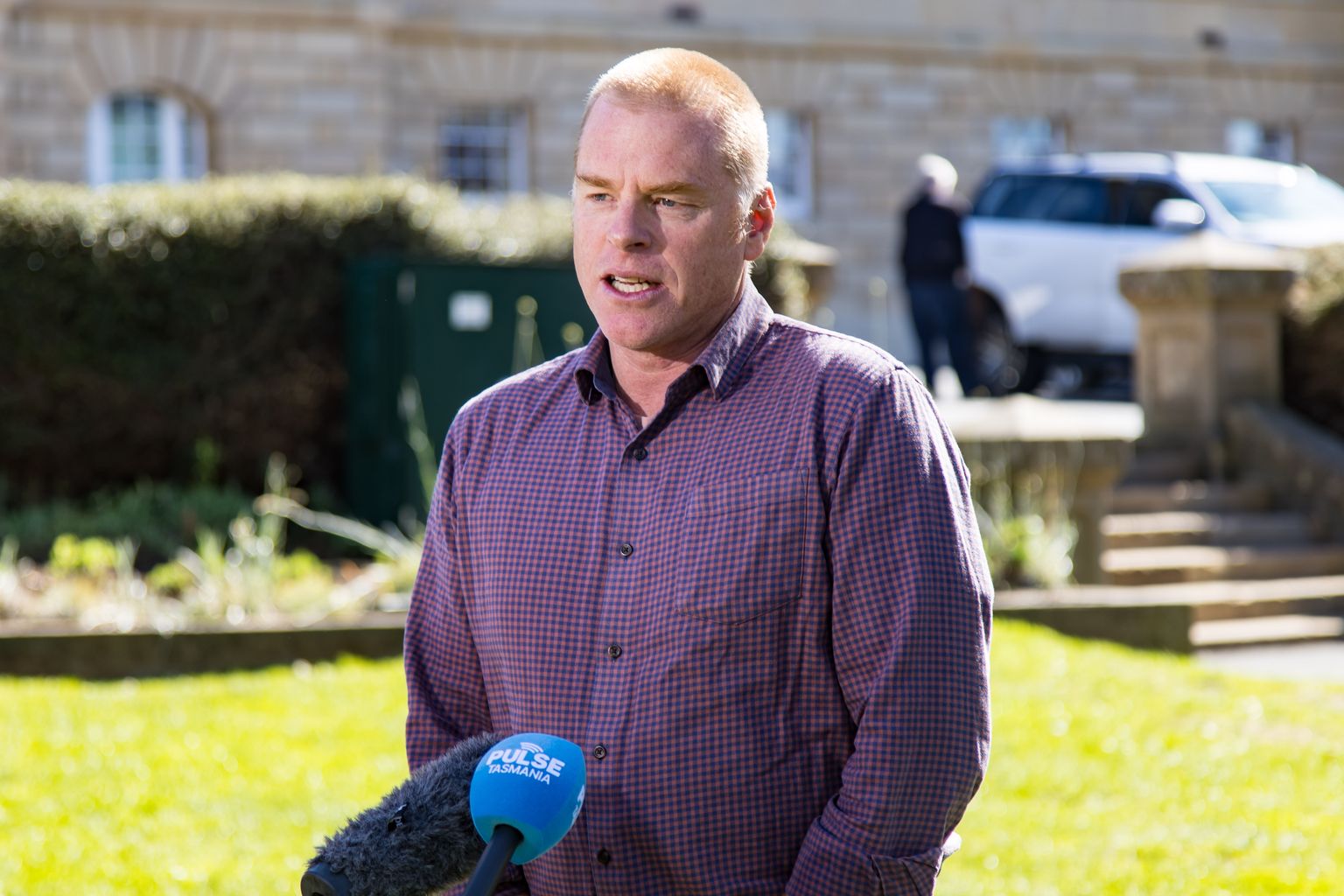
Greens MP Vica Bayley said today the latest losses showed the government was taking the state “backwards”.
“We know that poker machines are addictive, we know they are predatory and we know that they cause massive harm,” he said.
Bayley also pointed to a government-commissioned Deloitte report that found the card could add about $230 million to the state economy and create more than 200 jobs while reducing harm.
Labor MP Meg Brown said her party “supports harm minimisation when it comes to the pokies industry”.
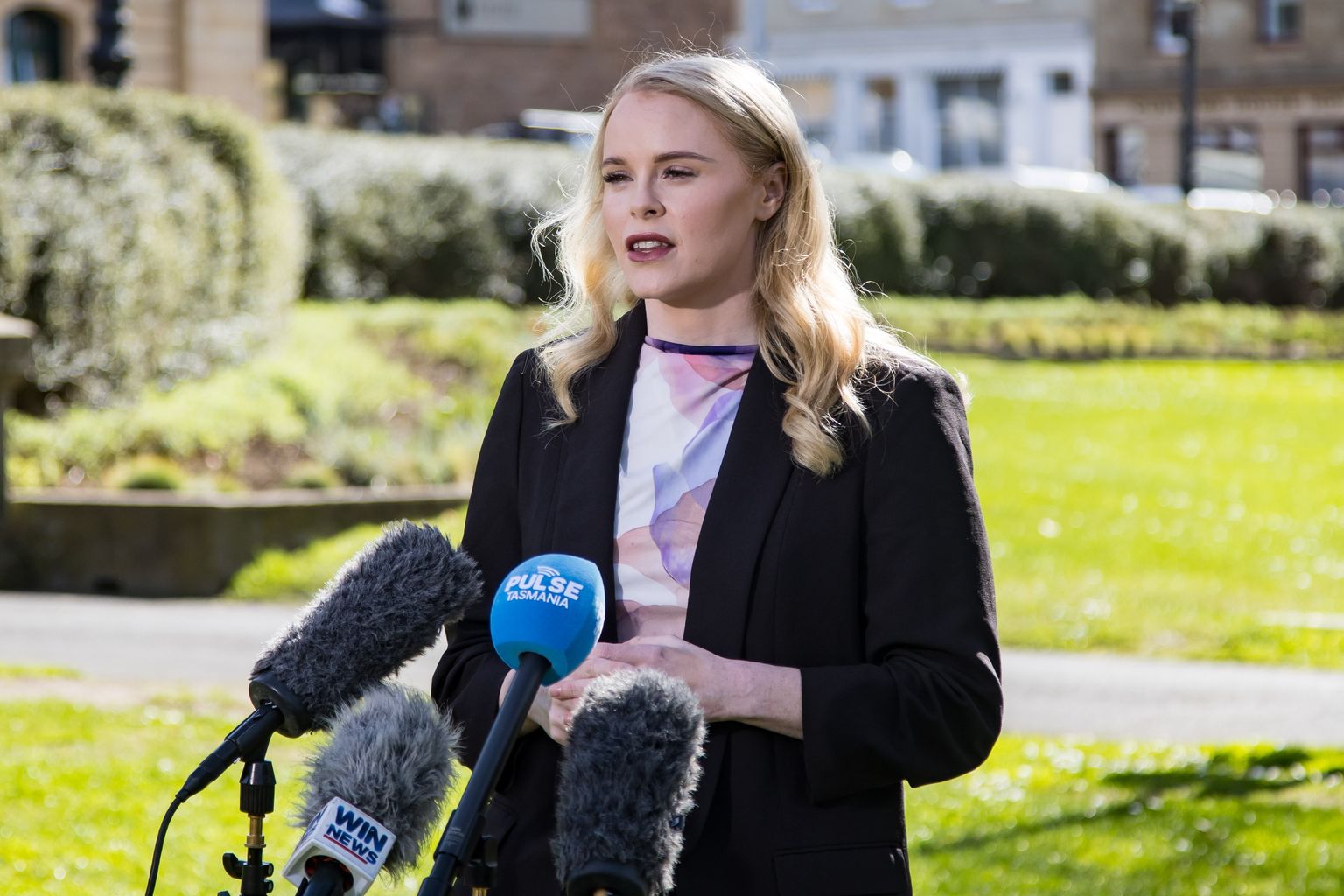
Government minister Kerry Vincent said the government was “always working through ways to minimise harm” from gambling and welcomed the parliamentary debate.
“We are very strong that we are trying to minimise the harm caused by gambling and we’ll continue to be strong on that,” Vincent said.
The upper house subcommittee, chaired by Cassy O’Connor with independent Nelson MLC Meg Webb as deputy chair, will examine what evidence underpinned the government’s reversal.
Treasurer Eric Abetz has defended the approach, saying the reforms were “specifically designed to reduce opportunities for harmful gambling behaviour”.

Those measures include self-exclusion from venues, limits on cash access and extended shutdown periods.
Abetz has also said Tasmania has the lowest density of poker machines of any state that permits gaming outside casinos, the lowest expenditure per capita and the lowest problem gambling rate, at 0.7%.
The inquiry will seek submissions from gambling support services, the pokies industry, government departments and the Liquor and Gaming Commission.