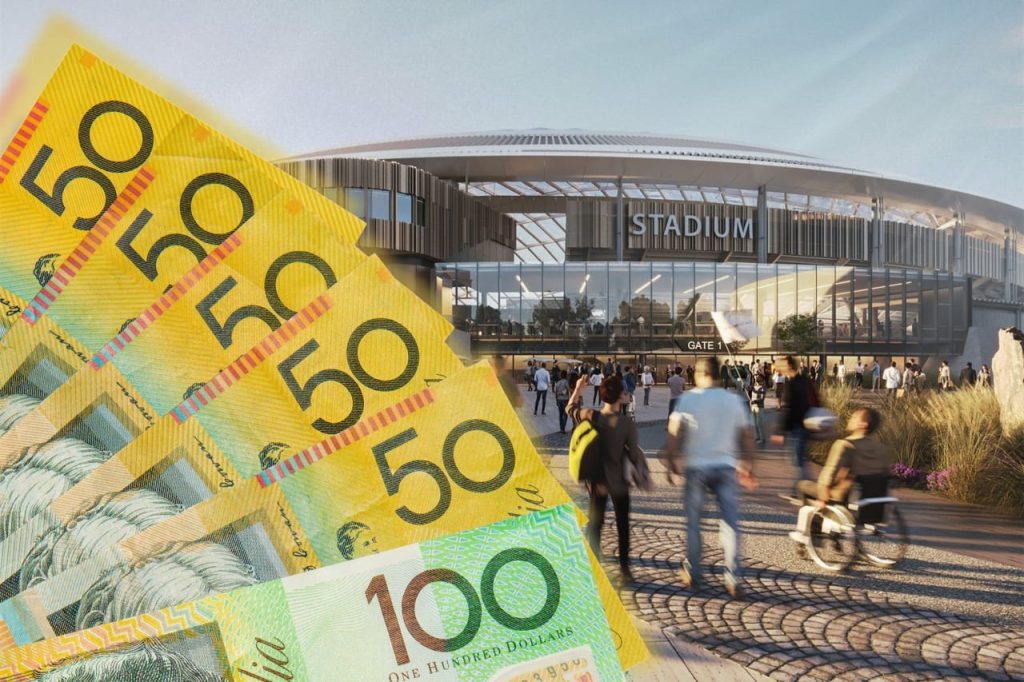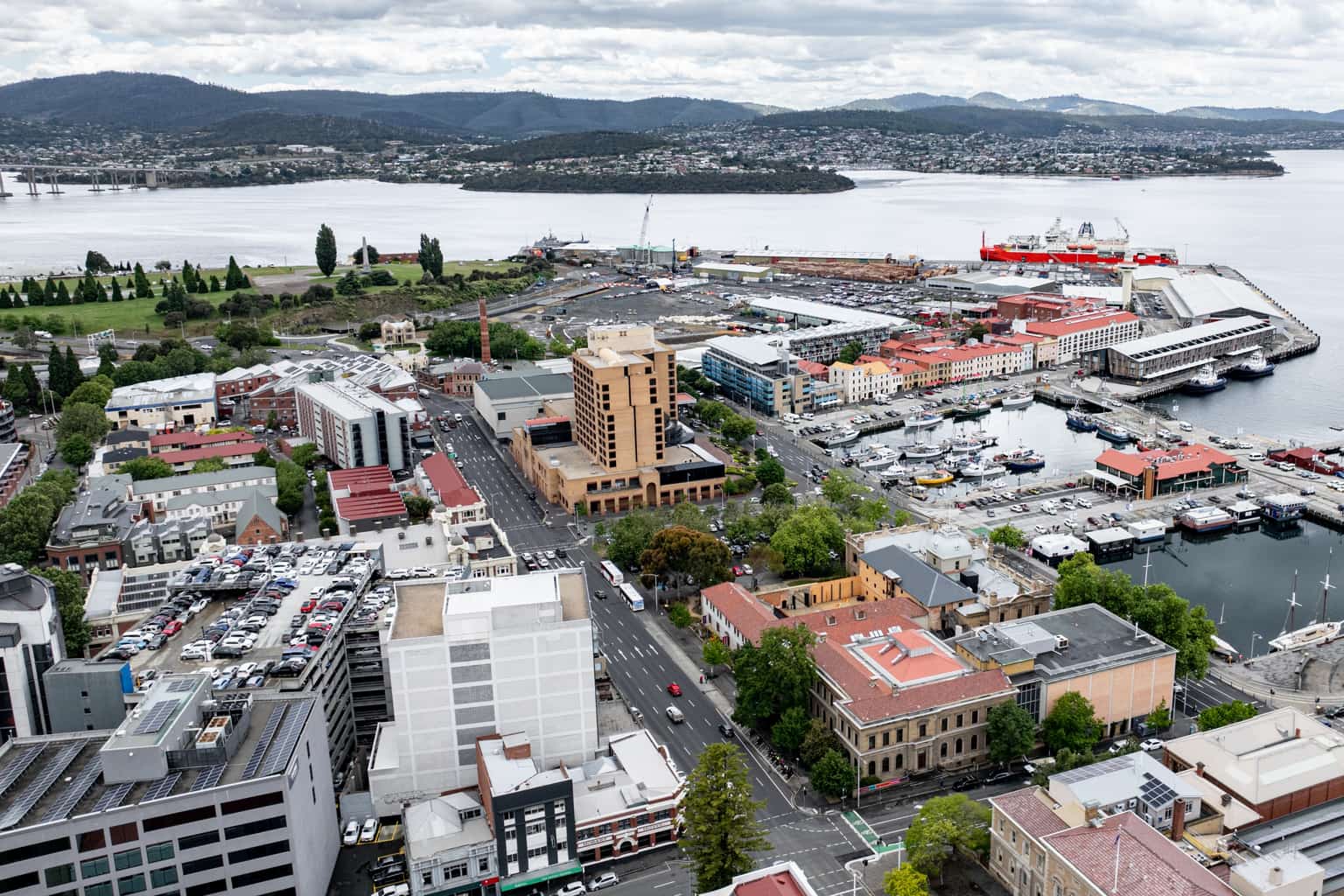
Hobart’s new lord mayor says the city now needs to get the most out of the Macquarie Point stadium as the billion-dollar project steams ahead.
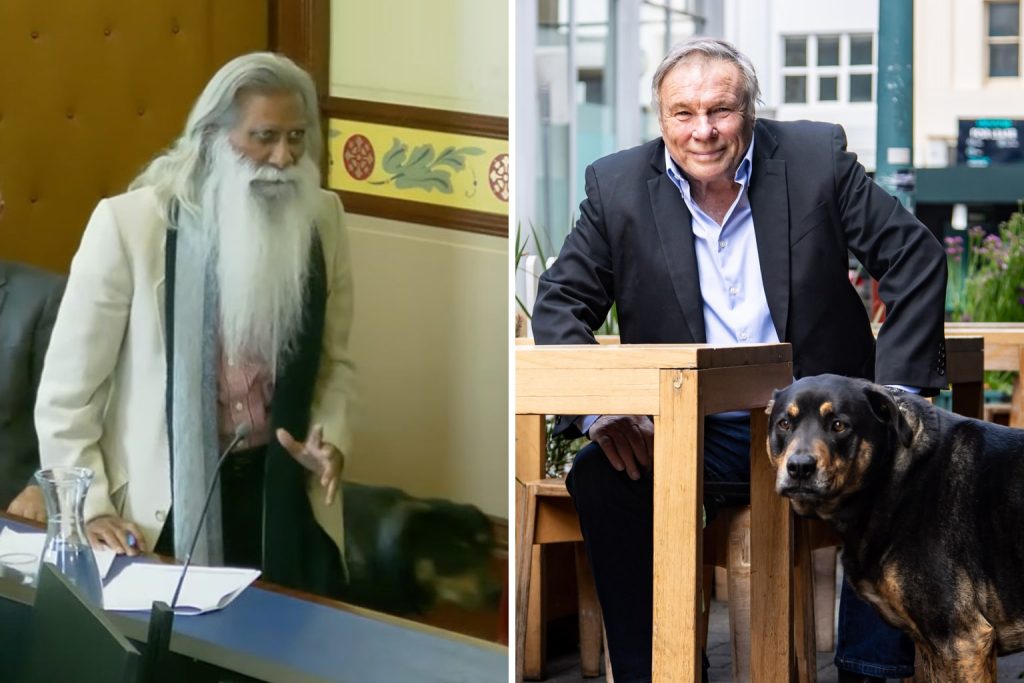
Charles Wooley, who was elected last month, says the project is going ahead whether people like it or not.
“Having passed both houses of parliament the focus now needs to be on getting on with the job and ensuring we make this once-in-a-generation investment work for our city,” he said.
The council formally opposed the stadium under former lord mayor Anna Reynolds, raising concerns about its heritage, transport and financial impacts.

“As lord mayor I support our football team, but I also want to ensure Hobart secures the greatest possible benefit from the investment and opportunities the stadium will bring,” Wooley said.
“My role now is not to revisit the acrimony of old debates but to bring creative peace and to make sure Hobart is well placed to maximise the economic, social and cultural opportunities that emerge as the project moves forward.”
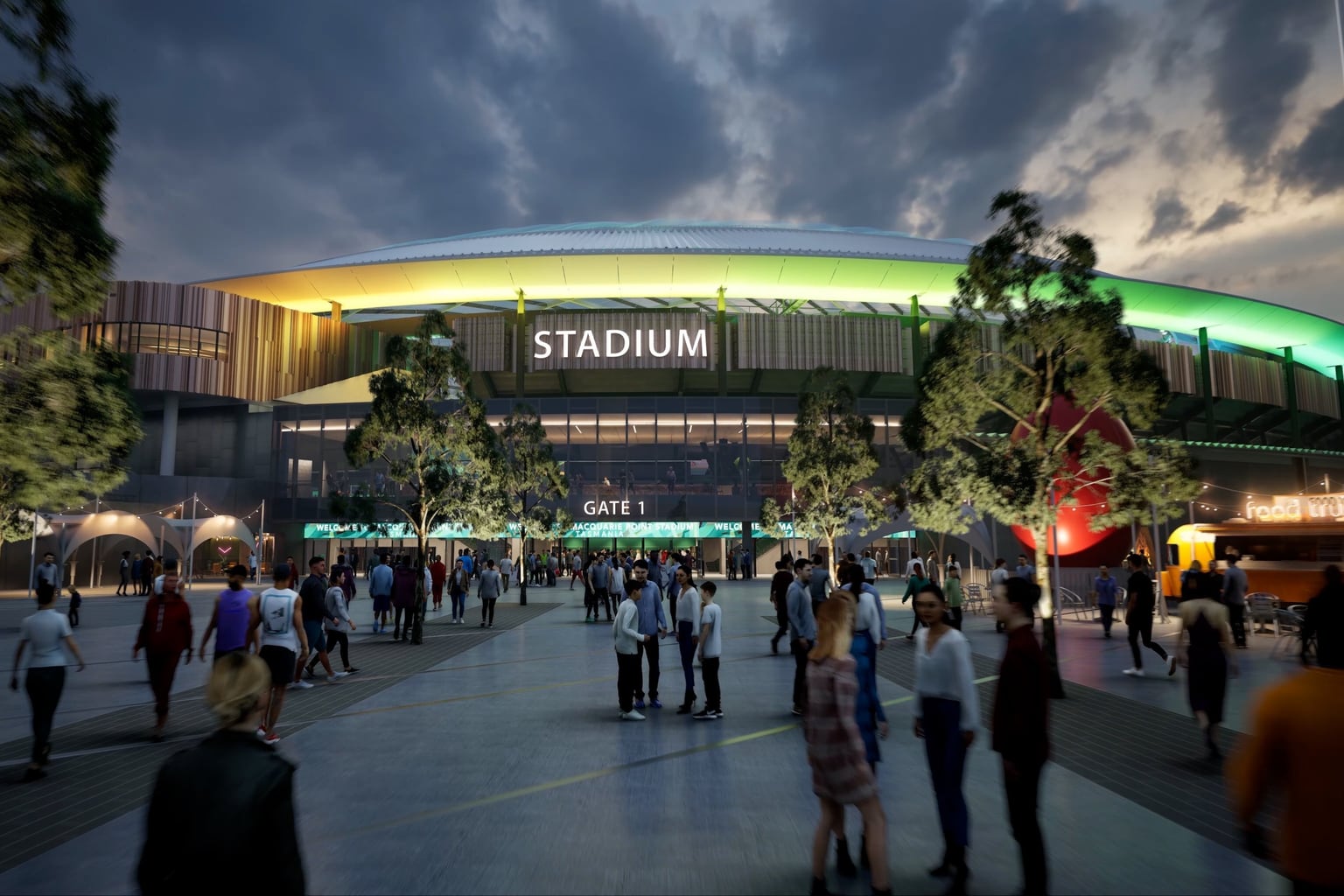
He says the council will work with the state government on transport, links to the waterfront and CBD, public spaces and getting local businesses involved.
“We should be thinking about what this investment can deliver for our city not just on opening day, but over the next 30, 40 and 50 years,” he said.
Wooley pointed to economic advice the council commissioned in 2025. That advice estimates the stadium will draw 370,000 to 400,000 people a year.
It found construction could add $250 million to $268 million to the state economy and support 302 to 660 full-time jobs.
The same advice, from SGS Economics and Planning, also found the stadium’s costs outweigh its benefits for the state.
It warned Hobart ratepayers could be left paying for parks, parking and congestion around the precinct, costs that had not been included in the state’s analysis.
A second report for the council, by AEC Group, estimated the stadium would add $87.2 million a year to Hobart’s economy once it is running.
Most of that would come from visitors spending money around the city.

Parliament approved the stadium in December 2025, despite the Tasmanian Planning Commission recommending it not go ahead.
“The project has reached a significant milestone and attention must now turn to making sure Hobart is ready to seize the opportunities it presents,” Wooley said.
“Reasonable people have held differing views on the stadium proposal, but there is now an opportunity to work together to ensure Hobart receives the greatest possible benefit from this significant investment.”
The state government and the Macquarie Point Development Corporation are working on detailed design and site preparation, with a cost update to the $1.13 billion project due next week.