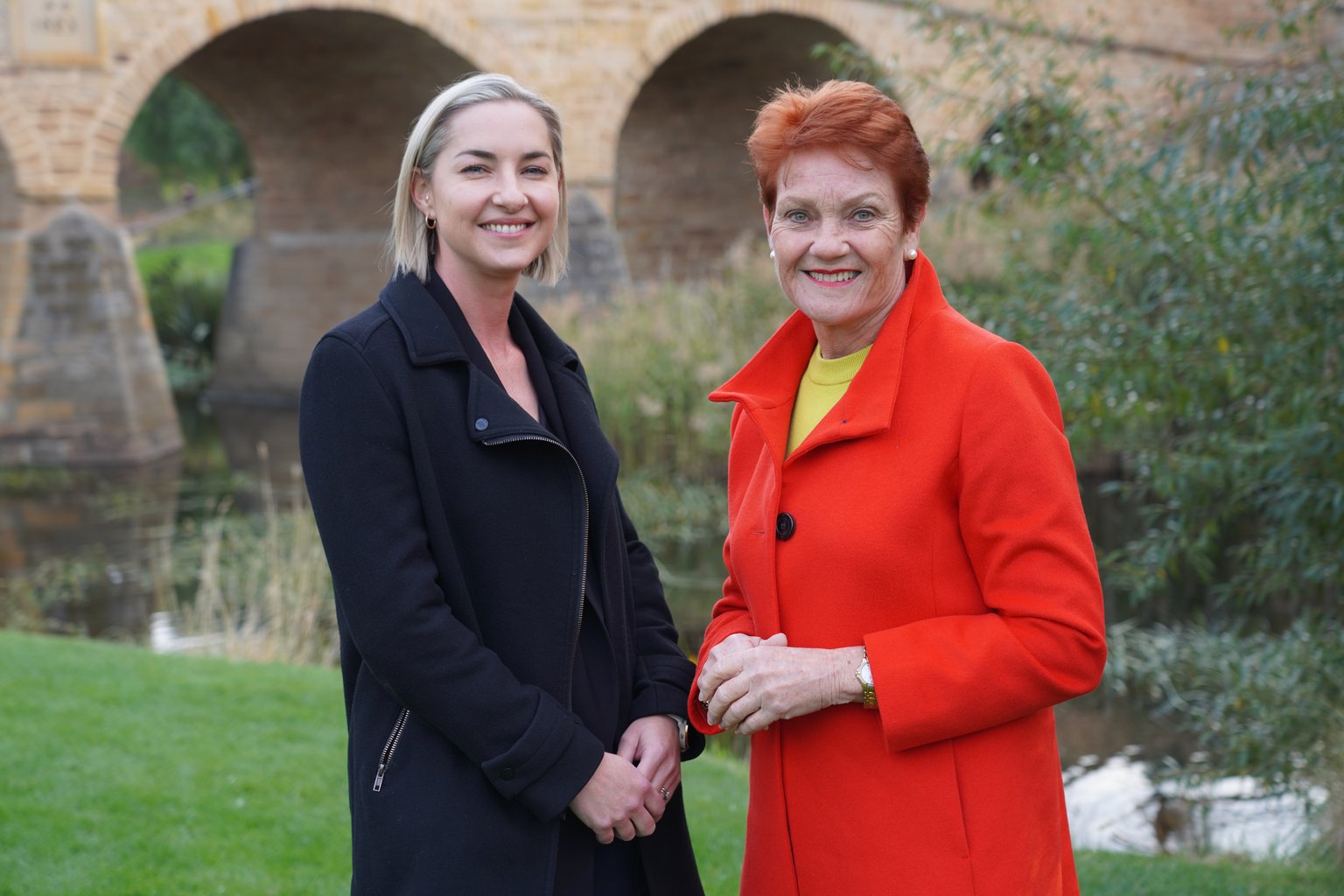
One Nation has debuted on 21% of the primary vote in Tasmania, drawing level with Labor in a new poll that shows support for the major parties has fallen below 50%.
The DemosAU poll has the Liberals leading on 28%, with Labor and One Nation tied on 21% each.
The Greens sit on 14%, independents on 12% and the Shooters, Fishers and Farmers and others on 2% each.
It is the first time DemosAU has included One Nation in its Tasmanian voting question. The party has lodged an application to register with the Tasmanian Electoral Commission.
That inclusion is the main reason every other party went backwards, DemosAU said.
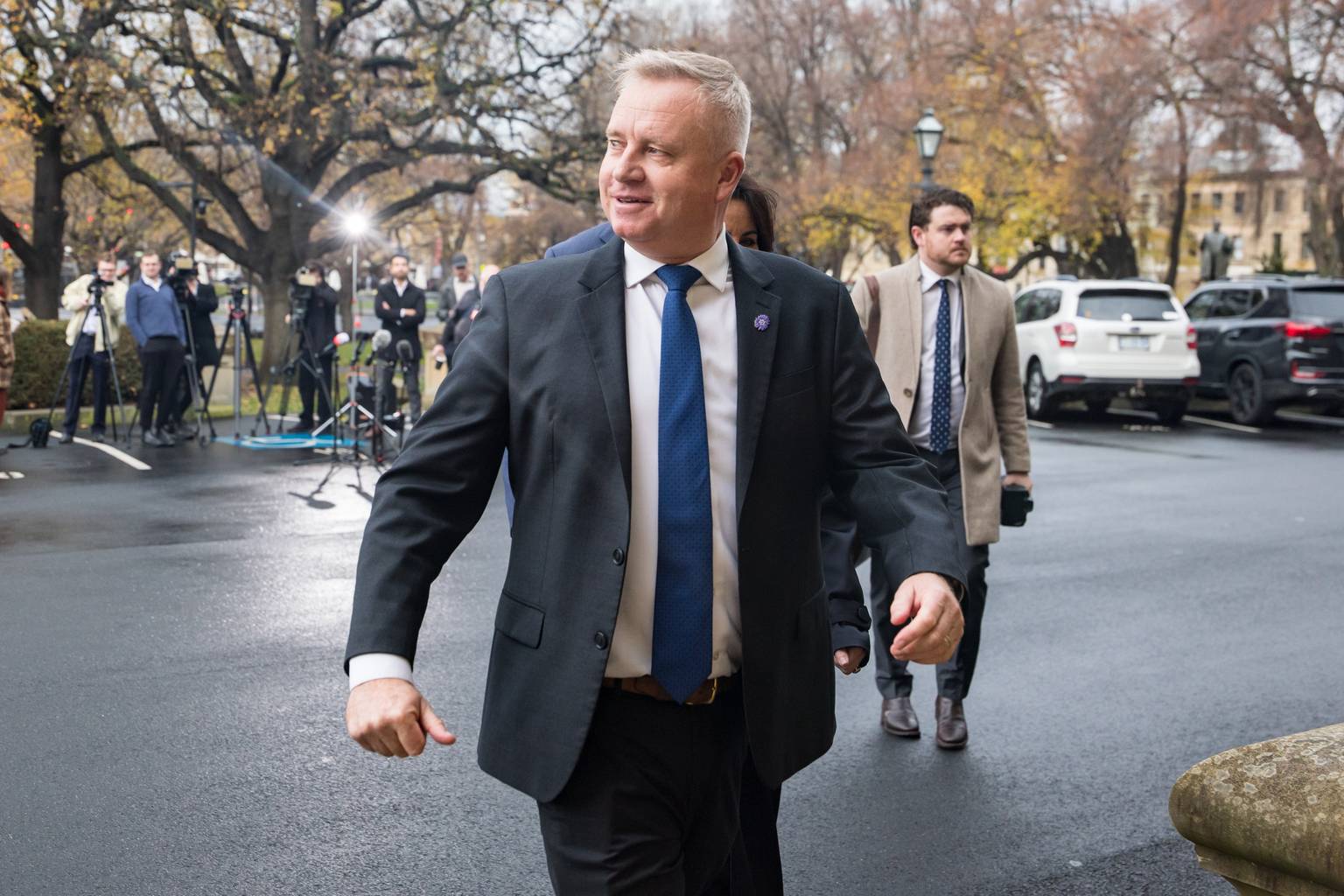
The Liberal vote fell seven points since DemosAU’s February poll and is down almost 12 points since the July 2025 election.

Combined support for the two major parties now sits at 49%, down from about 65% at last year’s election.
Pulse Tasmania political contributor Alex Johnston said it was the second poll in a row to put the majors below half.
“21% is a big share of support considering One Nation has no elected representatives in Tasmania or any real involvement in state politics,” Johnston said.
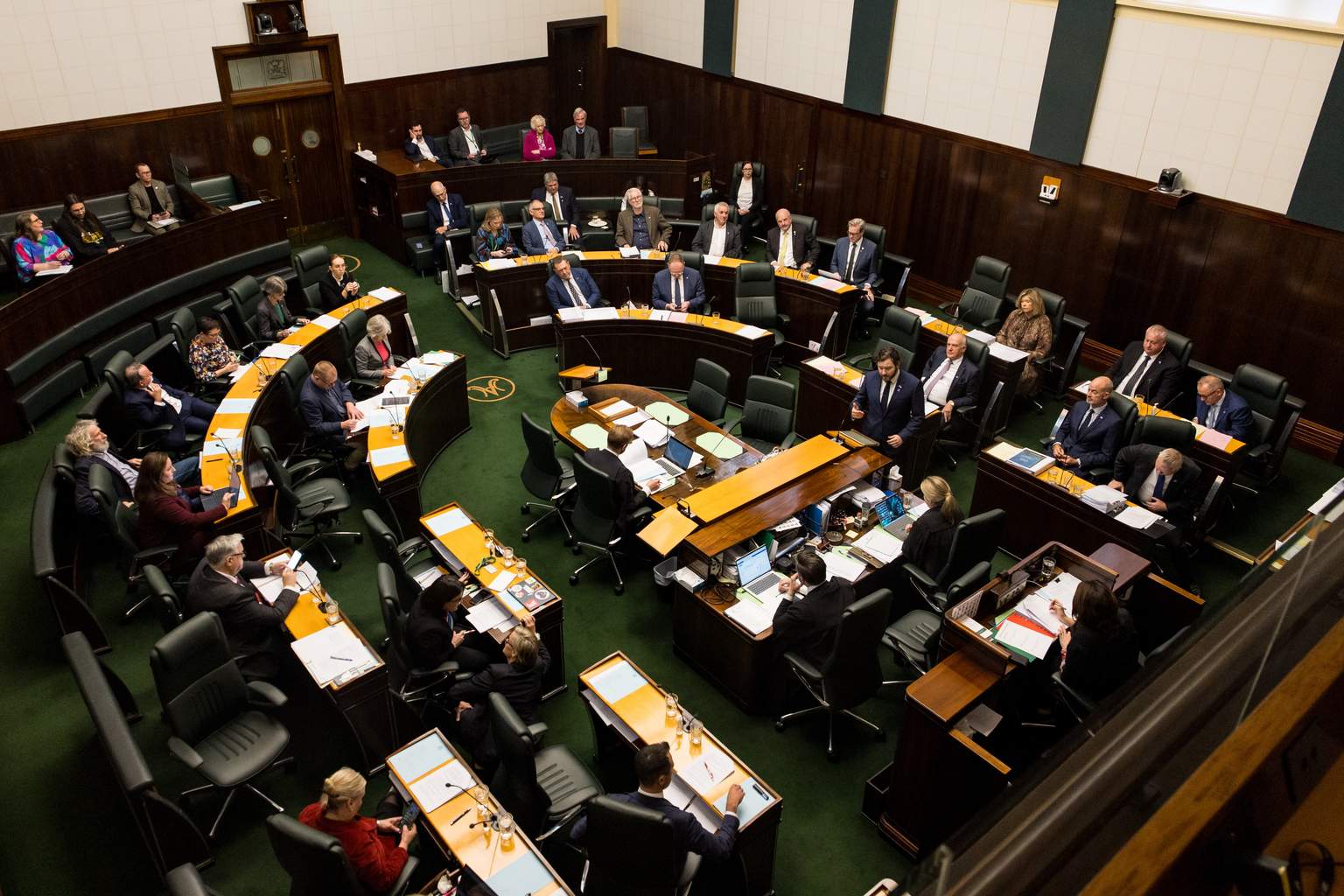
“An election based on those numbers would result in a very colourful parliament.”
“Labor would have been hoping for a stronger result, given the Liberal government lost two ministers in the weeks before the poll was in the field.”
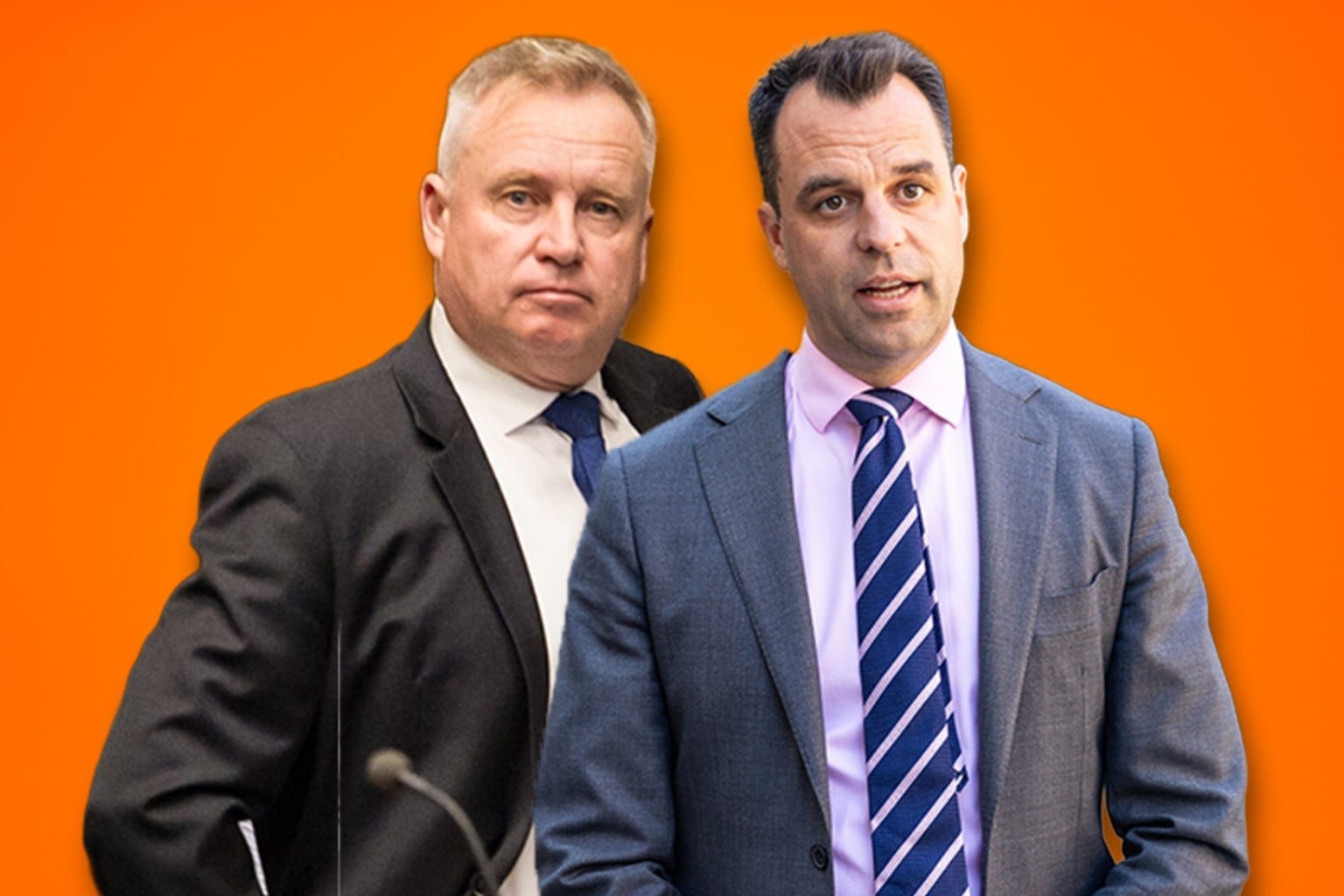
On preferred premier, Jeremy Rockliff led Josh Willie 41% to 32%, with 27% unsure.
Rockliff was down two points since February while Willie was unchanged.
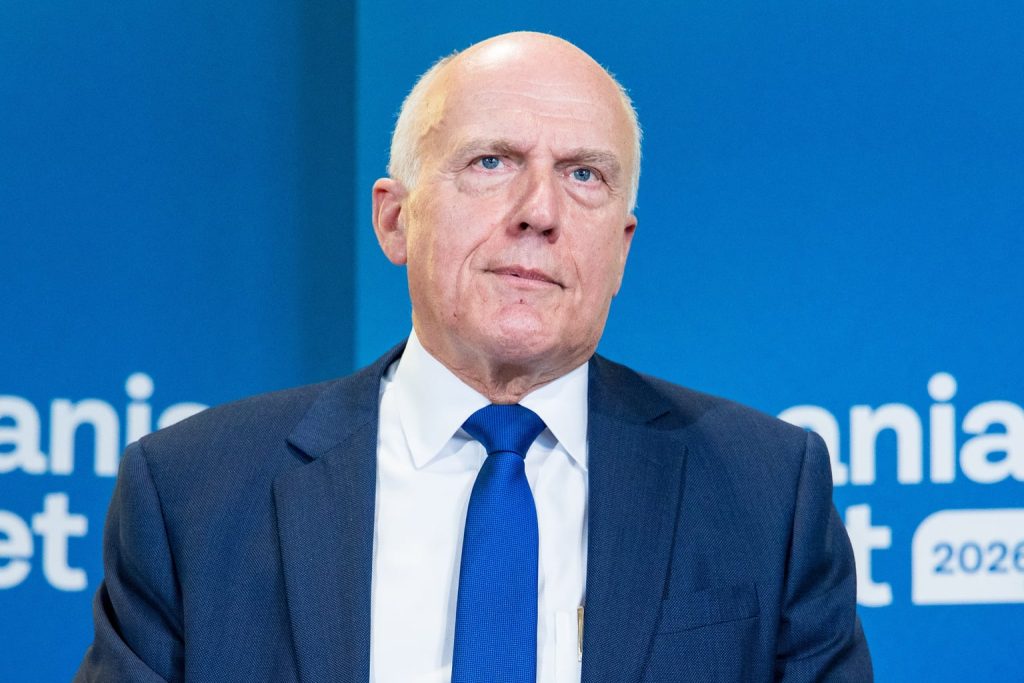
Rockliff recorded a net favourability score of -3, while Willie sat on -6. Liberal treasurer Eric Abetz had the worst rating of the nine figures tested on -25.
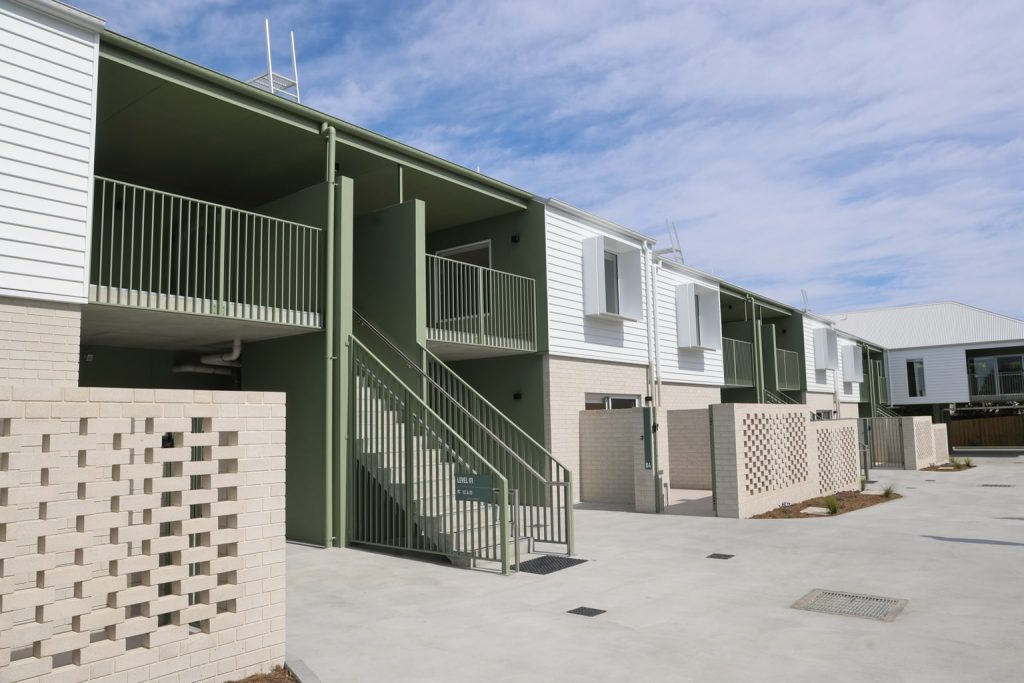
The poll found housing affordability and homelessness was the biggest issue for voters on 25%, just ahead of cost of living on 24% and the health system on 14%.
DemosAU head of research George Hasanakos said the poll would be concerning for the Liberals.
“As with other states, the One Nation surge is now upon Tasmania and with the populist party likely to gain more momentum once they are a registered political party, this will only deepen concerns for Rockliff,” Hasanakos said.
“The other major implication of this poll, is that majority government, the perennial state campaign issue in Tasmania, is a very remote prospect unless we see a collapse in support for one of the parties.”
DemosAU surveyed 999 Tasmanian voters between June 21 and July 6. The poll has a margin of error of 3.6%.