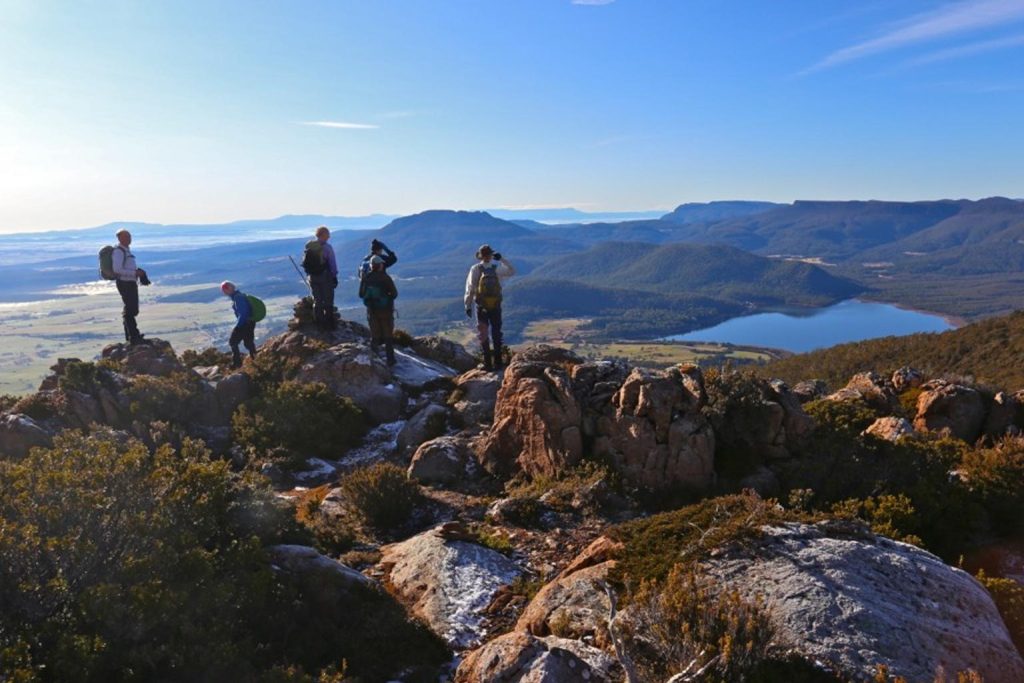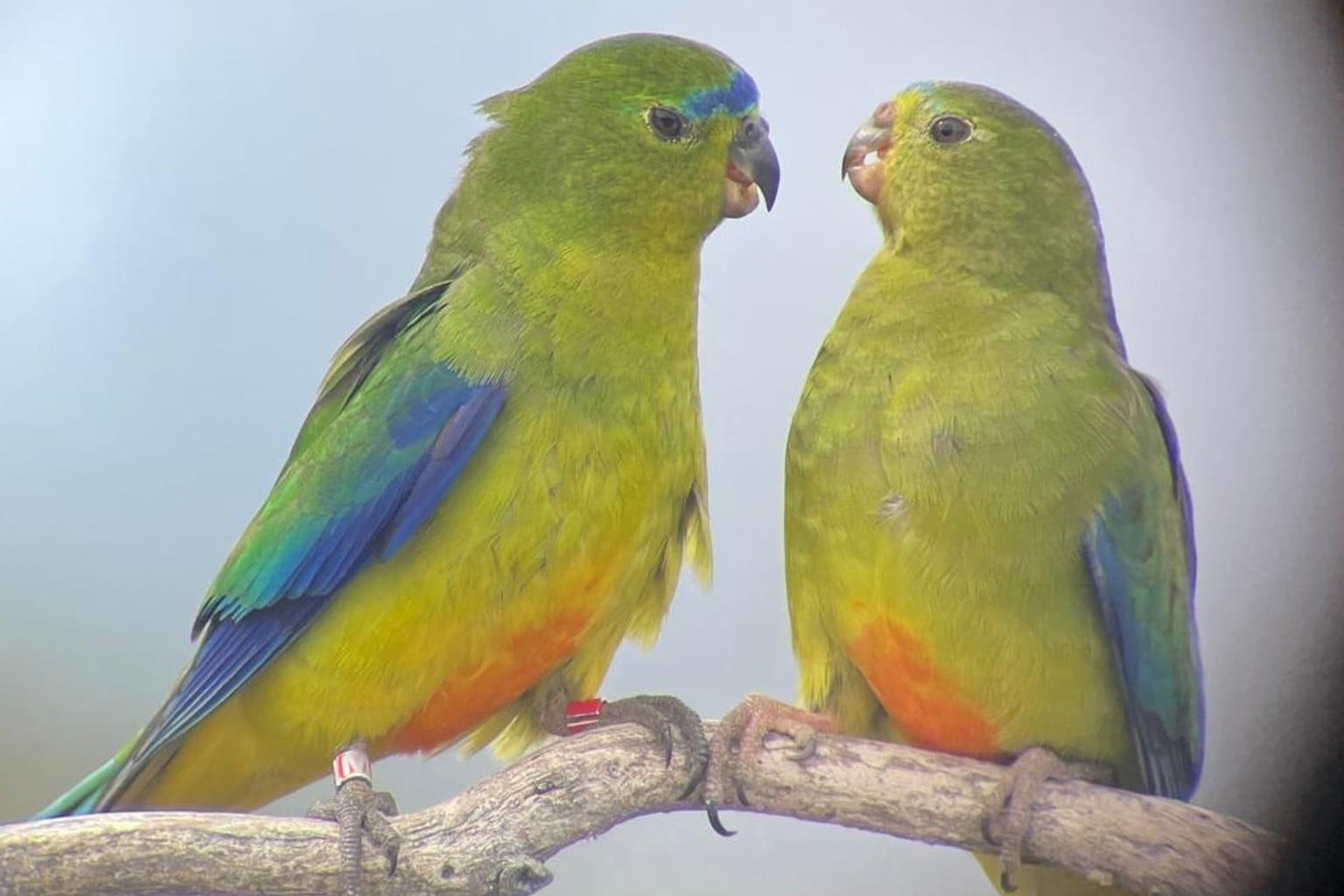
More than 165 orange-bellied parrots have left their breeding grounds at Melaleuca in Tasmania’s south-west on their annual migration north to the mainland.
The flock includes adults that have made the journey before, wild-born juveniles from this season and captive-bred young birds released to boost numbers.
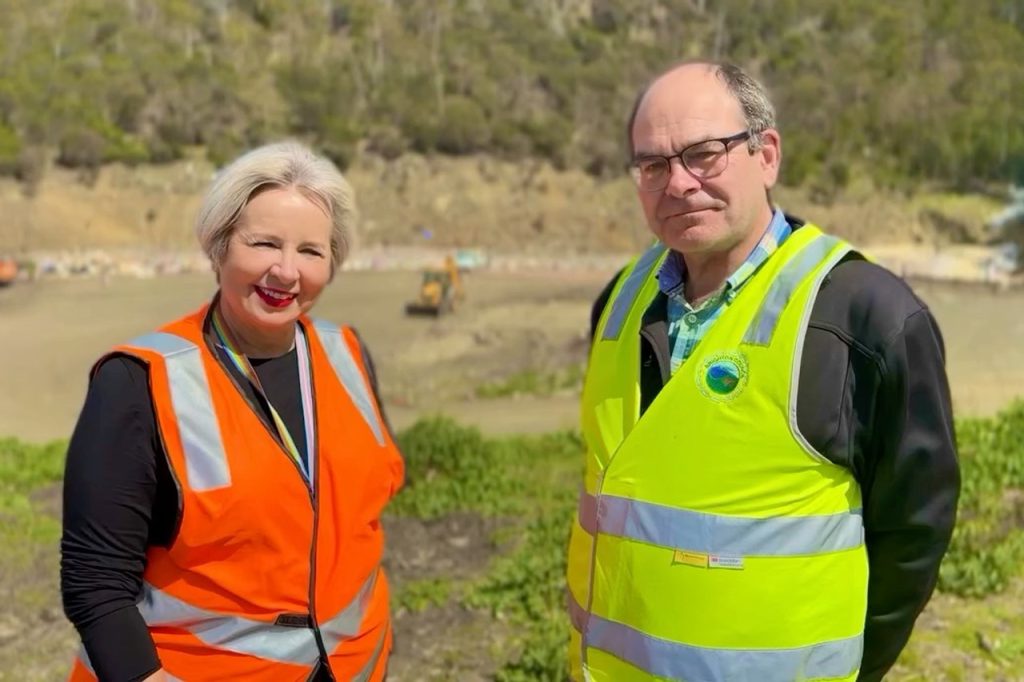
Environment and Climate Change Minister Guy Barnett said 51 captive-bred juveniles, 25 males and 26 females, were released into the wild earlier this year.
“Bred by dedicated zoo partners and the department’s wildlife management facility, these birds were released ahead of migration to integrate with wild flocks,” he said.
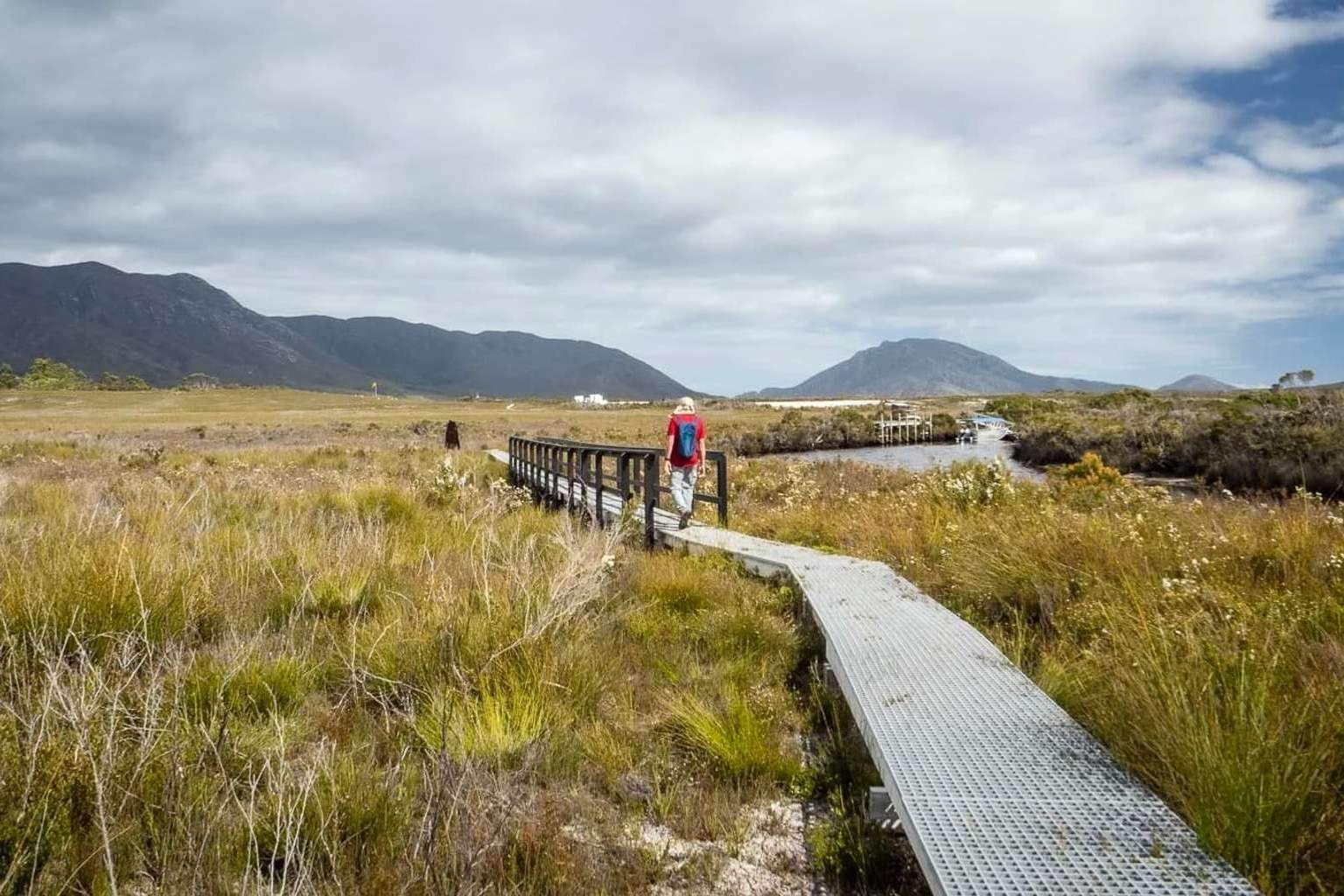
“These targeted releases of captive-bred juveniles play a vital role in strengthening the wild population, giving young birds the opportunity to learn essential migration behaviours alongside wild flocks and helping to build flock numbers ahead of their journey to the mainland.”
Barnett said it had been an unusually late breeding season, with birds still visiting feed tables well into April.
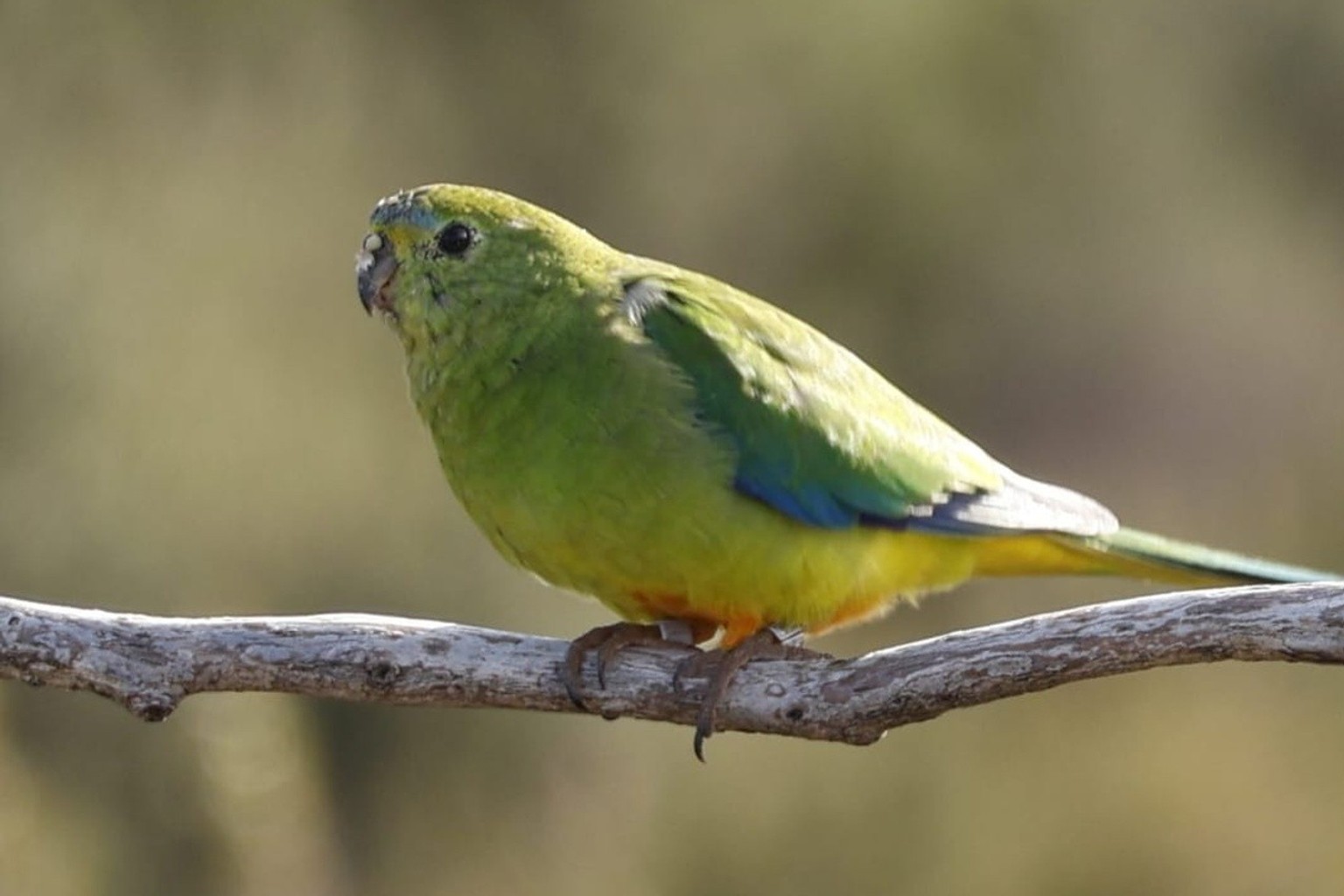
More than 50 parrots were spotted at Melaleuca during that period.
Nest box monitoring recorded 23 active nests, producing at least 46 fledglings that were observed and tagged.
“This contributes positively to the ongoing recovery of the wild population,” Barnett said.
With the birds now on their way, attention has turned to tracking where they go and how many survive.
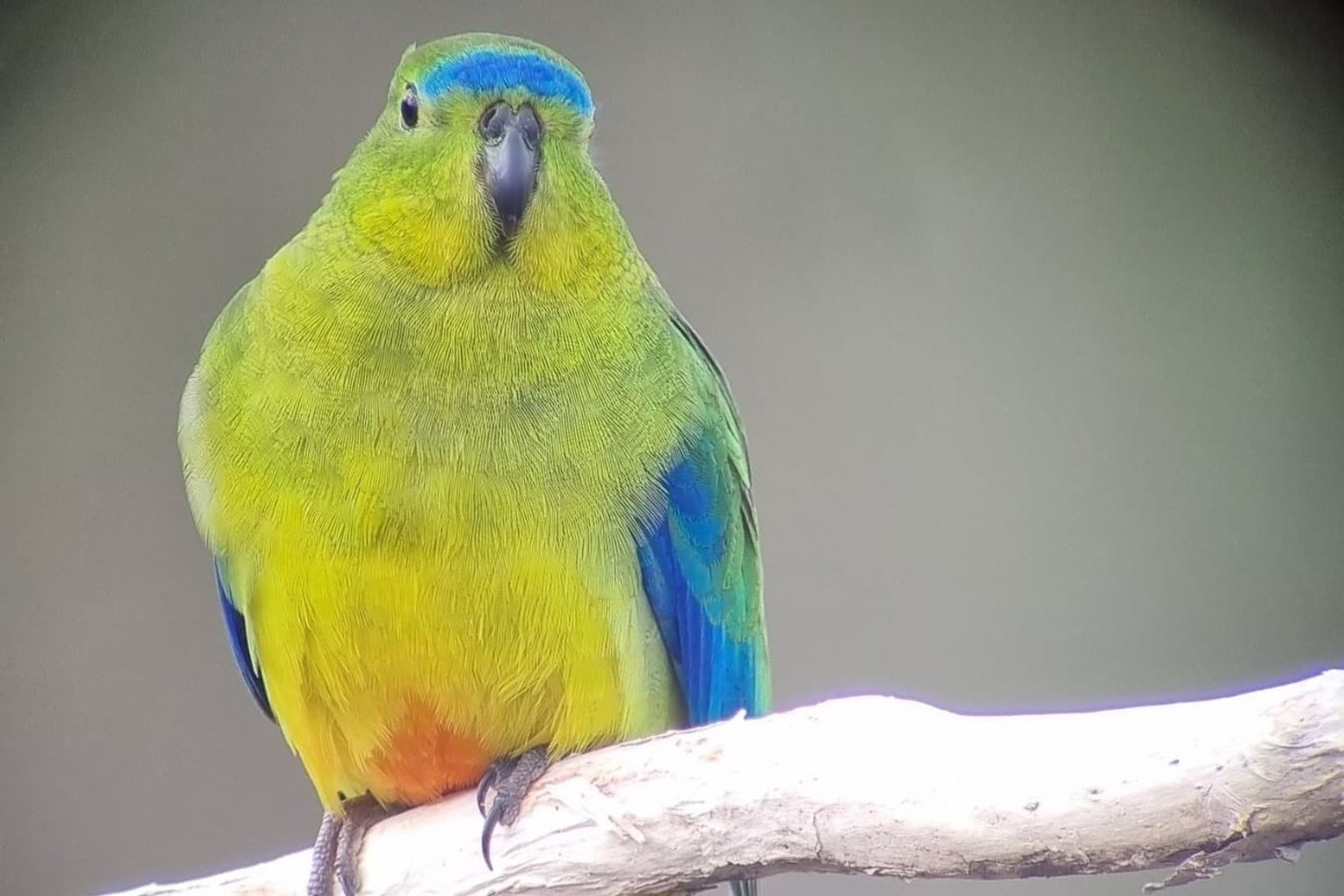
This year, 49 birds were fitted with VHF transmitters to monitor their movements during the migration.
“Tracking their migration movements helps improve our understanding of where these birds travel, how they use habitat and other vital data to help support the ongoing recovery of this highly endangered species,” Barnett said.
The orange-bellied parrot is one of the world’s most endangered birds.
The annual migration from Tasmania to mainland Australia is a critical period for the species’ survival.
Tracking data from 2024 showed one bird covered more than 320 kilometres in five and a half hours, flying at an average speed of 58km/h.