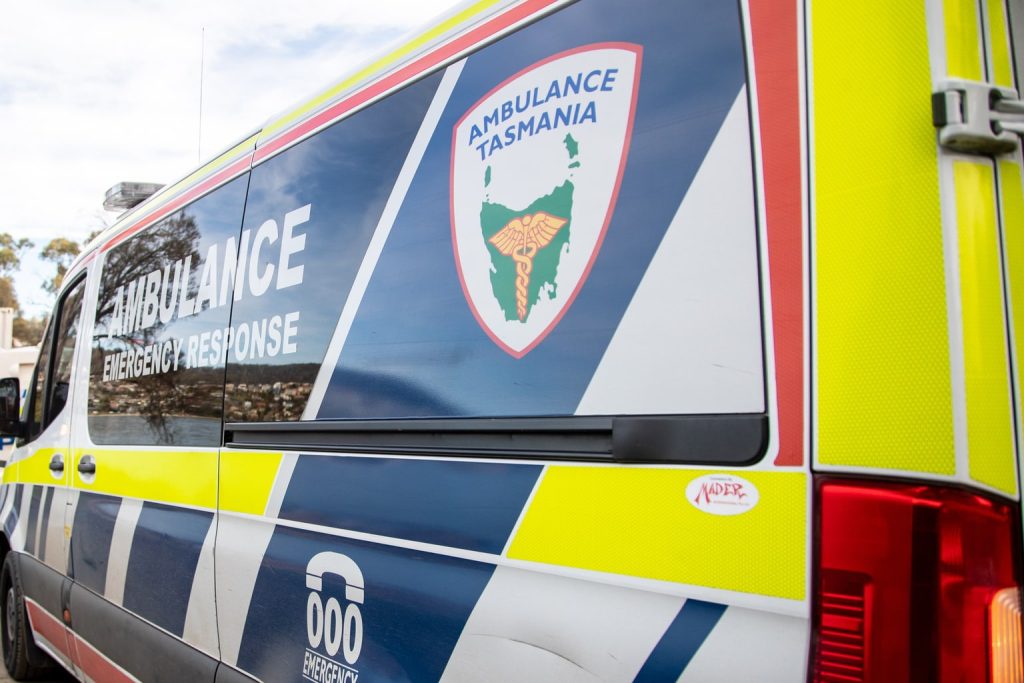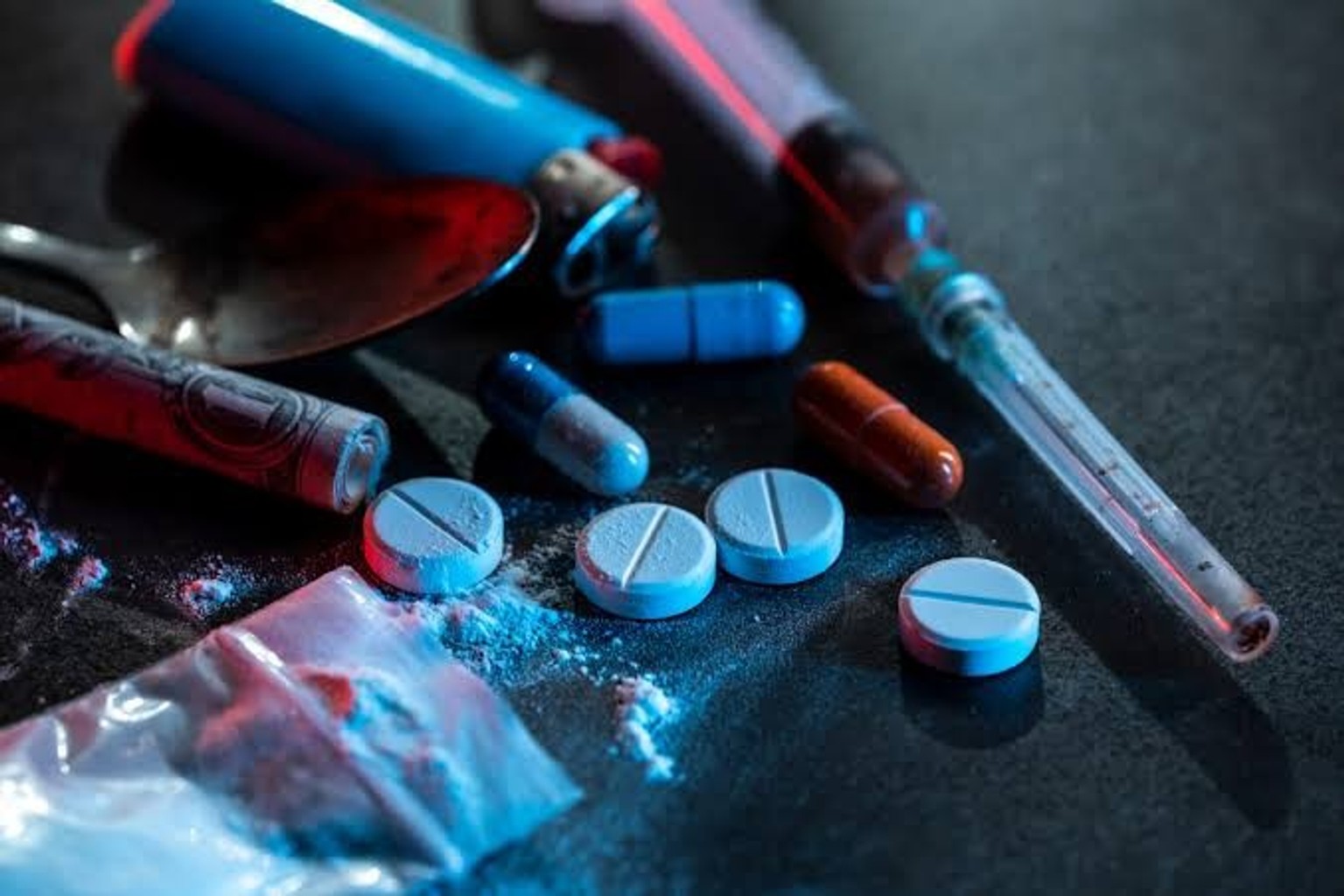
An overdose death that may be linked to a rare synthetic opioid has prompted a warning to Tasmanians about the dangers of illicit drugs, after the substance was detected in the state for the first known time.
The Department of Health said the person who died may have used an illicit drug containing a strong opioid without knowing it was there.
Acting secretary of the Department of Health Dinesh Arya said it was the first known detection in Tasmania of the novel synthetic opioid, which belongs to the novel U-class.
“U-class opioids are not regularly detected in Australia,” Arya said.

“This is a dangerous substance and we do not want to see more of it.”
“There is limited information available about these substances and how they affect individuals.”

He said illicit drugs could contain unexpected substances with very different effects on the body from what the person taking them expected.
“The effects of these drugs can lead to serious adverse health outcomes, which can include organ damage, unconsciousness and even death,” Arya said.
The department is urging people to watch for signs of opioid overdose.
These include slow, irregular or stopped breathing, reduced consciousness or difficulty waking someone and unresponsiveness.

Other signs are pinpoint pupils and blue or grey lips or fingertips.
Anyone who sees someone showing these symptoms after using drugs should call Triple Zero (000) immediately or get urgent medical help.
The department has also told doctors, nurses and other health workers about the detection and is encouraging them to use naloxone.
“Naloxone can temporarily reverse an opioid overdose and save a life,” Arya said.