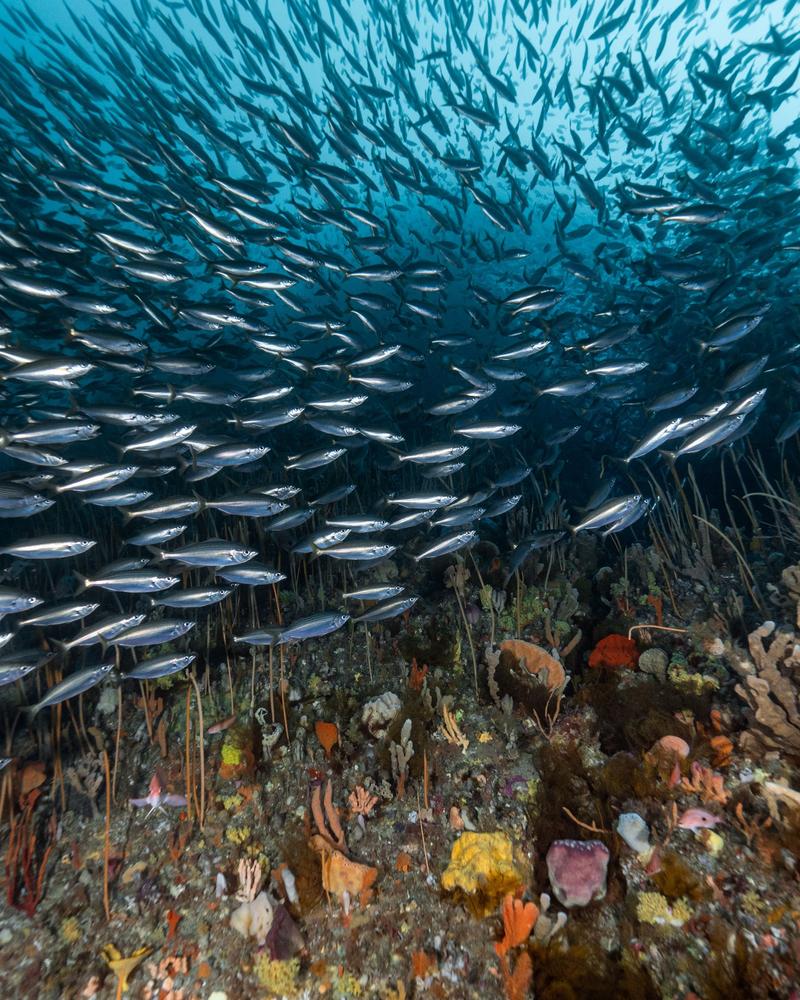
Most Tasmanians have never seen the colourful coral reefs hiding 30 to 60 metres beneath the waters of the Tasman Peninsula.
Marine biologist, dive instructor and underwater photographer Matt Testoni is one of the few who has – and he wants more people to know what lies beneath.
“There’s probably less than 100 people have dived on most of these sites that we visit, which is pretty cool,” the 38-year-old Howrah resident told Pulse.
Testoni has spent about a decade photographing Tasmania’s underwater world, from deep-water coral reefs off the Tasman Peninsula to colourful sea slugs that emerge around Hobart after dark.
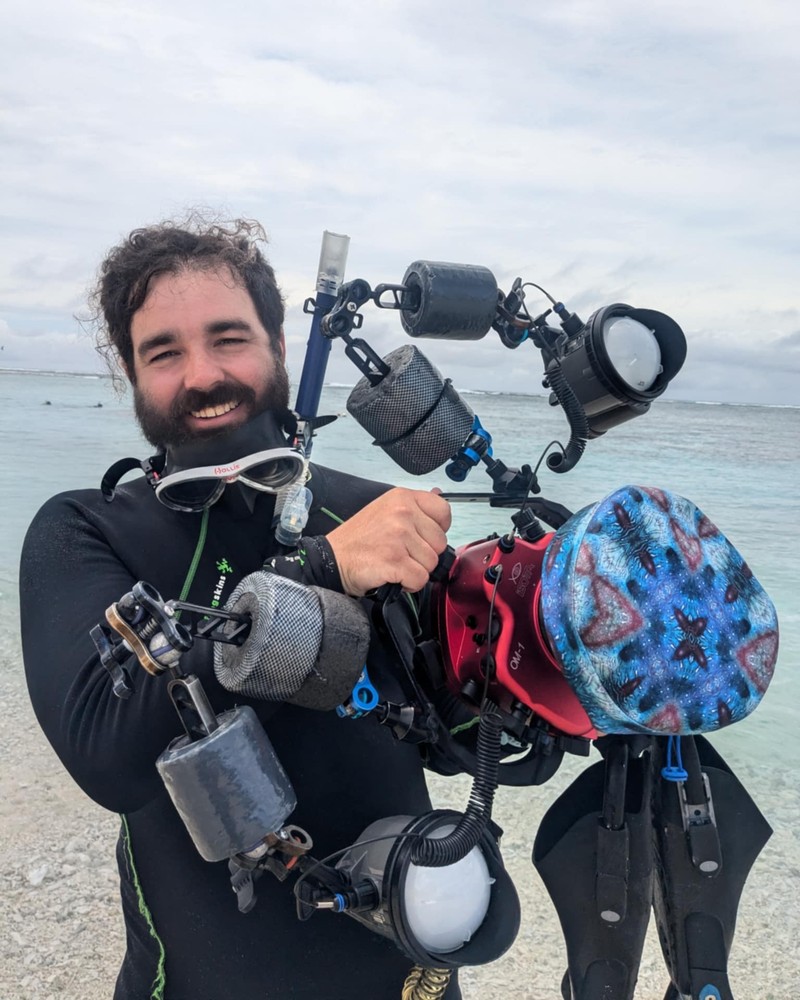
“I just always kinda loved animals and wildlife and then I got into diving and then that kinda led me to, you know, wanting to show people what was down there and wanting to take photos of all the crazy cool critters and environments you come across,” he said.
Some of his favourite diving spots include Hippolyte Rocks, about a kilometre off Fortescue Bay, as well as sites near Tasman Island and Mount Brown.
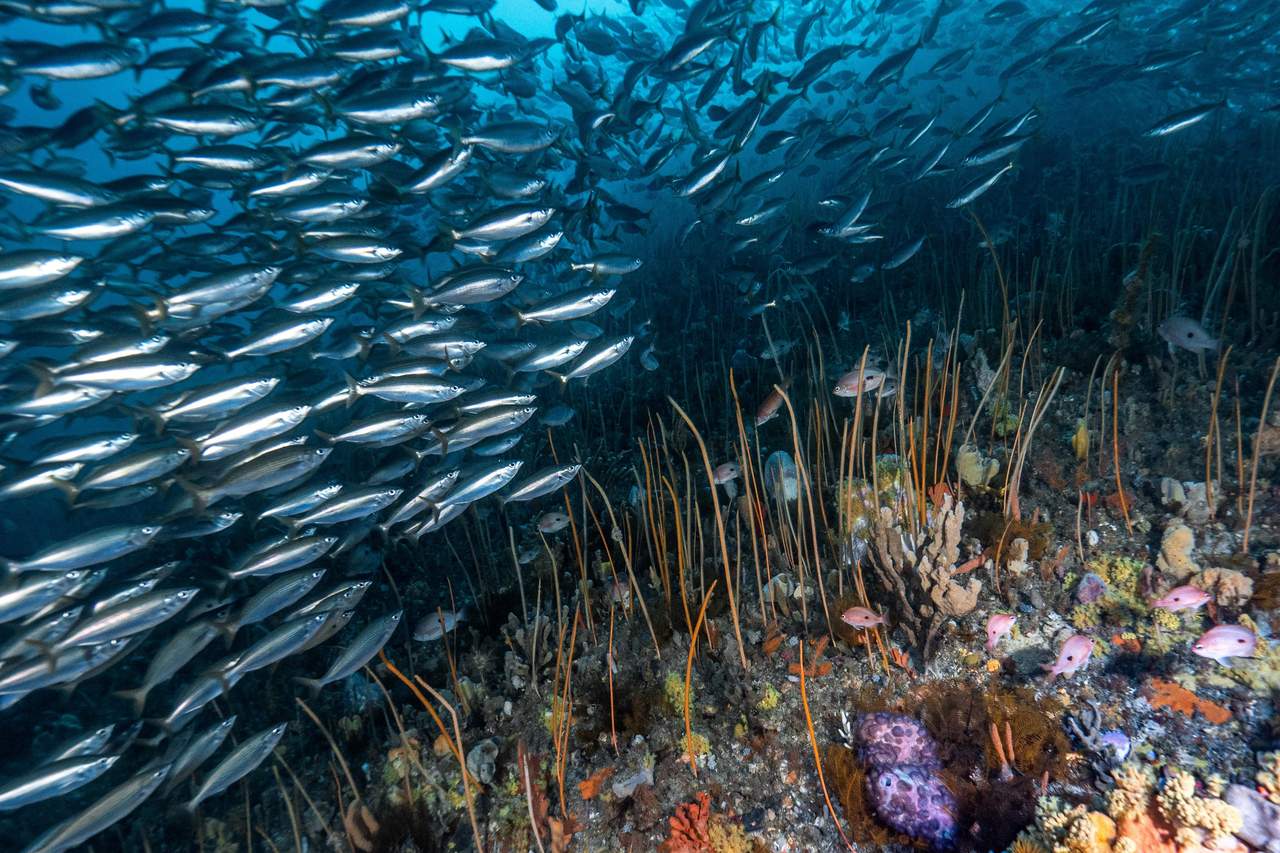
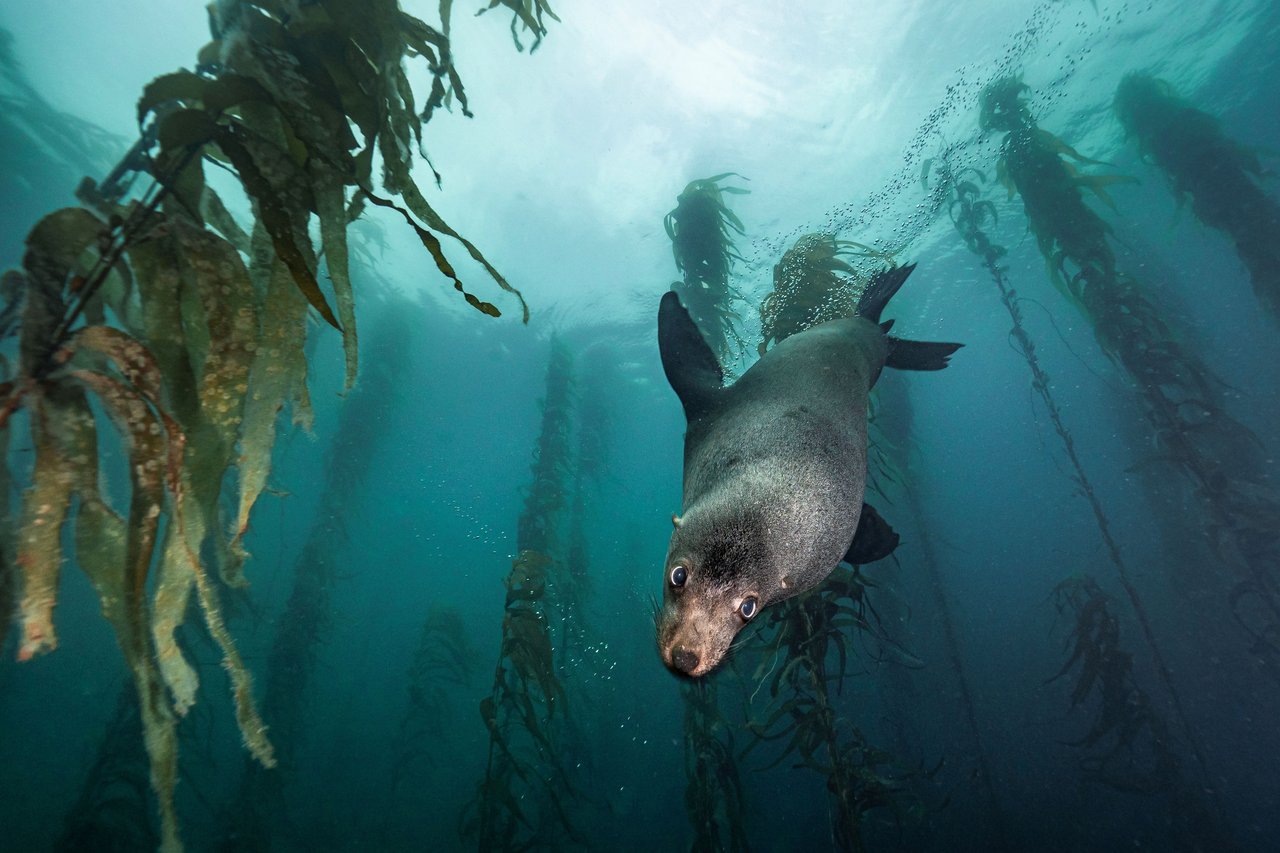
Seaweed reefs stretch down to about 30 metres, but below that are cold-water coral reefs between 30 and 60 metres deep.
Testoni teaches scuba diving through Go Dive and guides people to some of the reefs, while also running night dives around Hobart.
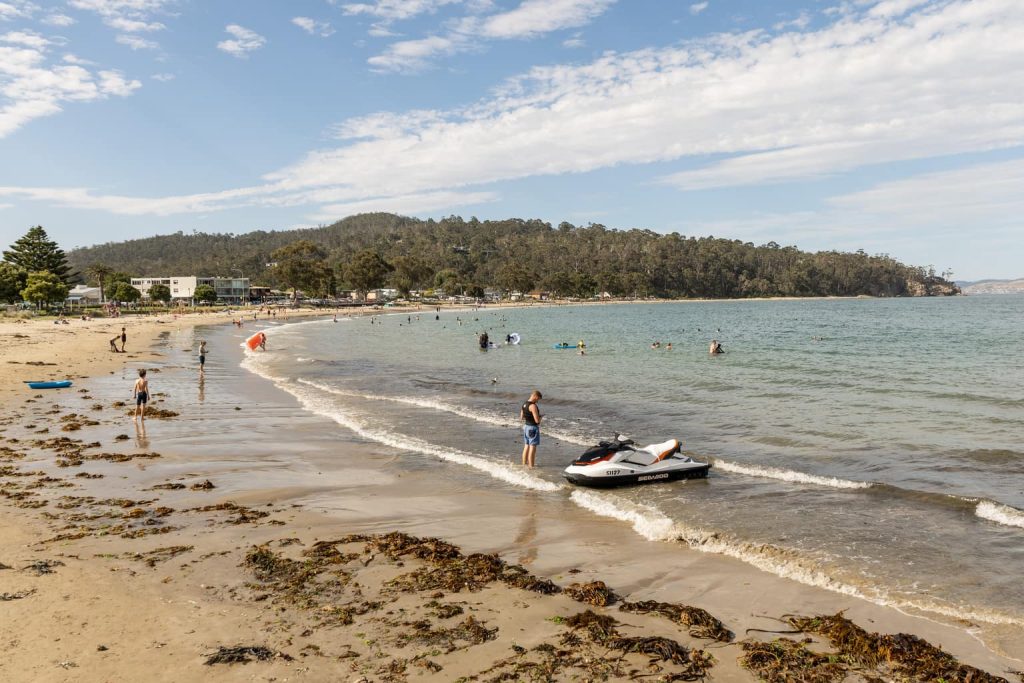
His night dives take in sites including Tinderbox Marine Reserve, Howrah Beach and the city’s waterfront, where he said the marine life could be surprisingly rich.
Different creatures emerge after dark, including nudibranchs, which are colourful sea slugs that are a favourite among divers worldwide.
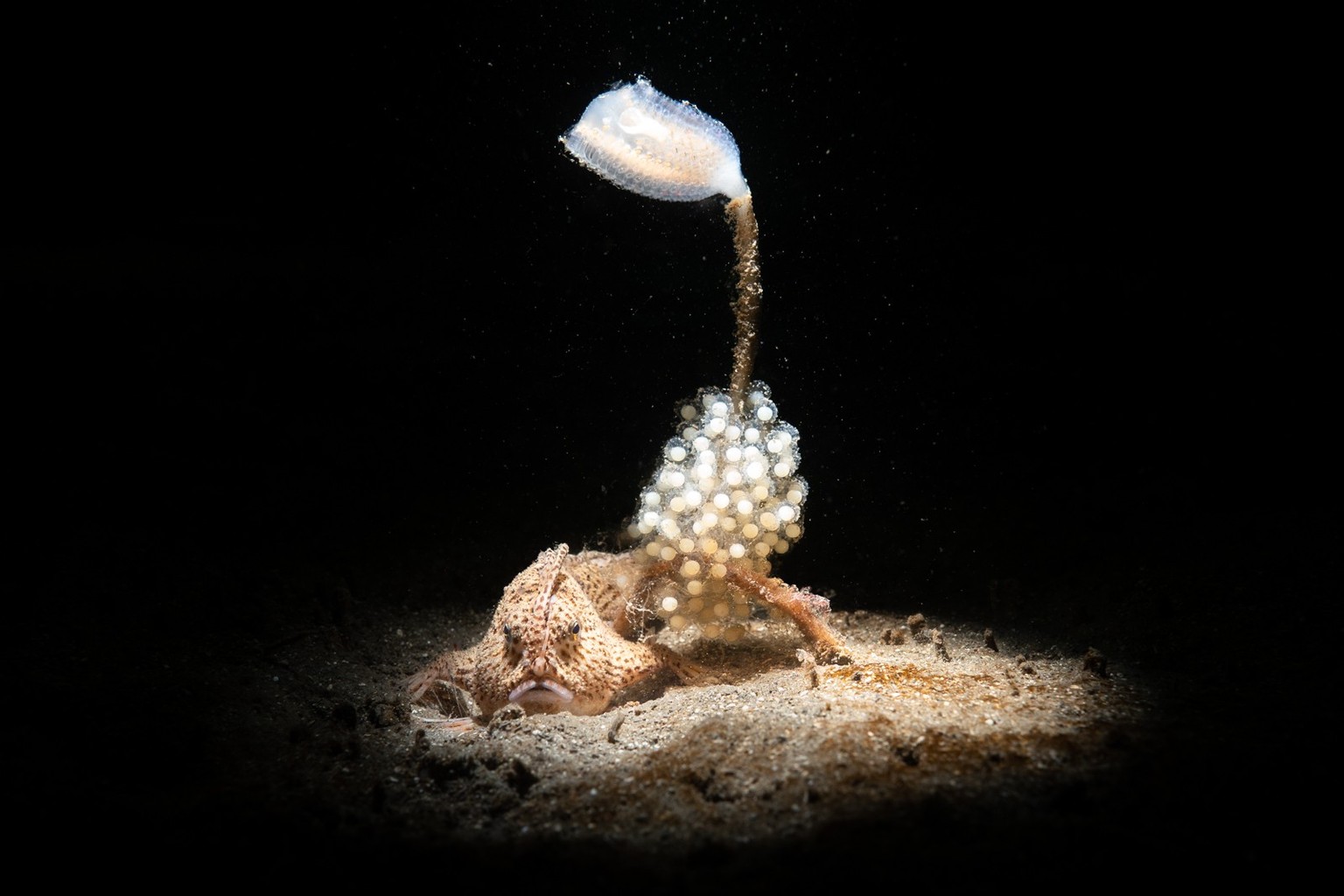
“There’s I think there’s almost 2,000 species, but basically they’re a slug and they often come in really colourful forms and we’re talking, like, real vibrant, popping colours,” he said.
Testoni said some rare species of nudibranchs and sea slugs found around Hobart appeared to be nocturnal.
“And so during the day it can be quite calm and not much happening, then at night all these sea slugs come out, crabs come out, all this different marine life kind of pops out at night,” he said.
While night diving can be eerie, Testoni said the limited visibility created by an underwater torch could make the experience more striking.
“During the day you’ve got this, you know, huge vision, but at night you’ve only got this torch beam and so things are a lot more highlighted as well, which is cool,” he said.
Testoni also hosts The Seacreatures podcast, which he says is the number one podcast in the world on Apple and Spotify for scuba diving and marine life.
He is also a co-creator of Big Fish, a Tasmanian-made card game about sustainable recreational fishing.
The game, which features artwork by a local artist, is available through Fullers, Area 52 and online www.bigfishcardgame.com.
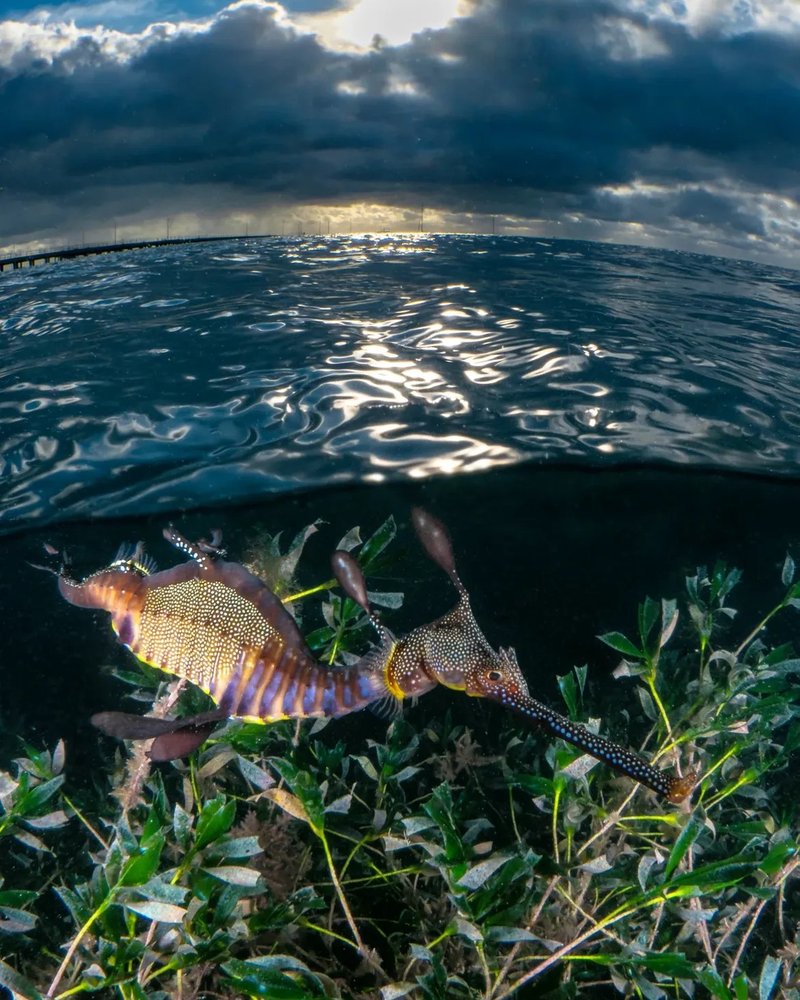
Testoni has also been visiting schools, where he encourages students to learn more about the marine life in their own backyard.
“I’m super passionate about trying to stop students learning about, like, lions and tigers in Africa and start get them learning about our local kind of ocean,” he said.
“You learn about all these other animals, but we got this amazing ecosystem and, you know, so many of the fish and species down there we know nothing about.”
Testoni shares his underwater photography with almost 23,000 followers on Instagram at @matt_testoni_photography.