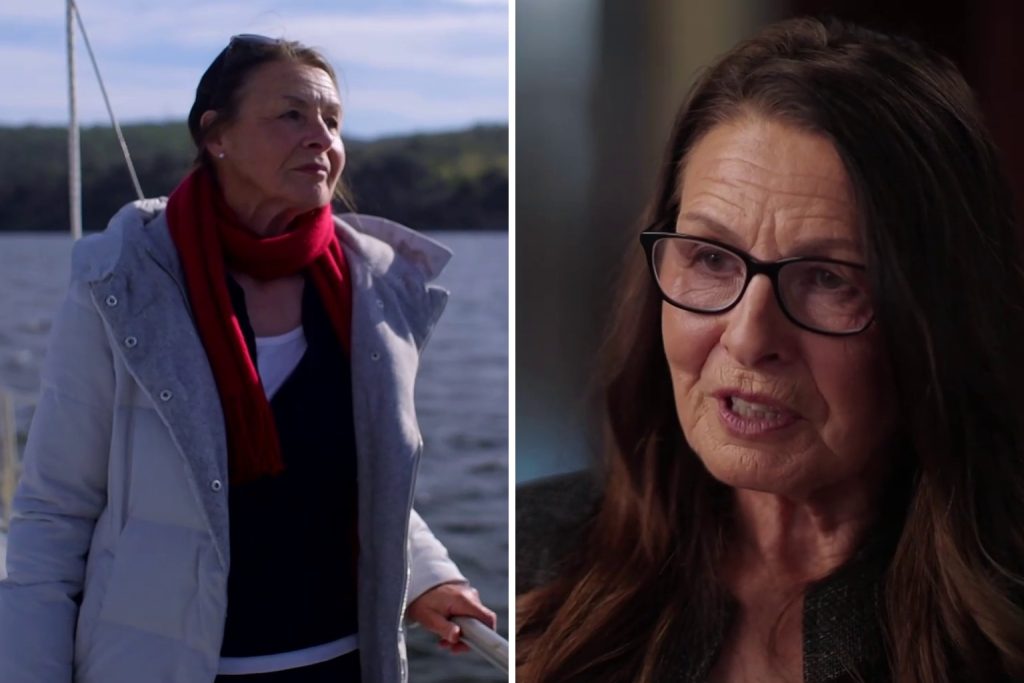
Tasmania’s police union has called for an end to the campaign questioning Susan Neill-Fraser’s murder conviction.
The Police Association of Tasmania spoke out on Monday after Neill-Fraser’s first TV interview since a court struck down a parole condition that stopped her talking to the media.
Association president Shane Tilley said police had faced more than 16 years of allegations, while the conviction had stood up in the courts.
“Throughout that time, the conviction has been tested, challenged and examined through the courts and remains a lawful conviction,” he said.
A Supreme Court jury found Neill-Fraser guilty in 2010 of murdering her partner Bob Chappell.

He disappeared from their yacht Four Winds, moored off Hobart, on Australia Day 2009.
Tilley said the association had “the utmost confidence” in the officers who investigated the case.
He said it felt the same about the forensic specialists and prosecutors involved.
He said police had faced “criticism, accusations and conspiracy theories advanced by a vocal campaign determined to rewrite the findings of the courts”.
“The question must now be asked – at what point does the finger-pointing stop being directed at police, prosecutors and the justice system and turn instead toward the person who was convicted by a jury and whose conviction continues to stand?” he said.

In a separate statement, Police Commissioner Donna Adams said Tasmania Police had full confidence in both the original investigation and later ones.
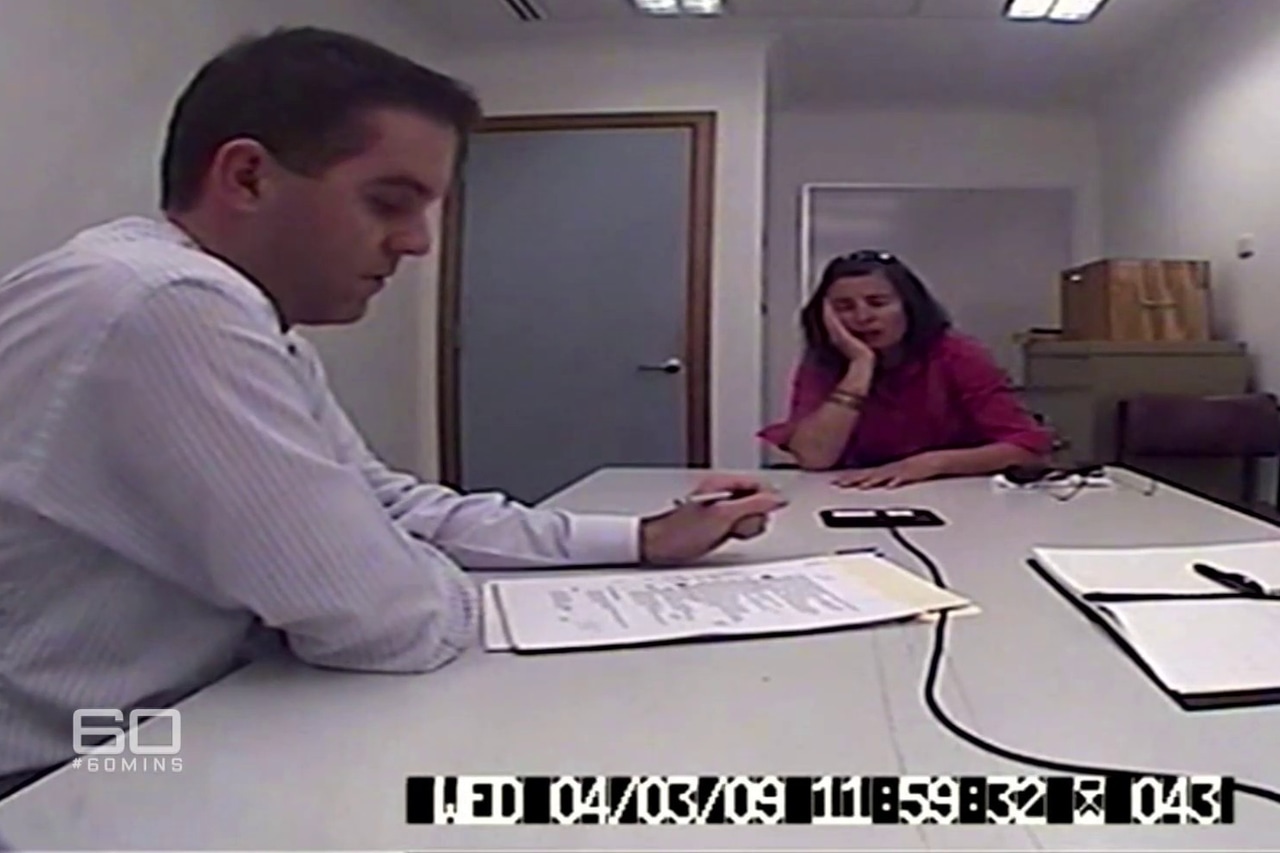
On 60 Minutes on Sunday night, Neill-Fraser, 72, again denied killing Chappell.
The program reported she was putting together a new legal team.
She was released on parole in 2022 after serving 13 years. Her appeals in 2012 and 2021 failed.
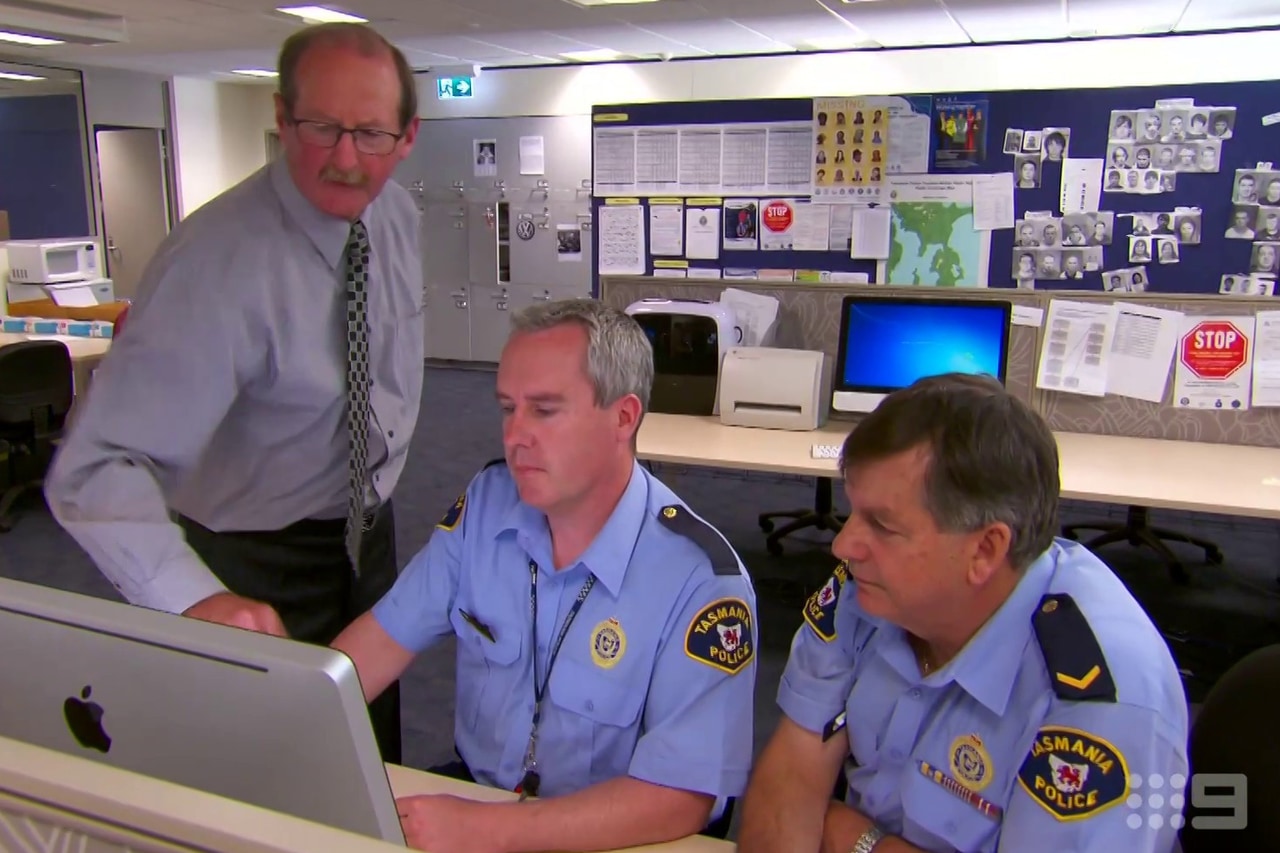
Tilley said any fresh and compelling evidence could be tested through a further appeal under section 402A of the Criminal Code Act 1924.
“That is where this matter belongs. Not in media campaigns. Not in petitions. Not in television ratings exercises. In a court of law,” he said.
“Unless and until such fresh and compelling evidence is produced, tested and accepted by the courts, the time has come to put this matter to bed.”