All Tasmanian parliamentarians are now receiving the 22% pay rise, Rockliff says, after some initially chose to take a 3% increase.
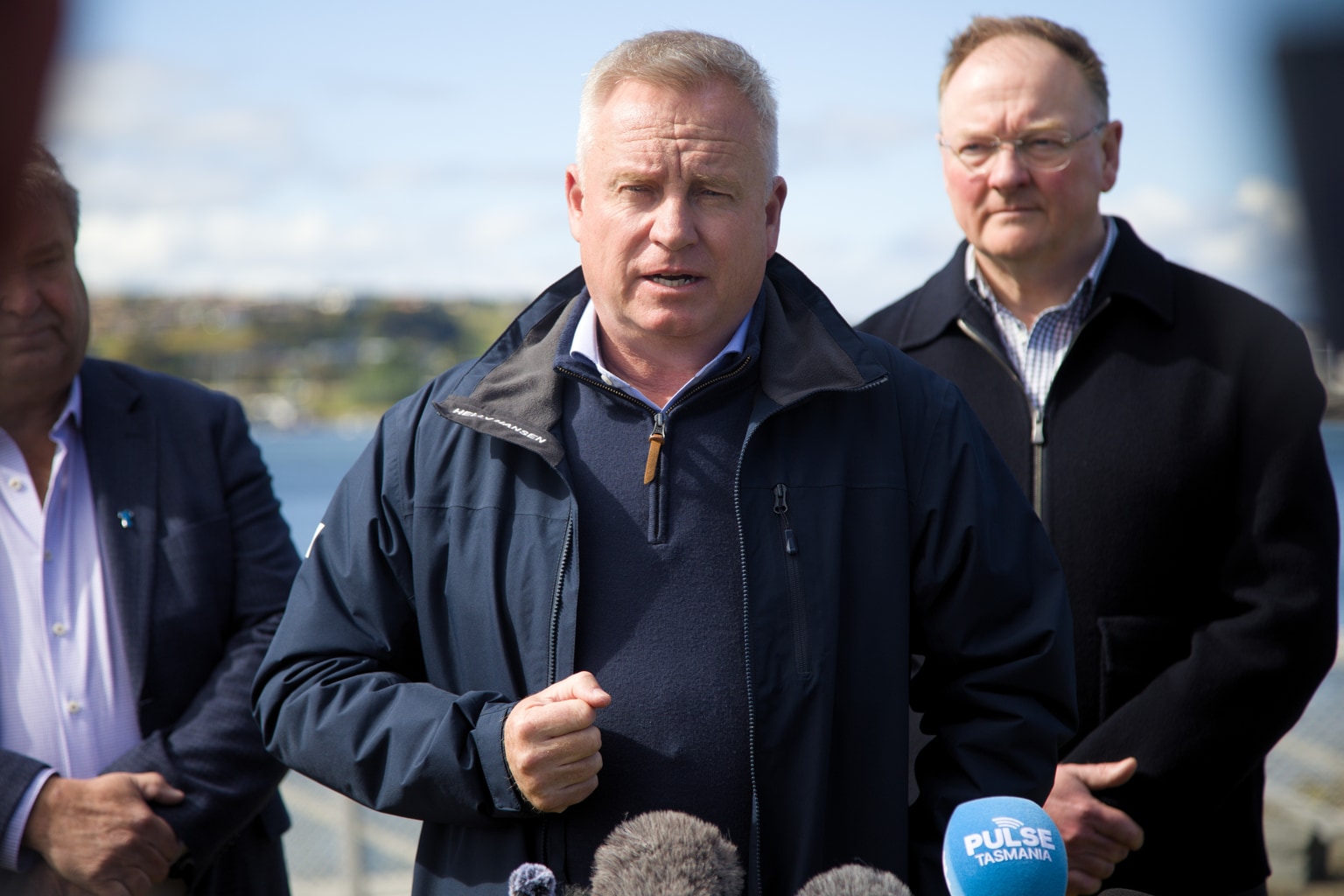
Premier Jeremy Rockliff said in a statement that, as he understood it, “all parliamentarians have been brought into line with the Industrial Commission’s determination”.
“I did accept much less than recommended by the Industrial Commission for over a year,” he said.
The Tasmanian Industrial Commission ruled in June last year that base MP salaries should rise from $140,185 to $171,527, ending a pay freeze in place since 2018.
Ministers’ salaries rose to $291,597 and the premier’s to almost $369,000.
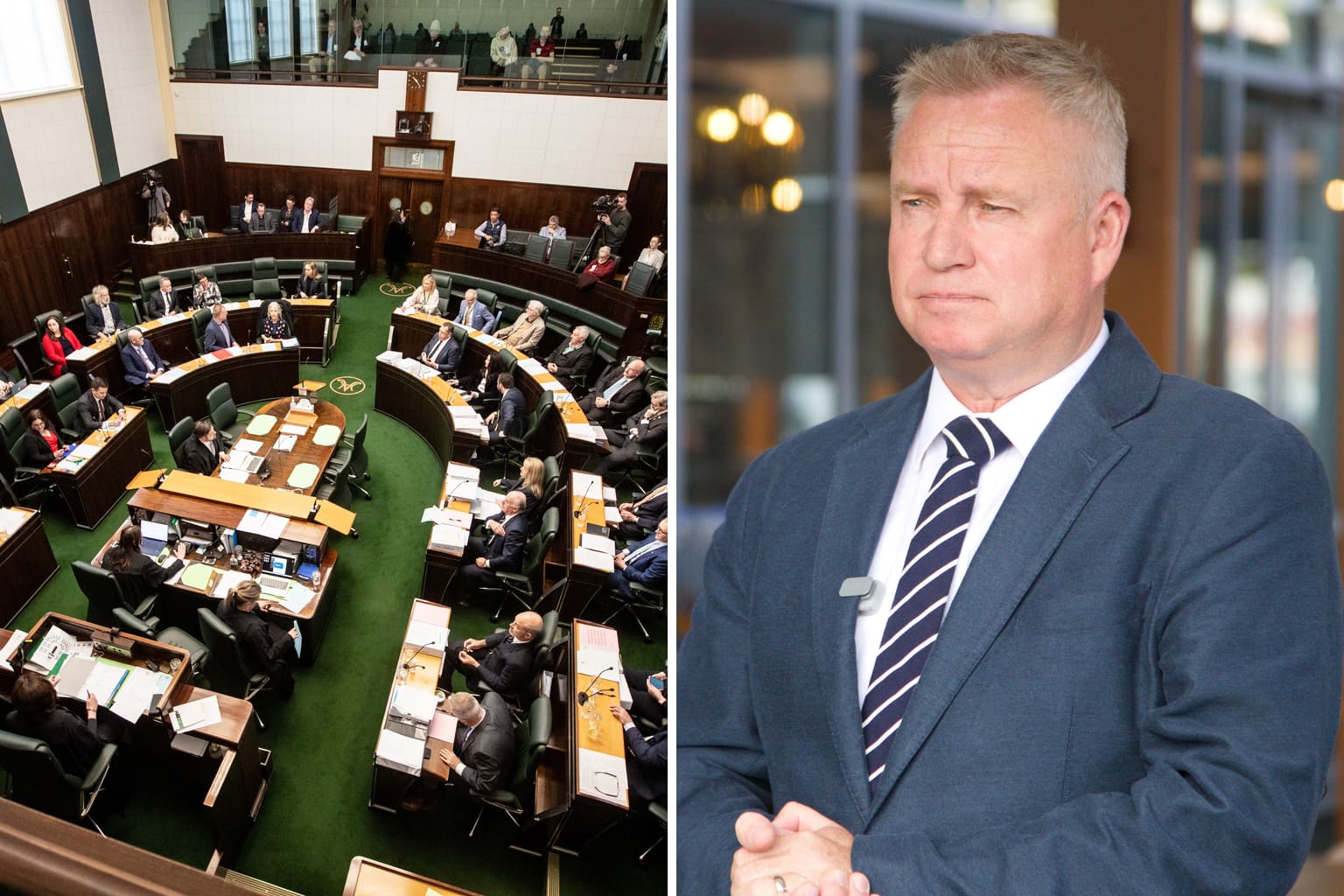
The House of Assembly voted 19-14 to reject the rise, with all Liberal MPs, the Greens and independent David O’Byrne opposed.
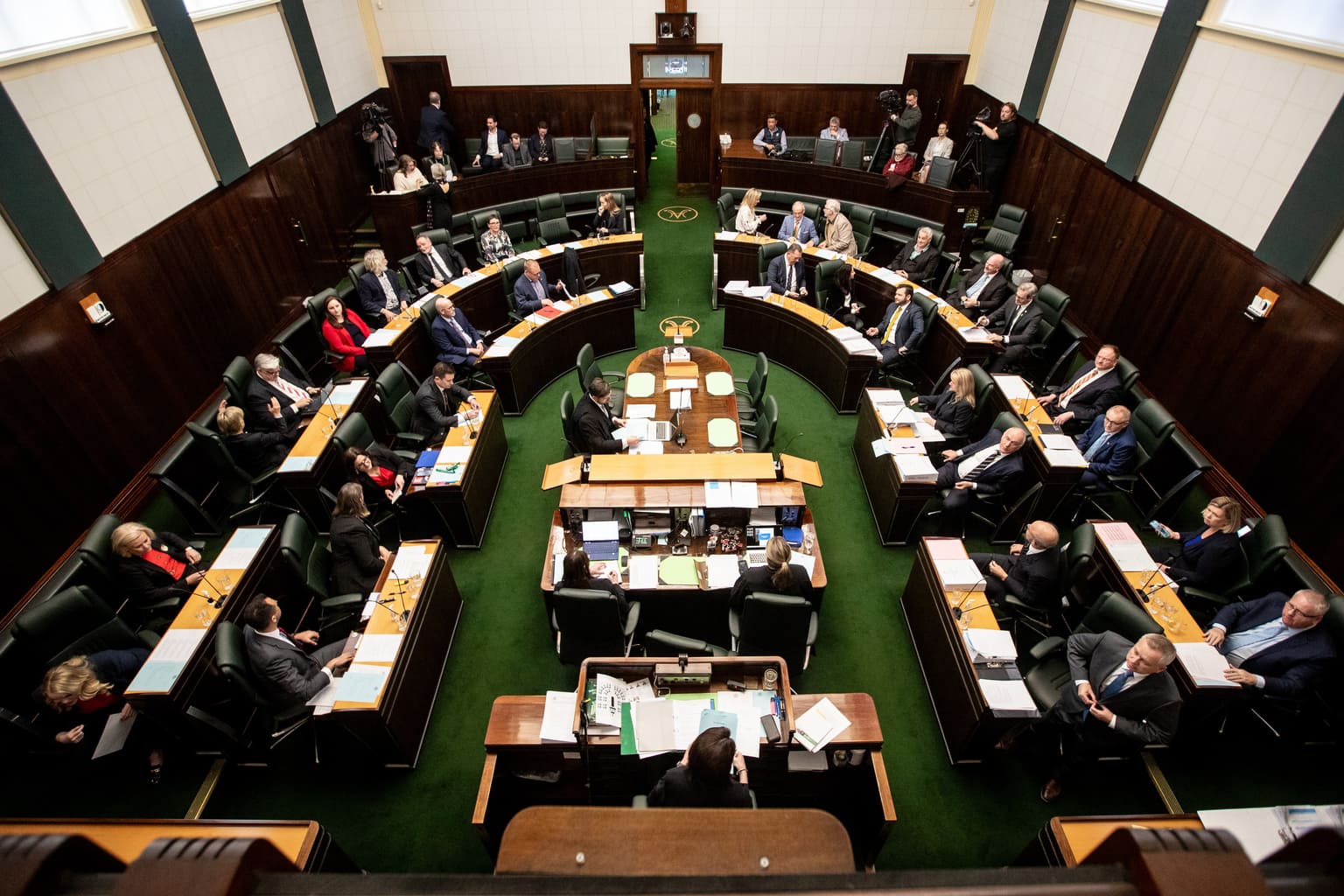
The Legislative Council voted 10-4 to accept it, with Labor and all eight upper house crossbenchers in favour, so the rise came into effect automatically.
At the time, Rockliff said he would “personally not be accepting it”.
“We tried to stop the pay rise, however Labor voted for it,” Rockliff said in his statement.
“Tasmanians rightly did not expect one of the first actions of the new parliament was to be voting on a pay rise for MPs.”
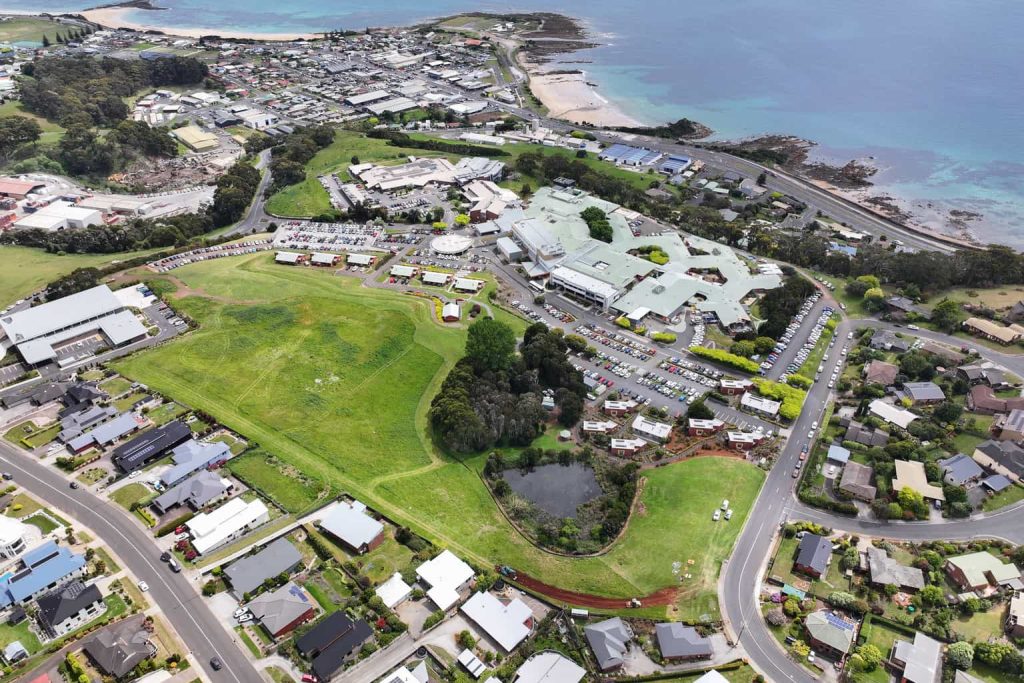
Health Minister Bridget Archer said in Burnie today she had taken a 3% rise for a year before moving to the full rate.
“I did not initially accept a 22% pay rise, I accepted a 3% pay rise for a year,” she said.
She said she had “very recently, after 12 months, reverted to the base rate of the salary” and the decision was “a matter for individual parliamentarians”.
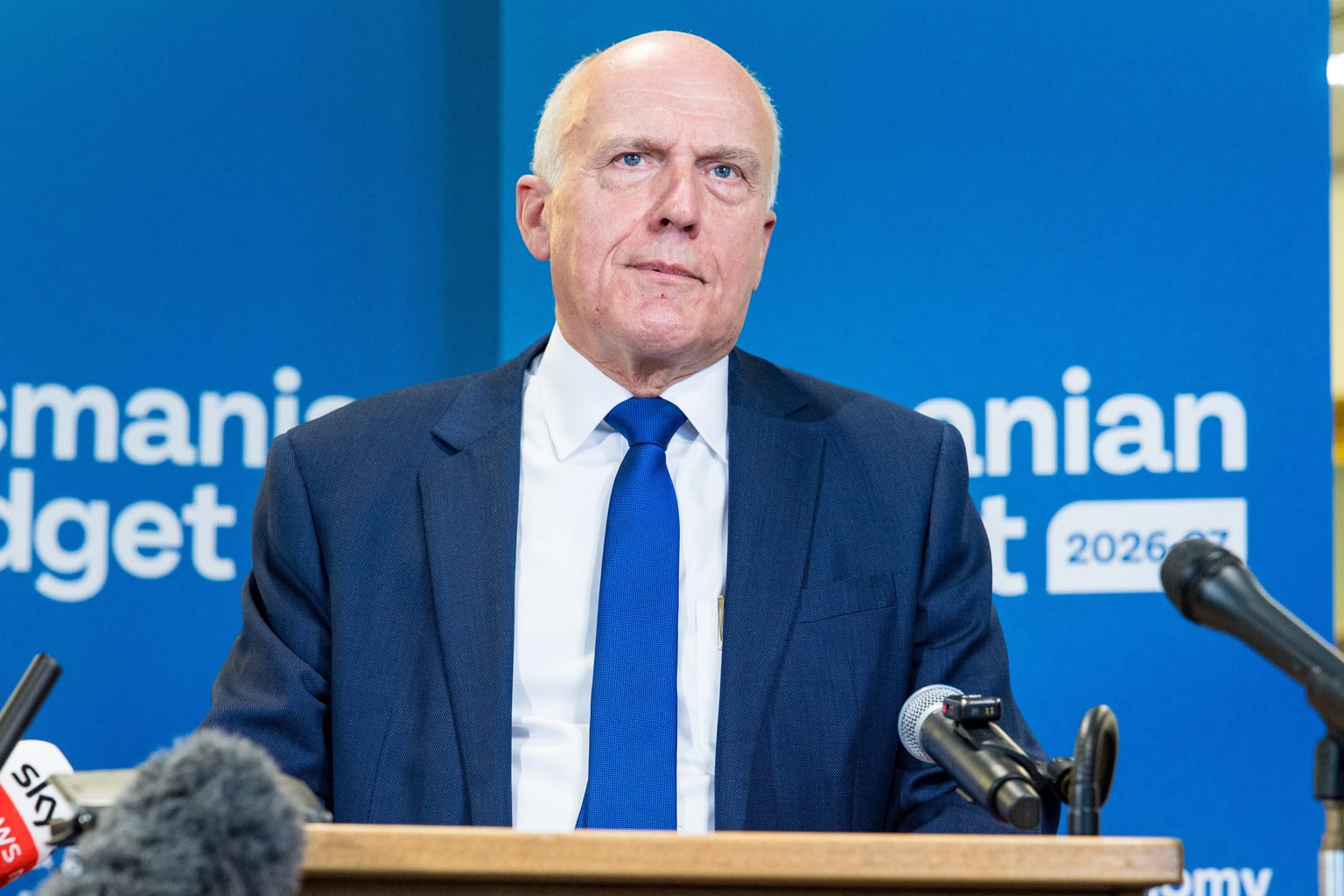
Treasurer Eric Abetz said in a statement he had “accepted the will of the parliament” after the government’s attempt to block the rise was rejected by the house.
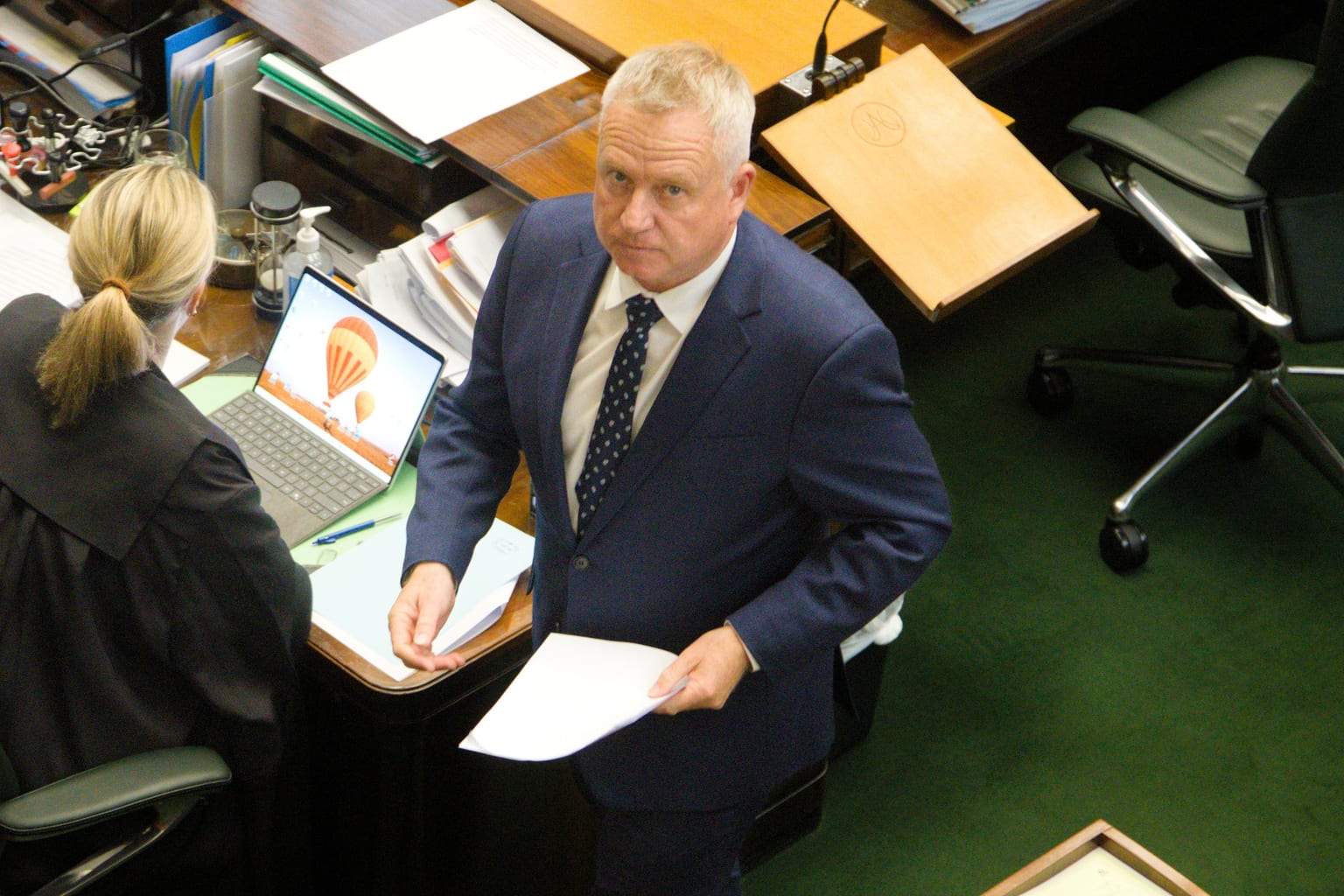
He said he had given up his Commonwealth entitlement to serve in state parliament.
The government aims to cut around 1,700 jobs from the state service by 2029-30, with close to $1.5 billion in savings over four years, including more than $700 million from the Department of Health.
Most public sector workers accepted a three-year deal in April of 3% in the first and second years and 2.75% in the third, with paramedics accepting the same pay rises in June.
In September, Abetz said there was “at this stage, no intention to engage in compulsory or non-voluntary redundancies”.
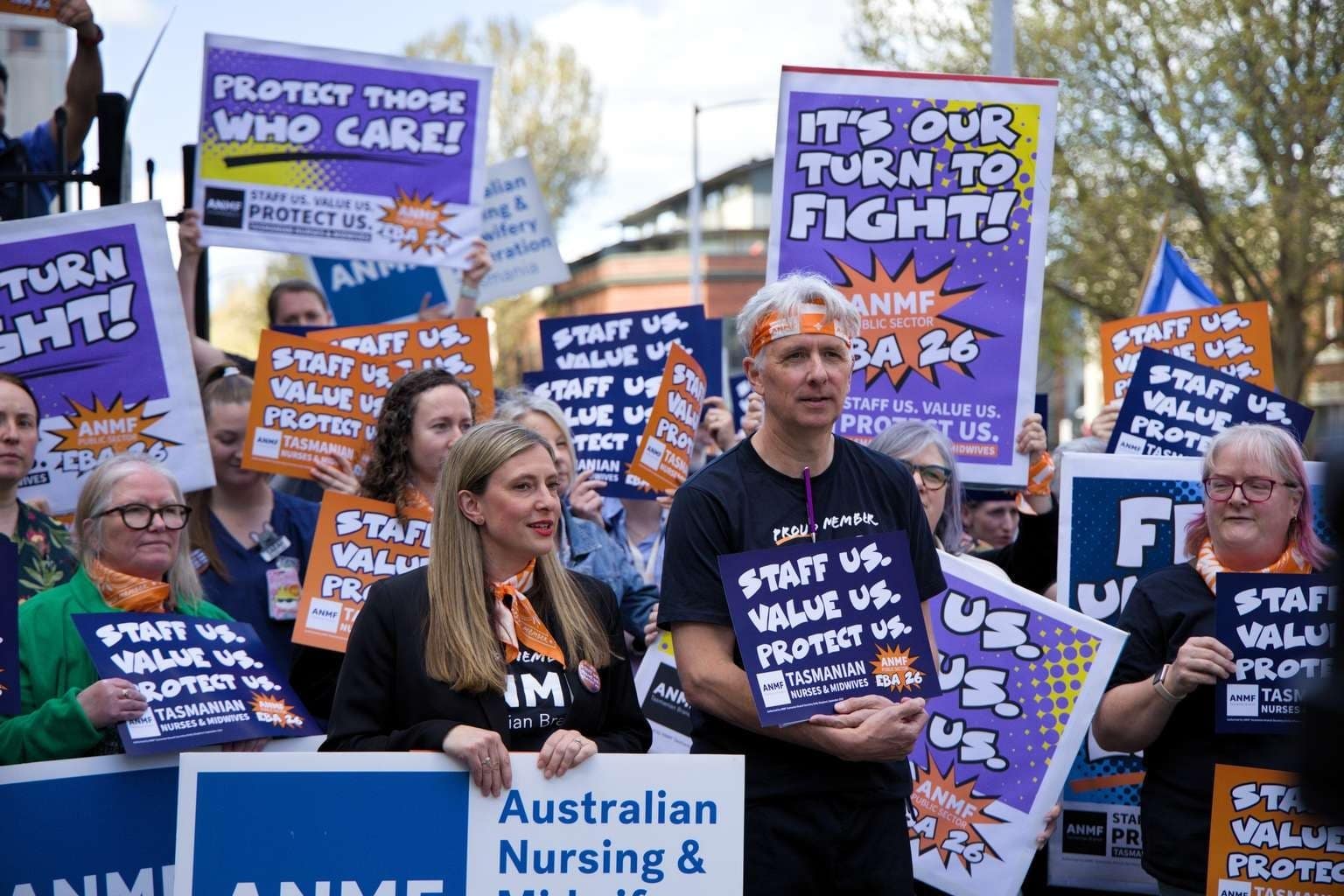
Nurses and midwives at the Royal Hobart Hospital and the Repatriation Centre walked off the job on Saturday, as negotiations over a new pay deal continue.
Archer was asked how nurses, who have been offered 3% a year, would feel about politicians accepting a 22% rise.
“I don’t think it is reasonable to compare and contrast,” she said.
She said the government was negotiating with nurses in good faith and wanted to deliver “a fair and affordable pay rise for our nurses as soon as we possibly can”.