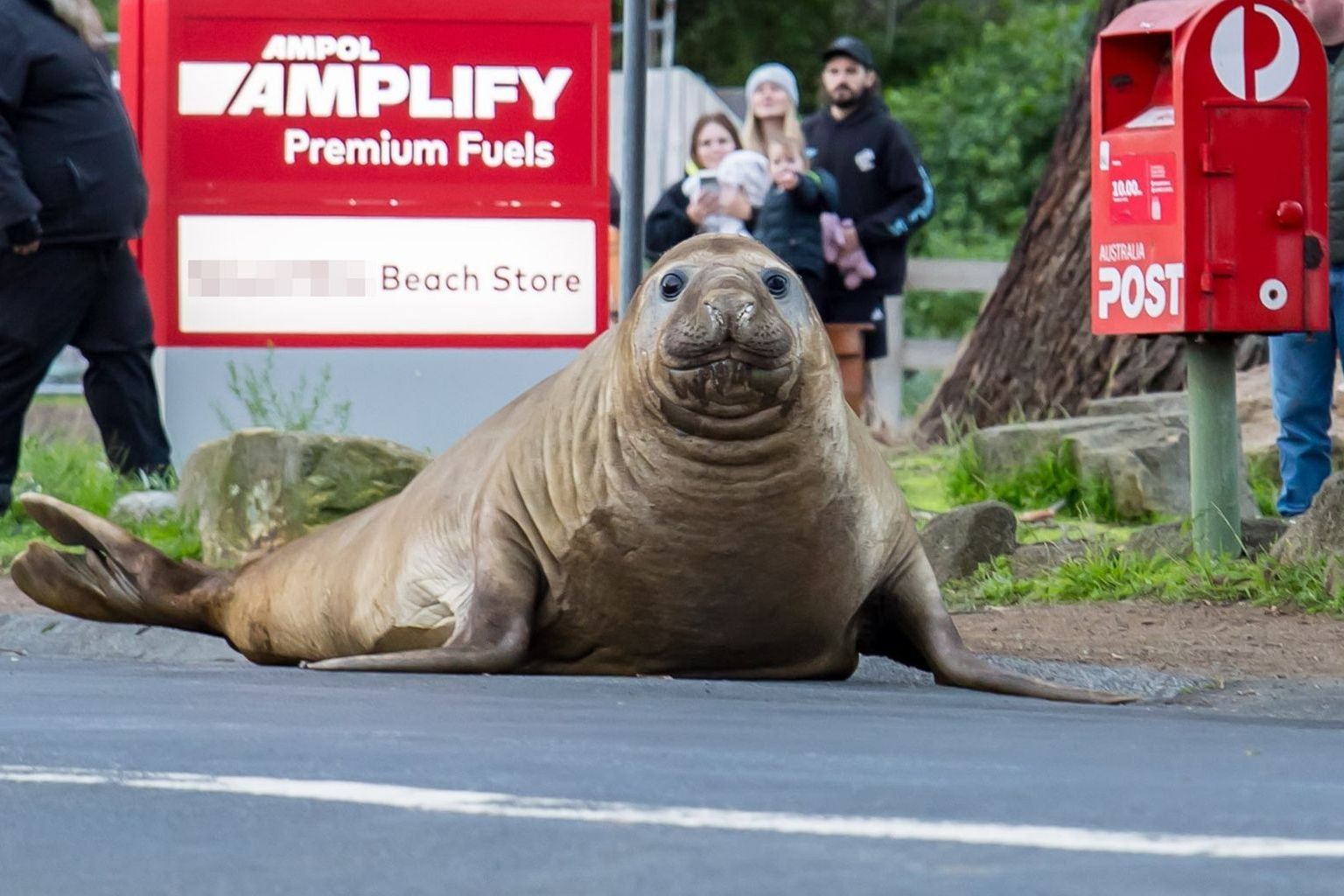
The Clarence City Council is facing growing calls to develop a formal plan for managing Neil the seal, with a council candidate and the deputy mayor pushing similar ideas within 24 hours of each other.
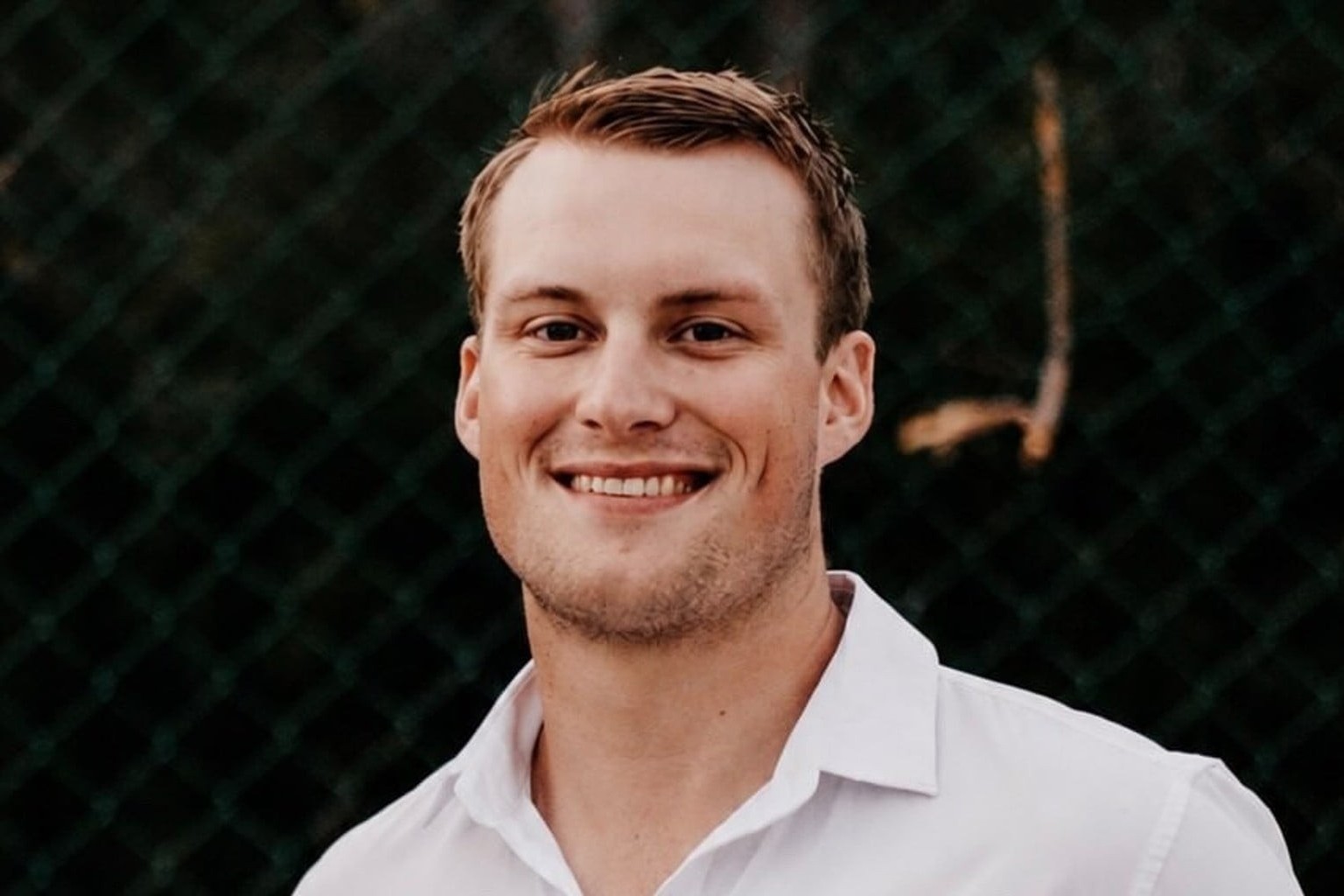
Council candidate Zac Morrisby on Friday called for a “Neil the seal action plan” that could include a fenced-off resting area, safe viewing spots, better traffic management and even scratching posts if wildlife experts approved them.
“Neil’s visits are no longer a surprise,” he wrote on social media.
“Every year, he attracts huge crowds, slows traffic, and becomes one of the biggest talking points in Clarence.”
“Instead of reacting each time he arrives, why not be prepared?”
His social media post blew up, generating hundreds of likes and comments as locals backed the idea.
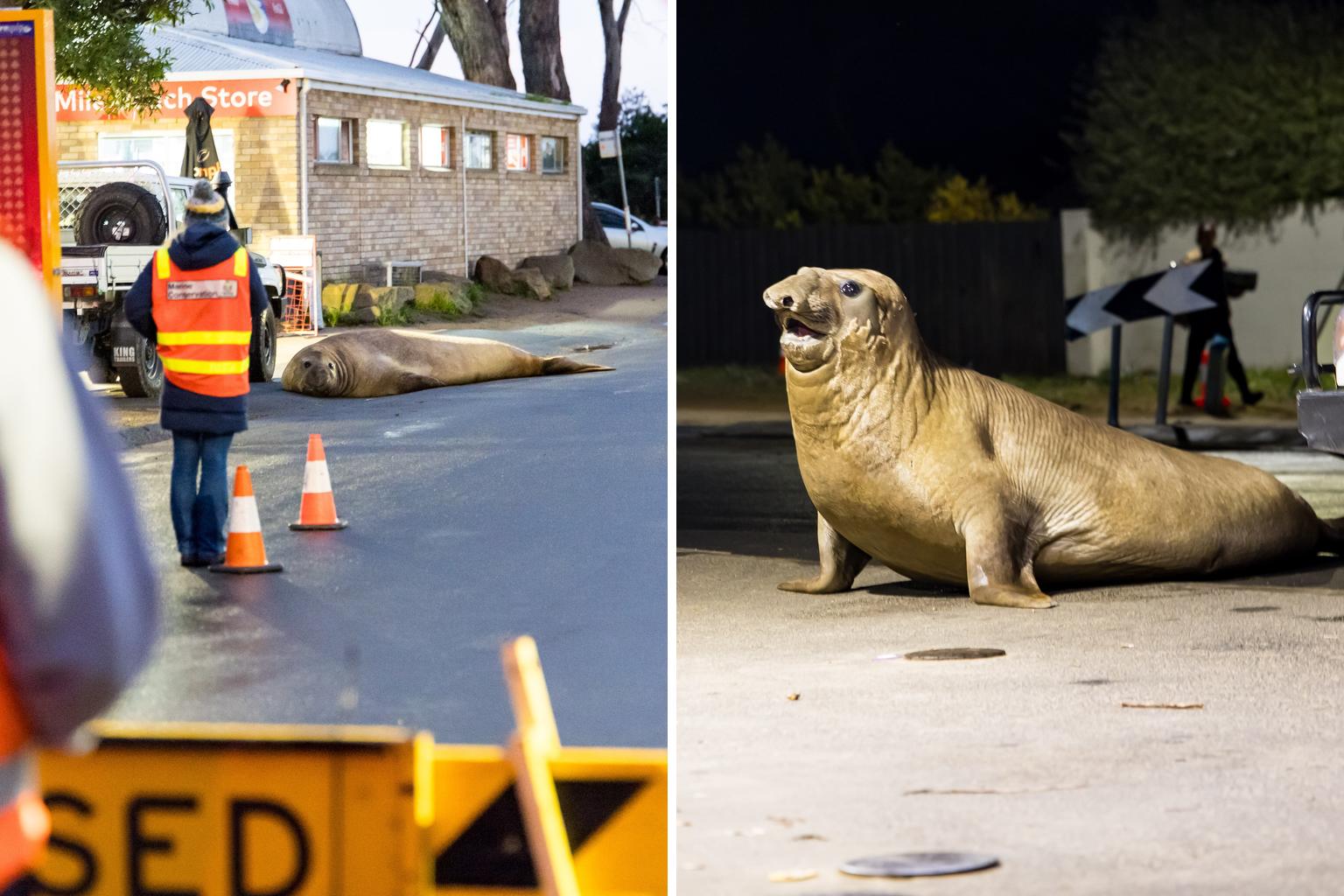
A day later, Deputy Mayor Allison Ritchie formally wrote to both Parks and Environment Minister Nick Duigan and Mayor Brendan Blomeley calling for a government partnership to manage the famous elephant seal.
“Neil the seal has captured the hearts of Tasmanians and visitors from around the world,” Ritchie said.
“He is a reminder of the unique wildlife that makes Tasmania special, but he is also a large wild animal whose welfare and safety must be carefully managed.”
Her proposal calls for formal response rules, public education campaigns, temporary exclusion zones, planning for future locations where Neil hauls out and funding to help councils deal with wildlife incidents.

Speaking to Pulse earlier this week, Mayor Brendan Blomeley Blomeley said council did not yet know the full damage bill from Neil’s recent activity.
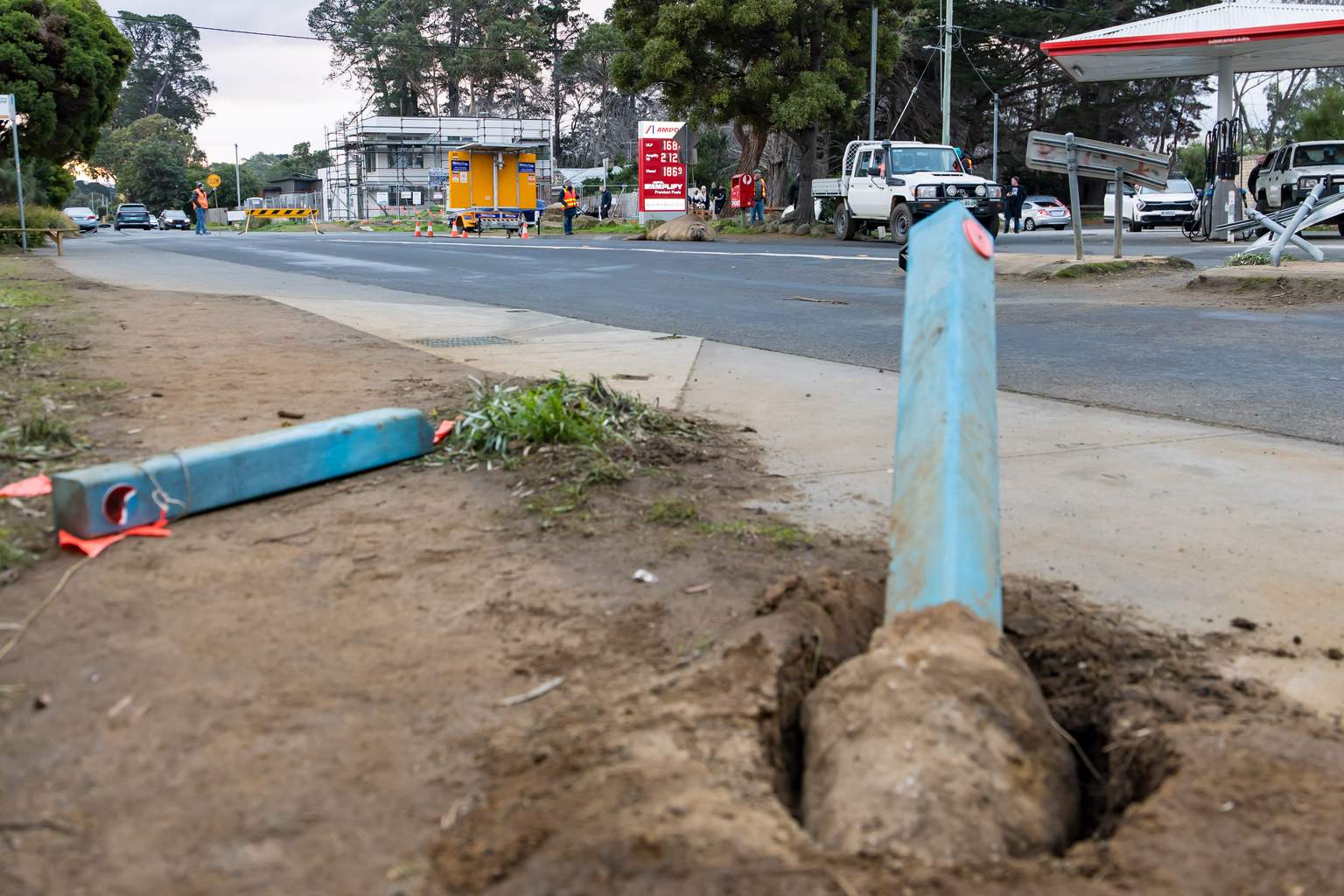
“At the moment we don’t have a complete understanding of the damage Neil has caused to public infrastructure but he has obviously knocked over a number of poles and bollards,” Blomeley said.
“Once Neil has returned to the water and has moved on we will be able to get in and assess the damage.”
The push for a formal plan comes after almost 5,000 people signed a petition urging authorities to rule out putting Neil down.
The petition was launched after Department of Natural Resources and Environment wildlife biologist Kris Carlyon warned that dangerous public behaviour around the seal could force drastic action.
“There is a risk here of essentially loving Neil to death,” Carlyon said.
“We’ve seen examples around the world where large, potentially dangerous animals have had to be euthanised if this risky behaviour by the public results in an unmanageable safety concern.”
Carlyon said some people had carried small babies close to the seal to get photos for social media.
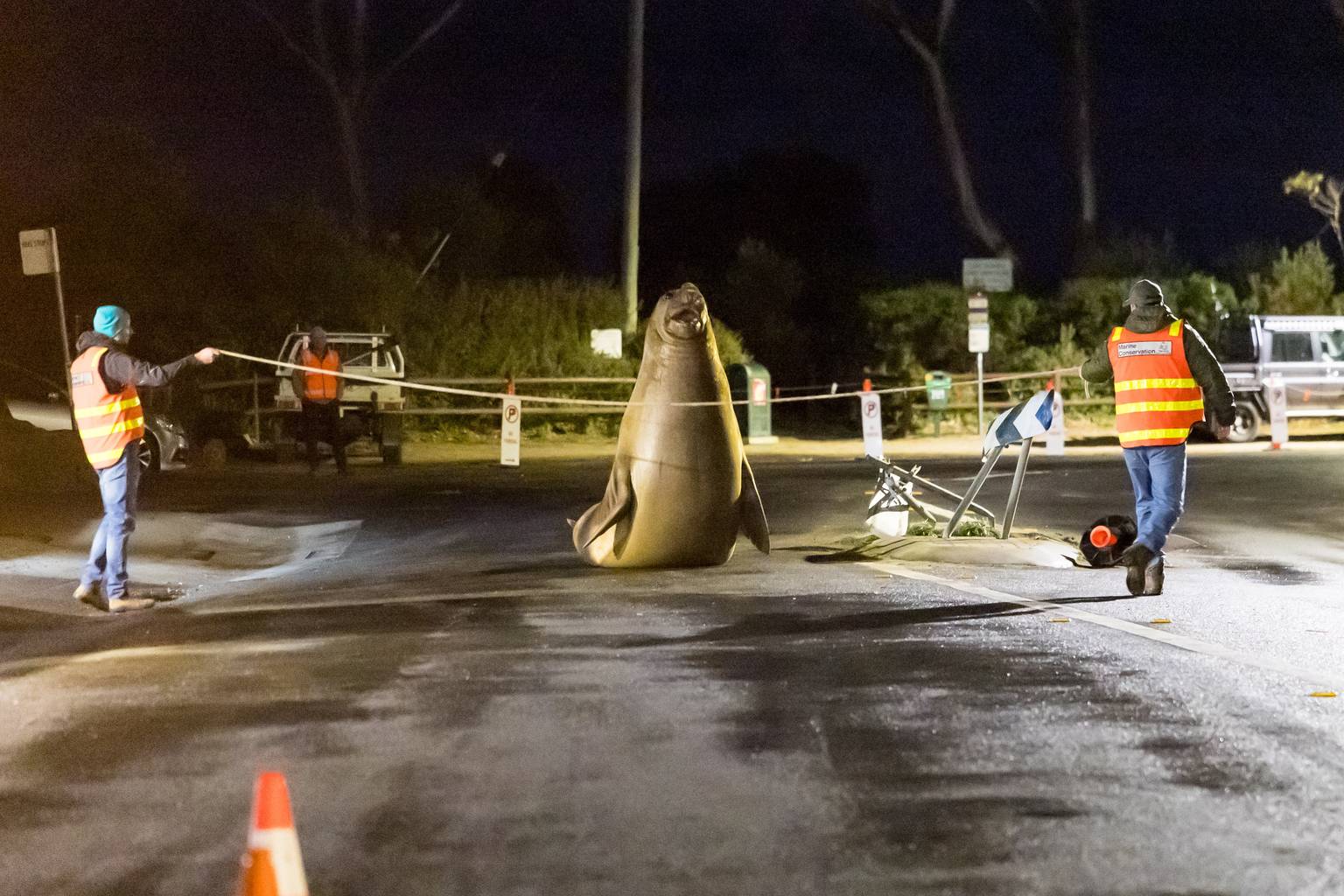
Neil was born in south-east Tasmania in 2020 and now weighs around 1,000 kilograms, with the potential to reach about three tonnes.