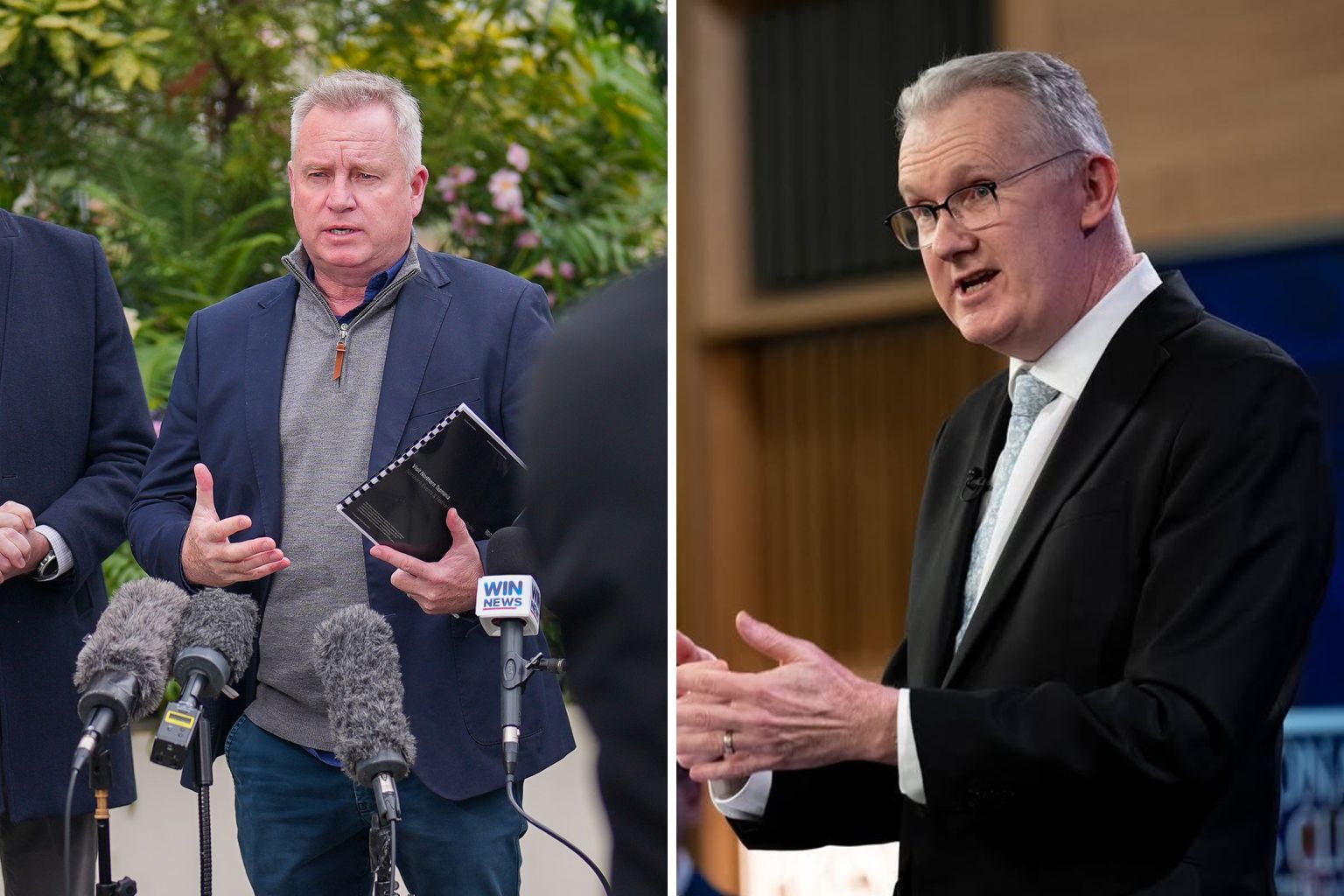
Premier Jeremy Rockliff says the federal government’s migration changes will be “disastrous” for Tasmania, warning fruit will be left rotting on the vine.
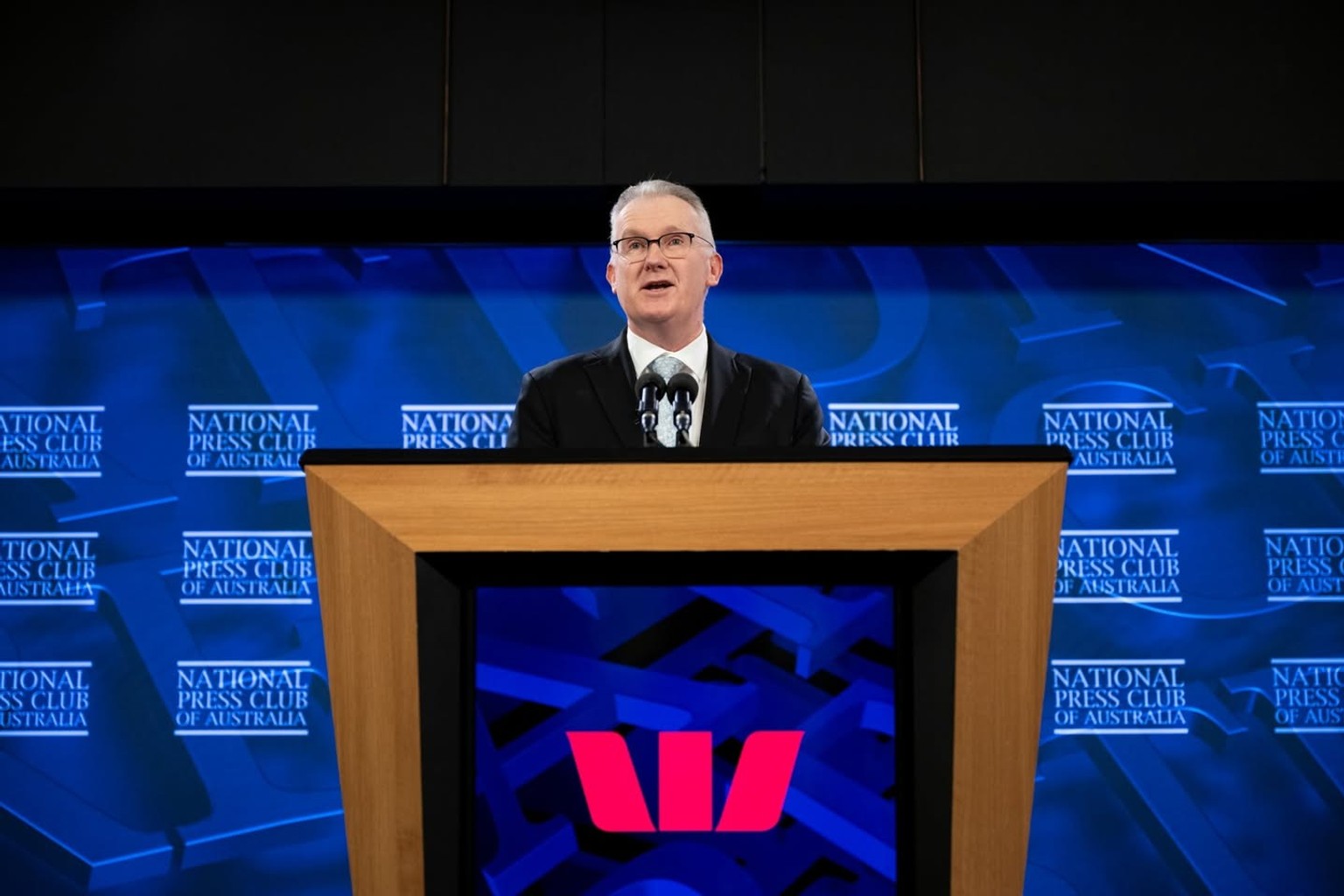
Home Affairs Minister Tony Burke announced the package on Wednesday, including a ballot system limiting how many backpackers can stay in Australia beyond their first year.
Second-year working holiday places will be capped at 45,000, down from about 57,000 people who qualified this year.
Third-year places will be cut to 5,000, down from about 31,000.
Applicants will still need to complete 88 days of regional work to enter the second-year ballot and six months for the third year.
UK citizens are exempt under the Australia-UK Free Trade Agreement.

Speaking in Launceston on Friday, Rockliff said the policy had not been thought through.
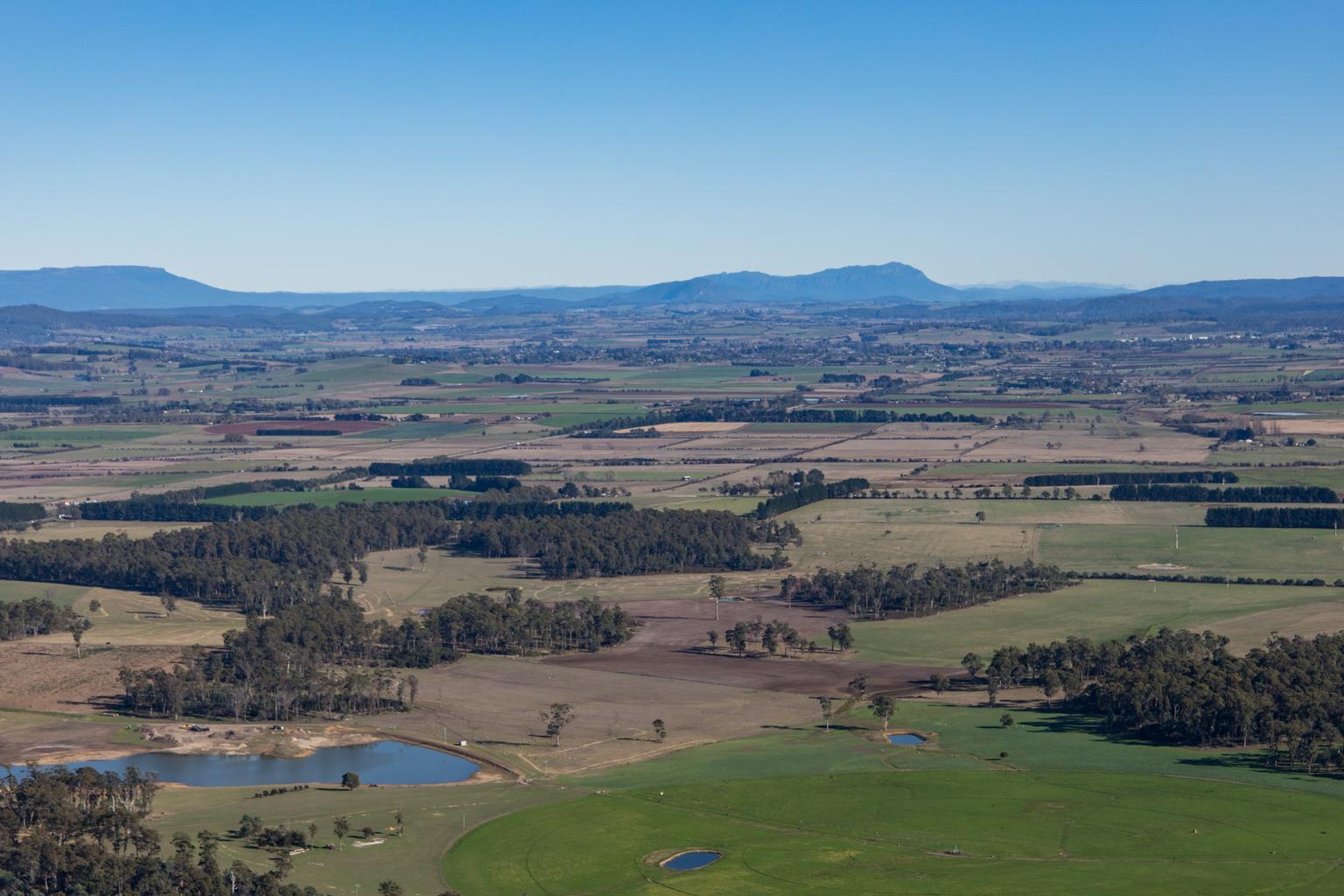
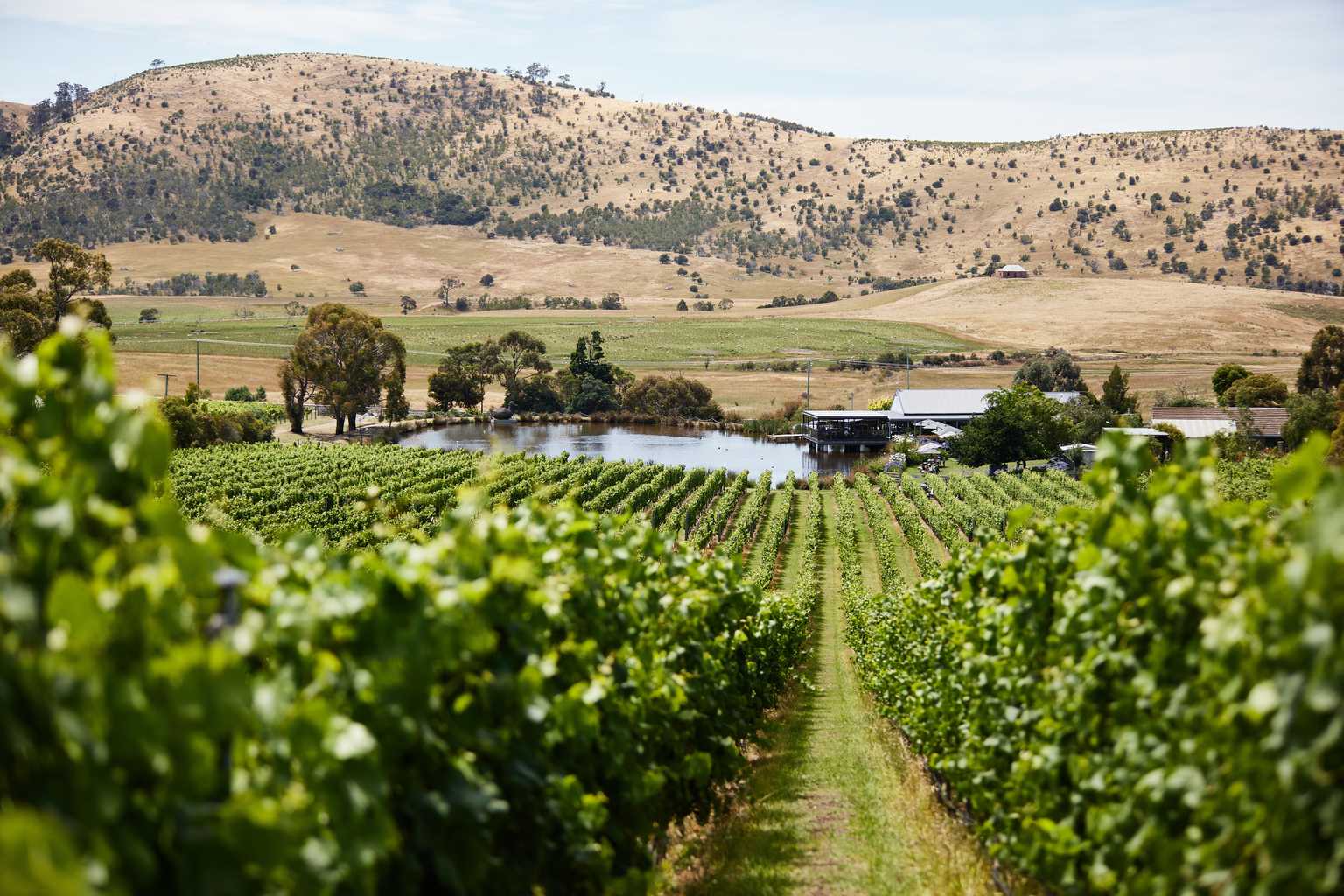
“We will have fruit rotting on the vines when we don’t have people to pick it,” he said.
“That is the devastation of the consequences economically of what is a very, very poorly thought out policy when it comes to the regional economies of Australia.”
Rockliff said Tasmania was a region in itself and the most decentralised state in the country.
“This is a job destroying policy, not only for the backpackers themselves, but also the supply chain,” he said.
“If you don’t pick the fruit, there’s no jobs in transport. There’s no jobs in packing. There’s no jobs in marketing.”
He said the policy “must be reversed” or it would destroy the economies of rural and regional Tasmania.
Rockliff said he would continue to meet with TasFarmers and Rural Business Tasmania on the issue.

Business Minister Felix Ellis was more pointed, posting on Facebook “ISIS brides in, backpackers out” and calling Labor’s migration policies absurd.
“Our farmers, tourism operators and hospitality businesses rely on working holiday makers to fill critical seasonal roles,” he wrote.
The return of Australian women and children with links to Islamic State is a separate matter involving Australian citizens and is not affected by the visa changes.
Burke said the government supported immigration but was opposed to anyone rorting the system.
“Almost everyone who comes to Australia is a good guest in our country,” he said.
“These reforms are to ensure that our migration system can be better targeted to the current needs of Australia.”
The government says net overseas migration has fallen to 292,000, down 47% from its post-Covid peak in 2023.
It is forecast to reach 245,000 this financial year and 225,000 in 2027-28.
The package also restricts most international students from bringing partners or children and expands compliance measures targeting visa overstayers.
It adds agriculture, fisheries, construction and teaching to skilled migration processing priorities.
Working holiday processing times will be stabilised at three months.