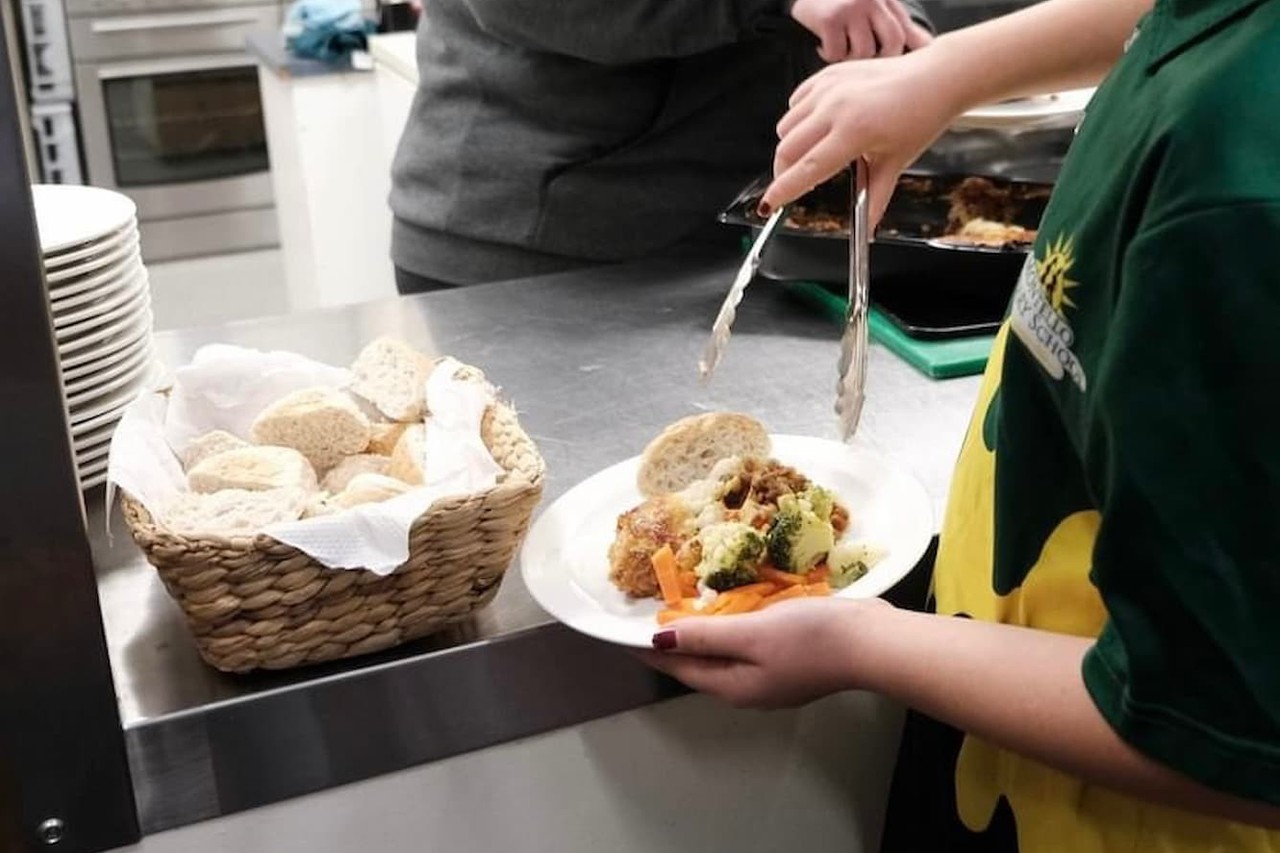
Tasmanian farmers are supplying increasing amounts of local produce to the state’s free school lunch program, which now serves 21,500 meals a week across 60 public schools.
The program is backed by a $14.6 million state government investment over two years, which includes $600,000 for kitchen upgrades at schools without adequate facilities.
It comes as a separate school breakfast program, run in partnership with Variety Tasmania, is delivering more than 300,000 free meals across 76 government schools, as part of a broader push to improve student nutrition.
Fifteen Tasmanian growers currently supply produce to the lunch program, including apples, potatoes, flour and parsley.
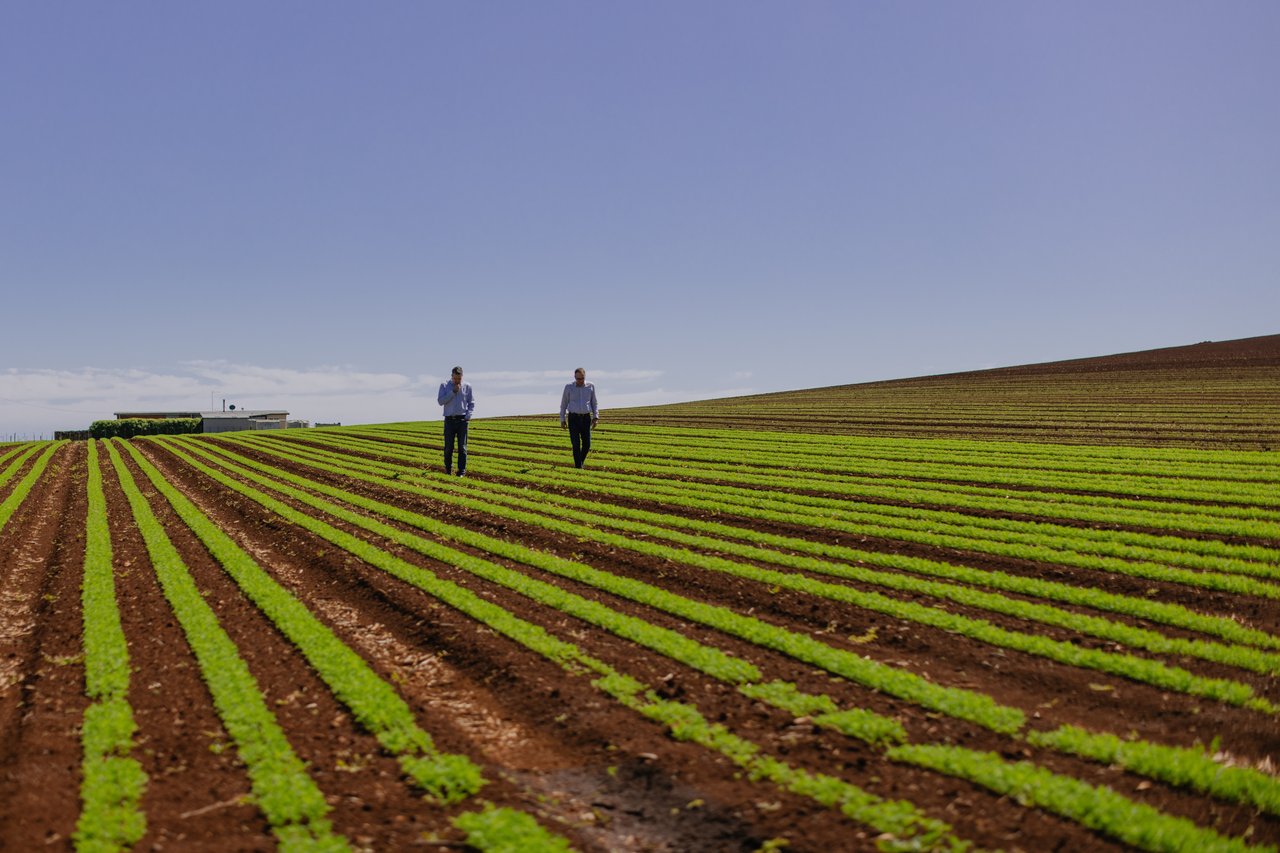
The program has been expanding its reliance on local produce as part of efforts to shorten supply chains and support Tasmanian agriculture.
Loaves and Fishes Tasmania chief executive Andrew Hillier said the volume of locally sourced food had increased significantly since the program began.
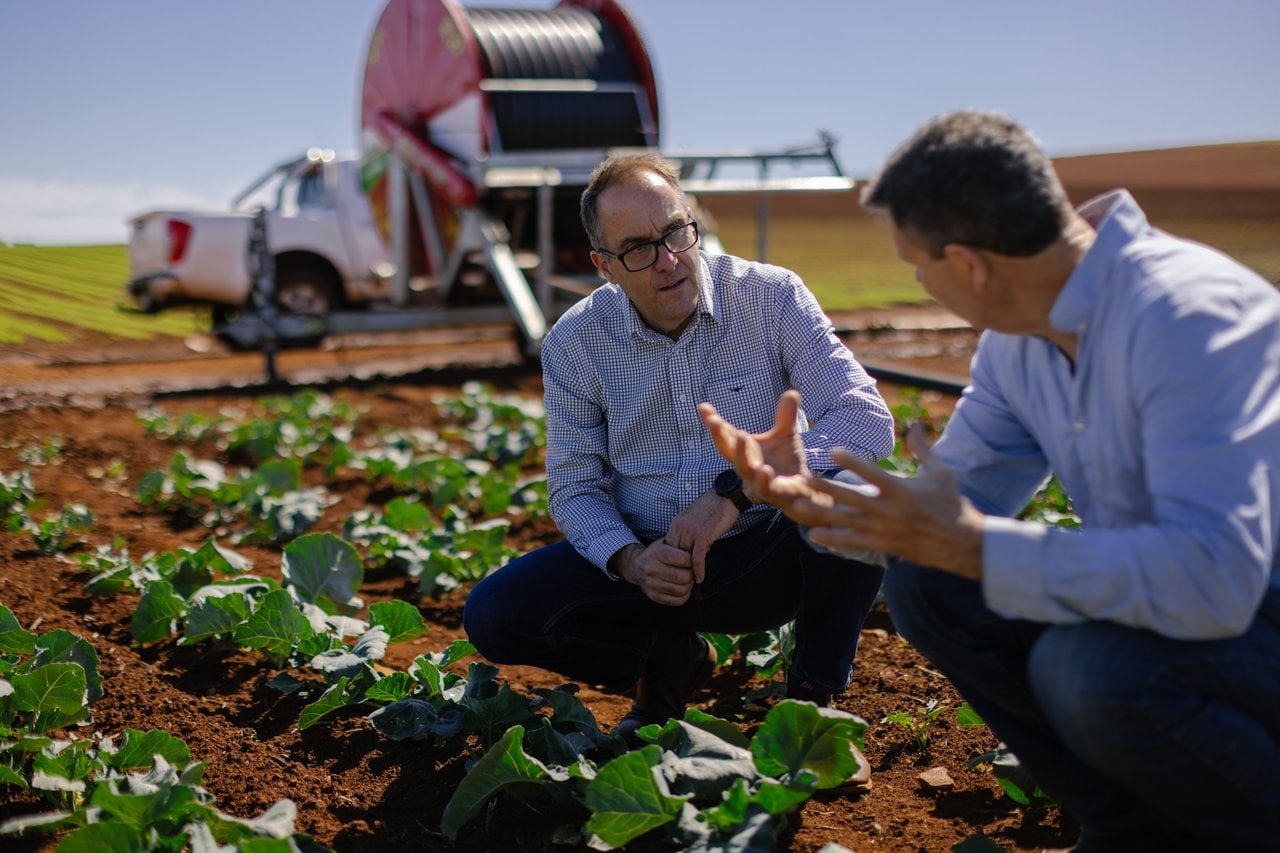
“Every week the program now uses just under half a tonne of fresh veggies a week, over 150 kilograms of dairy and around 1850 apples, all sourced from our local producers and suppliers,” Hillier said.
“When the program first started it was 65 kilograms of fresh produce, eight kilograms of dairy so there has been quite a significant increase since then.”
Loaves and Fishes prepares ready-made meals delivered to some schools, while others receive ingredients to cook on site.
Hillier said the long-term goal was to work directly with more farmers to provide an alternative market for local produce.
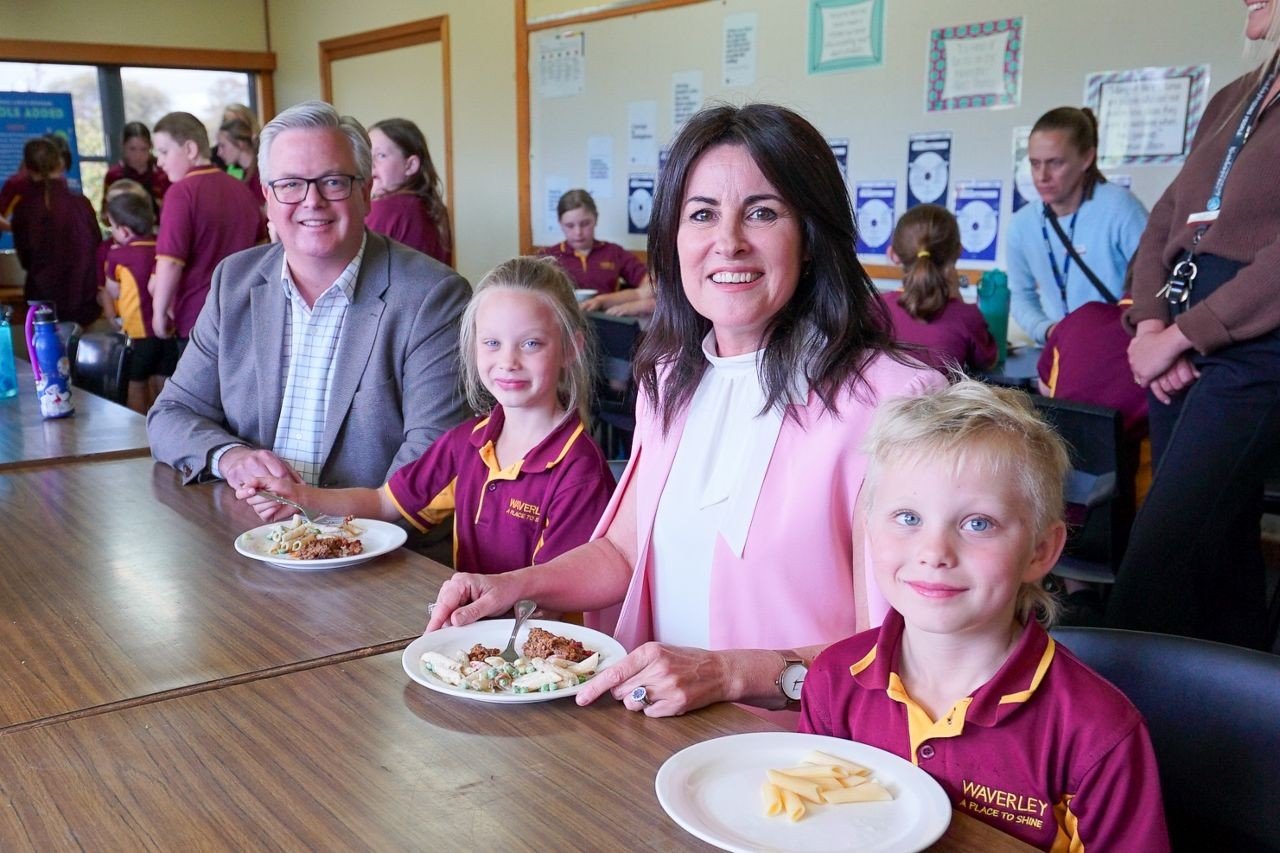
“Suppliers get good value for their product, food miles are decreased and the supply chain is a lot more robust and tighter,” he said.
The lunch program doubled from 30 to 60 schools under the same government funding package, which also supports broader school food initiatives aimed at ensuring students are fed throughout the day.
Tasmanian Education Minister Jo Palmer has previously said teachers and principals reported calmer students who were better able to focus in the classroom.
School Food Matters chair Kath Wilson said the program went beyond simply providing meals.
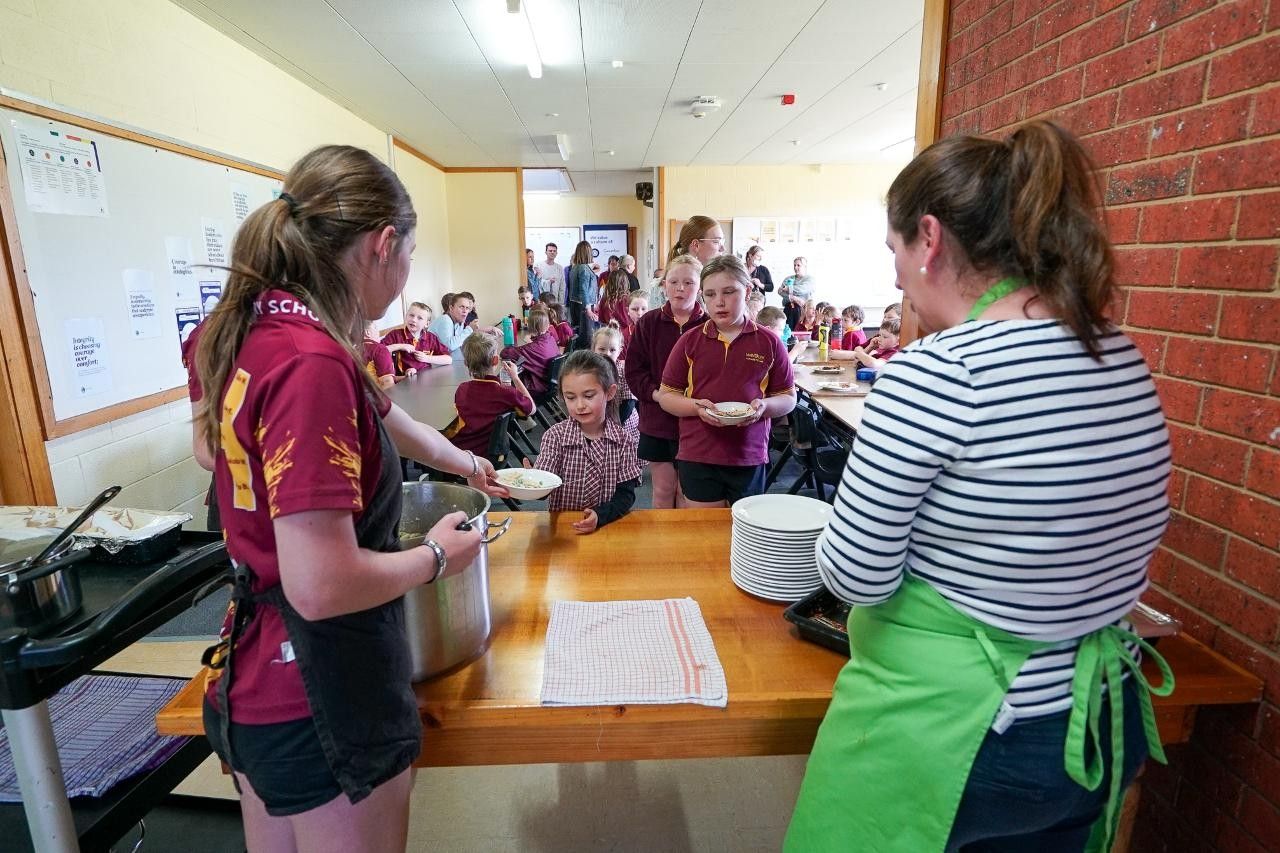
“There’s this wonderful connection between health, education and the Tasmanian economy,” Wilson said.
She said it also helped address food insecurity.
“It removes hunger and poor food choices which are obstacles to focus, engagement and learning for children,” she said.
“With a great start at school, children can take an understanding of good nutrition with them into adulthood.”
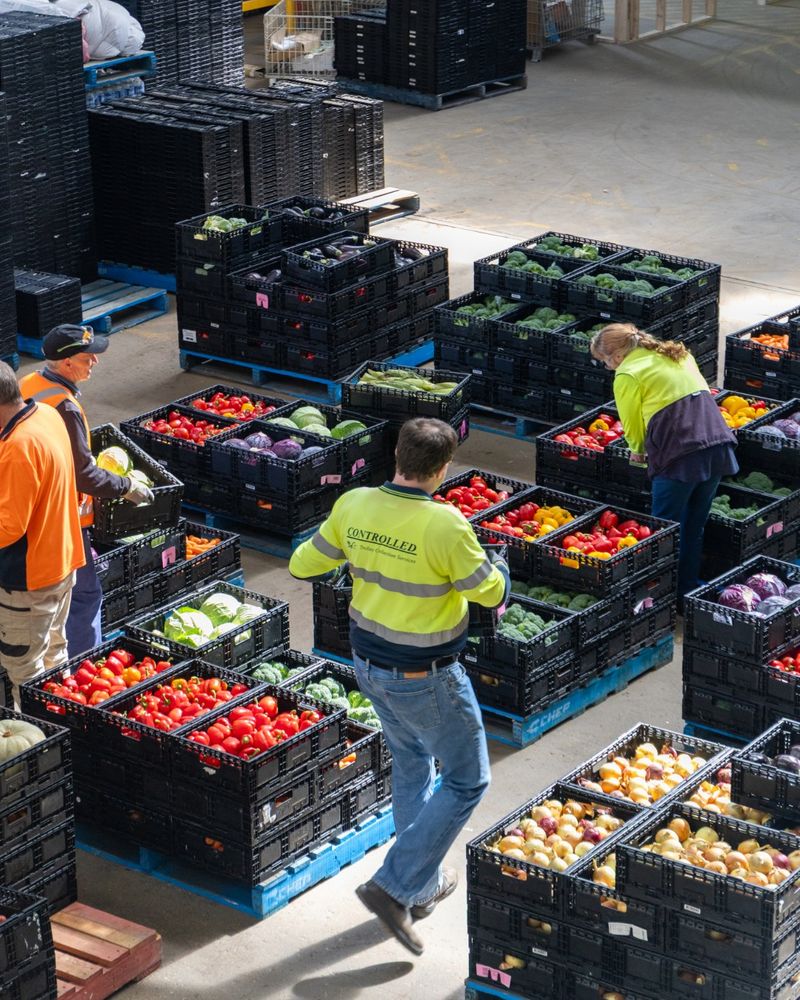
All meals are cooked from scratch rather than using processed foods, and students are encouraged to try new foods over time.