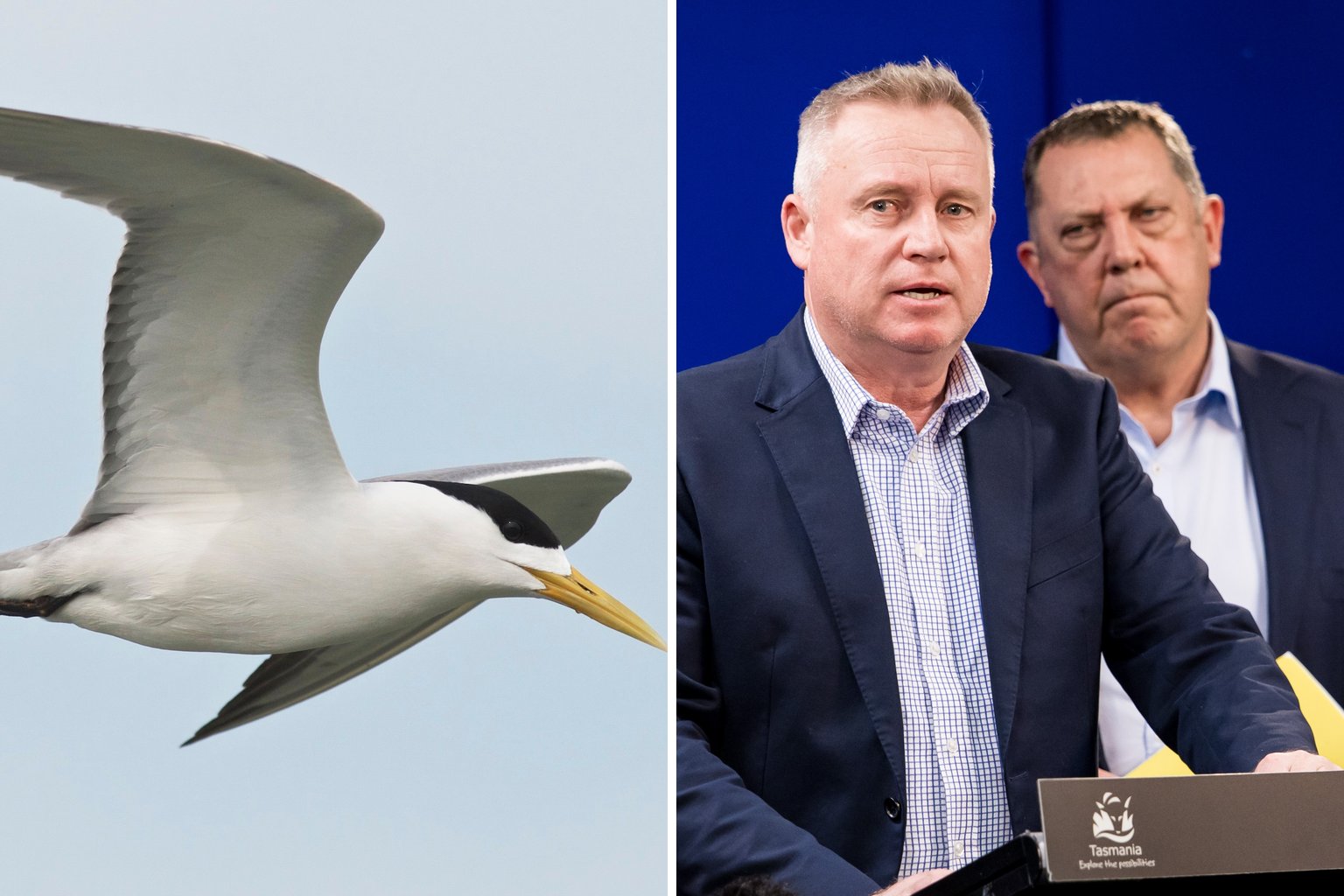
A second case of H5 bird flu has been confirmed in Tasmania after a Crested Tern collected from Currie on King Island tested positive overnight.
Two more Crested Terns were found dead at the same location late Thursday afternoon and have been sent to the Animal Health Laboratories at Mt Pleasant for testing, with results expected on Saturday.
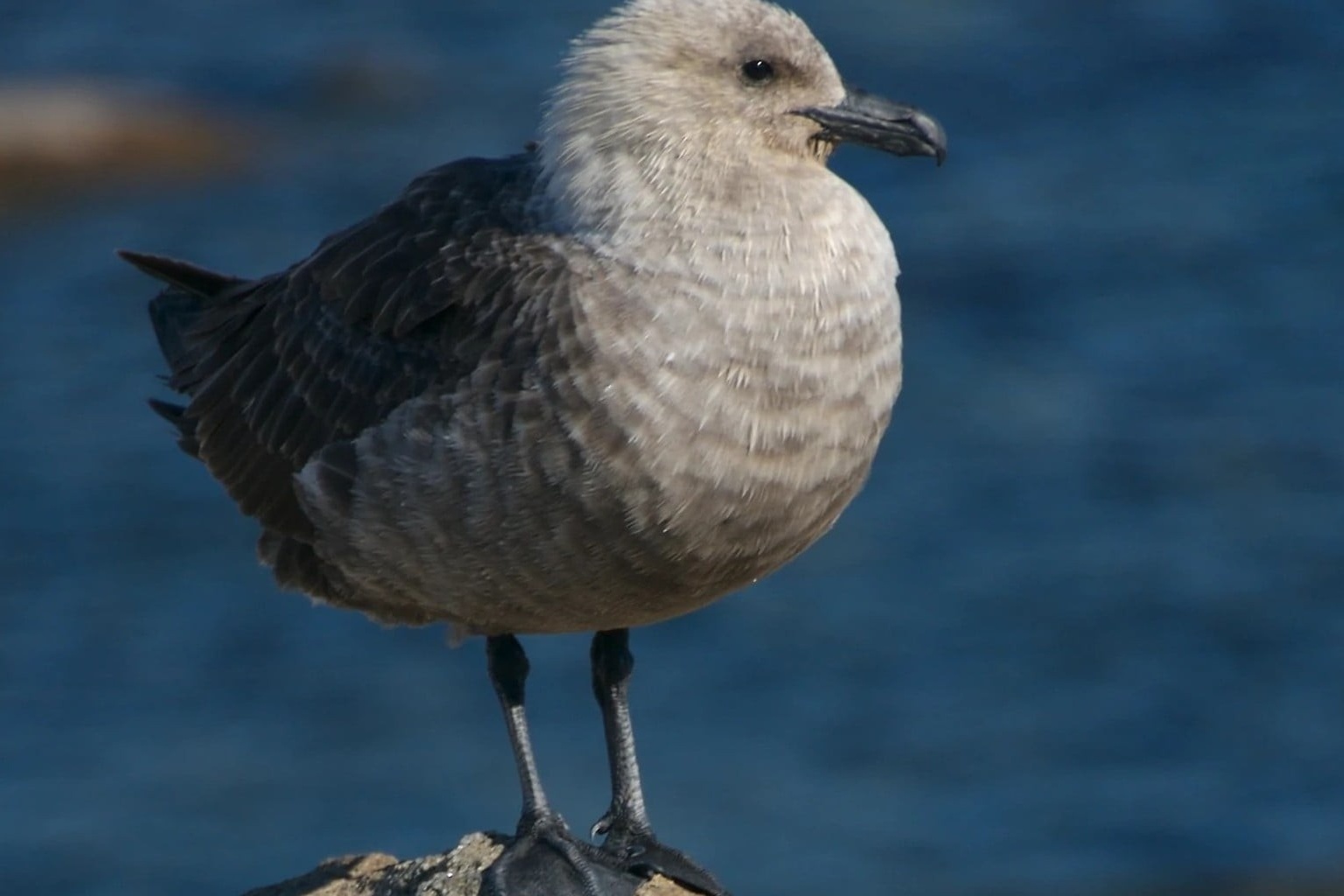
The first case was confirmed on Wednesday after a dead brown skua tested positive at Rocky Cape National Park. The Australian Centre for Disease Preparedness has since confirmed the skua carried the same highly pathogenic strain recorded in other states.
Premier Jeremy Rockliff said the detection was unsettling but that the state was prepared.
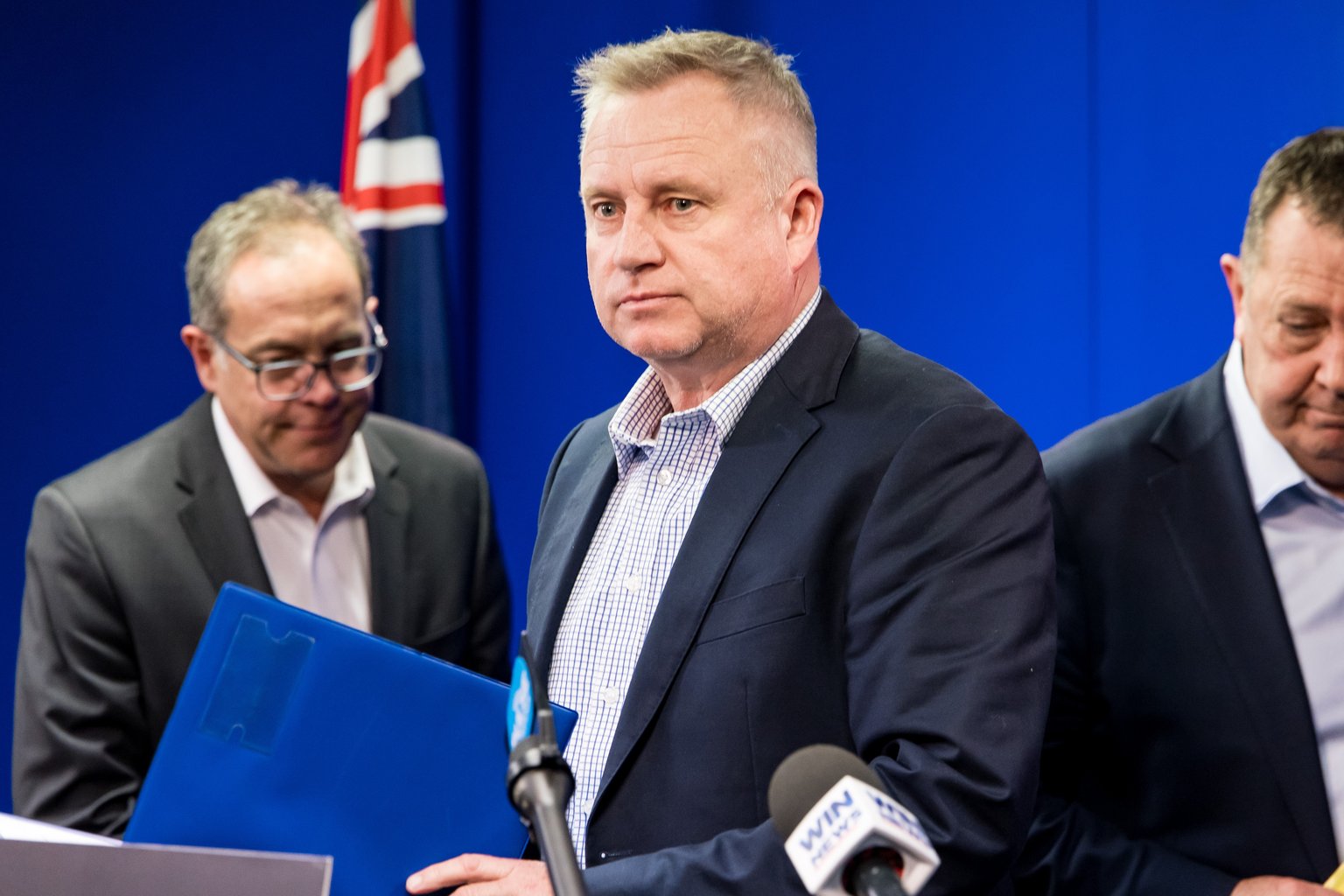
“We are prepared and we are being proactive in our response,” Rockliff said.
NRE Tasmania Secretary Jason Jacobi said more cases were entirely expected.
“Other states and territories have experienced quite significant mass mortality events, but I think the most important thing is that we are taking each detection on a case-by-case basis,” Jacobi said.
Incident controller Wes Ford said the first Crested Tern was alive but clearly sick when reported by a member of the public.
It was captured and euthanised on site. The other two birds were already dead when found on the same stretch of beach.
Ford said two more potentially sick birds were reported on King Island on Friday morning, but officers were unable to locate them.
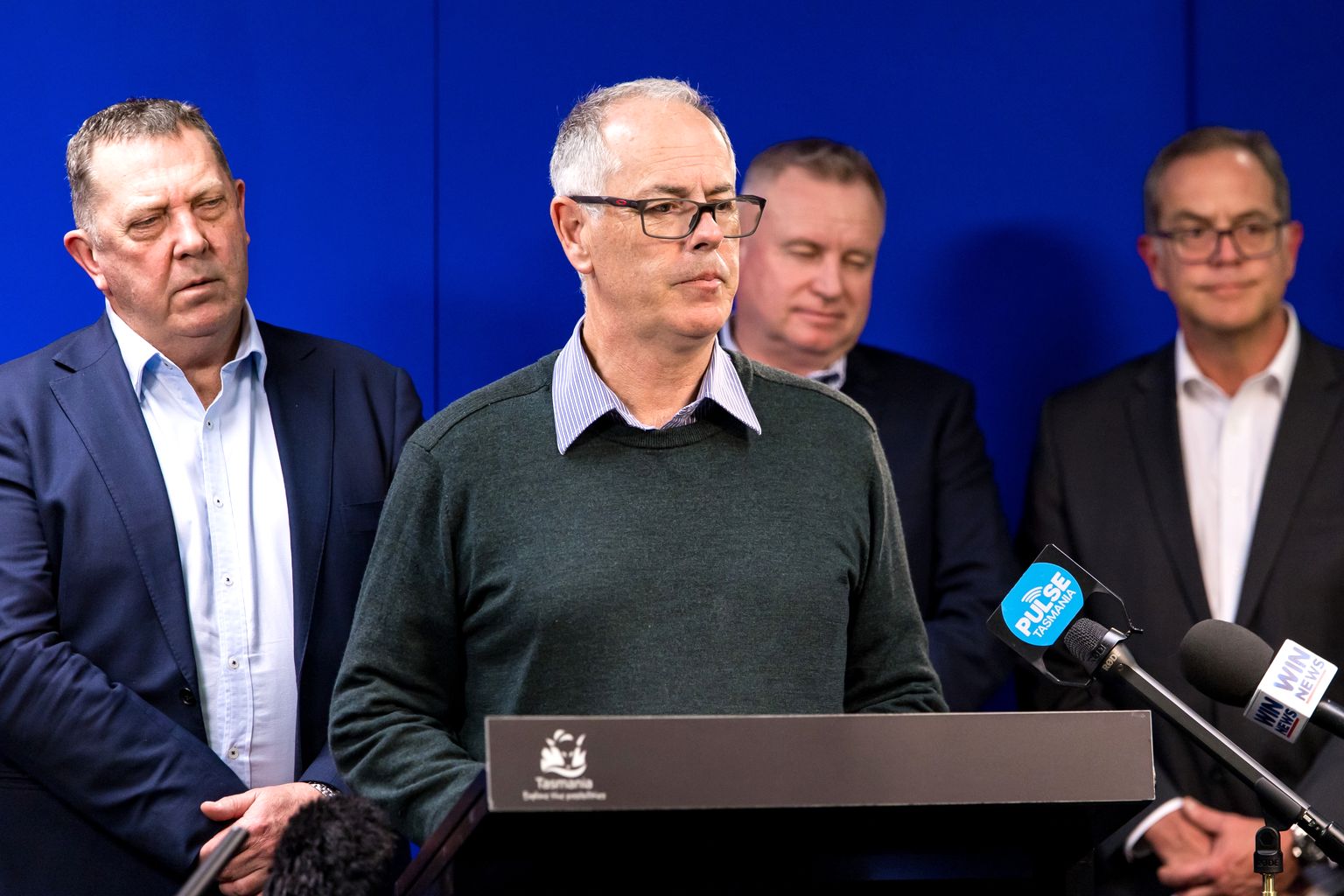
Primary Industries Minister Gavin Pearce said he had spoken with King Island Mayor Marcus Blackie about support for the island community.
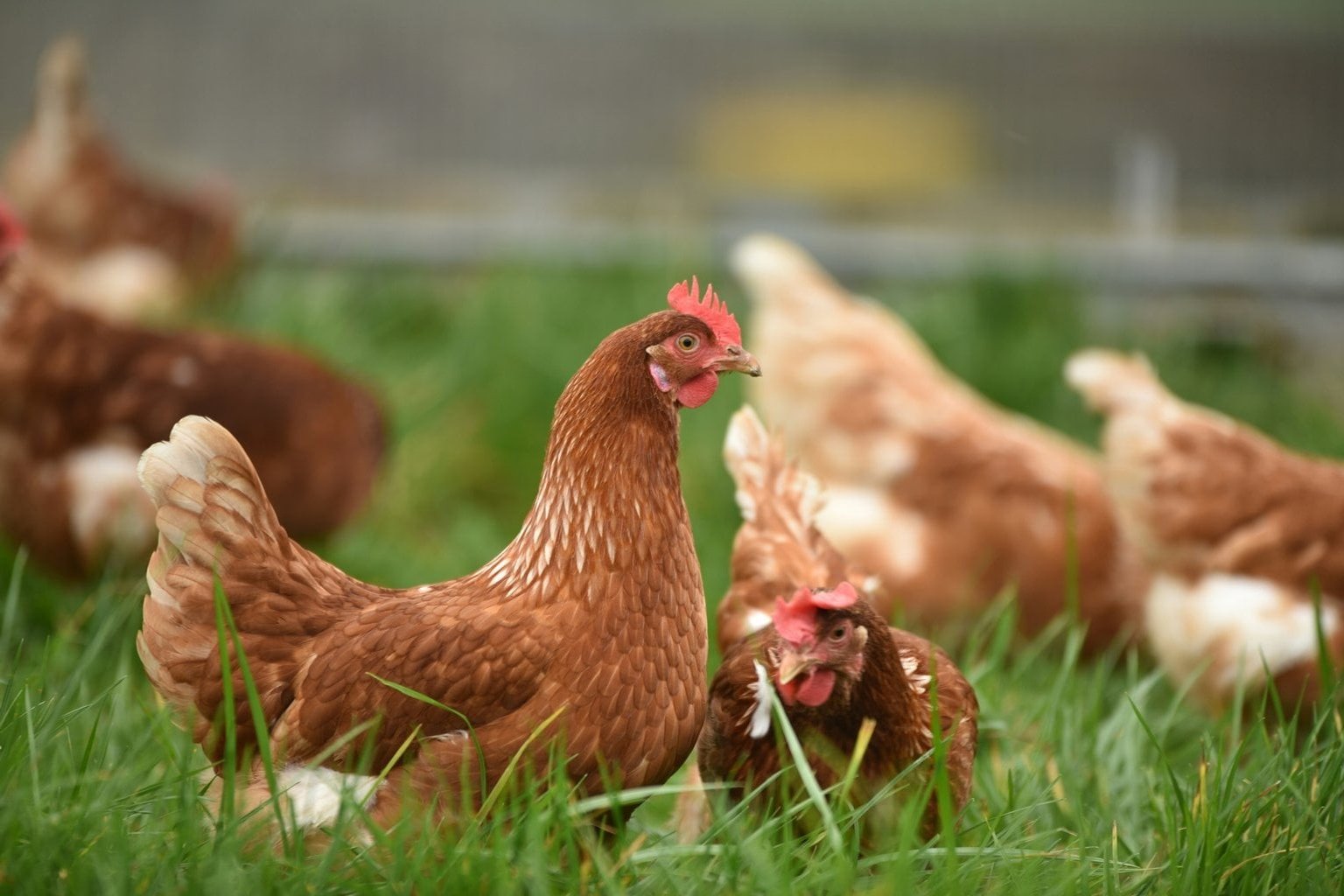
He urged backyard poultry owners to keep birds in enclosed areas and ensure food and water sources are covered and protected from contamination by wild birds.
A major aerial survey is planned for Saturday, with a helicopter covering the upper West Coast, King Island, north-west islands and across to Stanley. A second helicopter will be on standby to collect samples if bird deaths are spotted.
There have been no detections in commercial poultry, backyard flocks or agricultural production systems.
Anyone who sees sick or dead birds should avoid contact, record what they see and call the Emergency Animal Disease hotline on 1800 675 888.