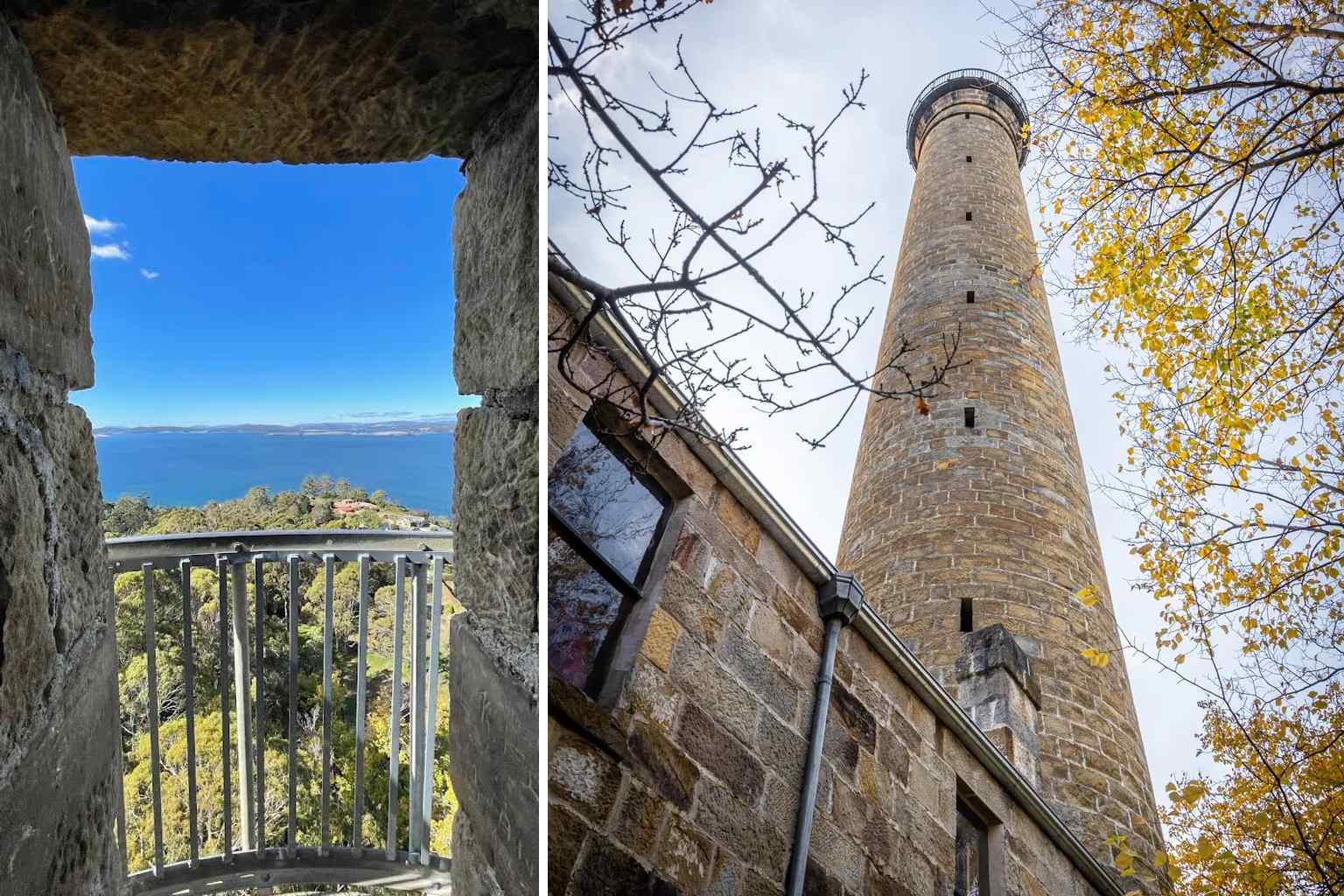
Taroona’s Shot Tower could reopen before Christmas under a new operator, with the state government now seeking bids to run one of Tasmania’s best-known heritage attractions.
The 156-year-old sandstone tower south of Hobart will stay closed for maintenance until an operator is secured.
Expressions of interest opened on Saturday and close on November 6.
Tender documents show the government is aiming to pick a preferred operator by December 4, with the new operation hoped to start on December 13.
Parks and Heritage Minister Nick Duigan said it was a unique opportunity for a suitably qualified operator to manage one of Tasmania’s most iconic heritage tourism attractions.
“The expression of interest process will identify an operator capable of preserving the site’s significant heritage values while delivering a sustainable visitor experience for Tasmanians and visitors alike,” he said.
“We are seeking an operator with the vision, experience and commitment to protect this remarkable site while enhancing its role as a destination for visitors, education and heritage interpretation.”
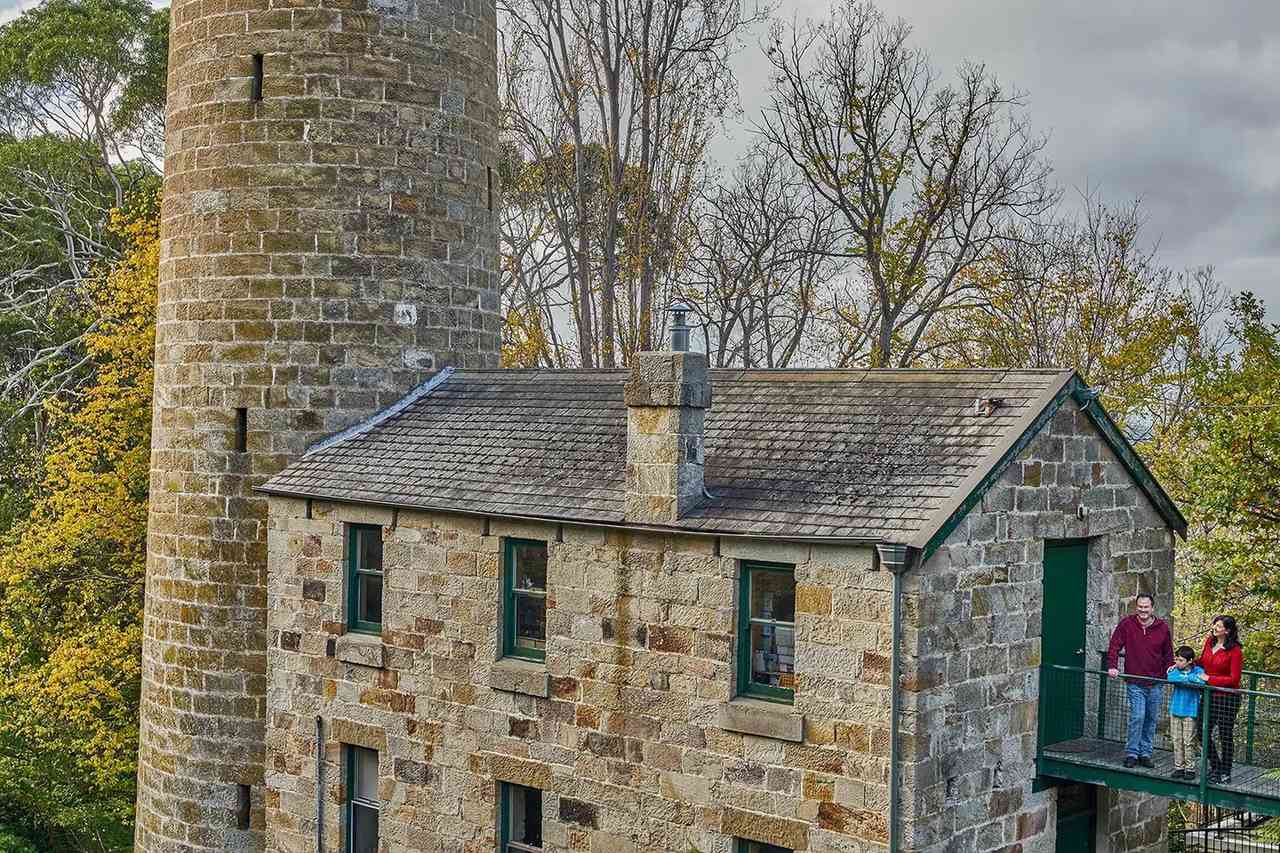
The site includes the tower, former shot manufacturing facilities, visitor areas, retail spaces and surrounding grounds, covering about 3.3 hectares in total.
It is being offered “as is, where is” and the new operator will take on significant maintenance and conservation obligations for the heritage-listed site.
Applicants must also show a commitment to keeping the site open to the public, with the government stating a preference for regular access throughout the year.
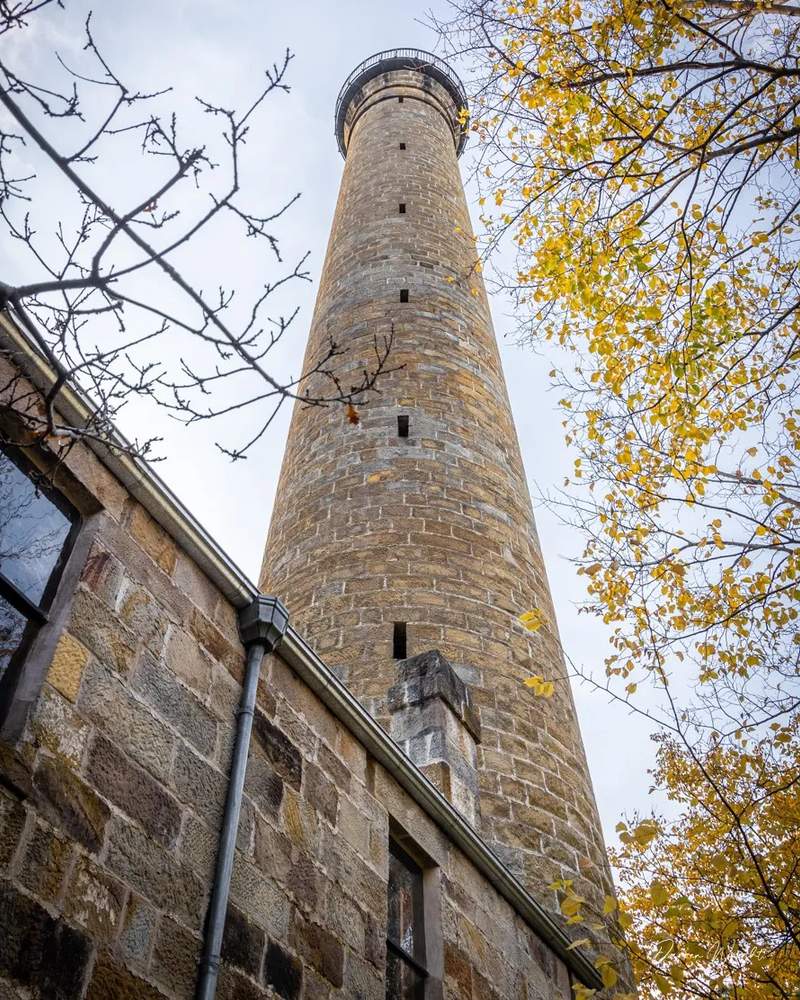
Joseph Moir built the tower around 1870 to make lead shot. Molten lead was poured through a colander at the top and formed spheres as it fell into water below.
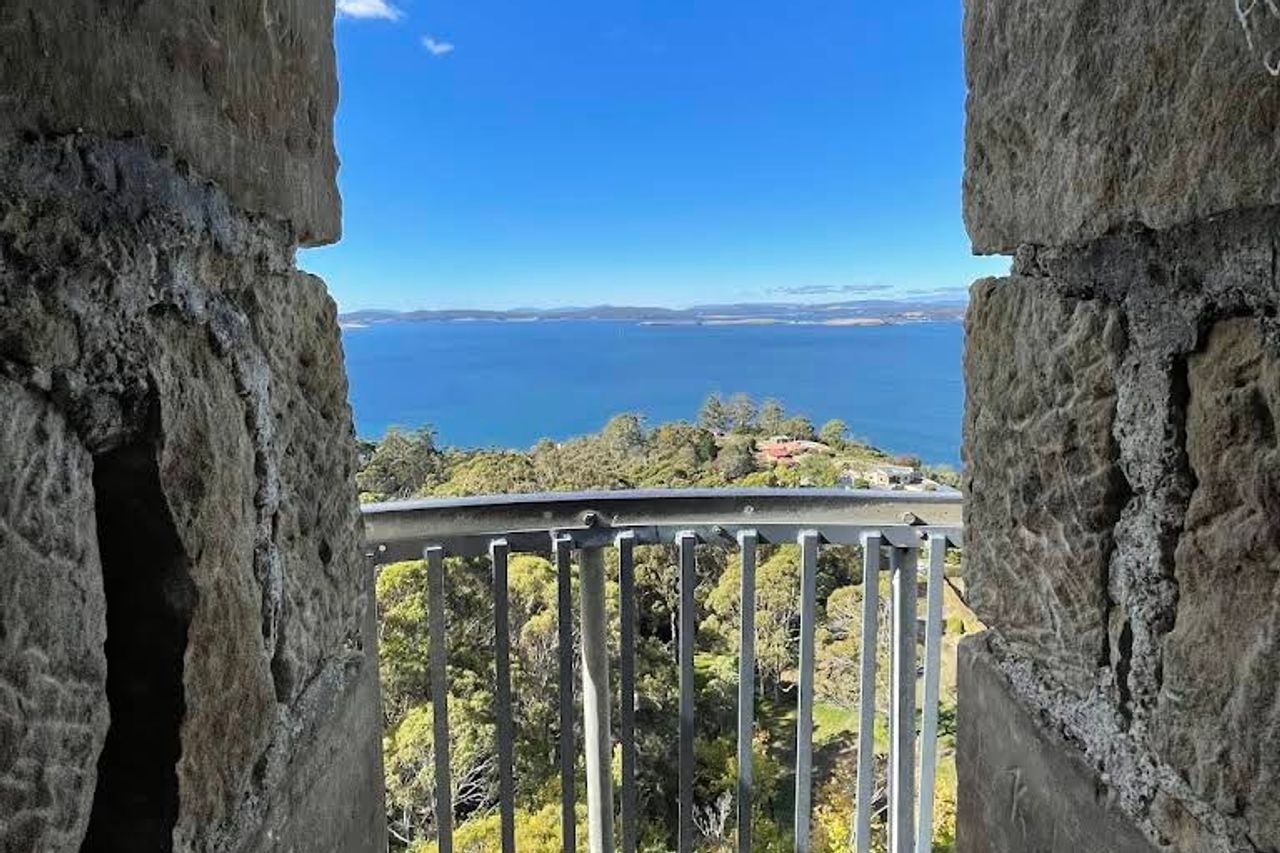
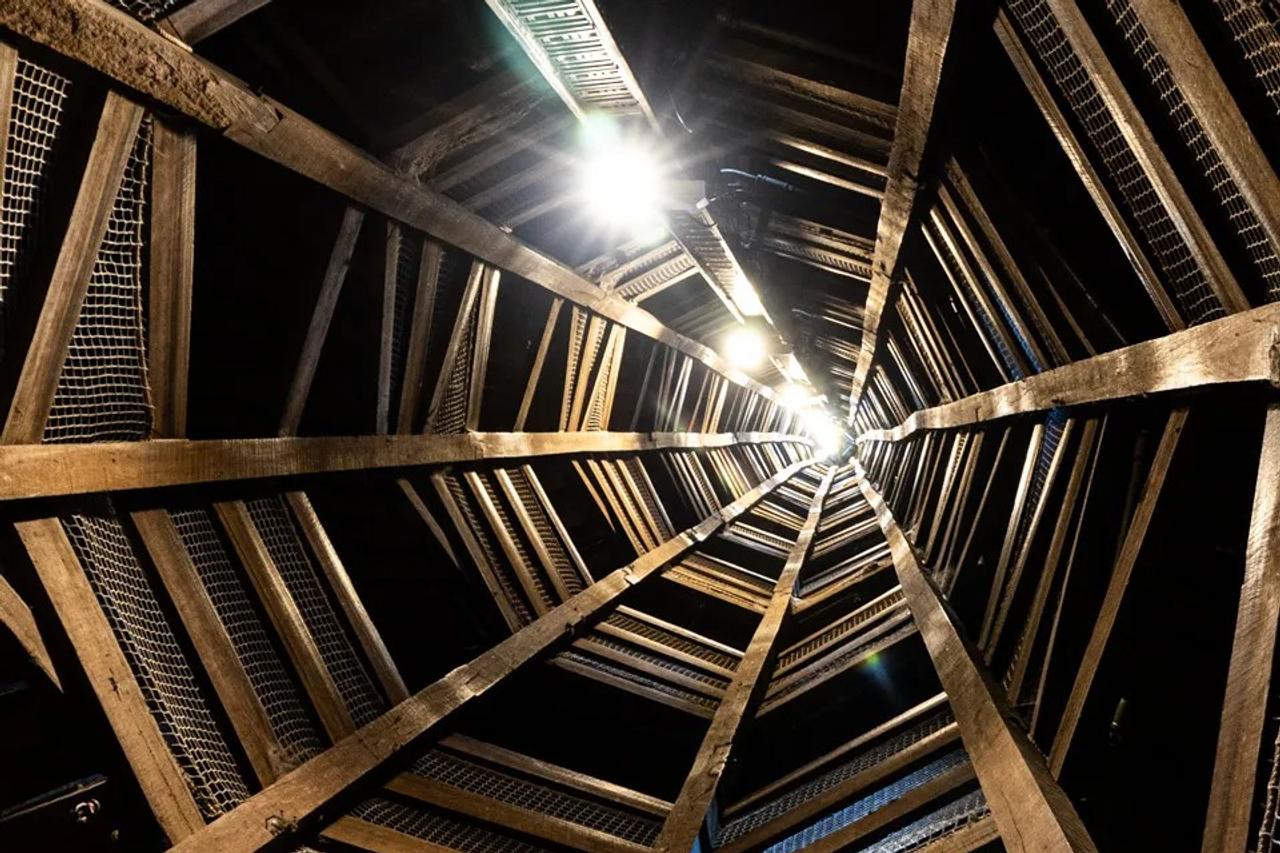
The shot-making business collapsed in 1905. For decades, visitors have been able to climb a wooden staircase to the top for views over the River Derwent.
The tower stands around 58 metres tall and is, according the Parks and Wildlife, one of the tallest buildings in Tasmania.
Submissions will be assessed through a competitive process, with bidders judged on the quality of their proposal, their experience and the financial return to the state.
The government will then choose a preferred proponent to negotiate an agreement, initially for up to 10 years. It can also decide not to appoint anyone.