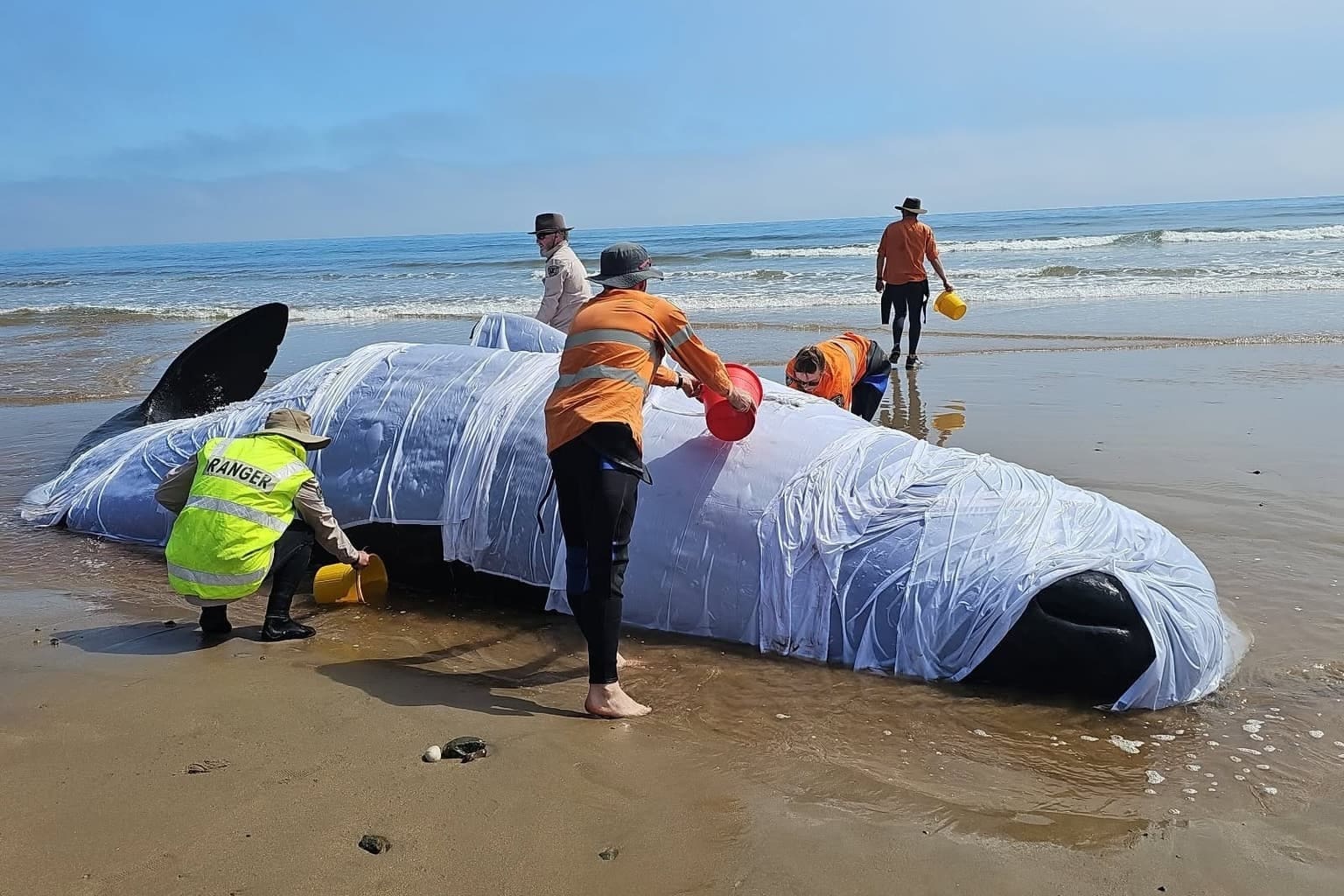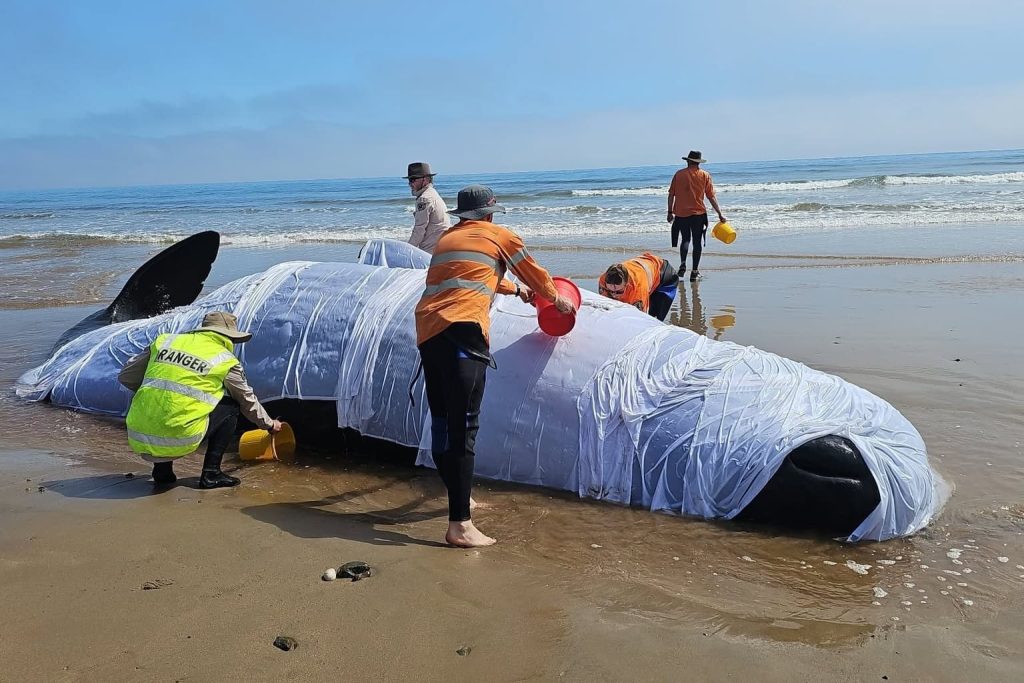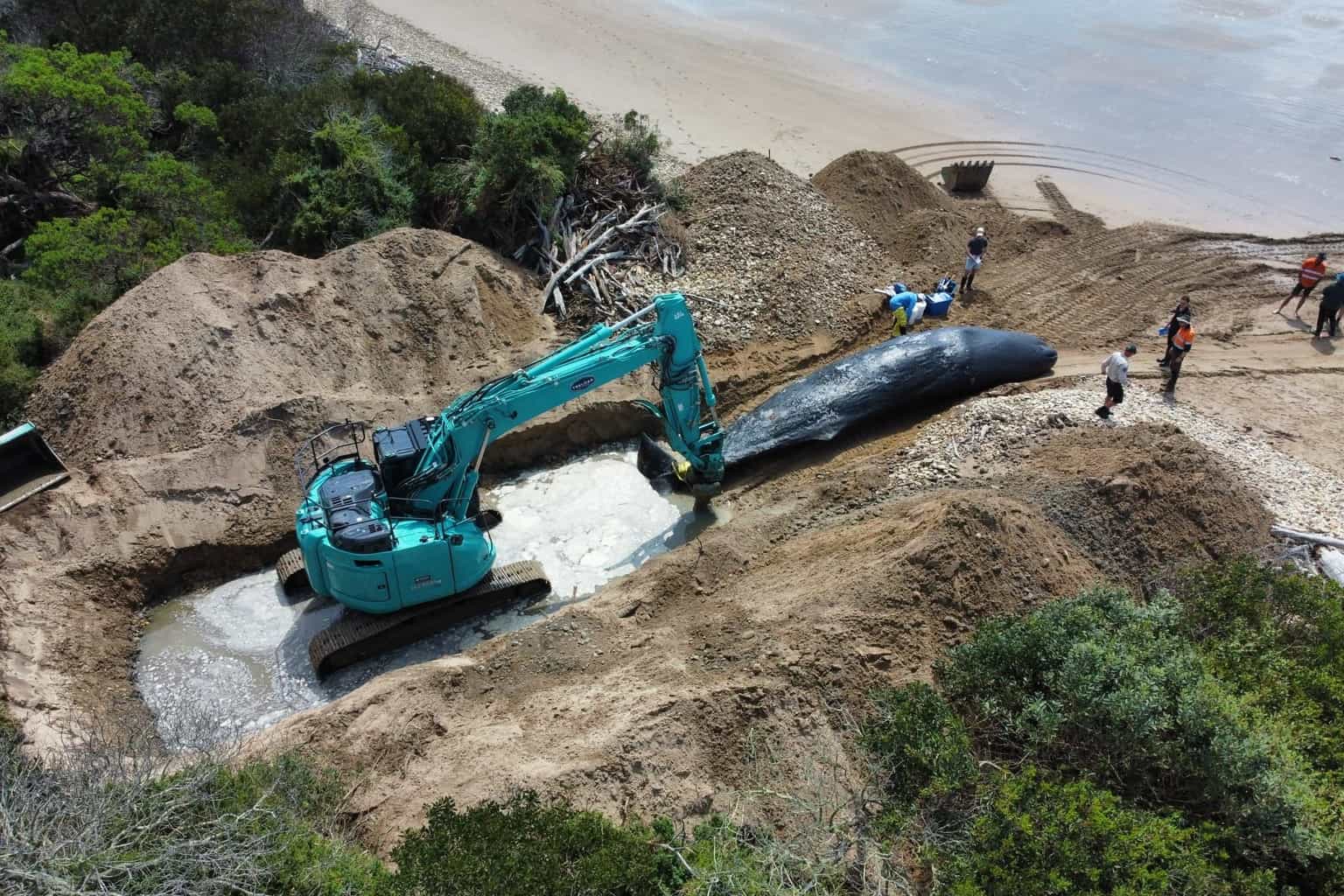
A 10-metre sperm whale that died at Turners Beach last week has been buried in vegetation at the western end of the beach, rather than left to decompose on the sand.
The Department of Natural Resources and Environment Tasmania said the burial site was considered more appropriate “for environmental and public amenity reasons”.
The whale was buried after the department considered options for disposing of the carcass including burying it in the sand or being left alone.
NRE Tas said decisions about carcass disposal were made after careful planning and consultation with landholders and authorities, including councils and the Environment Protection Authority.
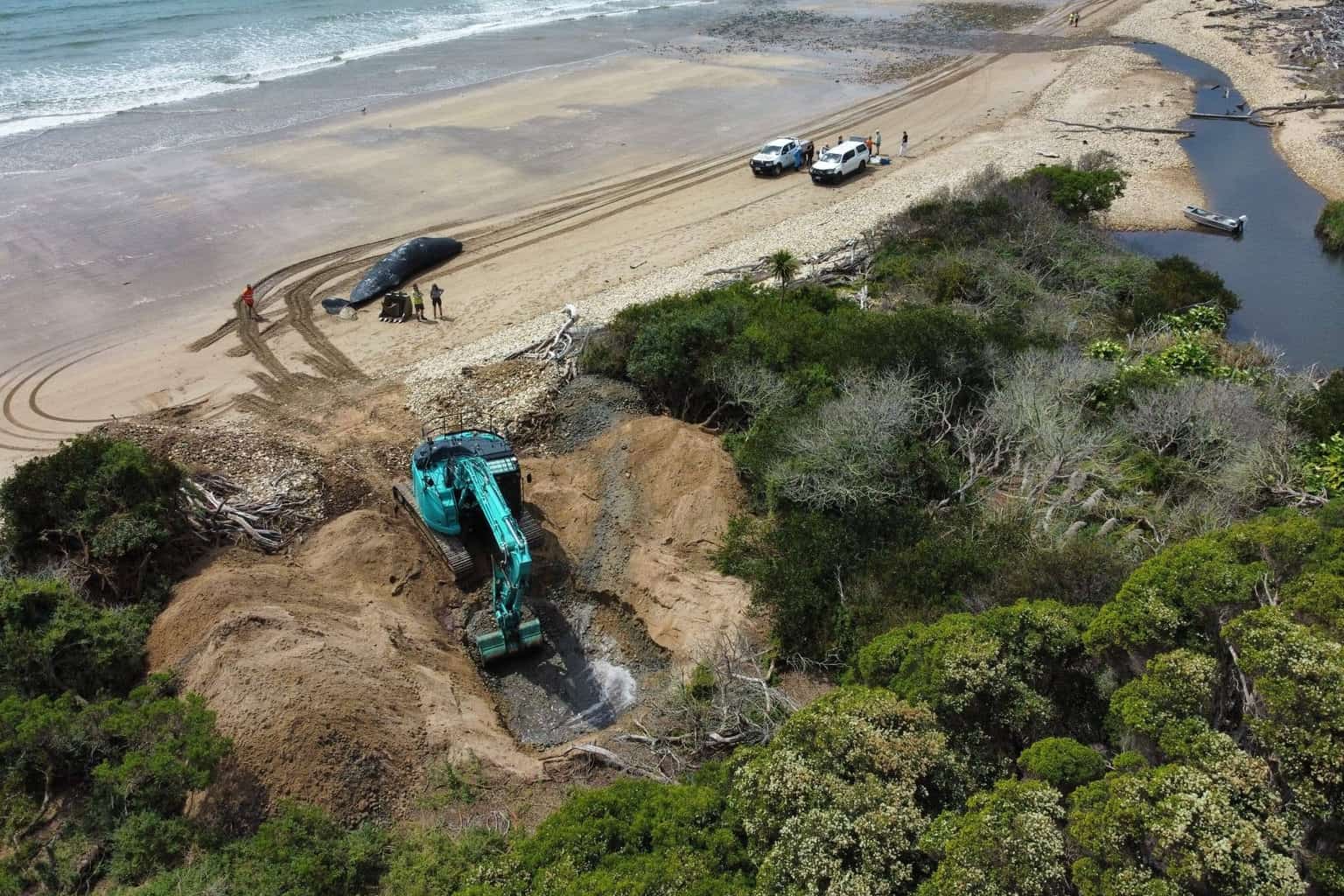
They will monitor the site for any emerging issues and respond where required, the department said.
The decision has divided opinion on Central Coast community social media pages.
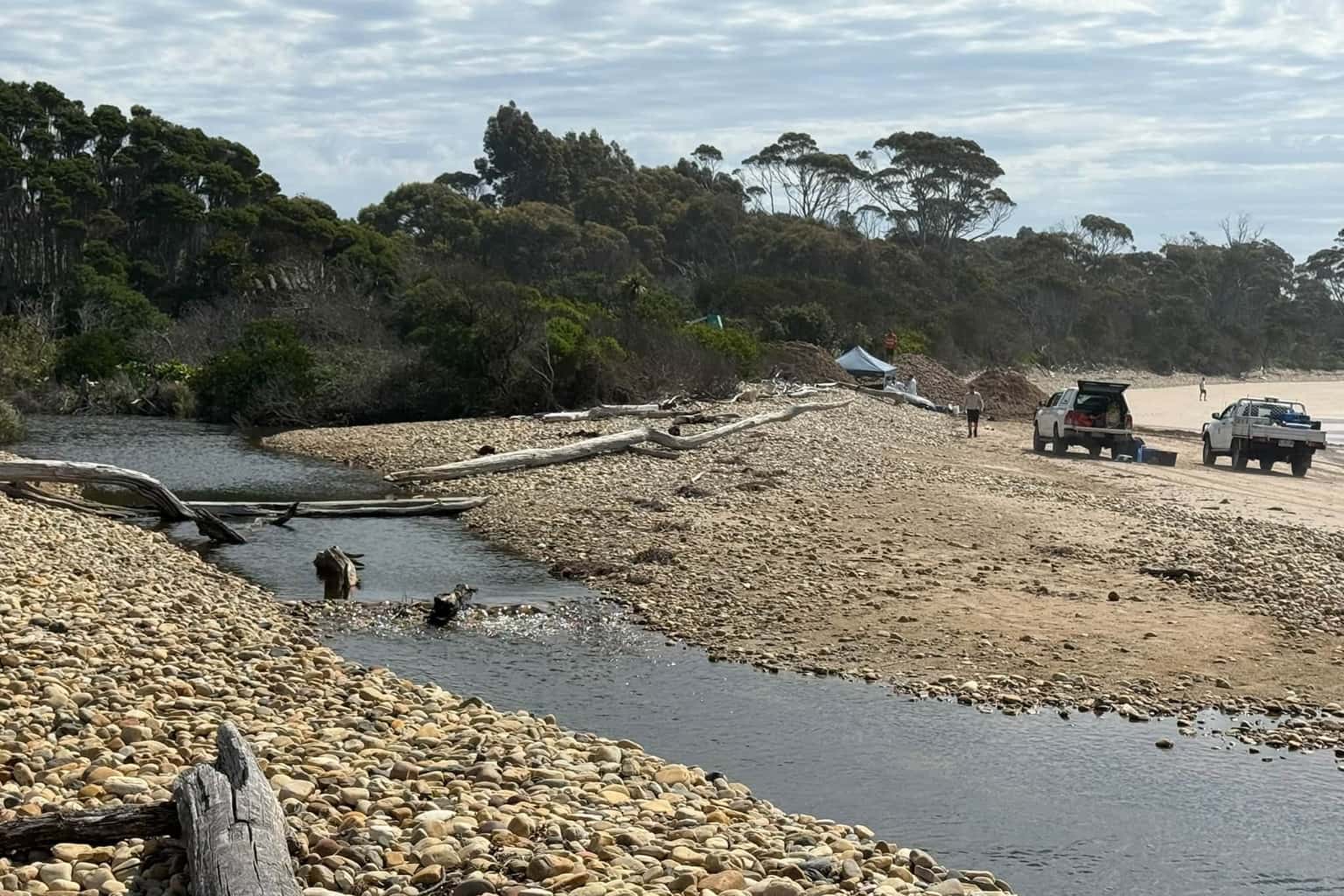
One user raised concerns about the burial being near a rivulet and said: “So no one cares that one of the best and safest beaches in Tasmania will likely be closed to the public this summer as the leaching takes effect?”
Another said they “would be interested to hear why Parks thought this was a better idea than towing the carcass out to sea”.
Others backed the decision, with one user saying: “When a horse or cow dies what do you do with it? You bury it!”
The sperm whale became stranded in shallow water off the north-west coast beach last Wednesday night and died the next day.
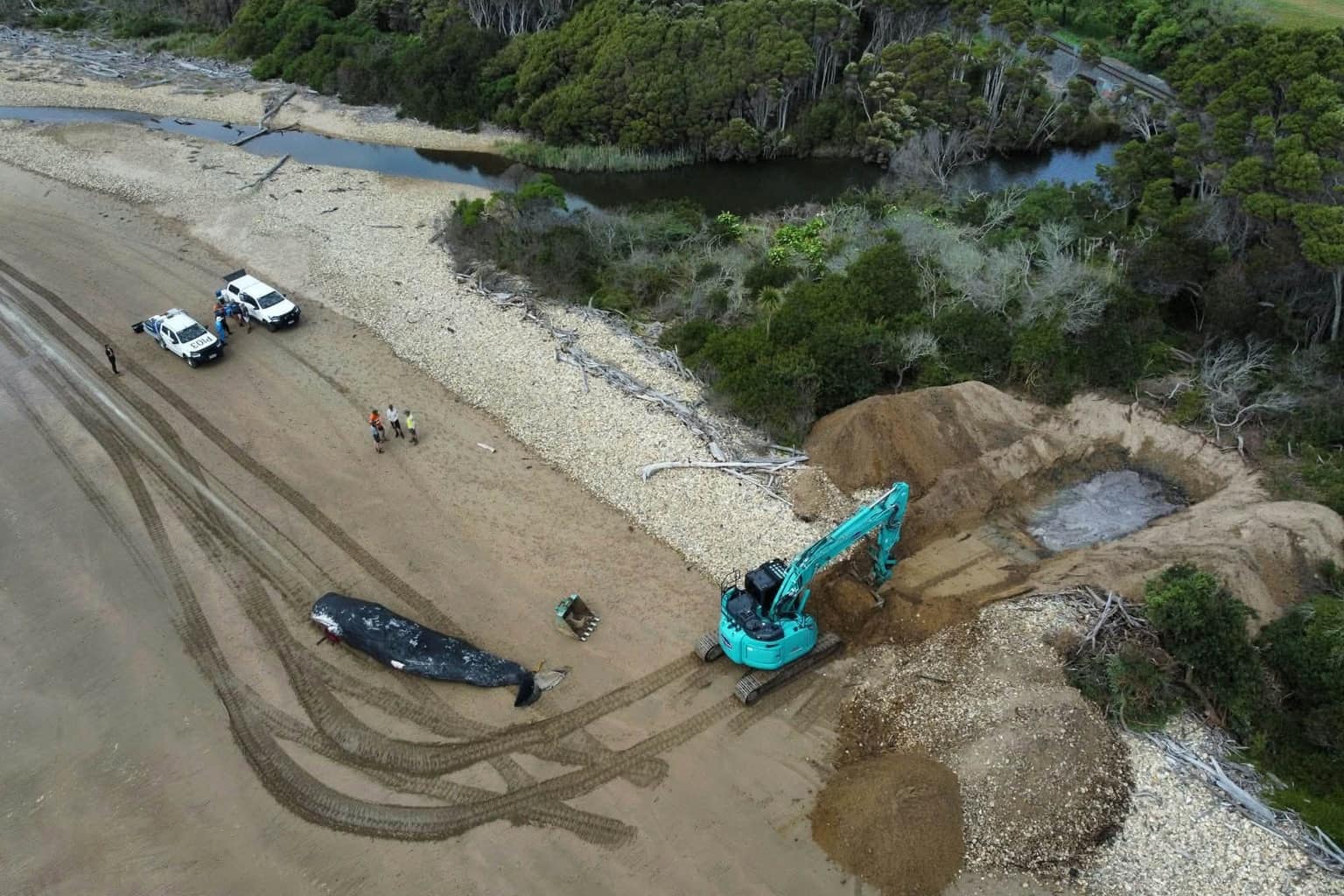
NRE Tas said it was just over 10m long and weighed about 13 tonnes.
A specialist wildlife veterinarian was to take samples and examine the whale to try to determine the cause of death.
The department previously said it was “unusual for a sperm whale of this size to strand alone” and that it would assess “whether the animal had been sick or injured before it stranded”.
It has also warned that wildlife can carry disease and that interfering with wildlife, including a carcass, is an offence.