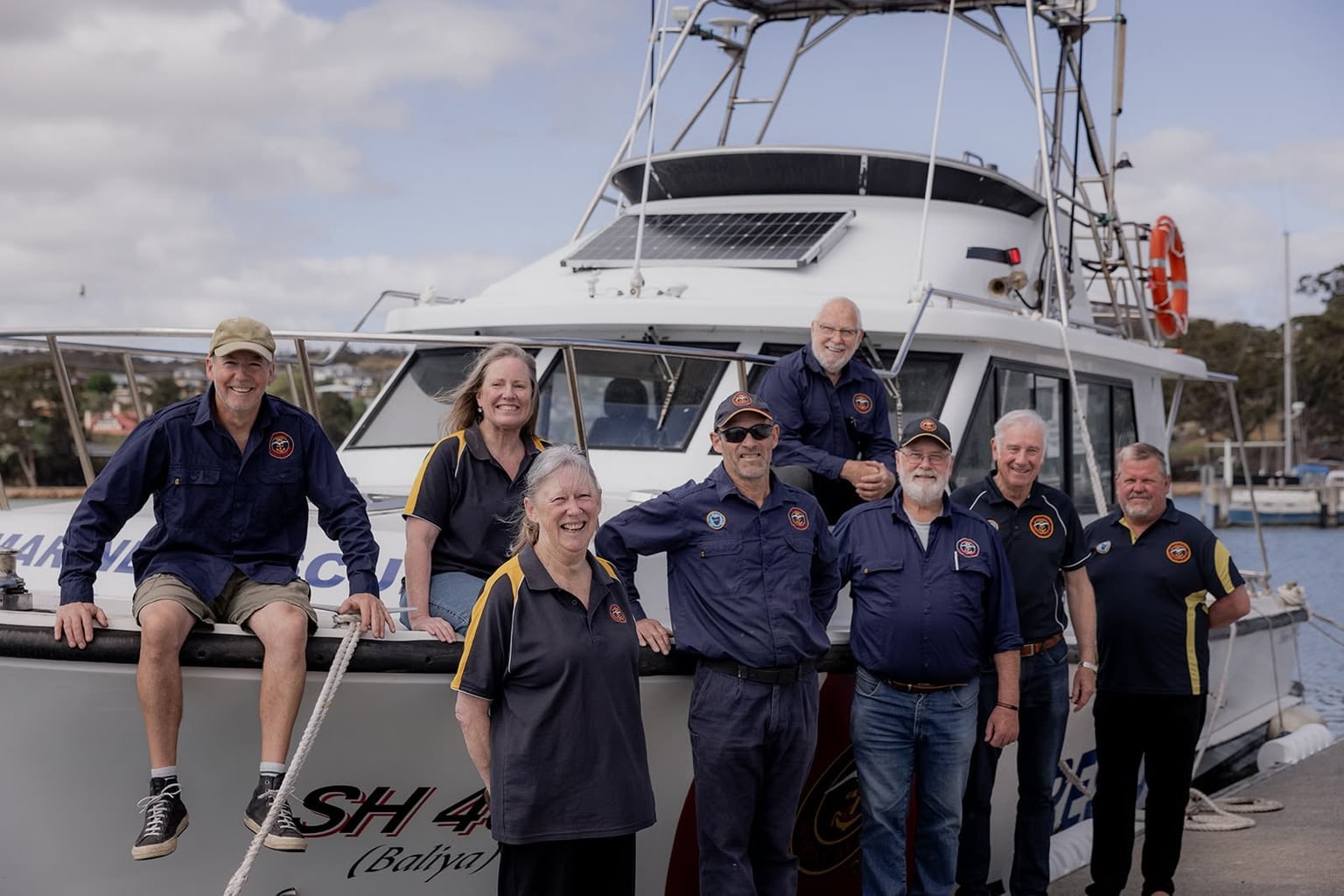
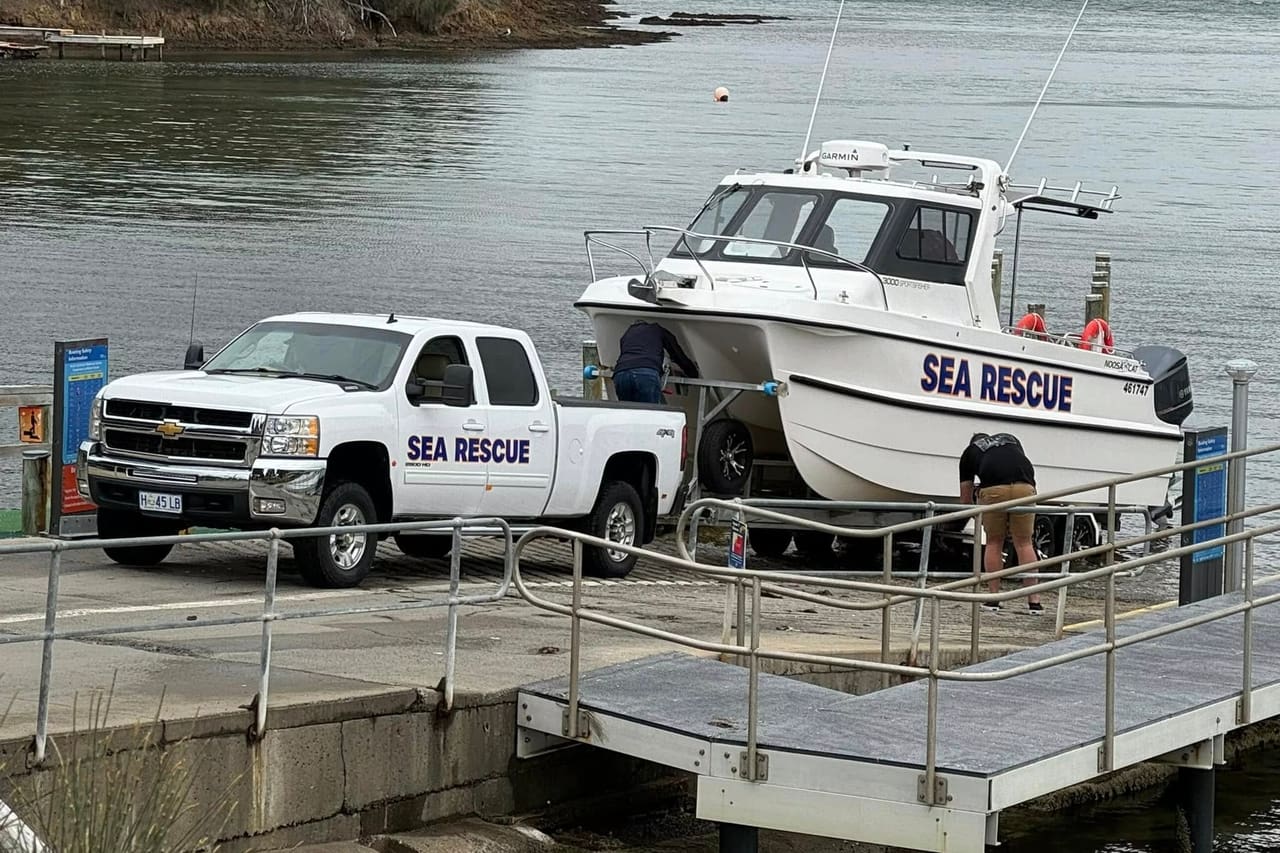
Volunteers who began by guiding fishing boats across the treacherous Georges Bay barway from a home radio room will celebrate 30 years of St Helens Marine Rescue this weekend.
The service’s roots date back to 1991, when Sue Breen, the wife of a professional fisherman, set up a radio room at her St Helens home to help commercial boats crossing the barway.
Breen and her husband Bobby both remembered drownings and capsized boats on the barway, prompting the effort to help vessels navigate the crossing.
By 1993, the group was relaying messages to vessels from the harbour master’s tin shed.
Operations manager John Sullivan said volunteers Noel Harper and Bobby Breen originally used their own boats for rescues, while Bob Jackson of Falmouth established the first dedicated radio operations for the St Helens Game Fishing Club.
“This extended to the Royal Volunteer Coastal Patrol in 1996 until it became the St Helens Marine Rescue,” he said.
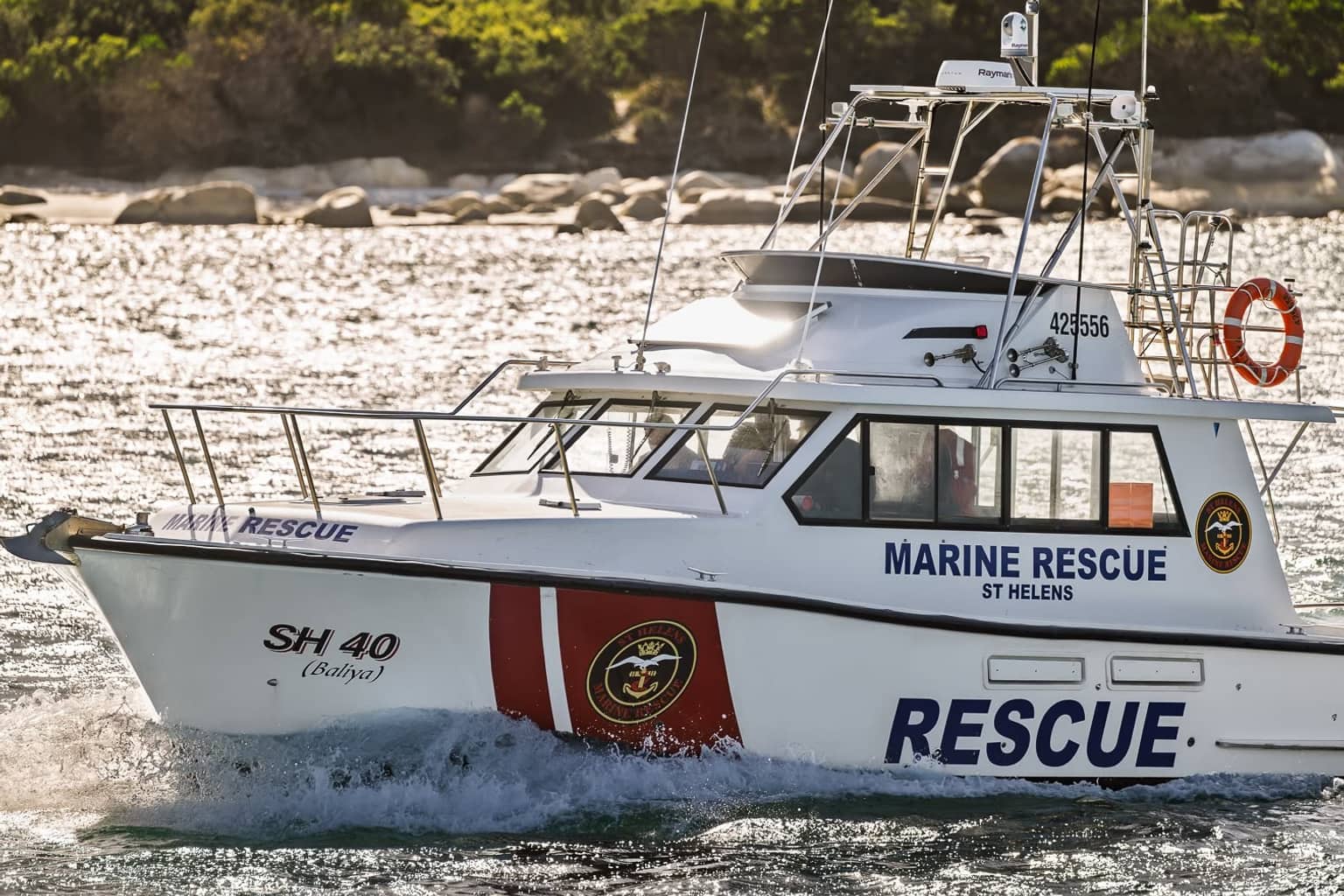
The association will mark the milestone on Saturday with a public celebration and the blessing of its new rescue vessel, SH40 Baliya.
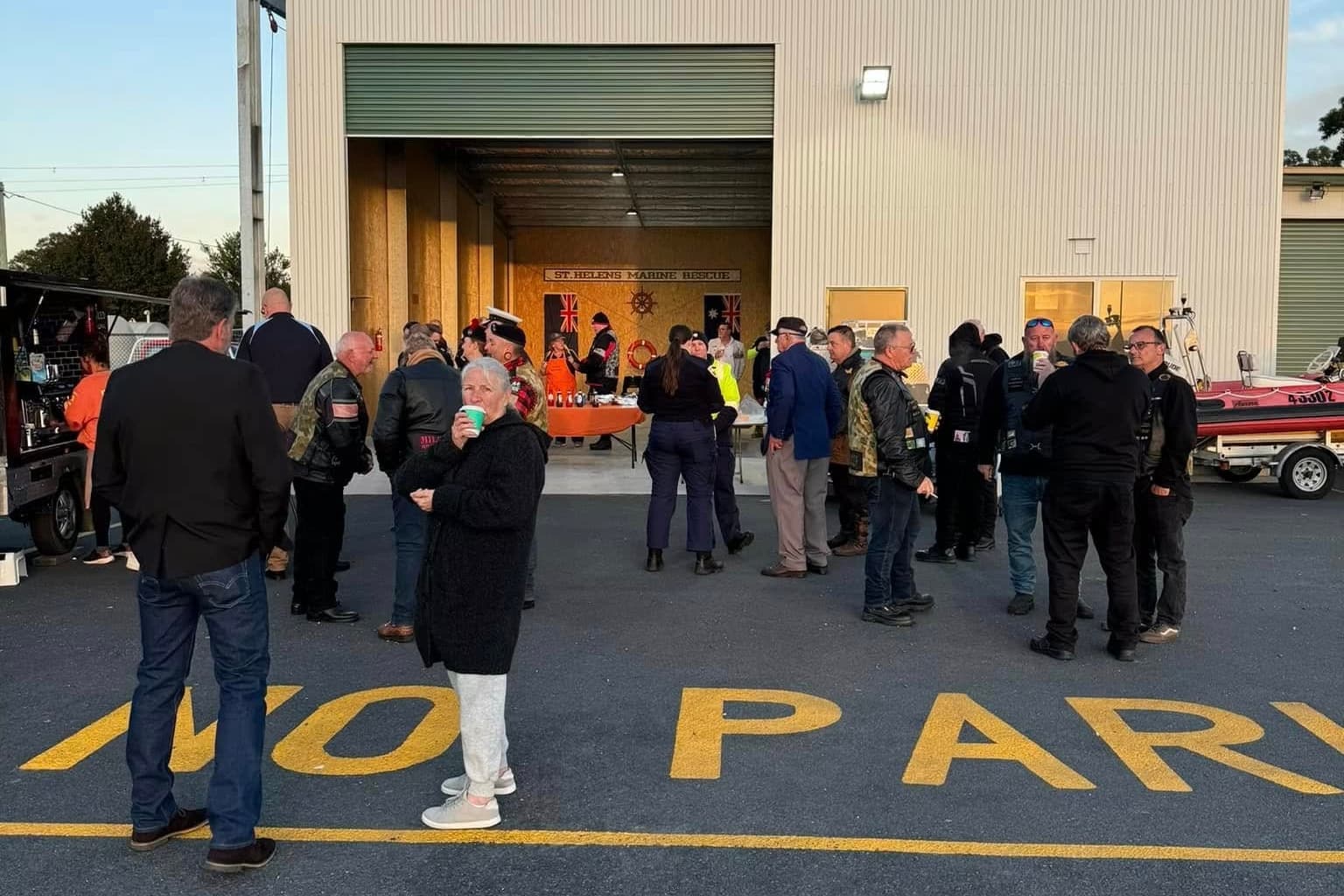
It says the event marks 30 years since construction began on its waterfront base station.
Celebrations start at 11:30am on the St Helens foreshore, with the new vessel to be launched and blessed at midday, followed by a sausage sizzle at 12:30pm.
Visitors will also be able to inspect the rescue boats and the radio and operational equipment used by volunteers.
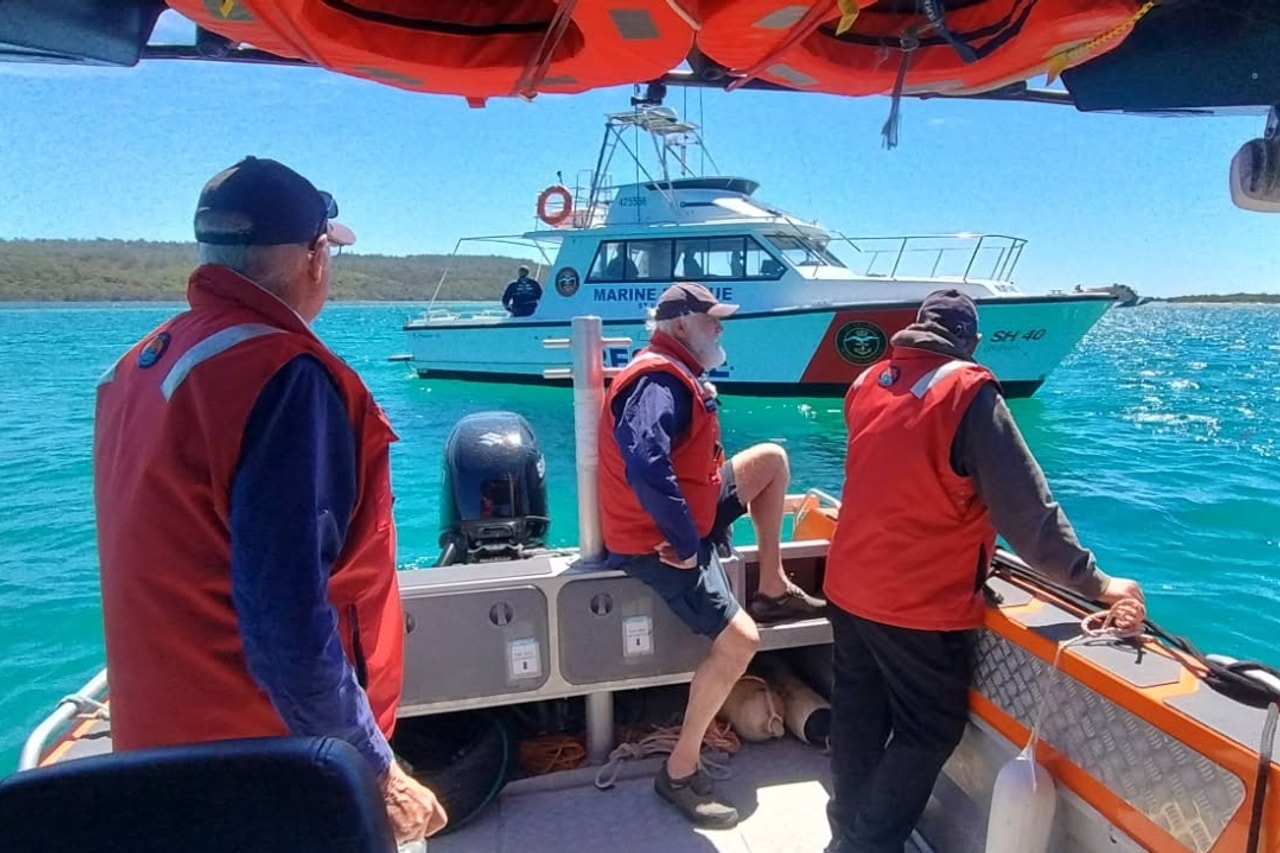
Baliya was built for the Australian Federal Police and launched as the Sir Colin Woods in 1990 for service at Jervis Bay.
It later served Marine Rescue Jervis Bay and Sea School Jervis Bay before being purchased by St Helens Marine Rescue in 2025.
Its new name means north-east wind in the Dhurga language of the Yuin people of the New South Wales south coast.
The service has recently installed an Automatic Identification System (AIS) receiving station at South Sister Lookout near St Marys, funded through a TasPorts Community Grant.
Sullivan said the station would help address a coverage gap and improve vessel tracking along the east coast.
“Having more reliable AIS coverage means our radio operators can better track our vessels during challenging operations,” he said.
Earlier this month, TasPorts said volunteers had carried the equipment up a steep walking track to the summit, 831 metres above sea level.
TasPorts harbour master Mick Wall said the project showed the commitment of volunteer crews “who go above and beyond to keep people safe on the water”.