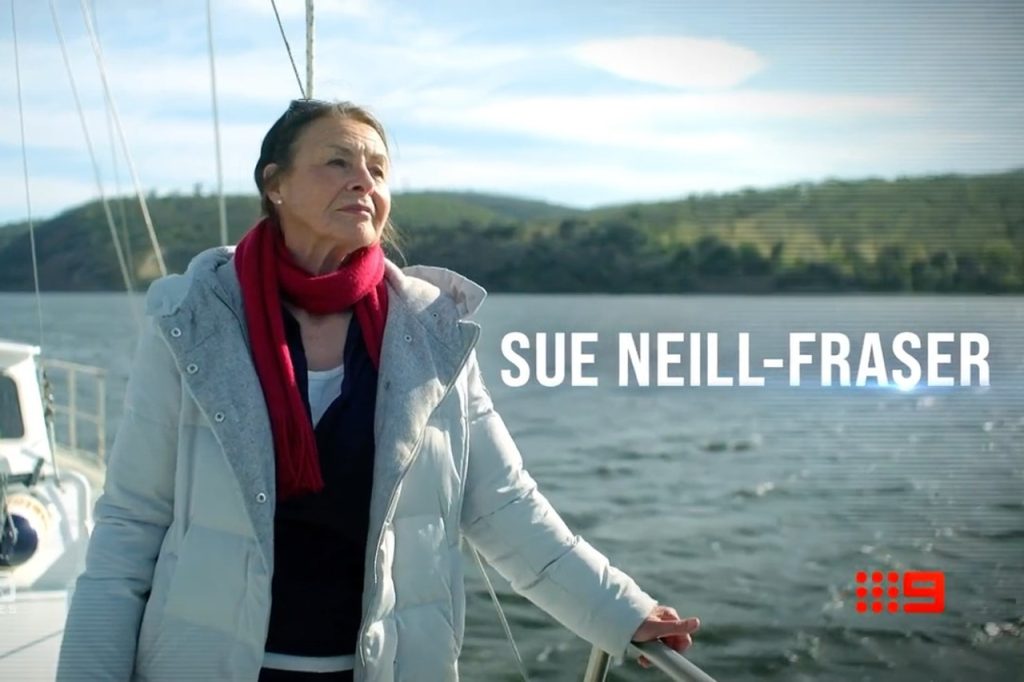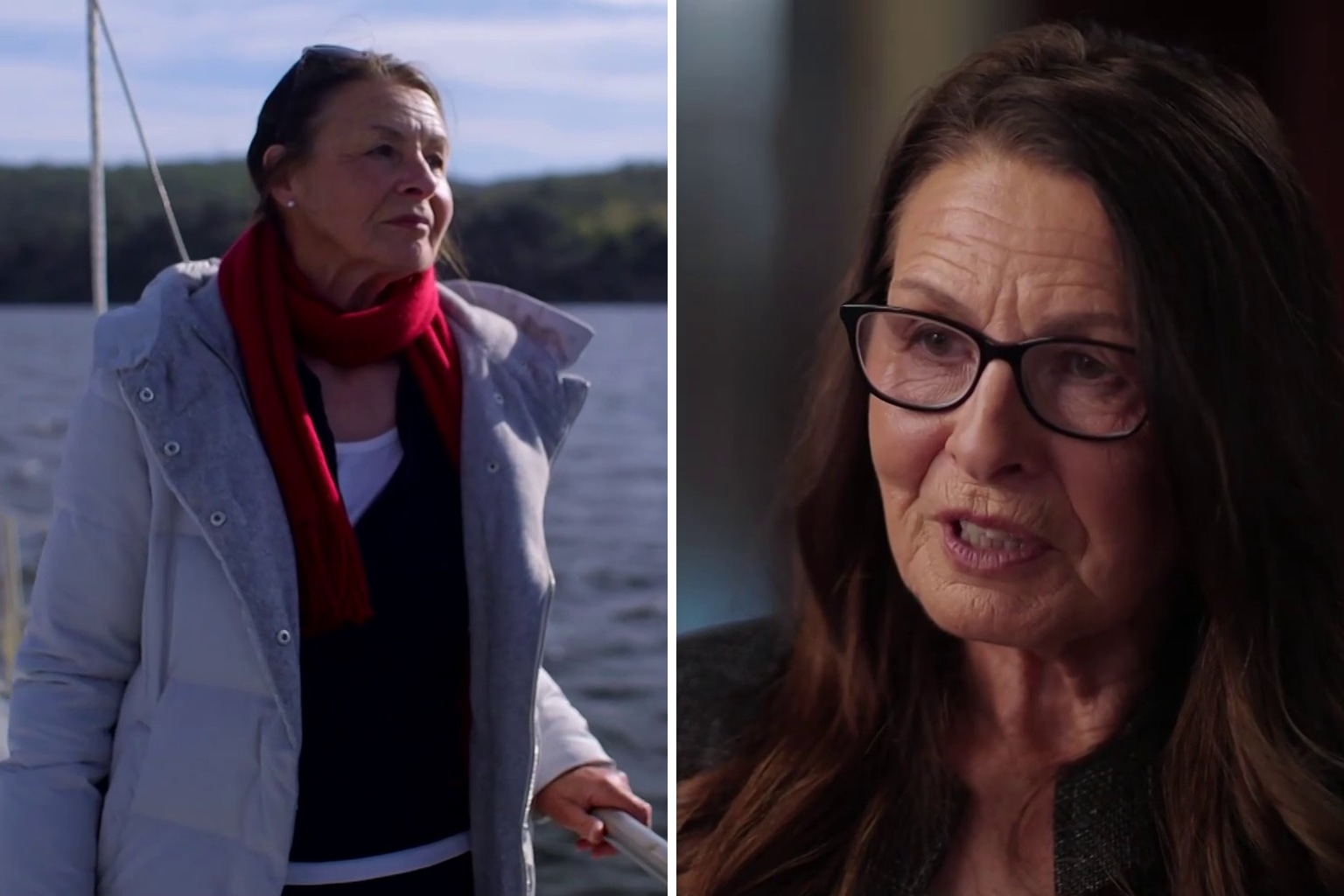
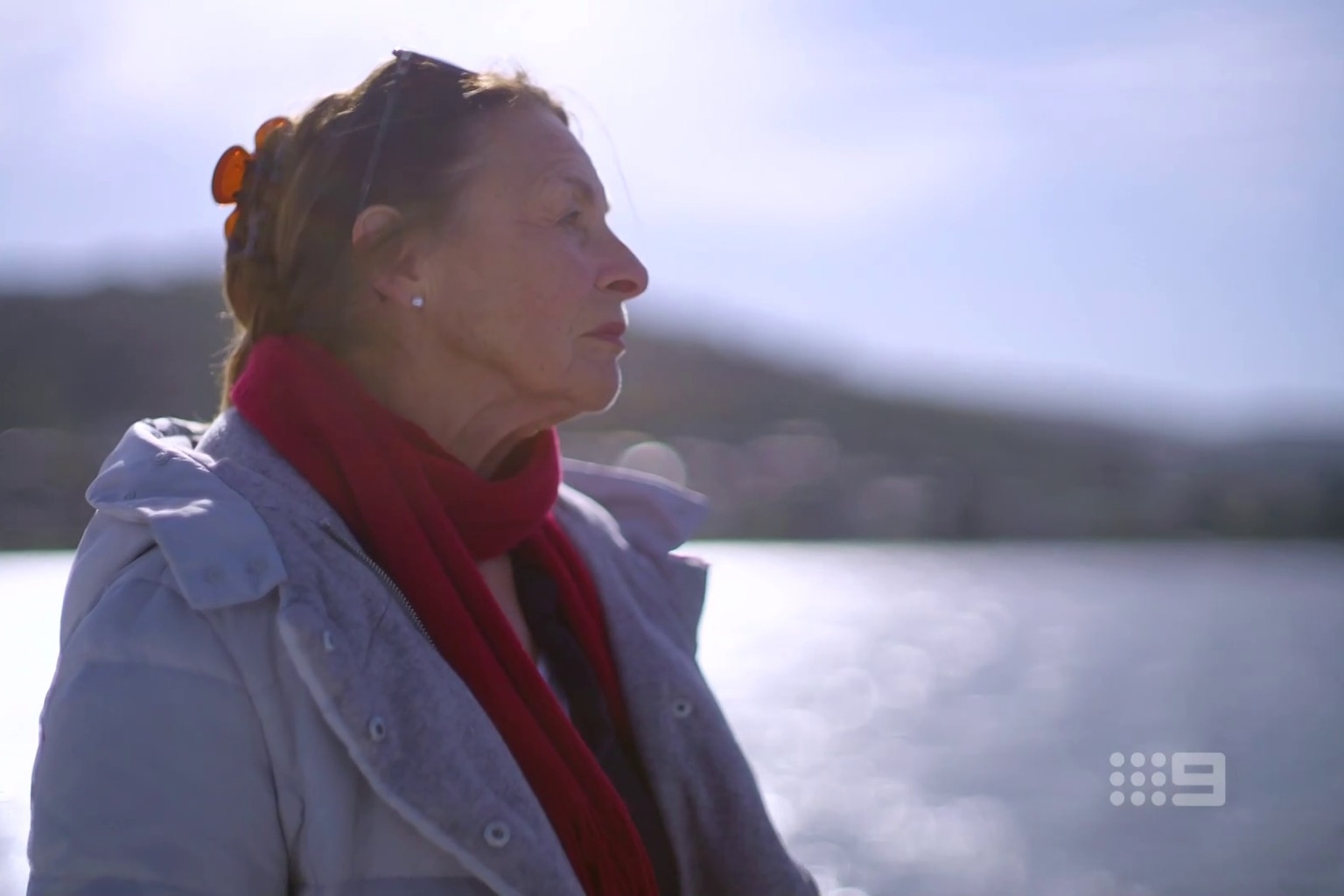
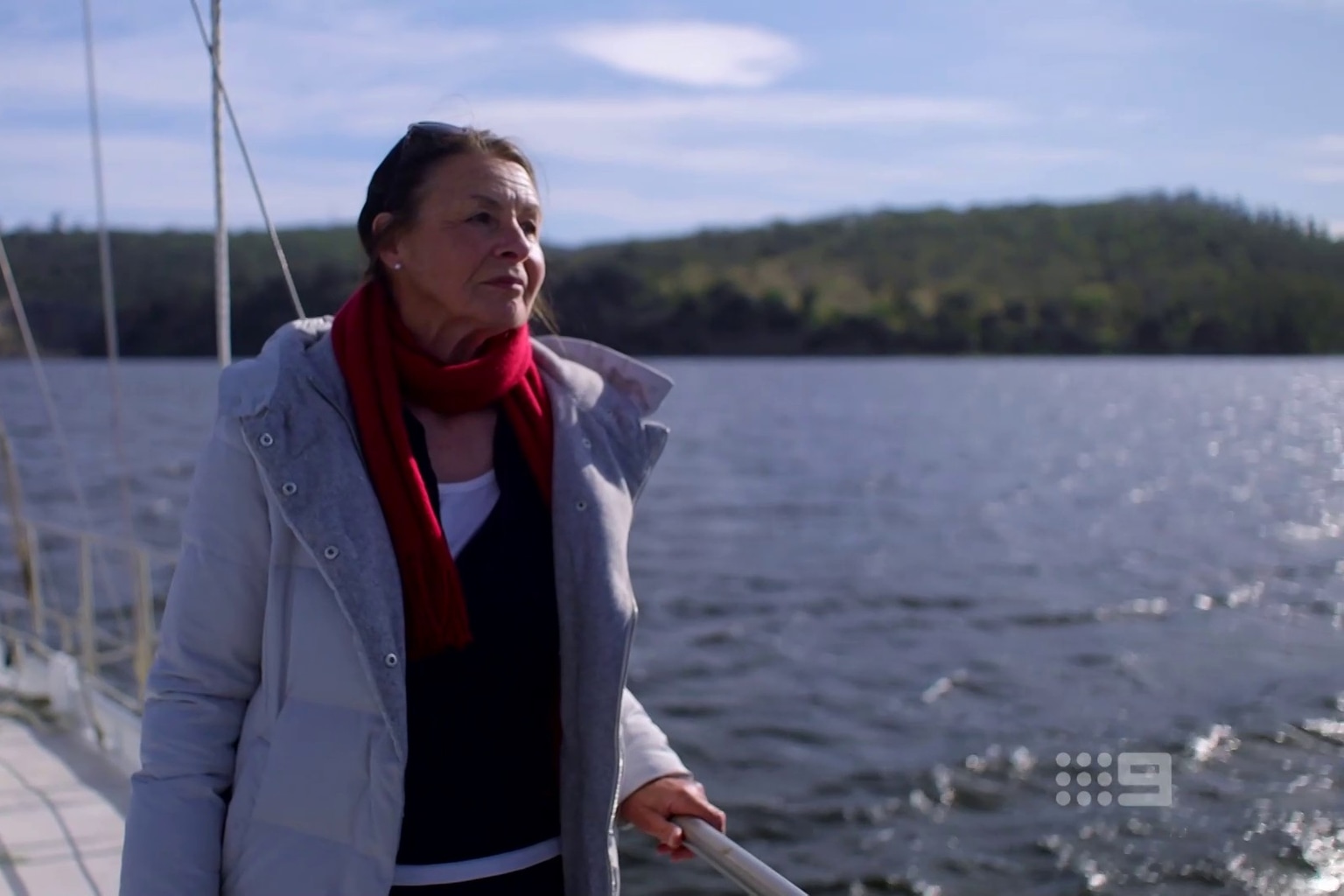
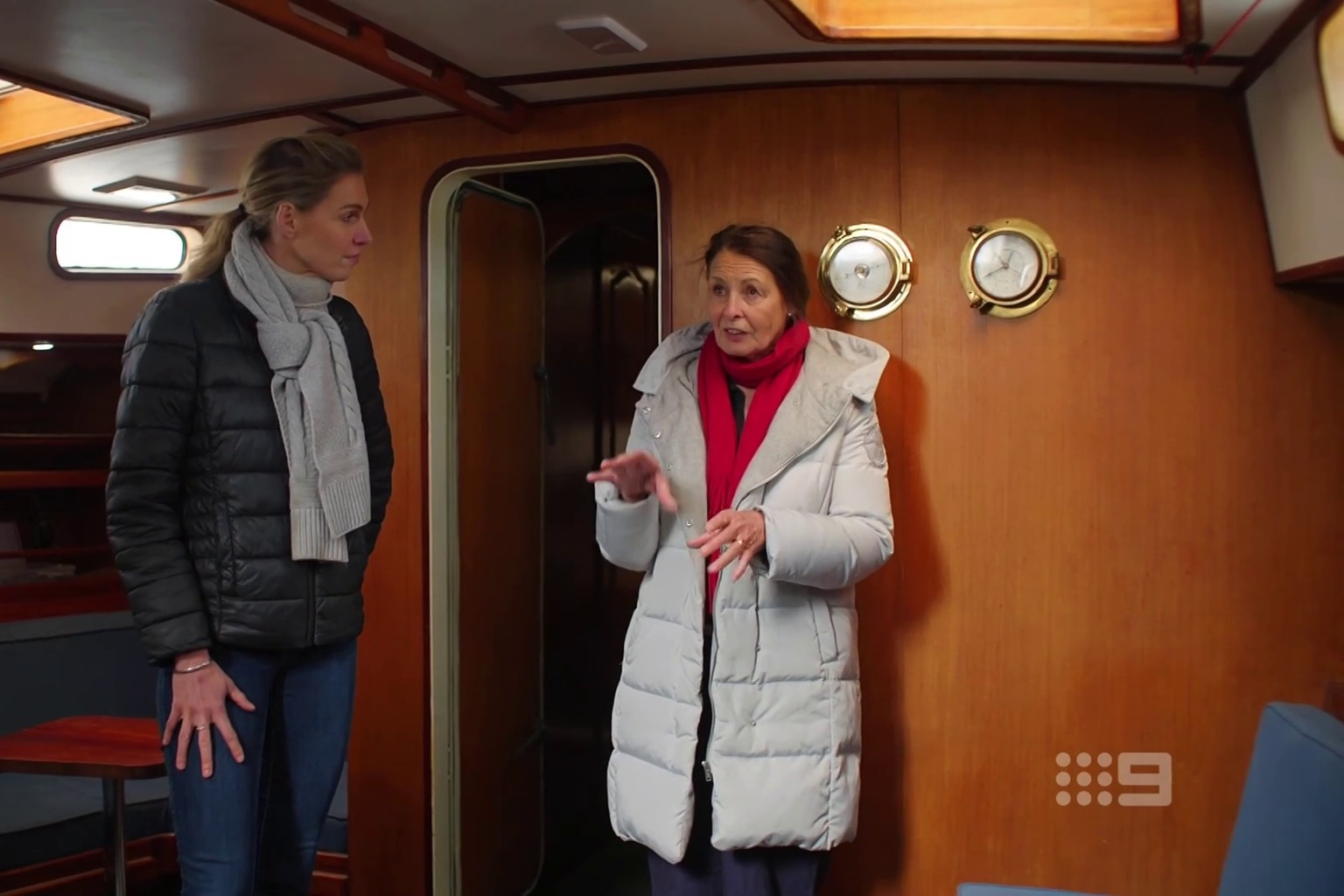
Convicted murderer Sue Neill-Fraser has given her first interview since leaving prison, saying she fears for her safety but won’t stop fighting to overturn her murder conviction.
The 72-year-old told 60 Minutes, in an interview aired last night, that she has received threats to her life and worries she could be sent back to jail.
“I think I’ve probably put myself at risk, doing this program, but you can’t remain quiet about this sort of thing,” she said.
“You can’t just go and hide away and pretend it didn’t happen. It did happen and we need to fix it.”
She believes there are “huge vested interests” in keeping her case “quiet”.
“I’m not depressed and I’m not suicidal. And if I’m found to have suicided, I have not,” she said.
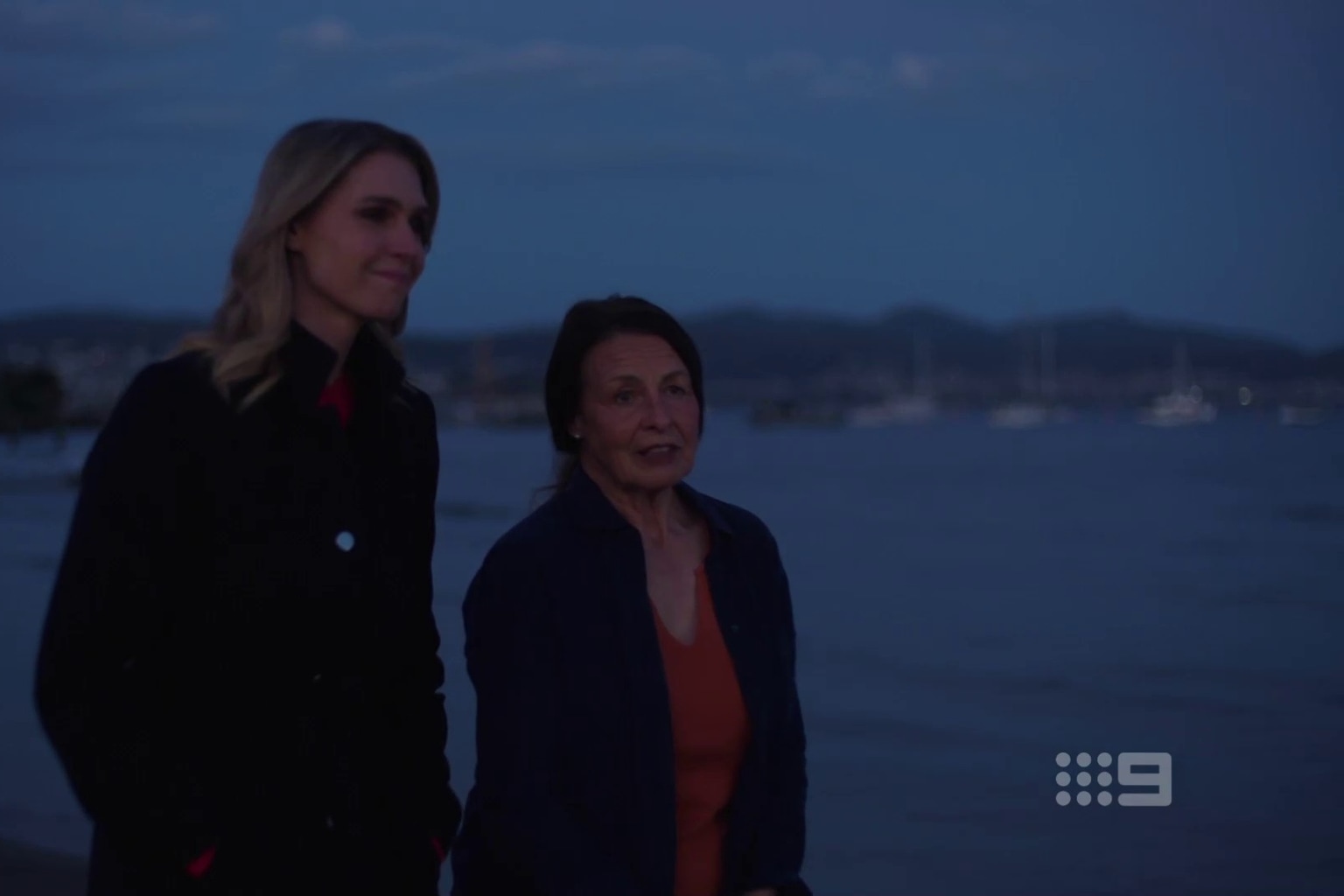
Neill-Fraser was convicted in 2010 of murdering her partner, Bob Chappell, on their yacht Four Winds.
It was moored on the River Derwent at Sandy Bay on Australia Day 2009.
His body was never found and no weapon was recovered. She has always denied killing him.
Neill-Fraser served 13 years of a 23-year sentence before being released on parole in October 2022.
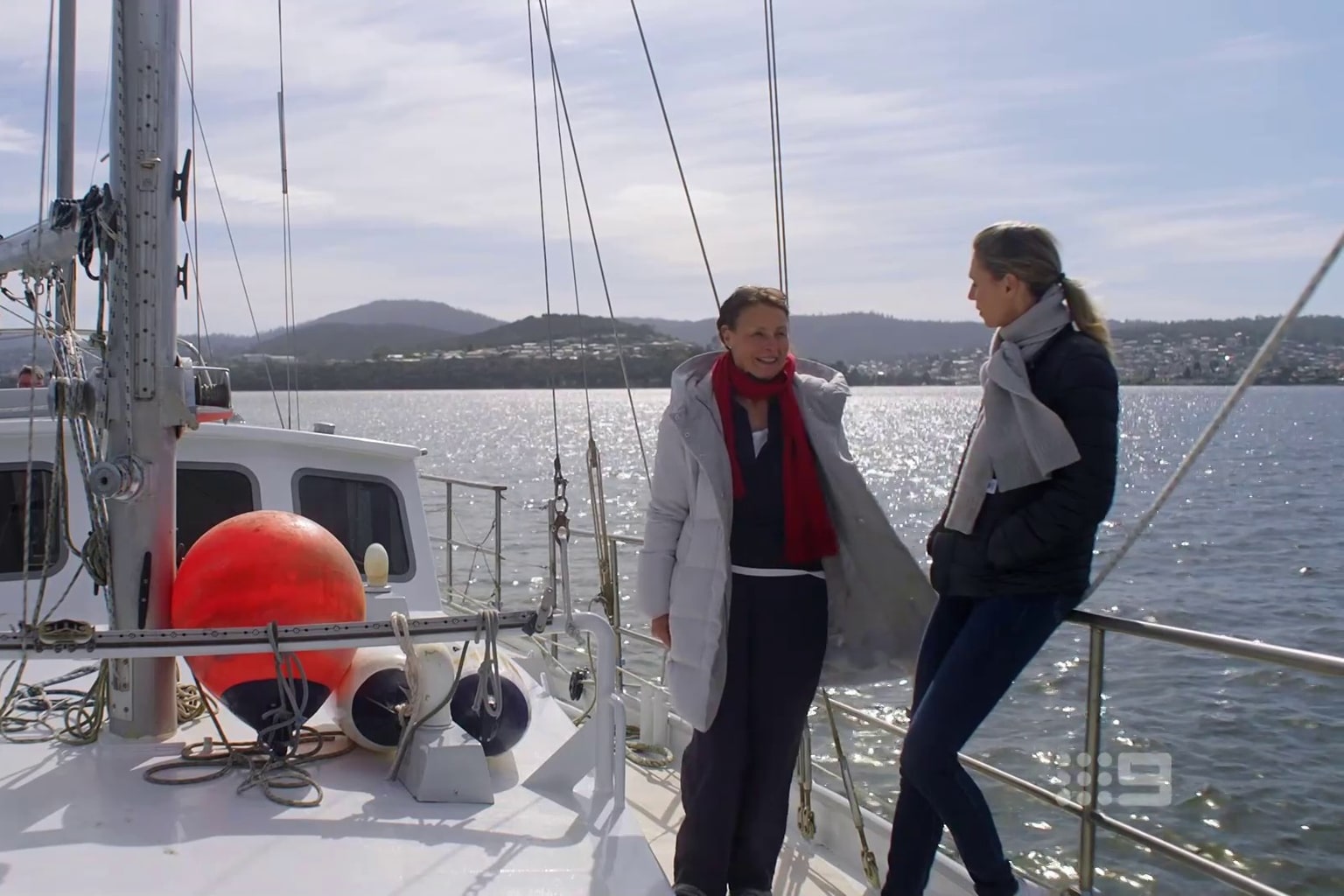
Two years later, the Tasmanian Parole Board banned her from arguing her innocence or even discussing it. Last month, a Supreme Court judge ruled the condition invalid and unreasonable.
Sarah Schwartz from the Human Rights Law Centre, who ran the case, said the board had relied on an AI-generated report containing fake case law.
“It’s so rare that people challenge parole conditions. We’d never know about any of that documentation if we hadn’t challenged this decision,” Schwartz said.
Police alleged Neill-Fraser killed Chappell for money.
She told the program she had more than $80,000 in the bank, owned two rental properties and a farm and had paid for her half of the yacht outright.
She admitted lying to police about staying home that night.
She said she went to Sandy Bay looking for Chappell’s daughter, who she feared was suicidal. She said telling police would have caused family issues.
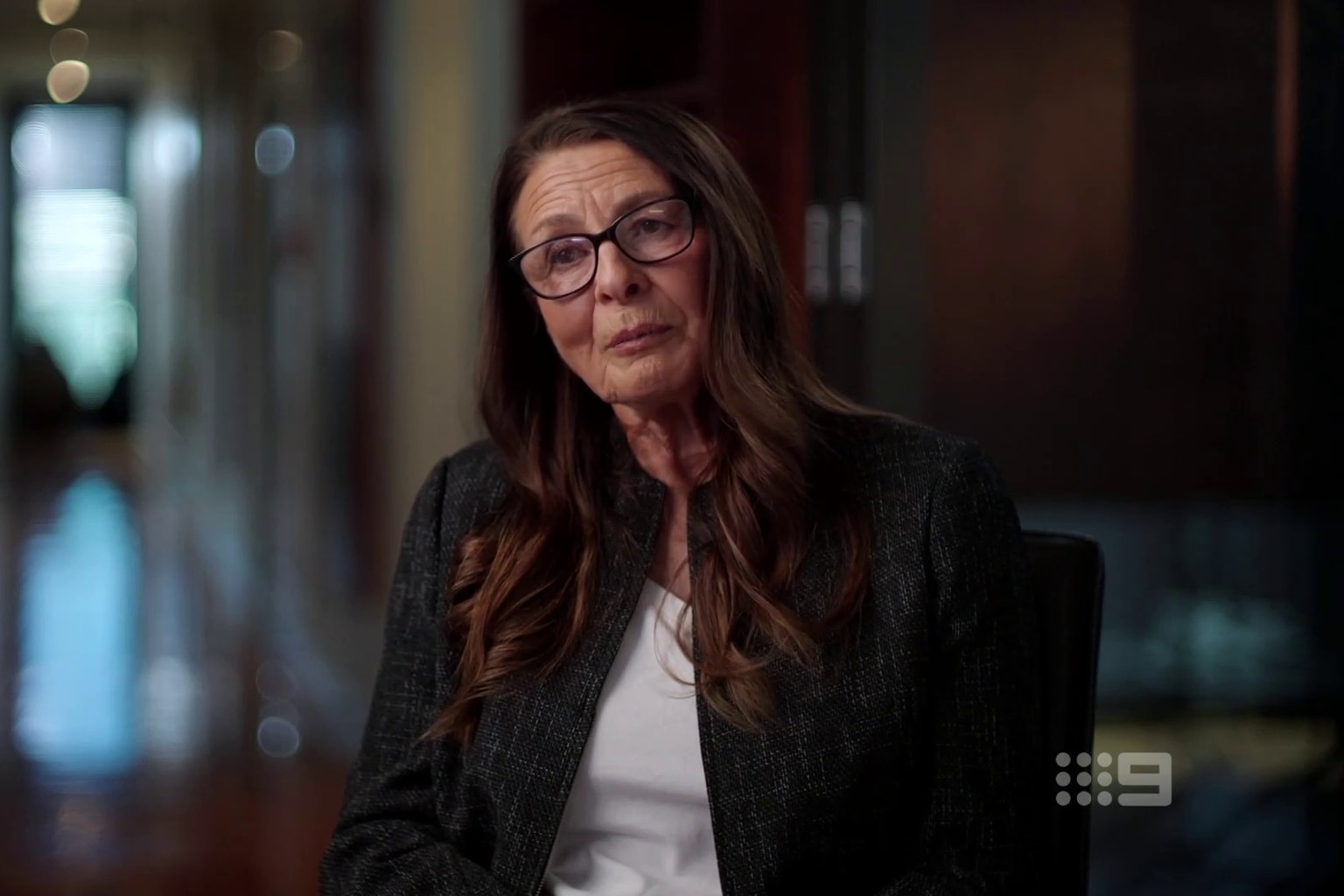
Flinders University adjunct professor Bob Moles, who studies miscarriages of justice, said key issues were never raised in her two appeals.
He pointed to a large DNA deposit on the deck. It was matched to Meaghan Vass, who was a homeless 15-year-old at the time.
Vass told 60 Minutes in 2019 she saw a man attack Chappell on the yacht, but she changed her story at Neill-Fraser’s appeal.
The jury was also shown photos of the yacht’s dinghy glowing under luminol, a test that reacts to more than 100 substances. Later testing found no blood.
Neill-Fraser’s previous appeals have been unsuccessful.
The premier, the attorney-general, the director of public prosecutions and the police commissioner did not do interviews.
Attorney-General Guy Barnett said in a statement the government “does not support an inquiry into Ms Sue Neill-Fraser’s case”.
He said she could apply for a further appeal if there was new evidence that was “fresh and compelling”.
Police Commissioner Donna Adams said Tasmania Police “continues to have full confidence in both the original and subsequent police investigations in this matter”.
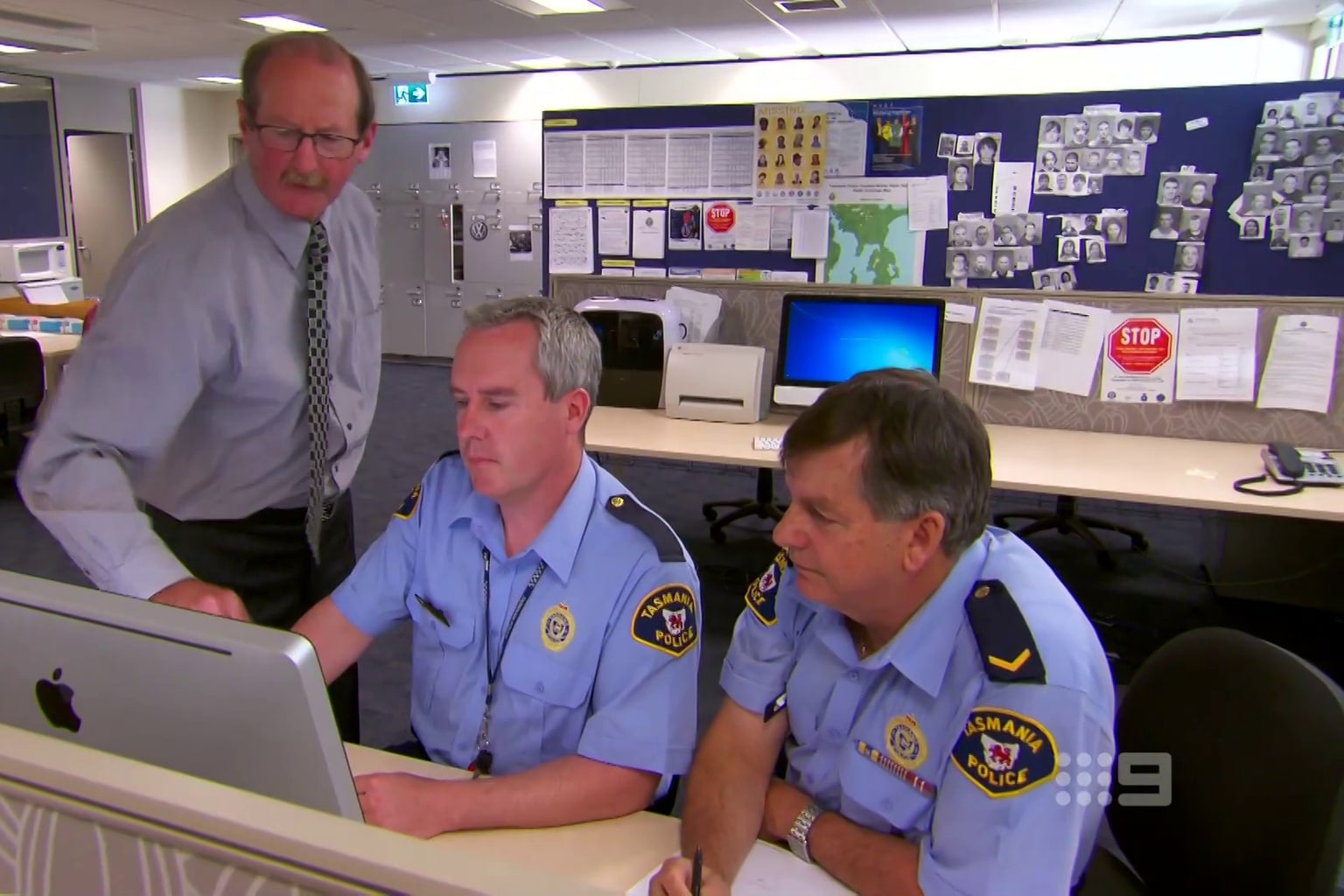
She said a coroner’s investigation had supported the findings of the criminal case.
Chappell’s son declined to speak to the program.
He said due process had been followed and the campaign was causing his family serious distress.
Neill-Fraser is putting together a new legal team.
“I’m continuing in the quest to clear my name, I cannot walk away from this,” she said.
If you need support, call Lifeline on 13 11 14.