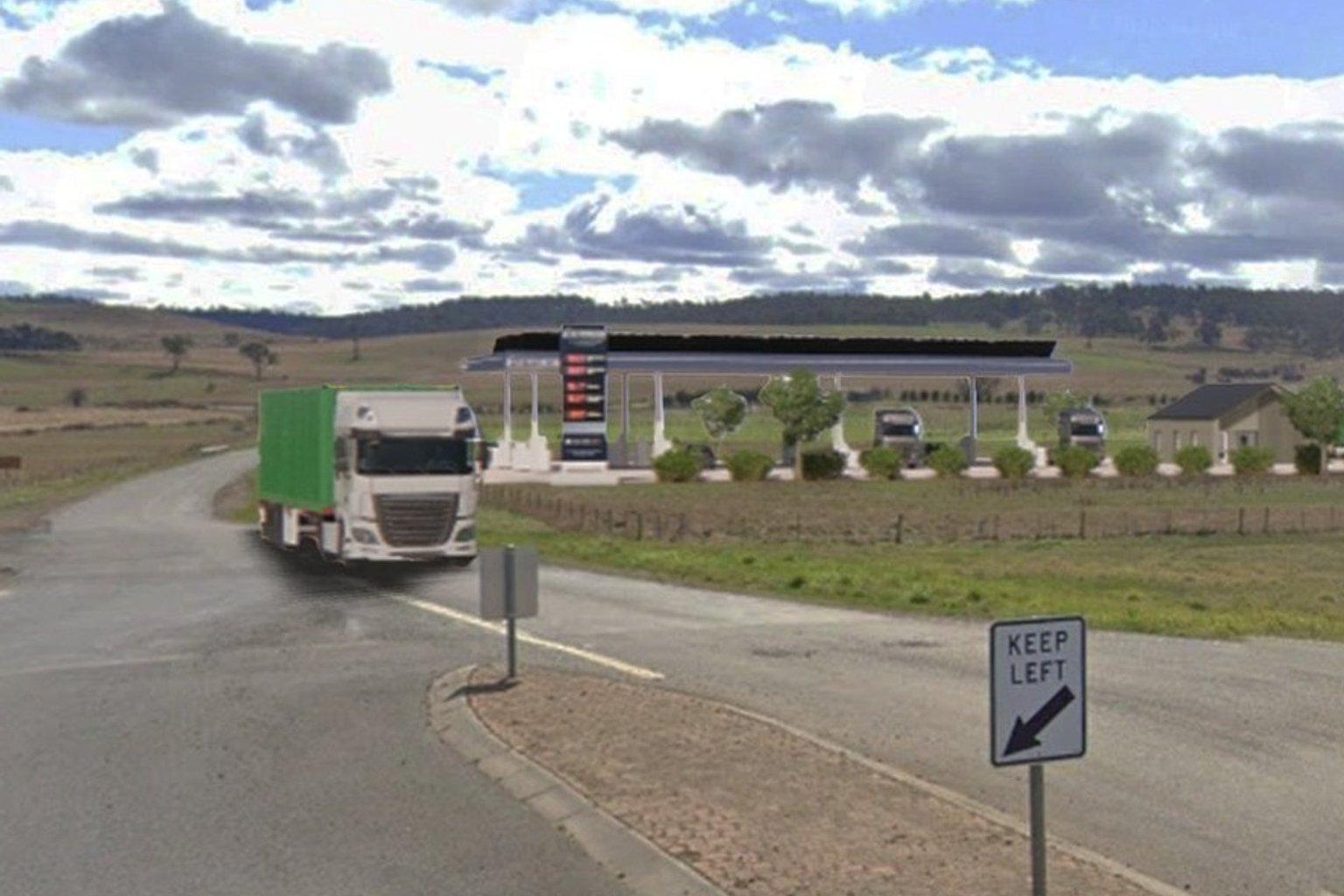
Tas Petroleum has flagged a legal challenge after the Southern Midlands Council again refused to clear the way for a $6-7 million truck stop on the Midland Highway at Oatlands.
Councillors this week voted to reaffirm their rejection of the proposed development at the corner of the highway and Interlaken Road.
Pulse understands Tas Petroleum has commenced Supreme Court proceedings since the rejection.
“We look forward to finally being able to proceed with a judicial review and hopefully get this site built,” Tas Petroleum said.
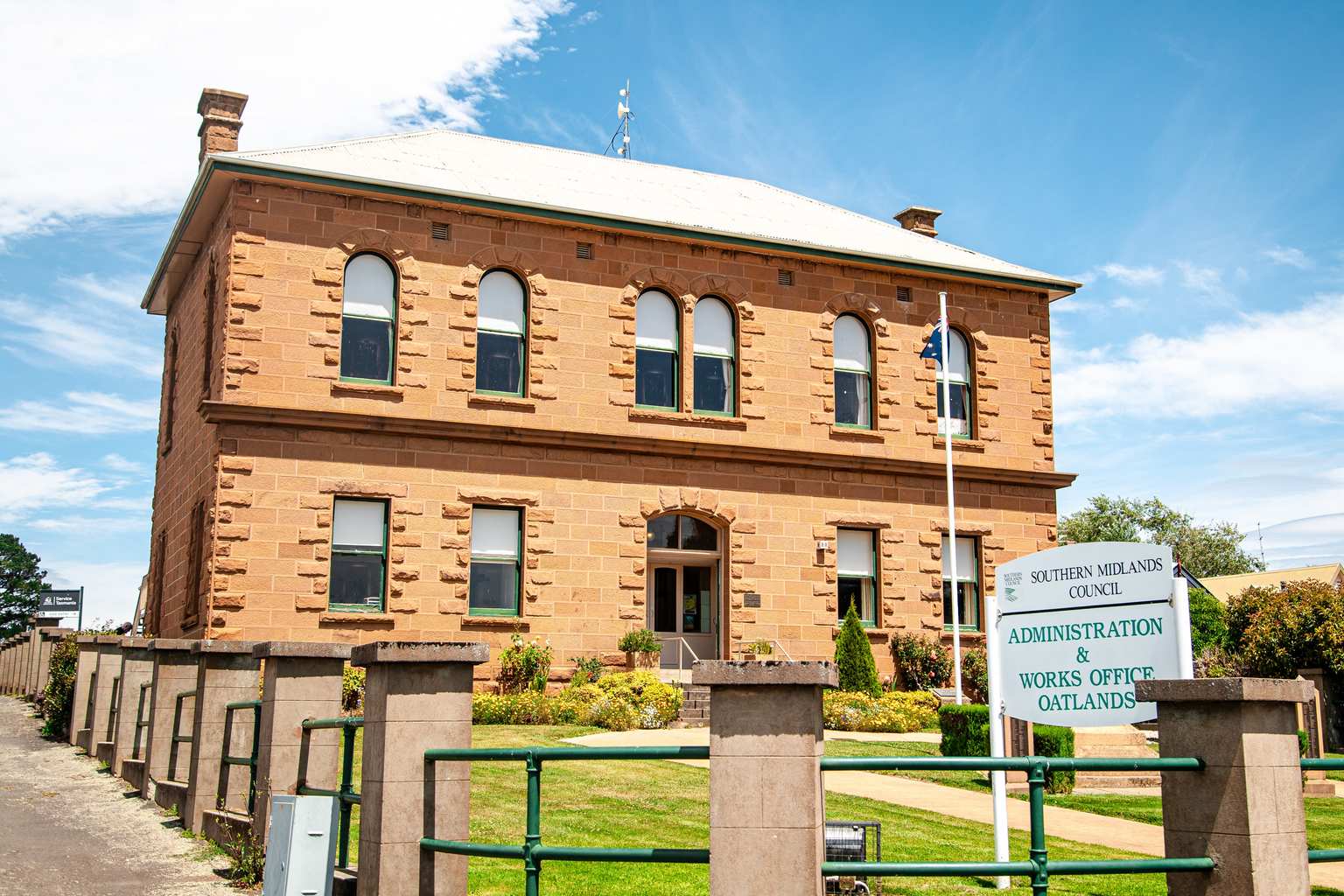
The site is zoned rural, where fuel sales are not allowed. For the project to go ahead, the council first had to agree to change the planning rules. It refused.
The 24/7 unmanned station would have included fuel, EV charging, showers, toilets and a rest area for truck drivers.

Tas Petroleum said the project would fill a 105-kilometre gap between Kempton and Epping Forest, where heavy vehicle drivers have few safe places to stop.
The council first knocked back the proposal in February. The Tasmanian Planning Commission later directed it to reconsider, leading to this week’s decision.
The council cited three reasons for the refusal, being a lack of local jobs, the loss of rural land and road safety concerns.
It said the site had no acceleration or deceleration lanes, despite sitting on a road with a 110km/h speed limit.
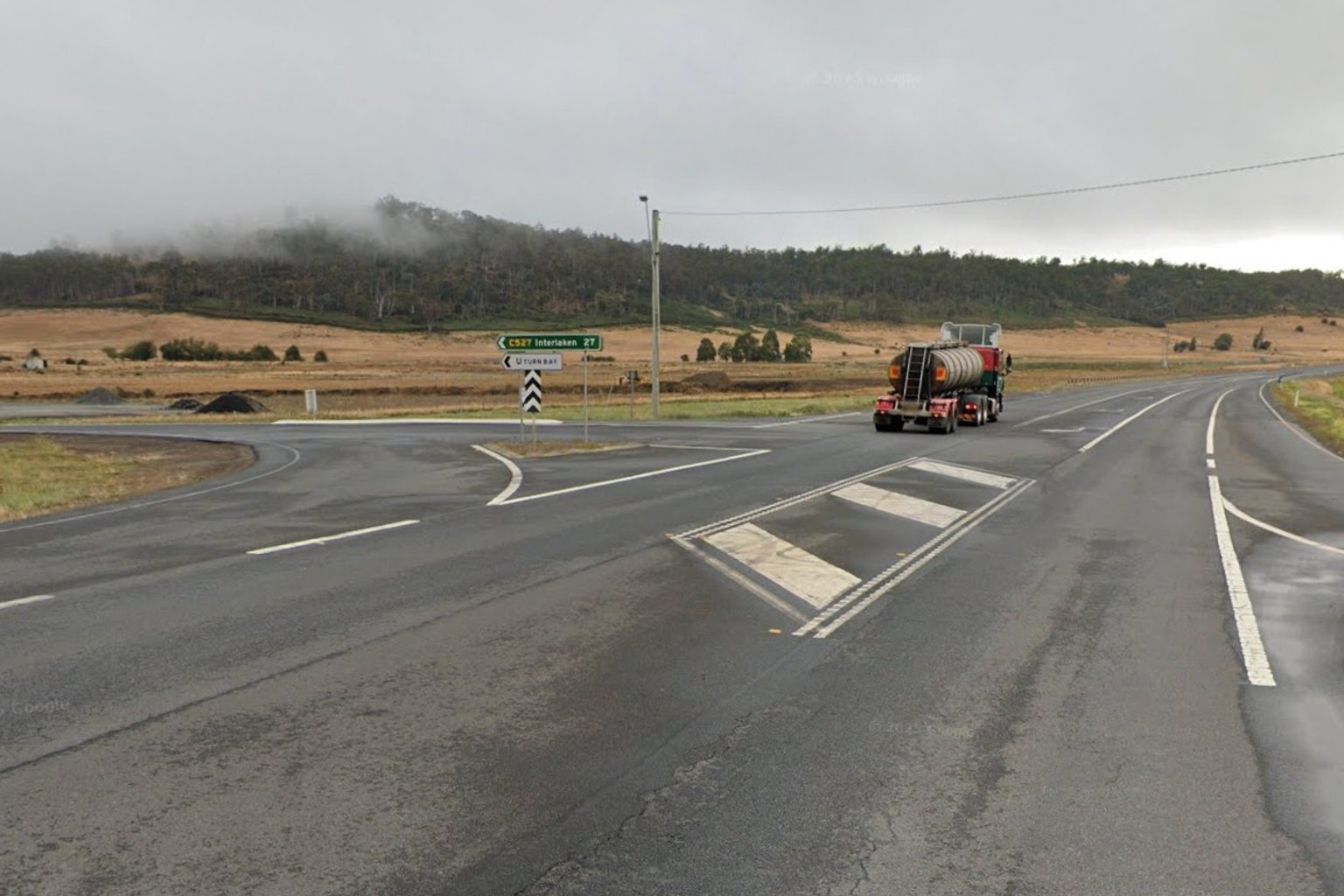
In its decision, the council said it “does not agree” with Department of State Growth advice that the highway junction is safe.
“The proposed activity will compromise road user safety,” it said.
The council said it wanted to avoid a repeat of the crash history at the Mood Food site near Kempton.
A traffic engineer engaged by Tas Petroleum found the junction was safe, noting State Growth had recently given it a three-star safety rating.
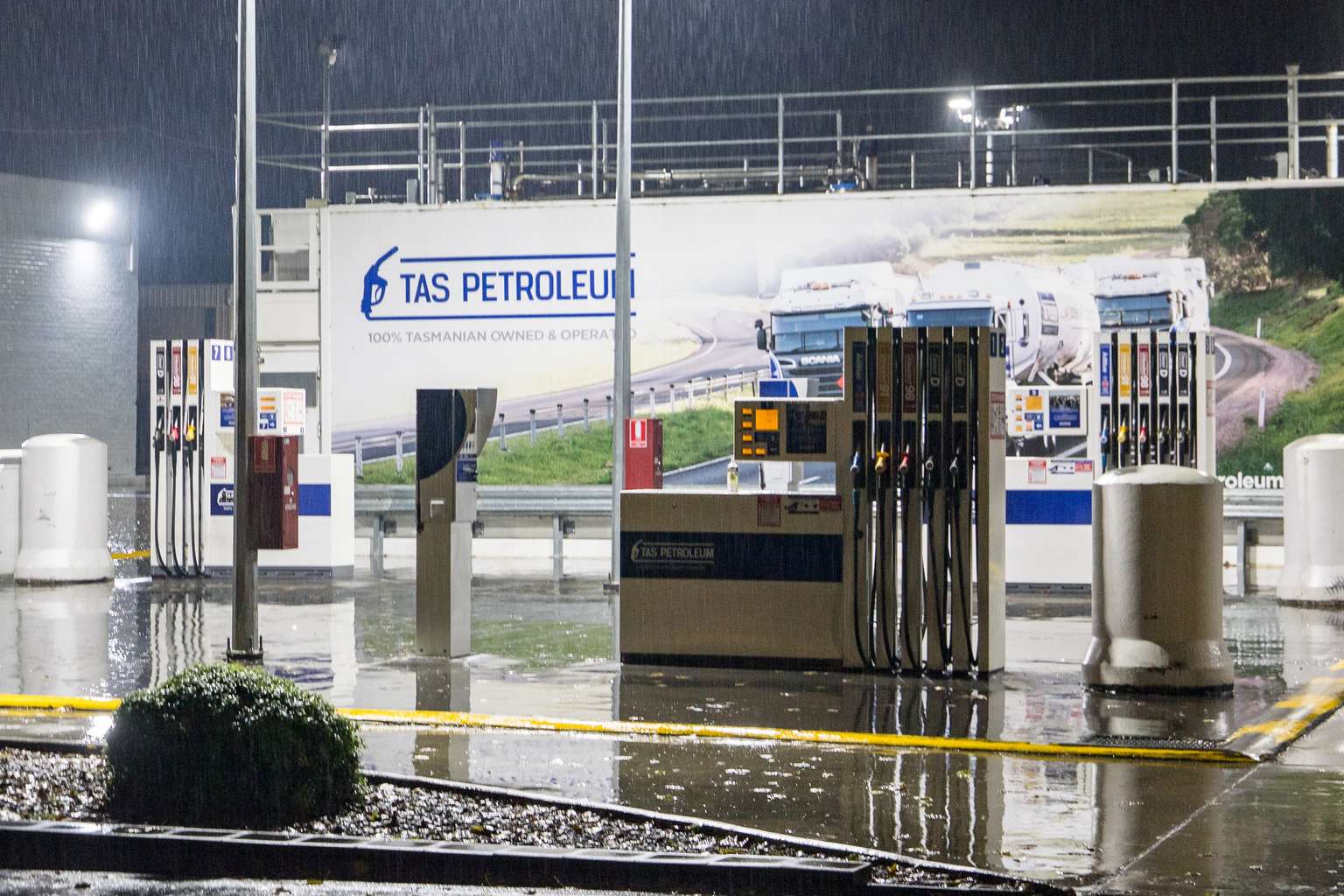
But the council’s own engineer found the exit onto the highway posed a significant safety risk and recommended the intersection be upgraded.
Tas Petroleum said the second rejection was disappointing.
“[It] means fewer safe stopping options for truck drivers, decreased fuel price competition and a missed opportunity to support the people who keep freight moving across the state,” the company said.