TasFarmers says Woolworths’ decision to end its Tasmanian beef supply arrangement is a timely reminder for shoppers to consider where their food comes from.
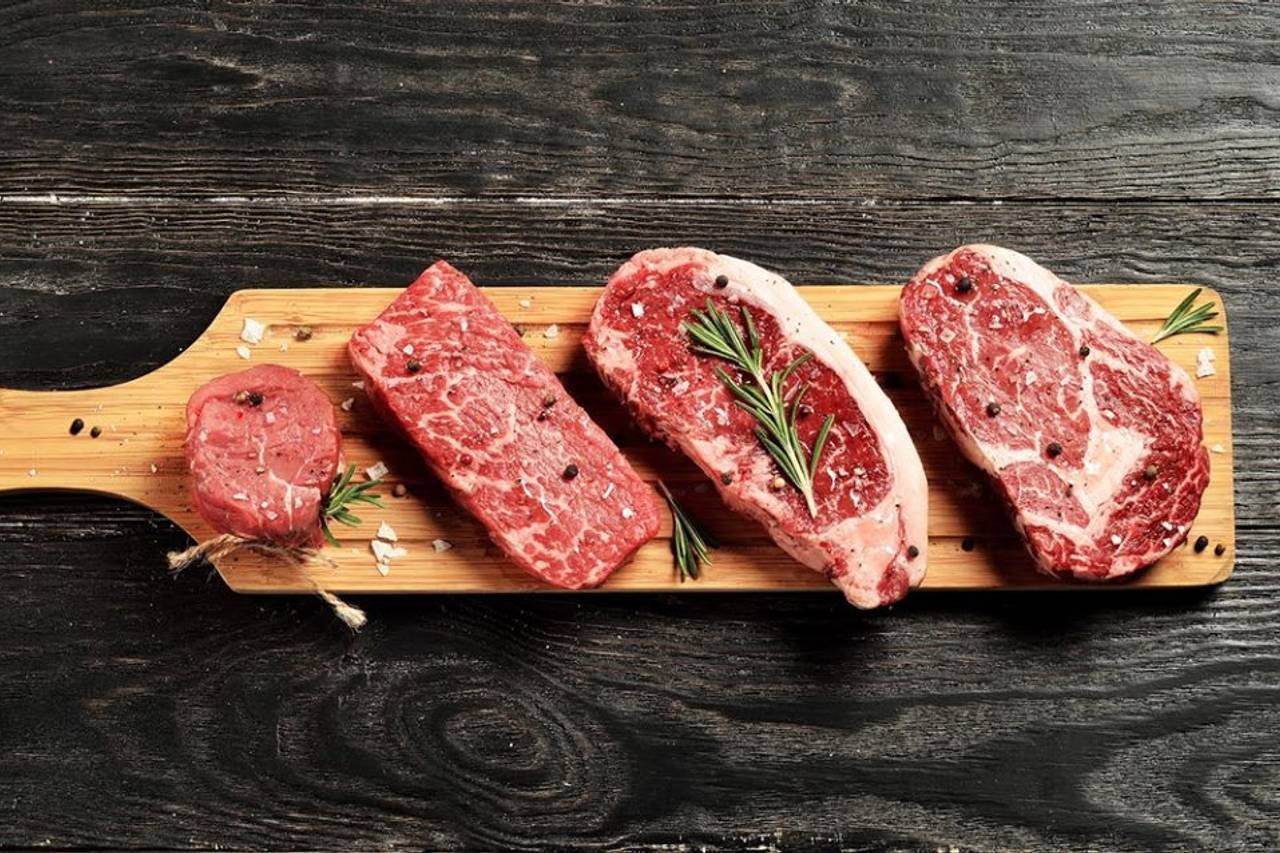
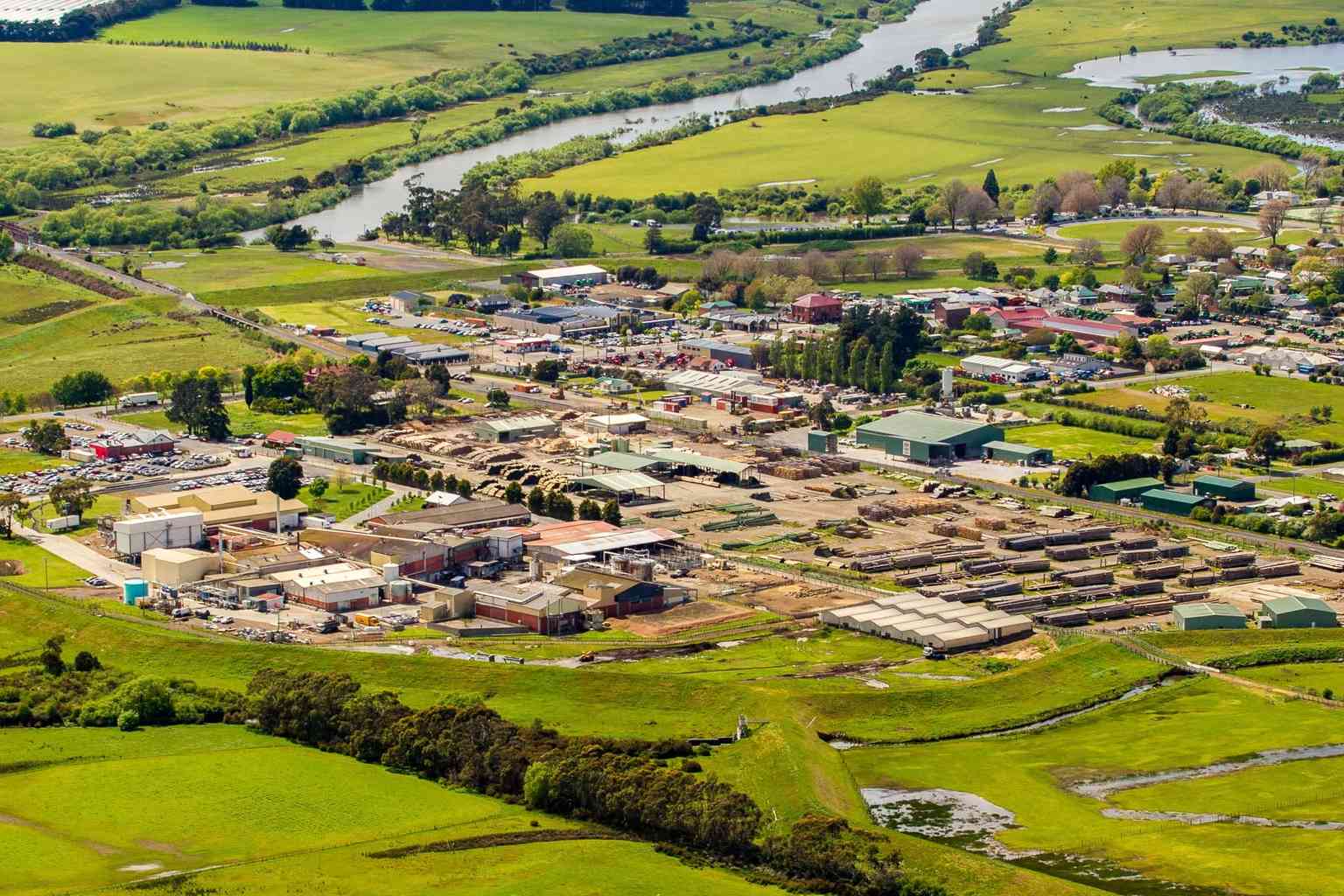
The supermarket giant has confirmed it will exit its relationship with JBS in Longford in 2027, ending an arrangement under which a small volume of Tasmanian cattle is processed locally before being sent to the mainland for packaging and returned to Tasmania for sale.
“It doesn’t matter whether you’re buying a litre of milk, a steak or your vegetables, show a bit of interest with where your food comes from and let that guide your purchasing decisions,” TasFarmers chief executive Nathan Calman told Pulse.
Calman said the decision would be significant for the Tasmanian producers currently supplying Woolworths.
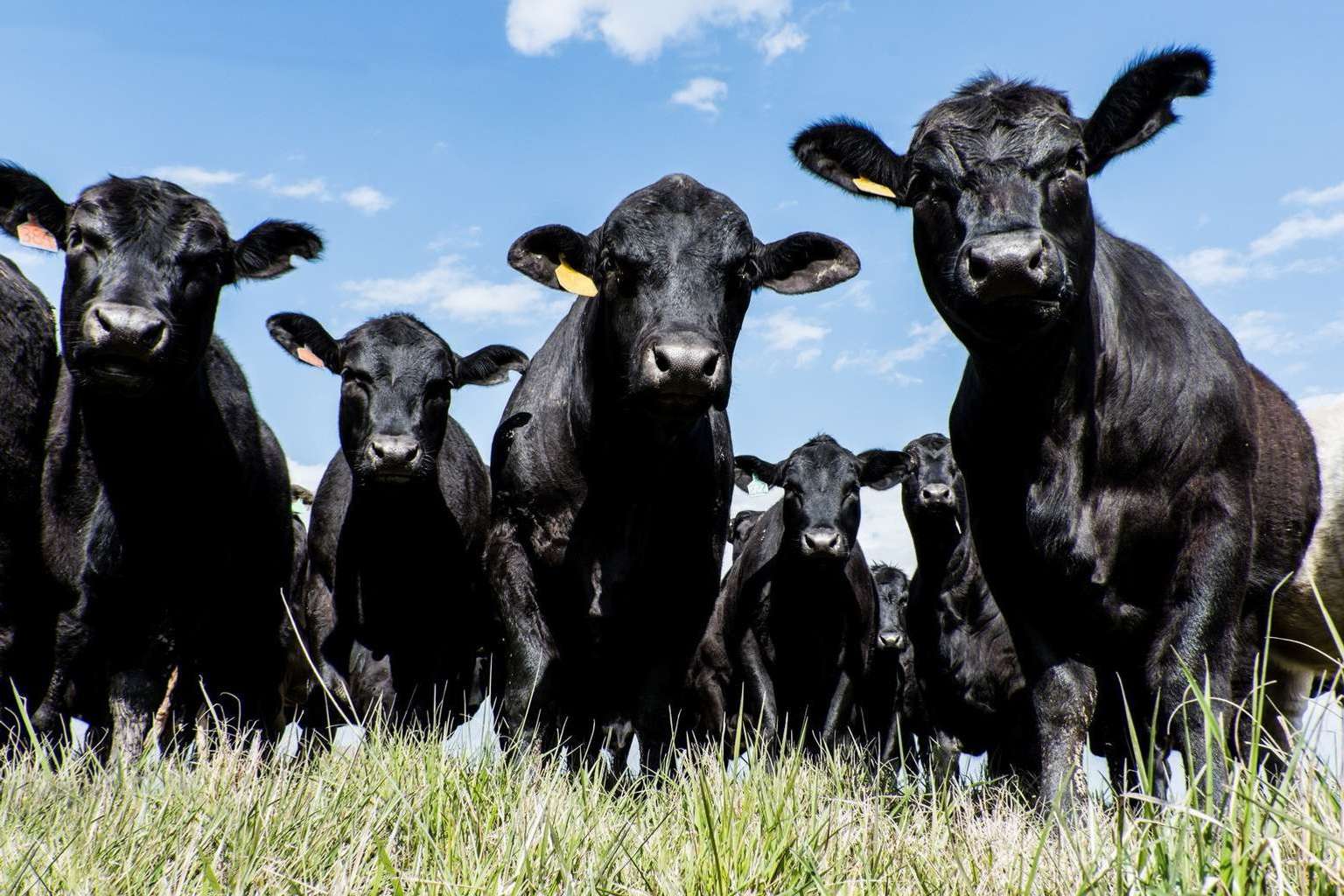
“For those producers, it’s definitely a big thing,” he said.
Woolworths had provided farmers with forward forecasts, giving producers greater certainty about how many cattle were needed, when they were required and what the supermarket would pay.
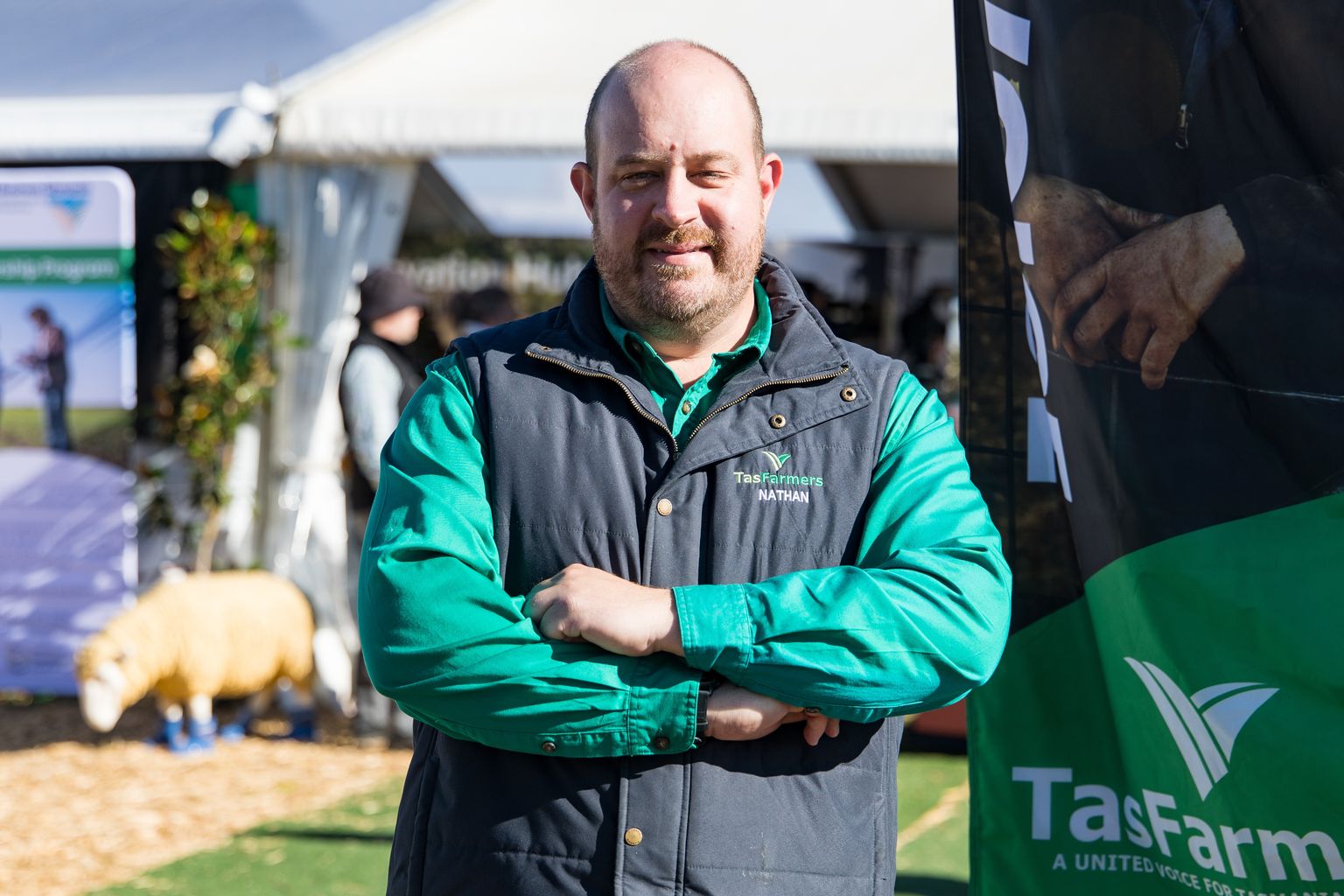
Calman described the decision as a “further wake-up call” for industry and government to work together on improving Tasmania’s meat processing and packaging capacity.
The way supermarkets operate has changed significantly over the past two decades, Calman said.
Supermarkets previously had butcher shops that received whole carcasses and broke them down for sale, while beef now typically arrives already cut, packaged and ready for the shelves.
Calman said Tasmania lacked a facility capable of slaughtering, cutting and packing beef into a format suitable for supermarket shelves.
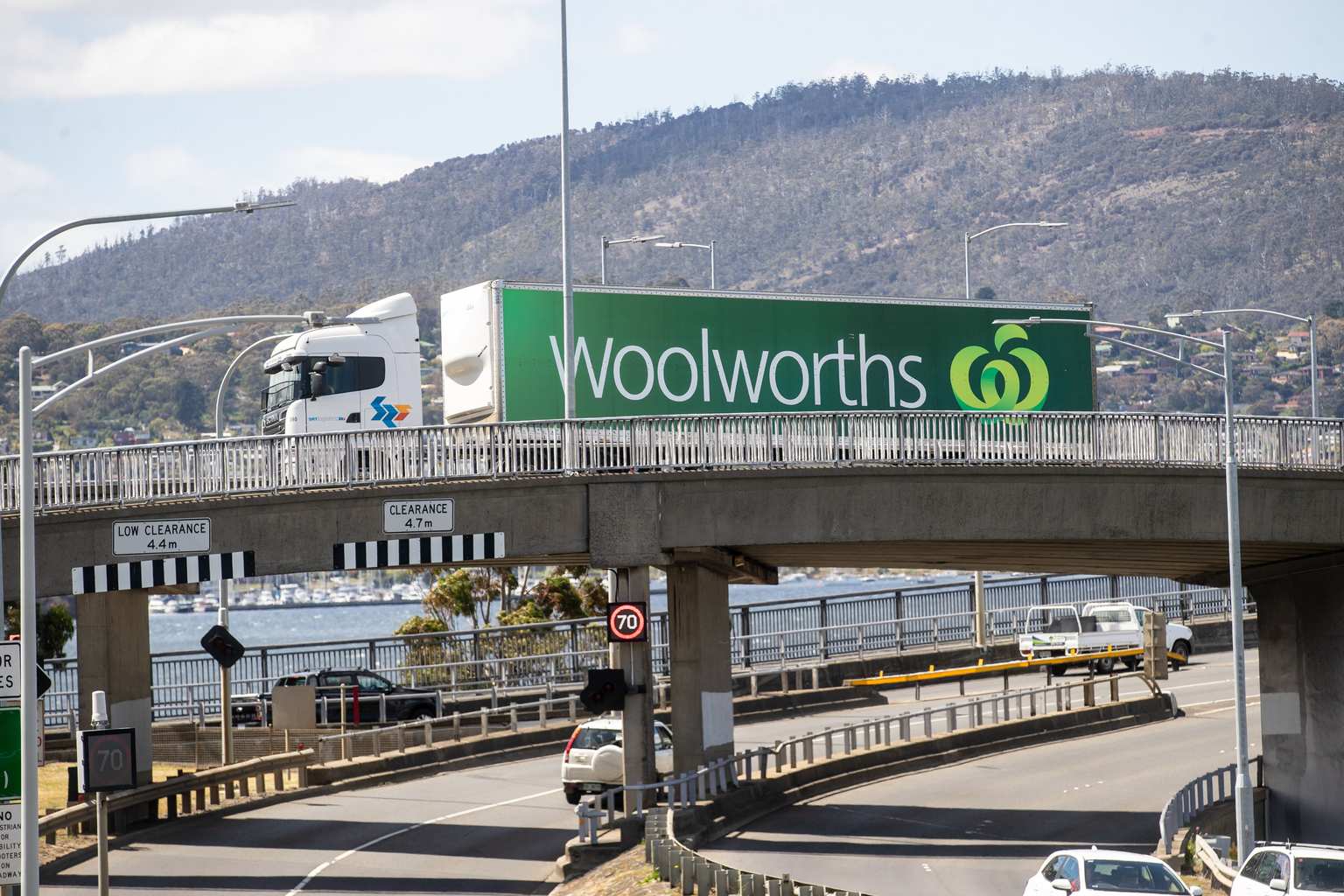
“The lack of facility within the state to not just slaughter but then cut and pack beef into a format that can be sold here has really been the downfall of Woolworths and the decision that they’ve made here,” he said.
Woolworths said its Tasmanian beef was supplied by a small group of local farming partners and it was mindful of the impact of the change on them.
“We are working directly with those affected to support them through this transition period into 2027,” a spokesperson told Pulse.
The supermarket said the decision was not a reflection of the quality of Tasmanian beef or its relationship with local producers.
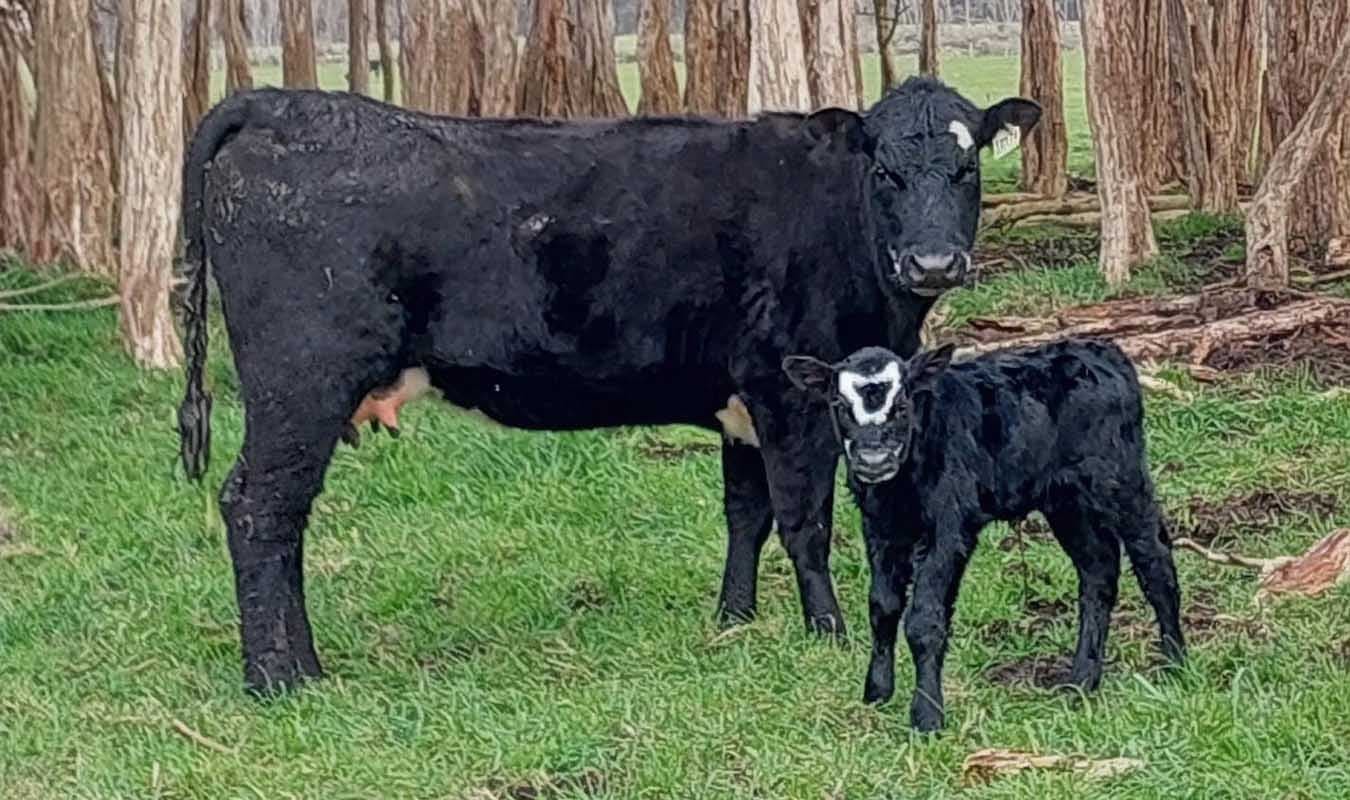
Woolworths currently buys about 80 head of cattle a week in Tasmania, representing less than 1% of its total beef supply.
It said the current model was no longer sustainable and it was simplifying its livestock processing arrangements in Tasmania.
Woolworths said Tasmania remained a key source of fresh produce and it would continue to buy from local suppliers across a range of fresh produce categories.
Greens leader Rosalie Woodruff said the decision highlighted the pressure major supermarkets could place on local producers.
“Everywhere around the country are being squeezed by big corporations, Coles and Woolworths and their focus on profits first,” she said.
“When it comes down to it, they’re not interested in being there for people during the hard times.”
Woodruff said consumers should have access to local food and producers needed diverse markets.