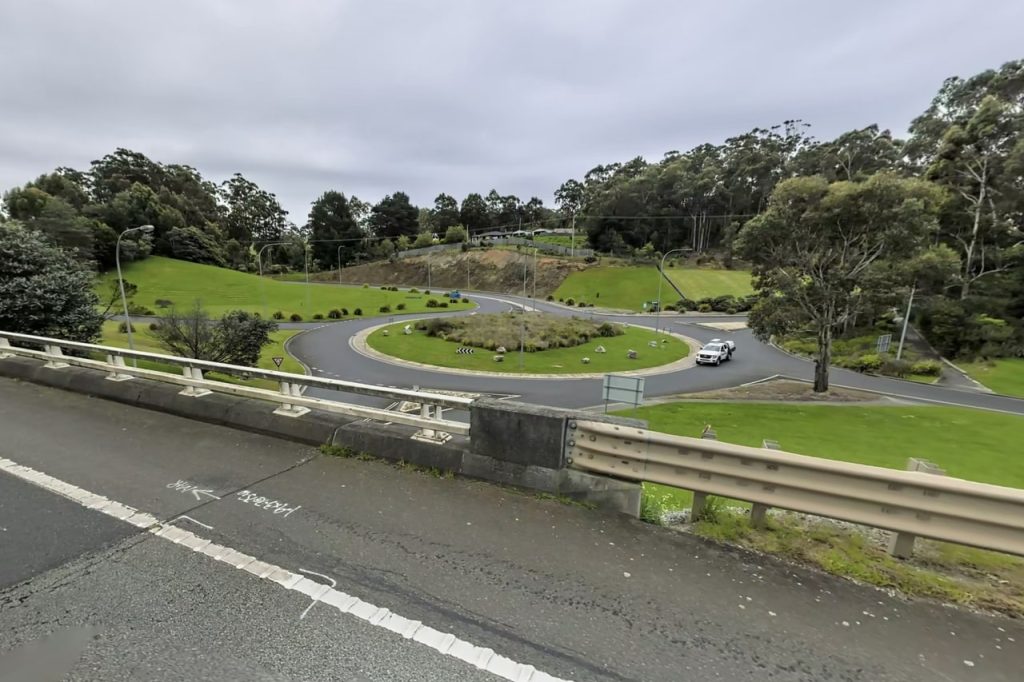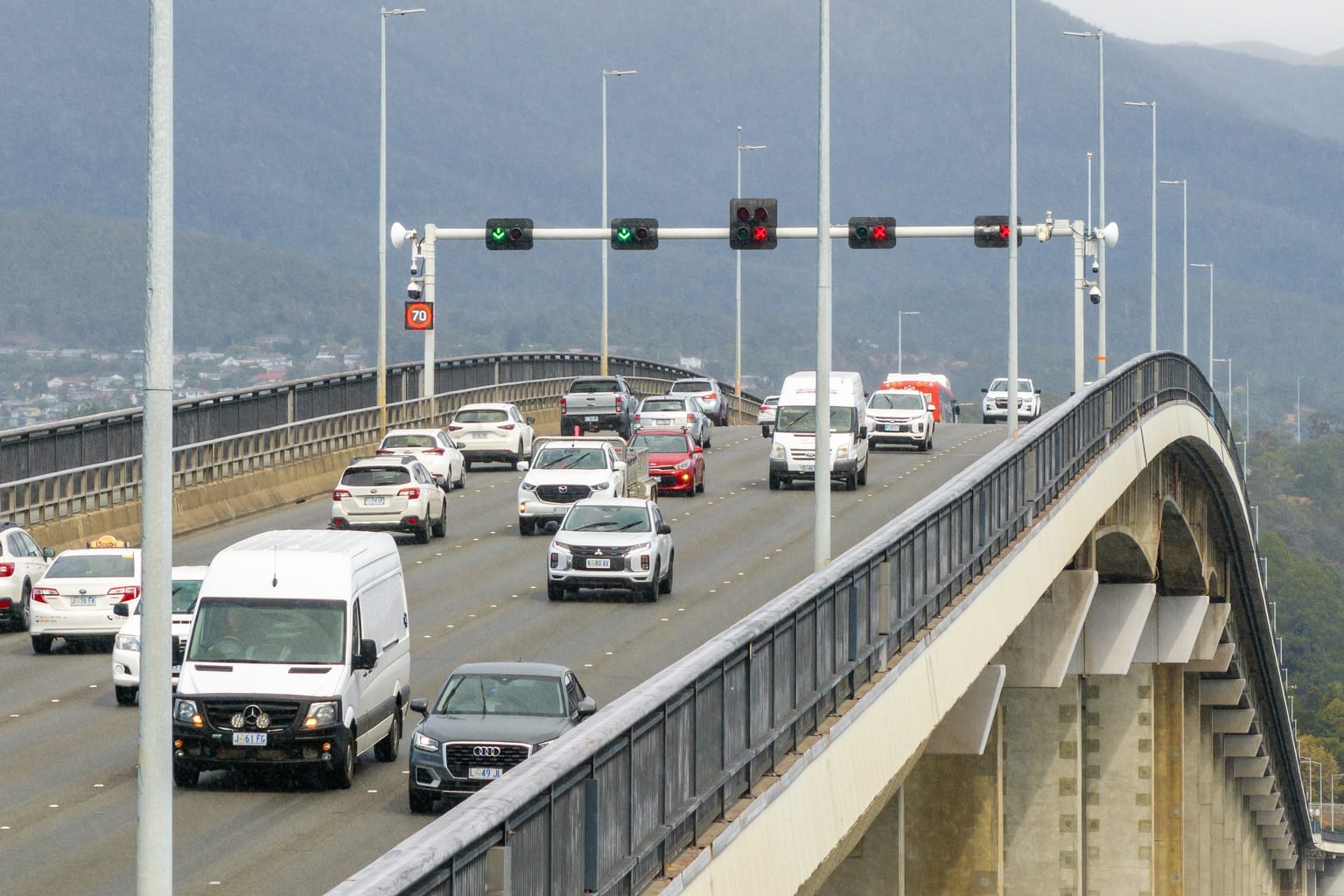
Waterside safety barriers on Hobart’s Tasman Bridge will soon be doubled to three metres under a scaled-back upgrade that leaves the narrow walking and cycling paths largely unchanged.
The state and federal governments have awarded a $23 million contract to Fulton Hogan to complete the work, which is expected to start in the first half of 2027 and take about 12 months.
Concept designs released in 2022 proposed widening the paths on both sides of the bridge to 3.5 metres, with completion by the end of 2025.
Those plans were dropped in 2024 after engineering analysis found the bridge’s foundations could not carry the extra weight and wind load without costly strengthening.
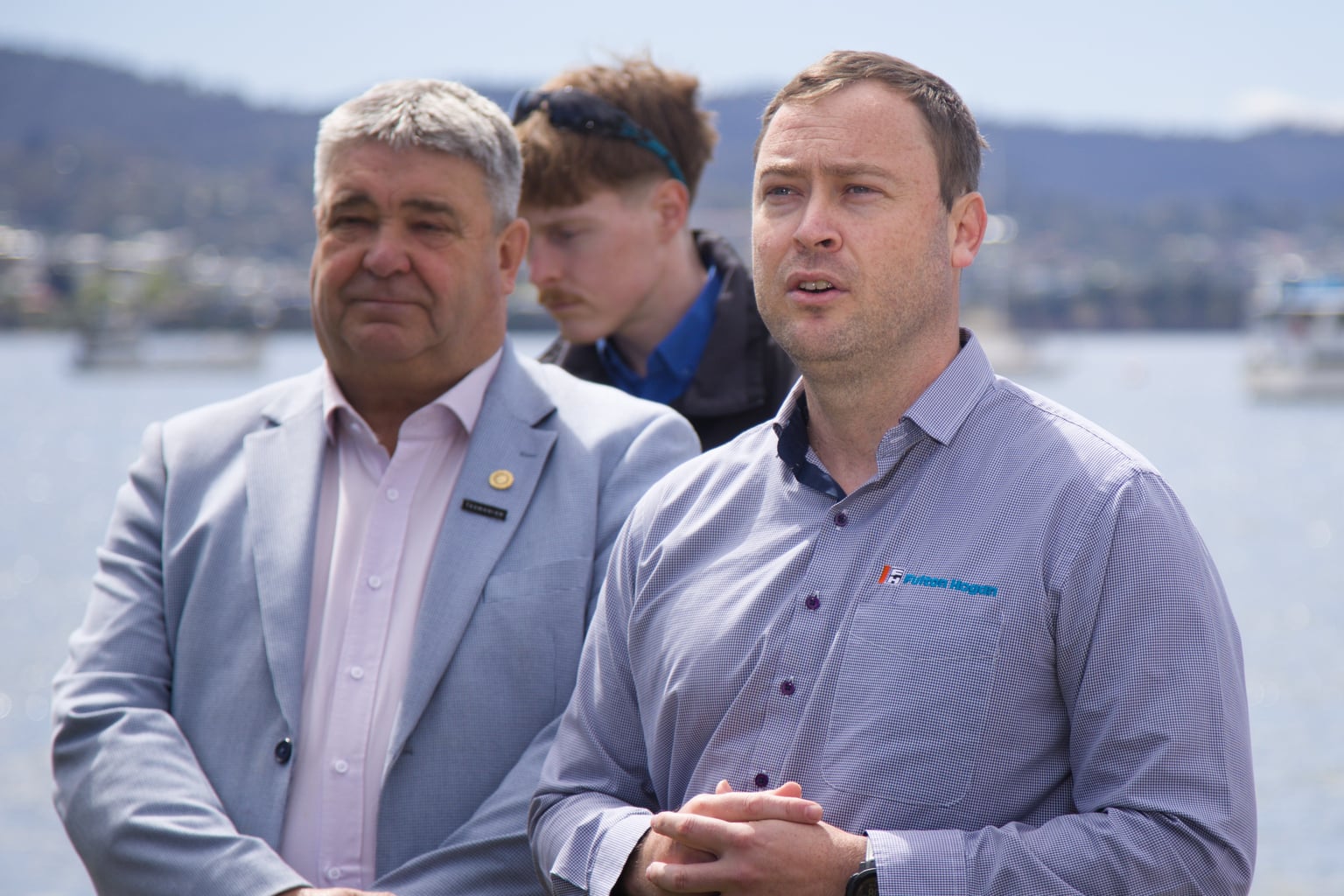
Fulton Hogan project manager Ruan Dippenaar said the roadside barrier would rise from about 900 millimetres to 1.2 metres.
The paths will remain about the same width at ground level. Dippenaar said curved waterside barriers would add about 300 millimetres at handlebar height.
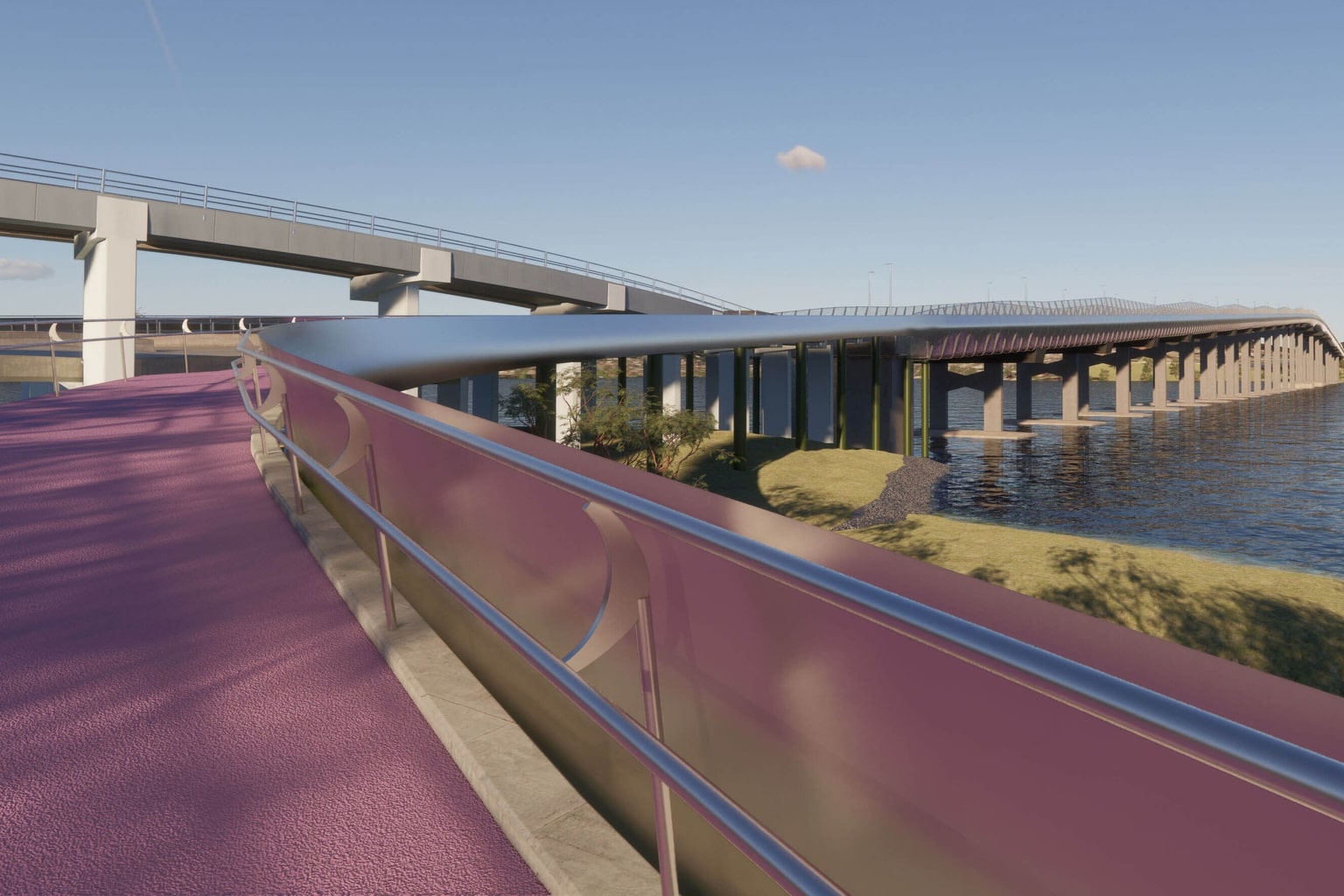
Three new passing bays will be built on each pathway and the bridge’s maintenance towers will be removed.
Bicycle Network Tasmania spokeswoman Alison Hetherington said the changes, while not what cyclists had wanted, “will make a difference” when riding over the bridge.
“There’ll be less handlebar catch, there’ll be more passing bays and we’ll have more room at handlebar height to make it more comfortable when it’s very windy,” she said.
Asked why the upgrades had taken so long, Infrastructure Minister Kerry Vincent pointed to engineering work on the bridge’s strength and wind loads.
“Times have changed, but it doesn’t mean the engineering can always allow for adding certain widths to it,” he said.
“We’ve had to work through different designs and understanding the pressures of the wind on the present structure and work with what we’ve got to make this as safe as possible for people walking, wheeling or riding across the bridge.”
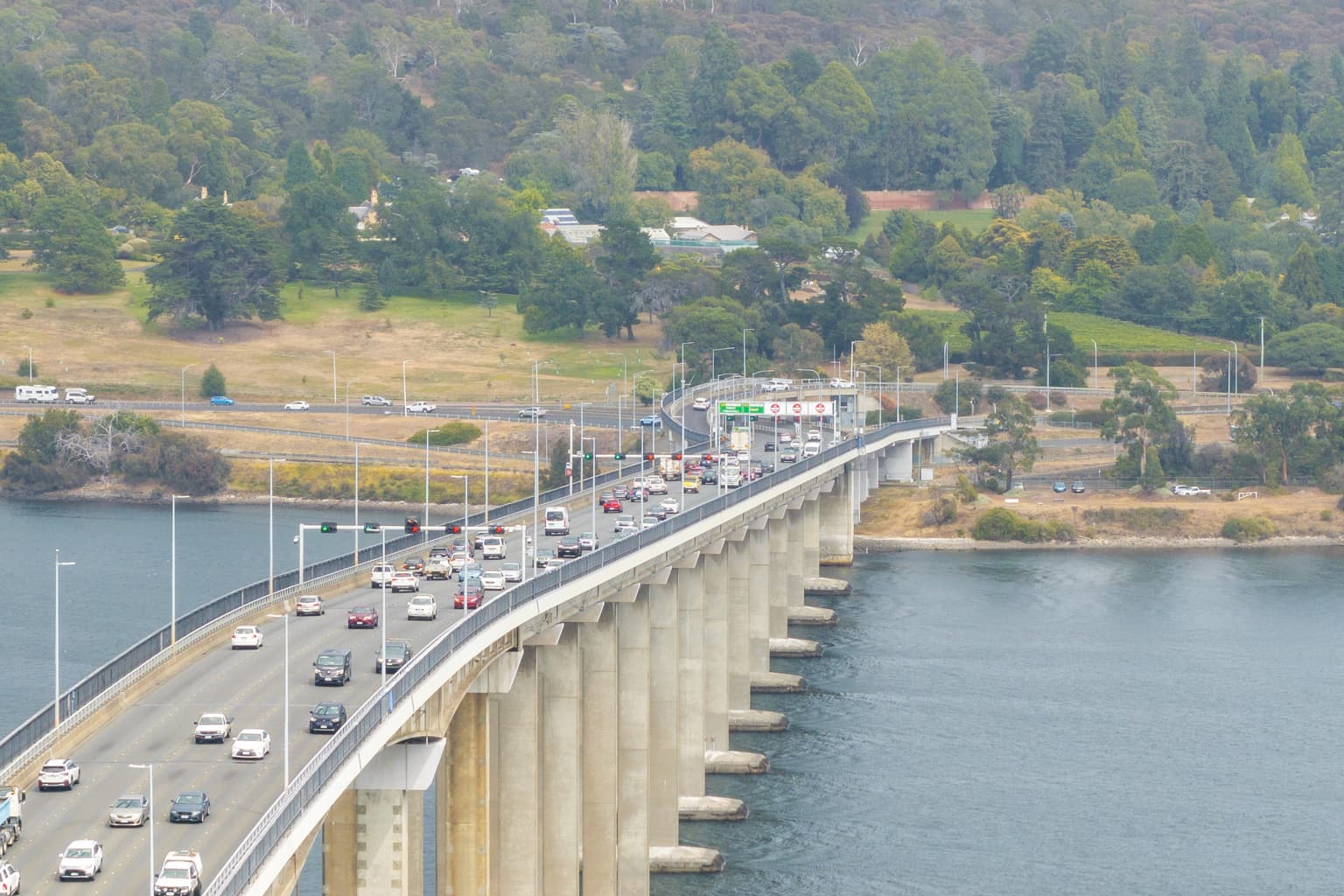
Federal Franklin MP Julie Collins said the bridge carried more than 70,000 traffic movements a day and she had campaigned for safer railings for more than a decade.
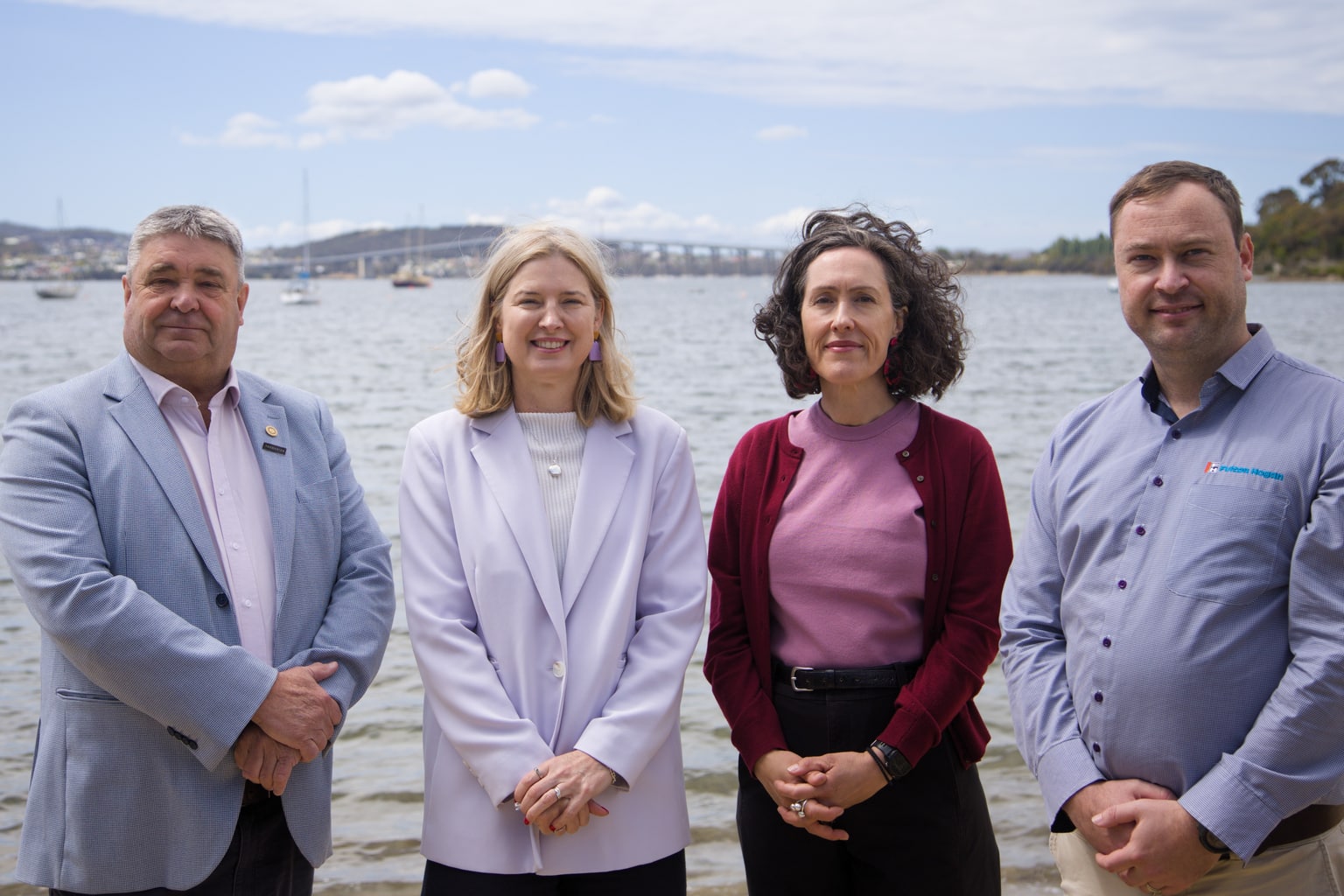
“I’m really thrilled that this is happening,” she said.
Work will be done at night with some lane closures. Dippenaar said one footpath and at least one lane in each direction would stay open at this stage.
The contract is the second stage of a $130 million program, with each government contributing $65 million.
Eastern Shore pathway connections were completed in March and planning is continuing on strengthening the bridge deck.
Vincent said there were no current plans for a new bridge.