Salmon farms must now report fish deaths weekly under new regulations following sustained pressure from the Greens and community groups.
The new direction issued under the Biosecurity Act requires farms to report total mortalities for each pen weekly, along with suspected causes of death.
Previously, farms only reported deaths when they met an arbitrary definition of a “mortality incident”, meaning many fish deaths went unreported.
Greens leader Rosalie Woodruff welcomed the changes but said the information should be made public in real time.
“It’s a real win for greater monitoring of the salmon farming industry, which the Liberals have allowed to operate secretively and unchecked in Tasmanian waters,” she said.
“Tasmanians deserve to know what’s going on in the waterways they treasure for recreation and their livelihoods.”
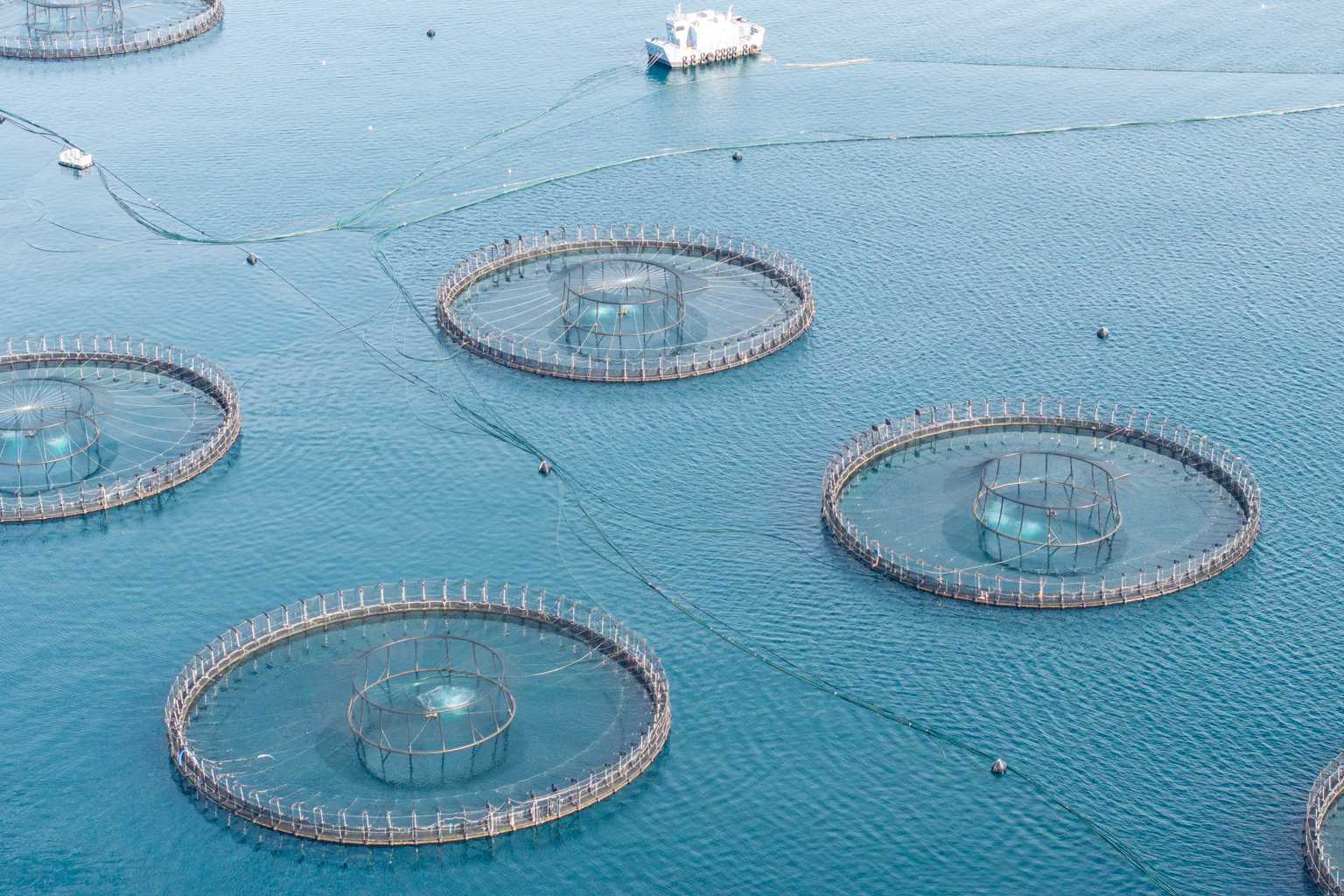
Last year, mass fish deaths in salmon farms polluted Tasmanian waters with diseased and dead salmon, highlighting public concerns about the industry’s environmental impact.
Premier Jeremy Rockliff said continuous improvement was important and information should be available to the public “in a timely manner”.
“I’ve always said it’s important to have continuous improvement,” he said.
“And the salmon plan and the reason why we’re doing the study, of course, is to ensure that we build confidence within the community around our salmon industry.”

“Our salmon industry contributes enormously to Tasmania.”
Independent Franklin MP Peter George said the regulations were “welcome but appallingly overdue”.
“These are mortality events involving tens of thousands of diseased salmon in crowded feedlots in our public waterways,” he said.
CEO of Salmon Tasmania, Dr John Whittington said the salmon industry operates under a strict regulatory monitoring and reporting framework, and take their compliance responsibilities seriously.

“Industry has always reported mortality incidents under extremely low thresholds, as little as 0.25% of stock loss in a pen over three days,” he said.
“The new requirements under the Biosecurity Act provide regulators with additional data in the Eastern and South Eastern zones.”
“We will of course comply with them as part of our ongoing commitment to environmental management and transparency.”