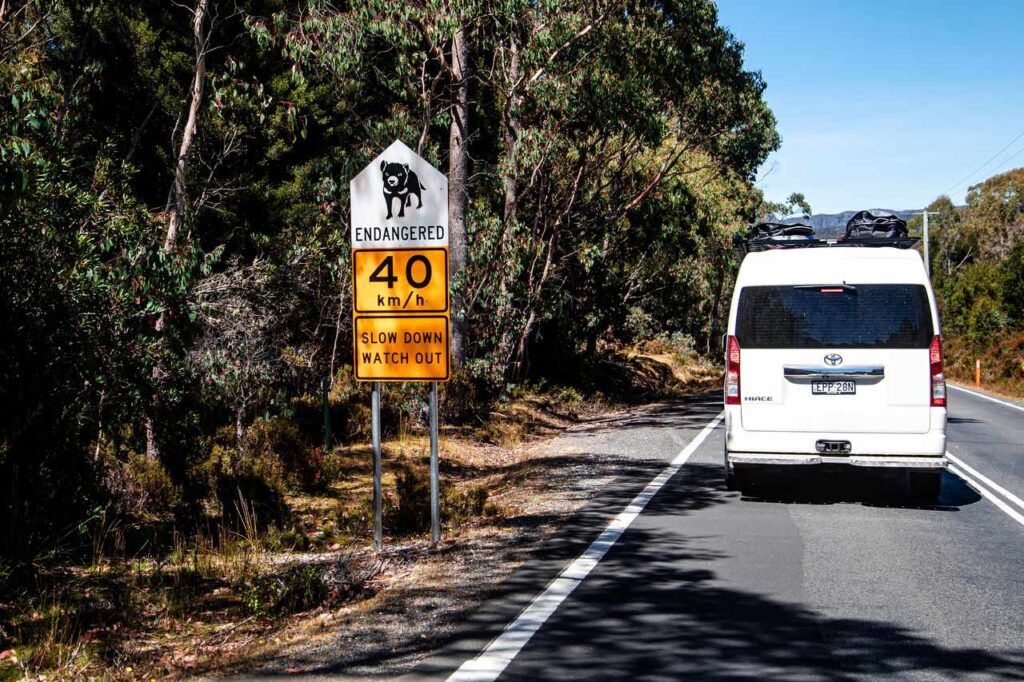
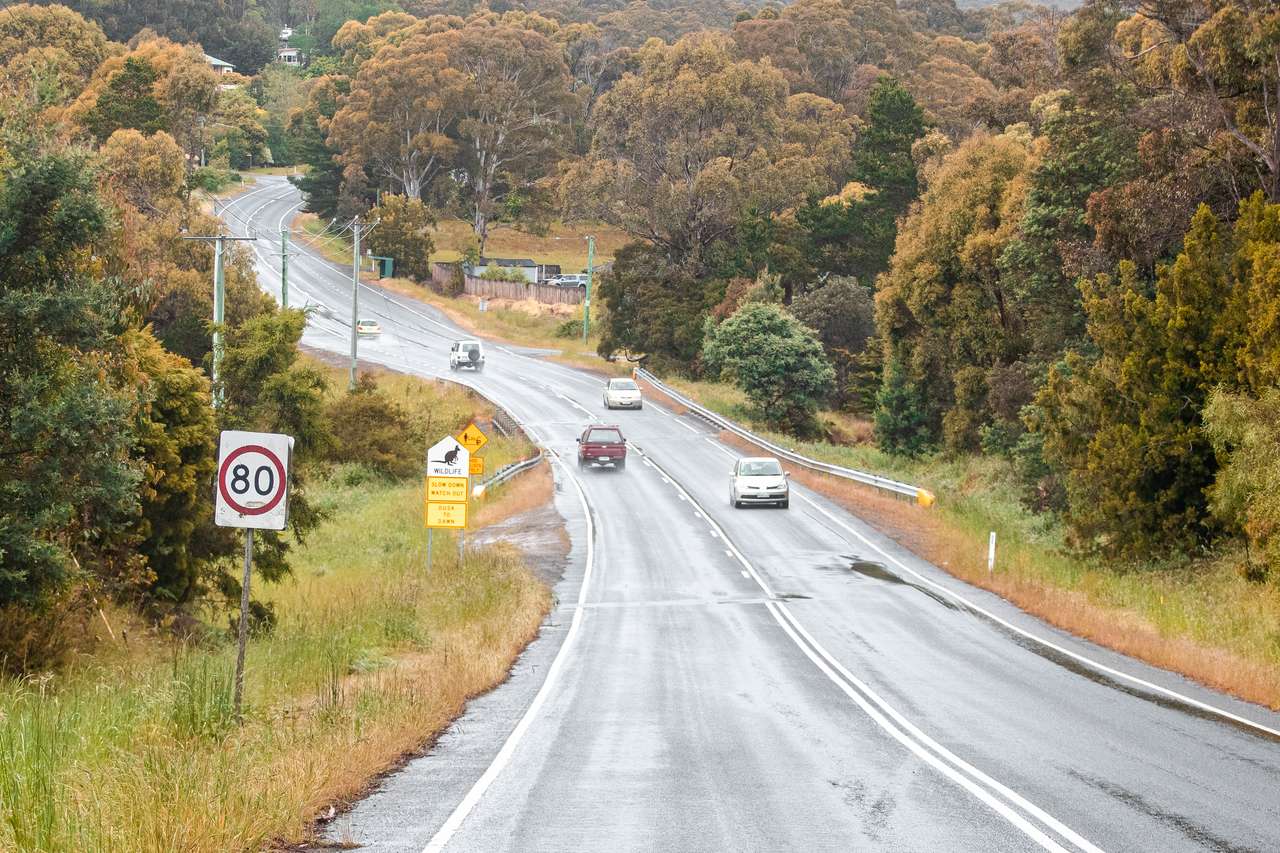
It is estimated that hundreds of thousands of animals are killed on Tasmanian roads each year, the equivalent of nearly one every minute, cementing the state’s reputation as a global roadkill hotspot.
The impact is being seen firsthand at Endor Wildlife Sanctuary in Molesworth, which is reporting a sharp year-on-year rise in orphaned native animals arriving in urgent need of care.
Wildlife carers say many of these young animals are left vulnerable after their mothers are struck by vehicles, placing growing pressure on already stretched rescue services.
In response, the sanctuary has launched a fundraising campaign to build a dedicated enclosure for hand-raising Tasmanian pademelons, an effort aimed at improving survival rates and keeping up with increasing demand.
“As wildlife rehabilitators, we aren’t funded by any government or private organisations, so everything comes out of our own pockets,” sanctuary carer Carolyn Whitfield told Pulse.
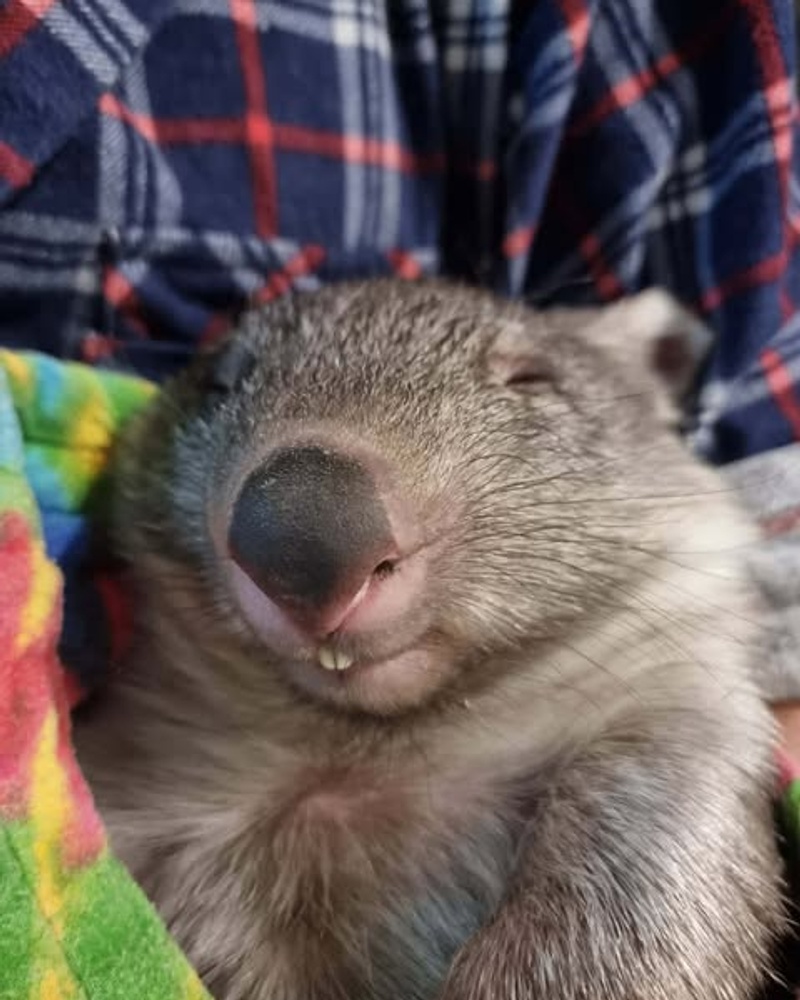
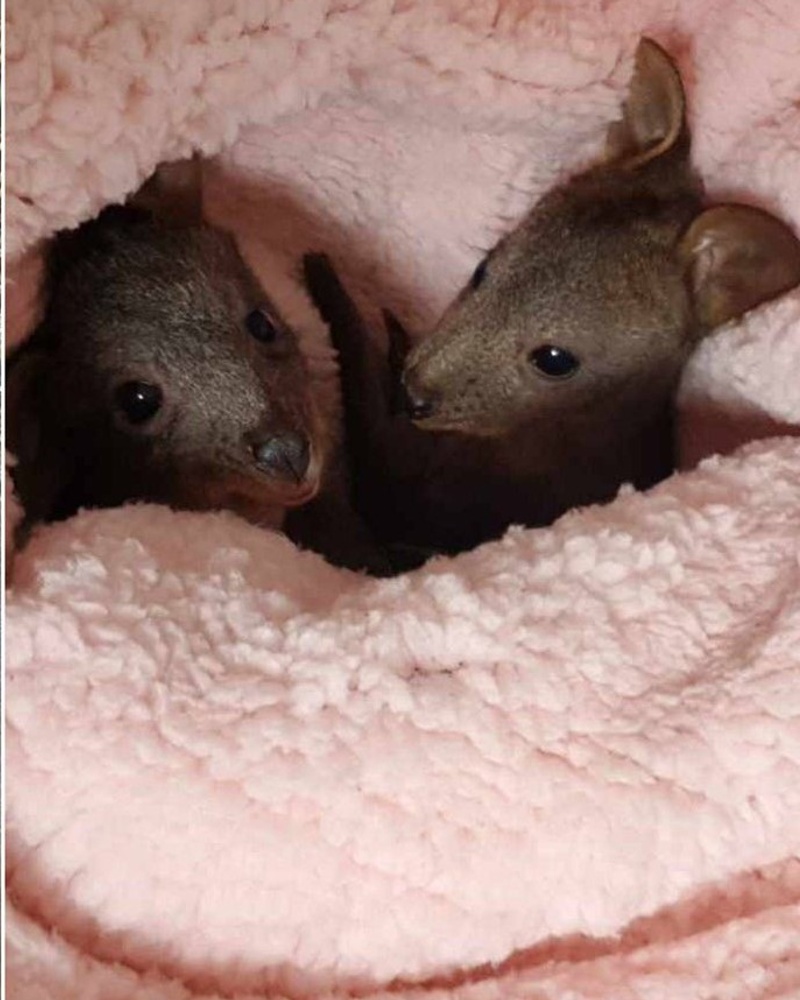
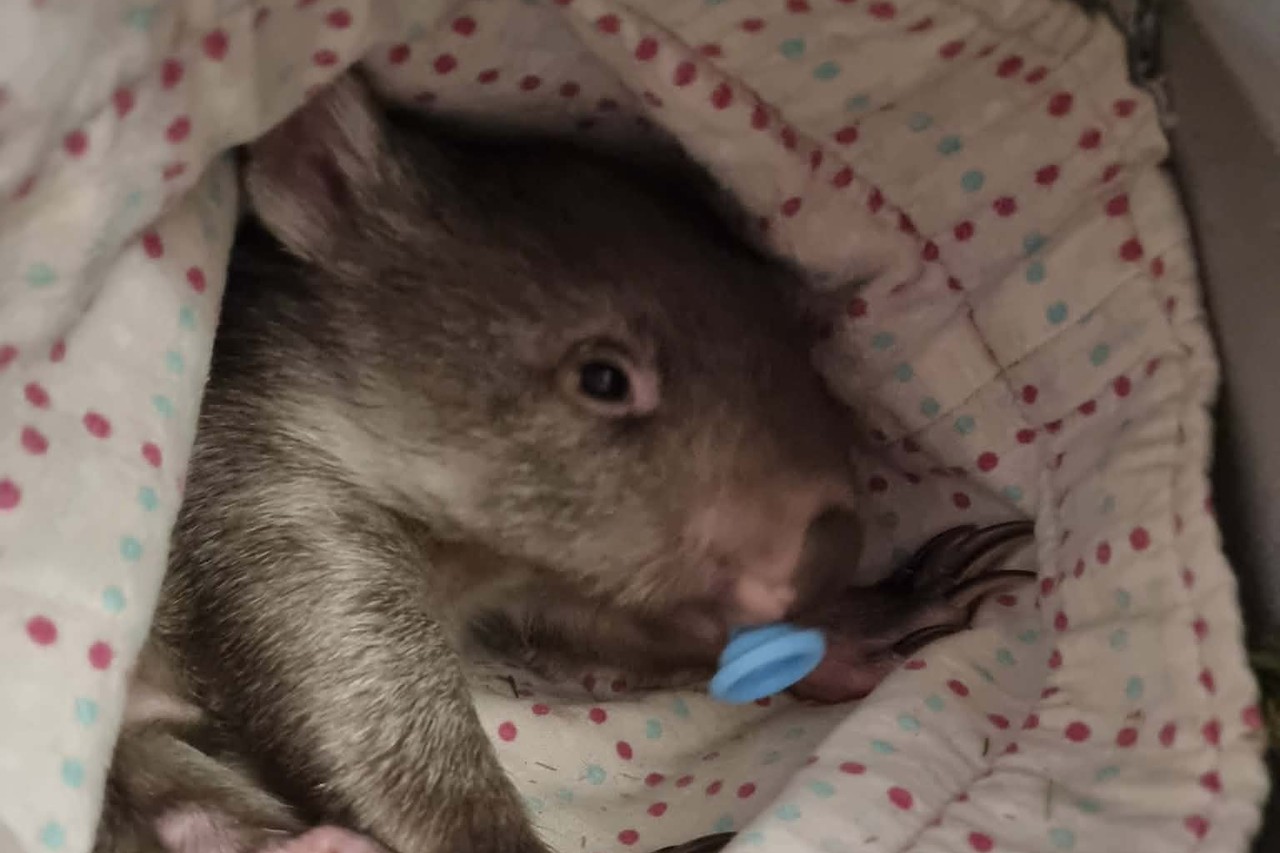
The sanctuary hand-raises orphan wildlife including Tasmanian pademelons, Bennett’s wallabies and wombats.
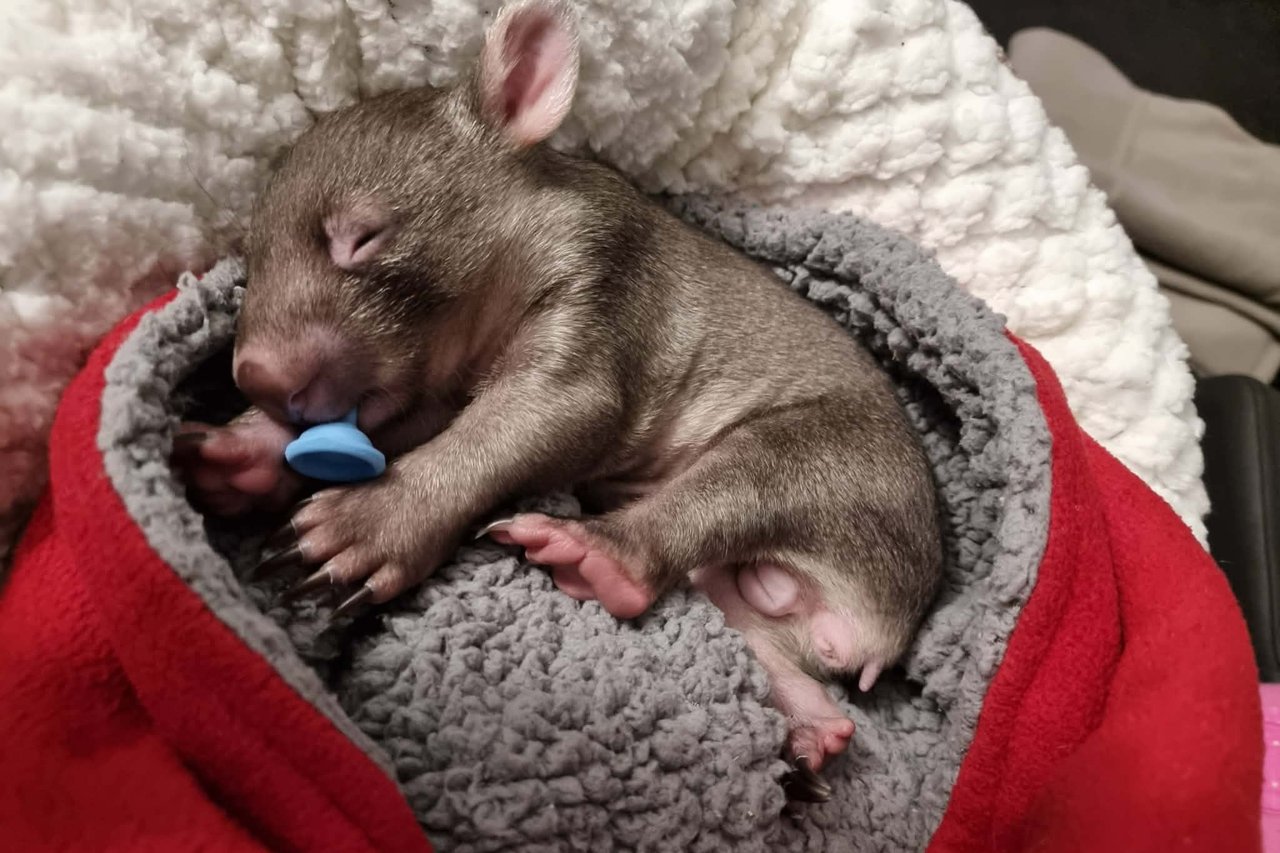
Each joey requires care from several weeks to up to two years.
“The paddy melons and the Bennett’s wallabies, they’re perpetually pregnant, so there’s often joeys in those pouches,” Whitfield said.
“A lot of what we do is hand raising those little orphans that come from the roadkill.”
Endor has been operating for the past 10 years under founding director Jodie Swan, recently formalising as a not-for-profit charity.
The sanctuary can care for up to 20 animals at once during busy joey seasons.
“It’s round-the-clock work,” Whitfield said.
“You take it in, but you’ve got that hand-raising for six to nine months depending on the species.”
The sanctuary releases rehabilitated animals back into the wild, with some returning to visit their carers.
“Sometimes they’ll come back and say hello, and you’ll see that your little females have got joeys on board,” Whitfield said.
Wildlife numbers are increasing as animals venture closer to roads during dry seasons seeking food and water.
The sanctuary is running a raffle closing April 19 and hosting a sausage sizzle at Bunnings Mornington on April 17 with all funds raised going towards the new pademelon enclosure.
A massive array of prizes has been donated by local Tasmanian businesses for the raffle including a two night stay at Wrest Point Casino valued at $720, a stay at Peppers Cradle Mountain Lodge valued at $650 and a Roaring40s Kayaking voucher for two valued at $580.
“The Tasmanian business community has just really been an incredible support,” Whitfield said.
“And we were overwhelmed to be honest, but we just need some raffle tickets bought now.”
To buy raffle tickets online, search for Endor Wildlife Sanctuary on Facebook.