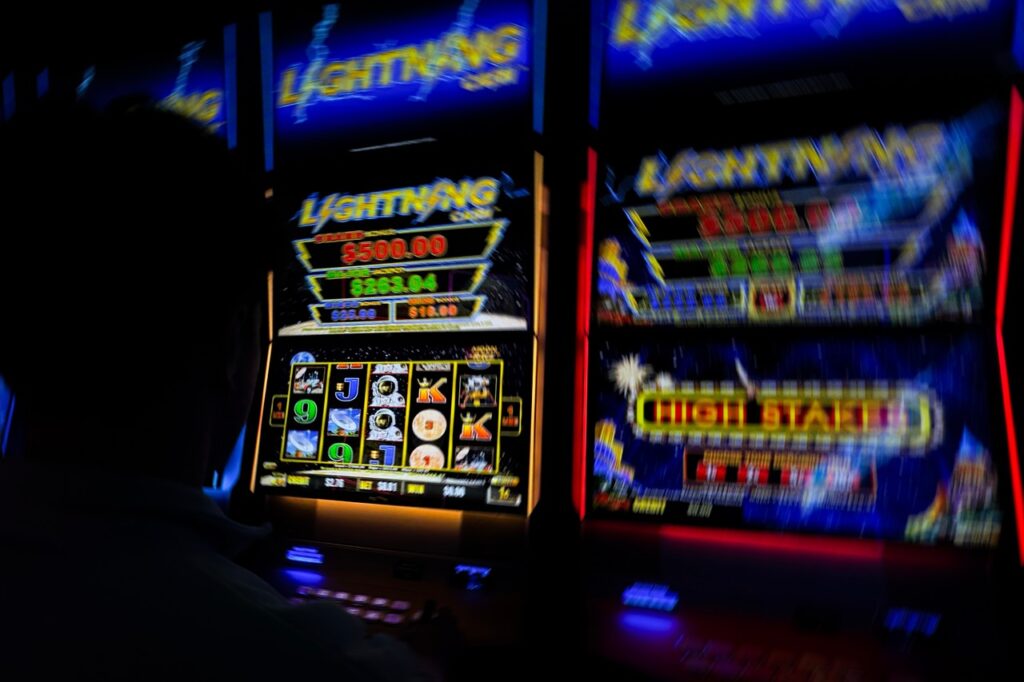
Tasmania has unveiled a suite of alternative gaming machine “harm minimisation measures” after shelving its promised pre-commitment card system.
Treasurer Eric Abetz announced the reforms on Friday, more than a year after the state government set aside what was meant to be a nation-leading player card that a December report found could have boosted Tasmanian economy by millions.
The proposed card would have imposed loss limits of $100 per day and $5,000 per year. The new package does not include any binding spending caps.
“As a community, we must seek to protect the most vulnerable among us,” Abetz said.
“We also must accept that people have a right to their own agency.”
Under the changes, gaming areas in hotels and clubs will be required to close for seven hours in every 24-hour period, up from the current four.
A ‘ticket-in, ticket-out’ system will also be introduced, with tickets capped at $200 and machines limited to accepting $100 at a time.
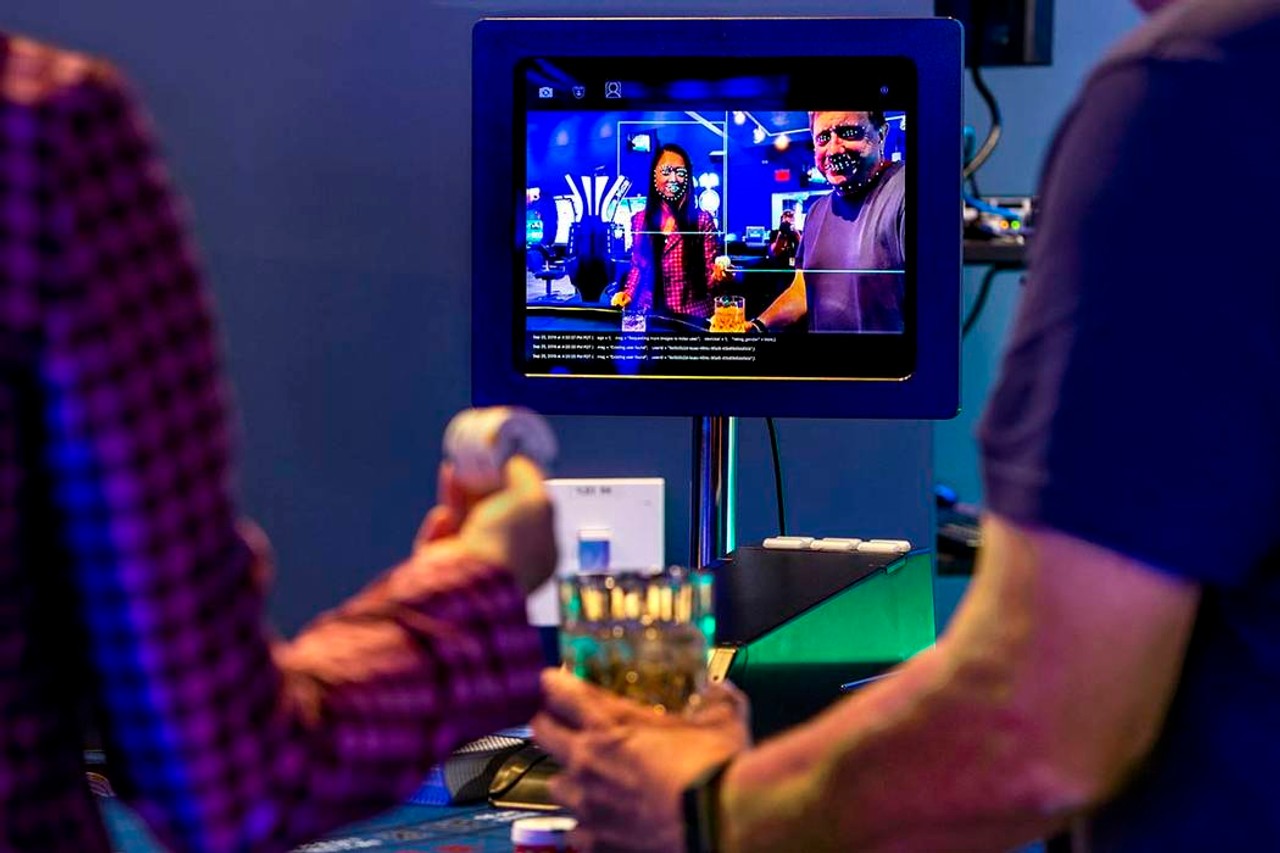
Self-exclusion will become immediate through QR codes at venues, while facial recognition technology will be mandatory to enforce exclusion orders.
Venues will also be allowed to host on-site ATMs, provided they are fitted with facial recognition technology and daily withdrawal limits.
The state government deferred the player card indefinitely in November 2024, citing a report by MaxGaming that warned of significant cost increases and implementation delays.
The decision was met with fierce criticism at the time.
Alliance for Gambling Reform chief advocate Tim Costello dismissed the technological concerns as “complete spin and misdirection”, pointing to Crown Melbourne’s successful rollout of a cashless card.
Others accused the government of being ‘in the back pocket’ of the gambling industry.
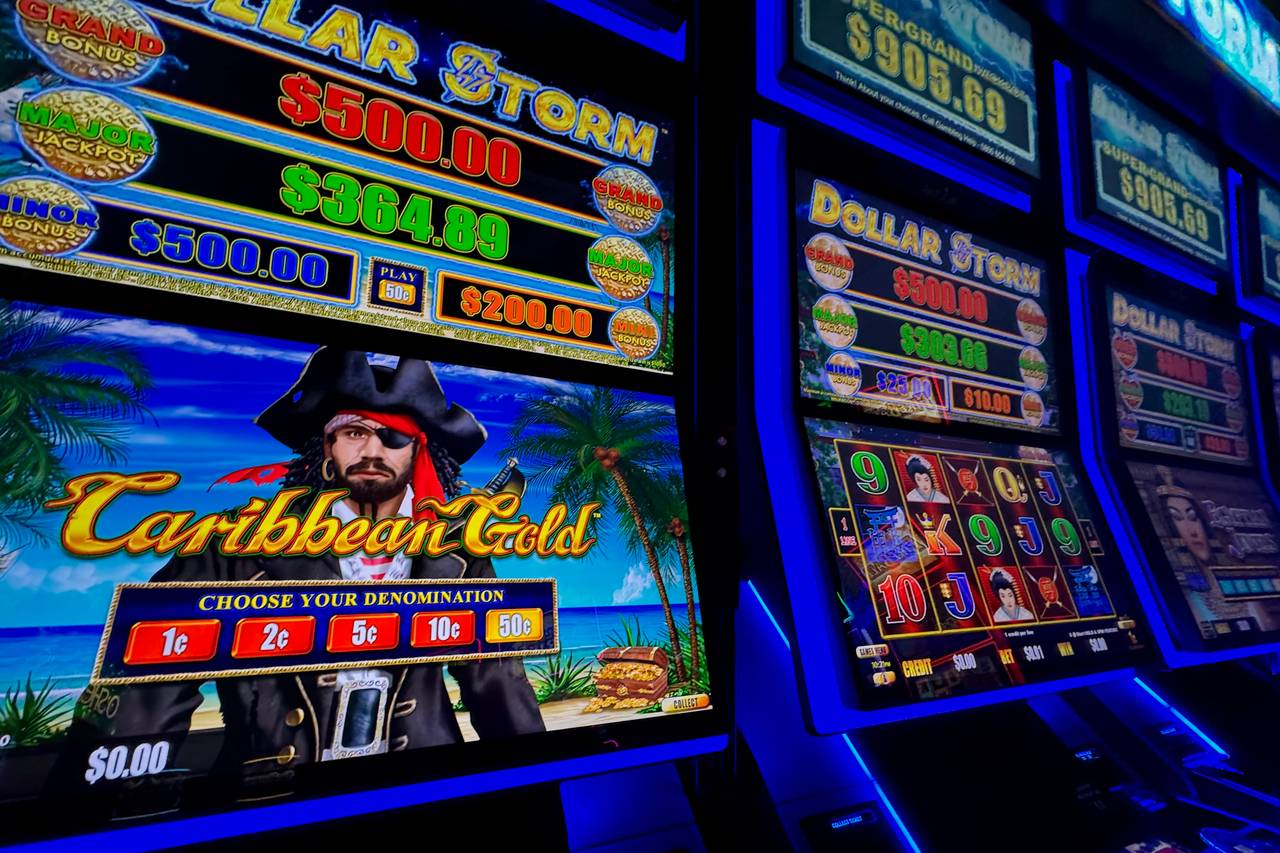
Tasmania’s current cap of 2,350 electronic gaming machines will be replaced after June 30, 2026, with a new limit based on how many licences are taken up by that date.
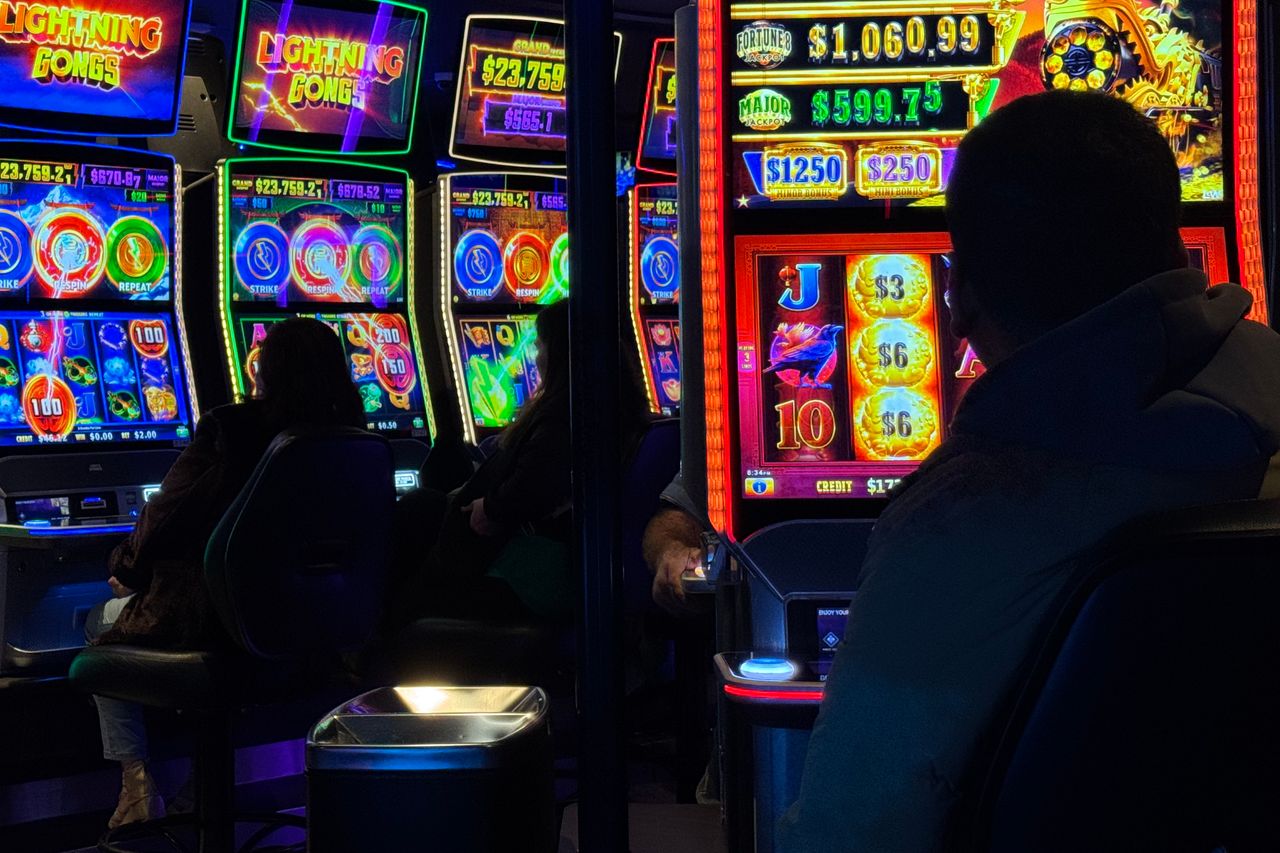
That cap will then be gradually reduced through “natural attrition”, the government said, with every second surrendered machine removed permanently.
“These reforms deliver on our commitment to increase harm minimisation measures while we continue to monitor progress interstate of the pre-commitment gaming card,” Abetz said.
More on this story: Shelved gaming reforms could have boosted Tasmanian economy by millions, report finds