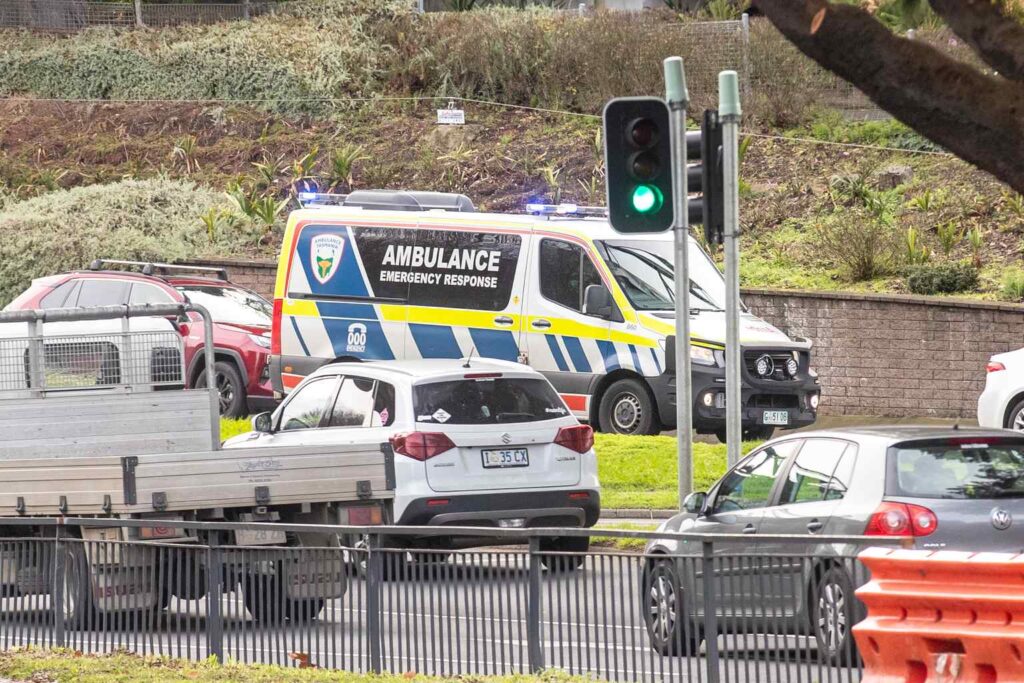
Tasmanian ambulance response times have remained above their two-year average into 2026, with new figures showing little change from the 12-month peak reached late last year.
Data obtained by the Tasmanian Greens under Right to Information laws shows the median response time was 15.5 minutes in January and 15.6 minutes in February.
The two-year average sits at 14.9 minutes.
Median response times reached 15.7 minutes in November 2025 – a 12-month high at the time.
Greens health spokesperson Cecily Rosol said the latest figures should have been made public, but the government had removed monthly response time data from its health dashboard earlier this year.

“It took a Greens’ RTI to obtain the monthly ambulance response time data the Liberal government abruptly pulled from the dashboard in February,” she said.
Health Minister Bridget Archer defended the decision to remove monthly figures from the dashboard, saying daily reporting was a step forward.
“That is an enhanced level of transparency, in my view,” Archer said on Saturday.
“I think it is more meaningful data and provides the opportunity for people to see the type of fluctuations and variation that occurs, rather than that aggregated data for the month.”
“When we came to government, there was no reporting.”
The daily dashboard shows only the past seven days, with broader figures published once a year.
Between April 4 and April 10, statewide median response times ranged from 13.3 minutes to 16.1 minutes.
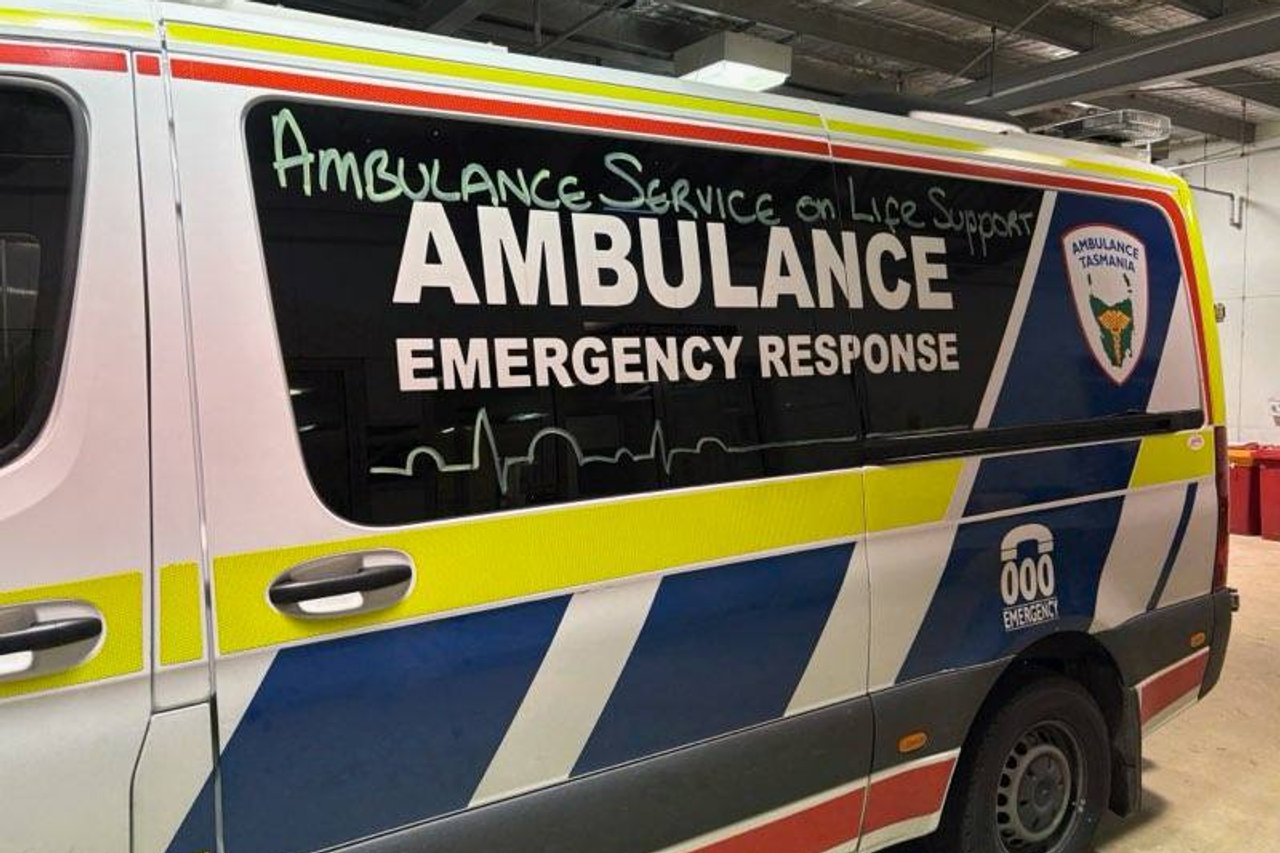
Rosol linked the worsening response times to a pay dispute that has seen paramedics escalate industrial action.
She said staff were working under “huge pressure” in a service “deteriorating due to mismanagement”.

Archer said the state government remained at the negotiating table with the Health and Community Services Union.
“We want to see Ambulance Tasmania staff get that pay rise as quickly as possible,” she said.
She said rising demand on the service was driven by a “range of reasons” and was not necessarily linked to industrial action.