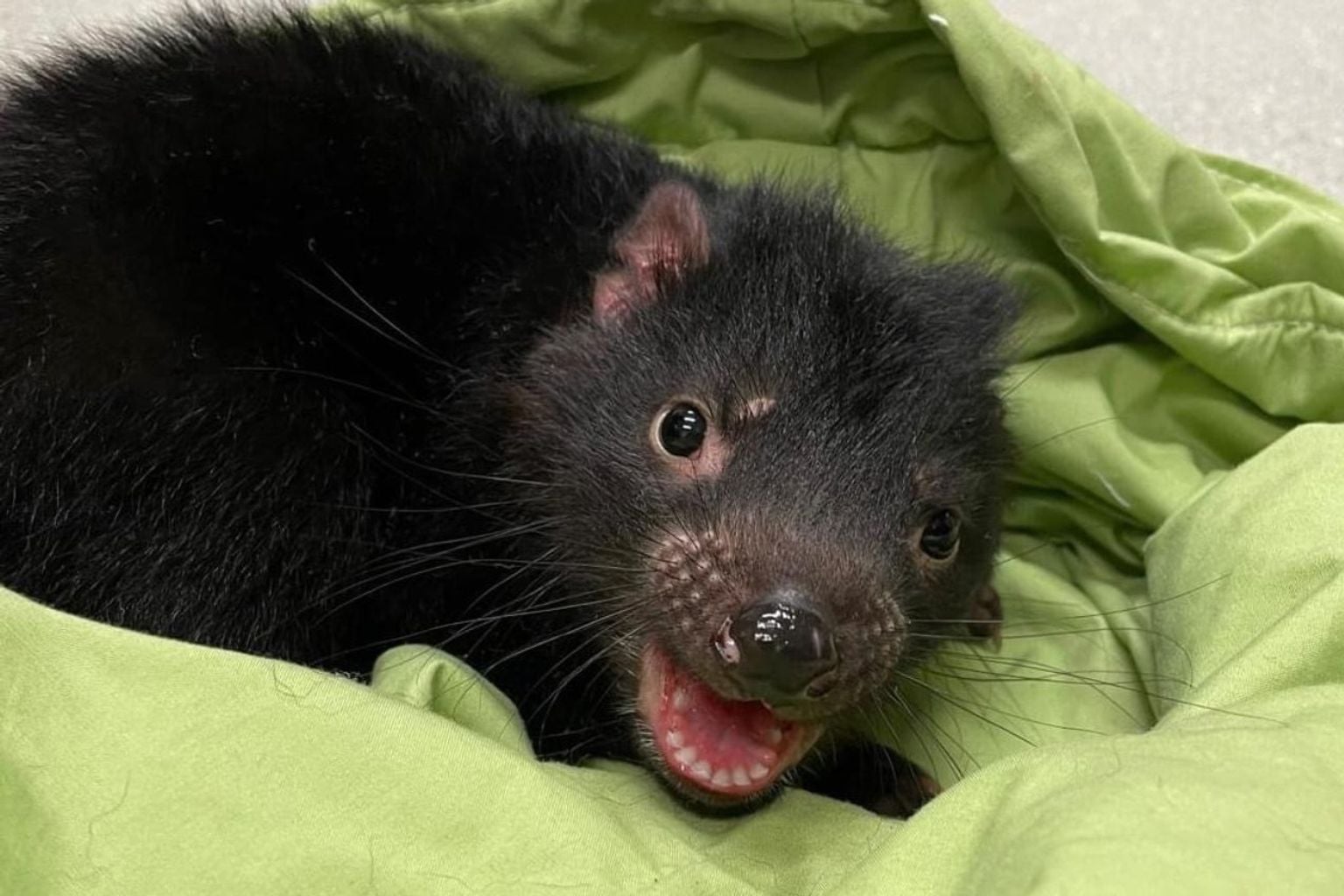
A second contagious cancer affecting Tasmanian devils has spread more slowly than scientists feared, with long-term monitoring suggesting devil populations in affected areas have remained stable.
Researchers from the University of Tasmania have been tracking Devil Facial Tumour 2 (DFT2) since it emerged in the wild, with early concerns it could pose another major threat to a species already impacted by an earlier transmissible cancer.
Long-term monitoring now suggests DFT2 has spread more slowly than expected, with devil populations remaining stable in affected areas.
Wildlife ecologist Dr Rodrigo Hamede, from the University of Tasmania’s School of Natural Sciences, said the findings had challenged researchers’ expectations.
“We expected this disease to spread faster and have a stronger impact,” he said.
“What we are seeing is slower spread than anticipated and populations that have remained stable over that period.”
Researchers estimate the original Devil Facial Tumour Disease (DFT1) has wiped out about 80% of Tasmania’s wild devil population since it was first detected in 1996.
Devil facial tumour disease is one of only a small number of known cancers that can spread like a contagious disease.
It is passed between devils through contact, including biting associated with fighting and mating.
DFT2 was first recorded in 2014 and remains largely confined to southern Tasmania’s Kingborough and Huon Valley regions, where researchers have been monitoring its impact.
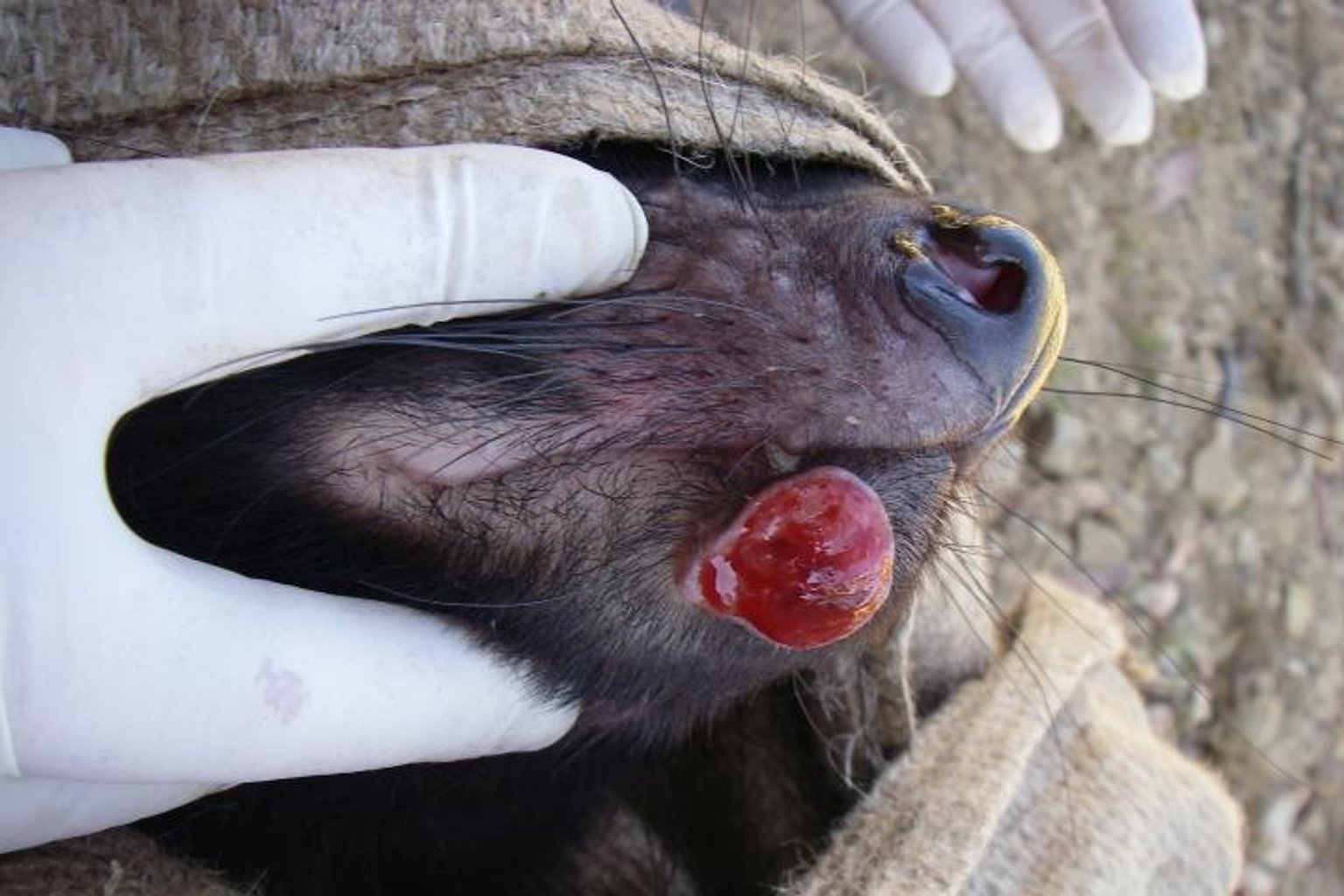
The findings do not remove the risk posed by the disease, but researchers say they are changing how scientists understand DFT2 and the ability of devils to respond to it.
“That suggests there may be some capacity for devils to adapt and live with this cancer over time,” Dr Hamede said.
The findings come as scientists continue exploring new ways to help Tasmanian devils fight contagious cancers.
Recently, the University of Tasmania announced a partnership with the Colossal Foundation to develop a vaccine and investigate gene-editing technology aimed at making devils more resistant to Devil Facial Tumour Disease.
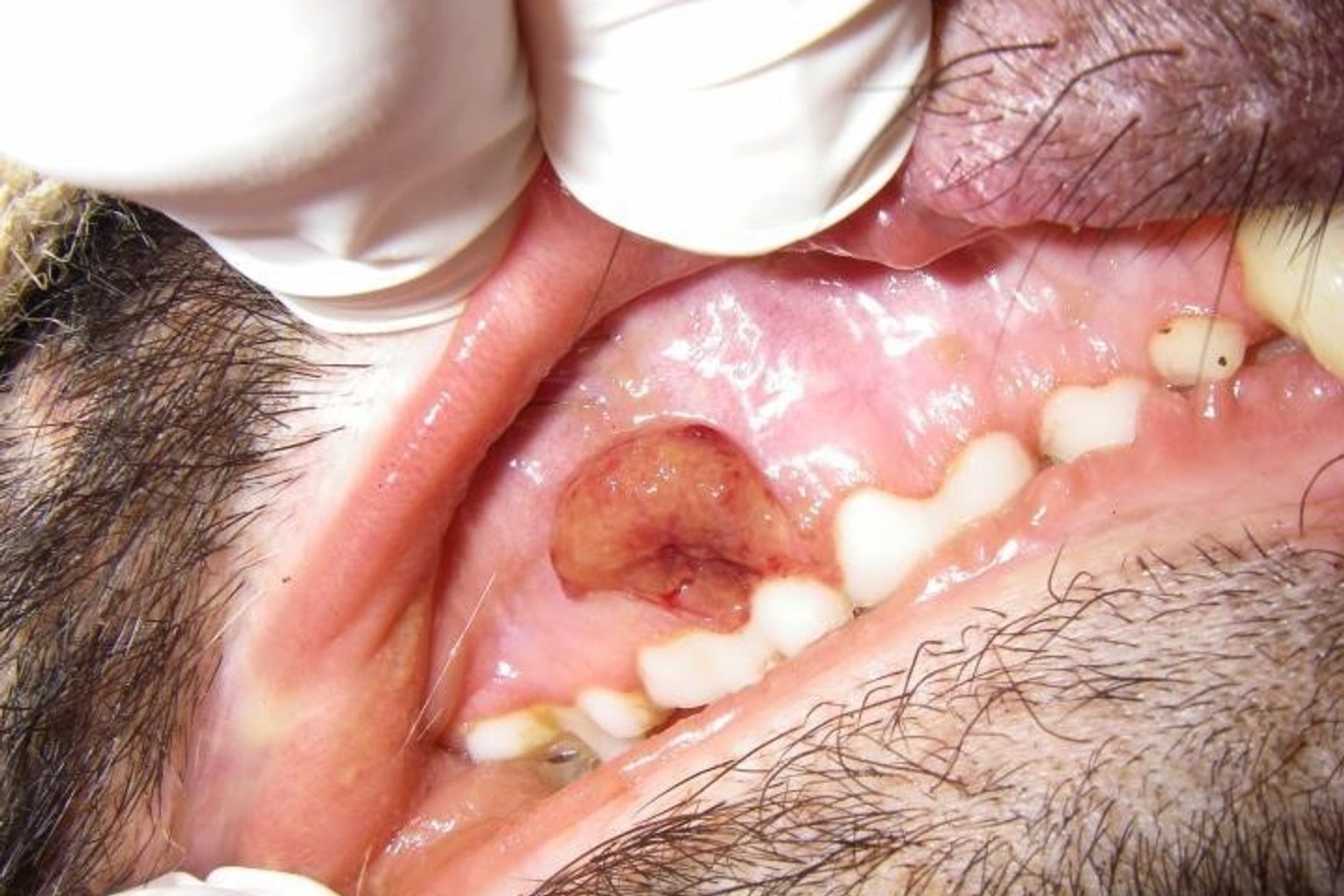
Understanding how DFT2 is changing over time has relied on years of monitoring across southern Tasmania, including the Kingborough and Huon Valley regions.
More than 300 landowners have allowed researchers access to their properties, helping scientists track changes in the disease and devil populations.
“Most of the area where this cancer occurs is on private land,” Dr Hamede said.
“The only way to understand it properly is through long-term access and that has come from the community.”
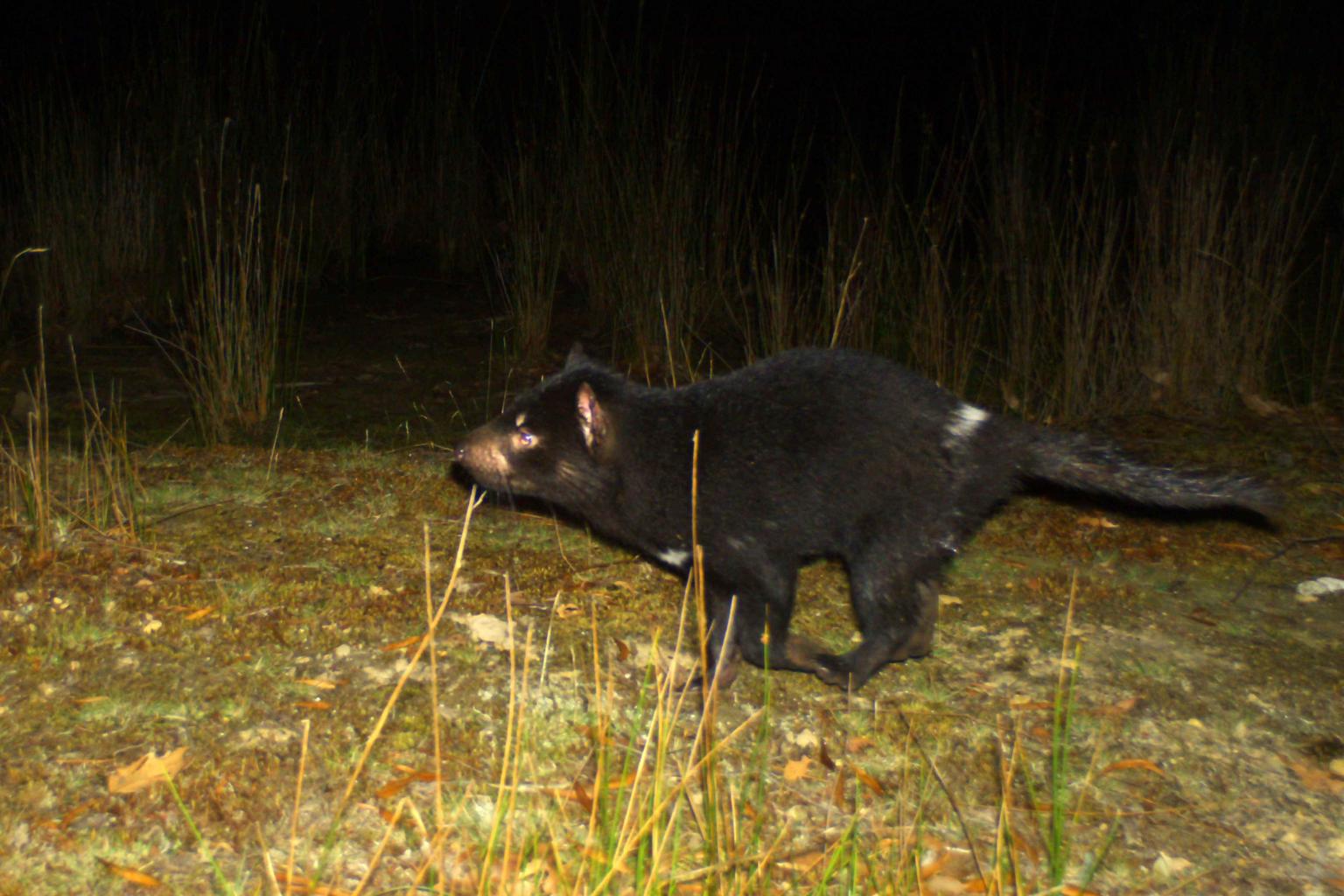
Researchers have also changed the way they monitor devils, adding camera traps and artificial intelligence over the past two years to screen large numbers of images and focus field work more precisely.
The findings will be shared at two public seminars in southern Tasmania, where researchers will report back to the community and discuss the next stage of the work.
A seminar will be held in Kingborough on Sunday, July 26, followed by another at the Palais Theatre in Franklin on Sunday, August 16.