Tasmanian family violence offenders will pay a $500 levy to help compensate victim-survivors, under a new bill tabled in parliament.
The Family Violence Reforms Bill 2026 was tabled on the International Day for the Elimination of Violence Against Women, the first of the 16 Days of Activism against gender-based violence.
The bill replaces the existing economic and emotional abuse offences with a new offence of coercive control and extends the time limit for bringing charges.
Coercive control will carry a maximum penalty of three years’ jail for a first offence and five years for a subsequent offence and prosecutors will not need to prove actual harm.
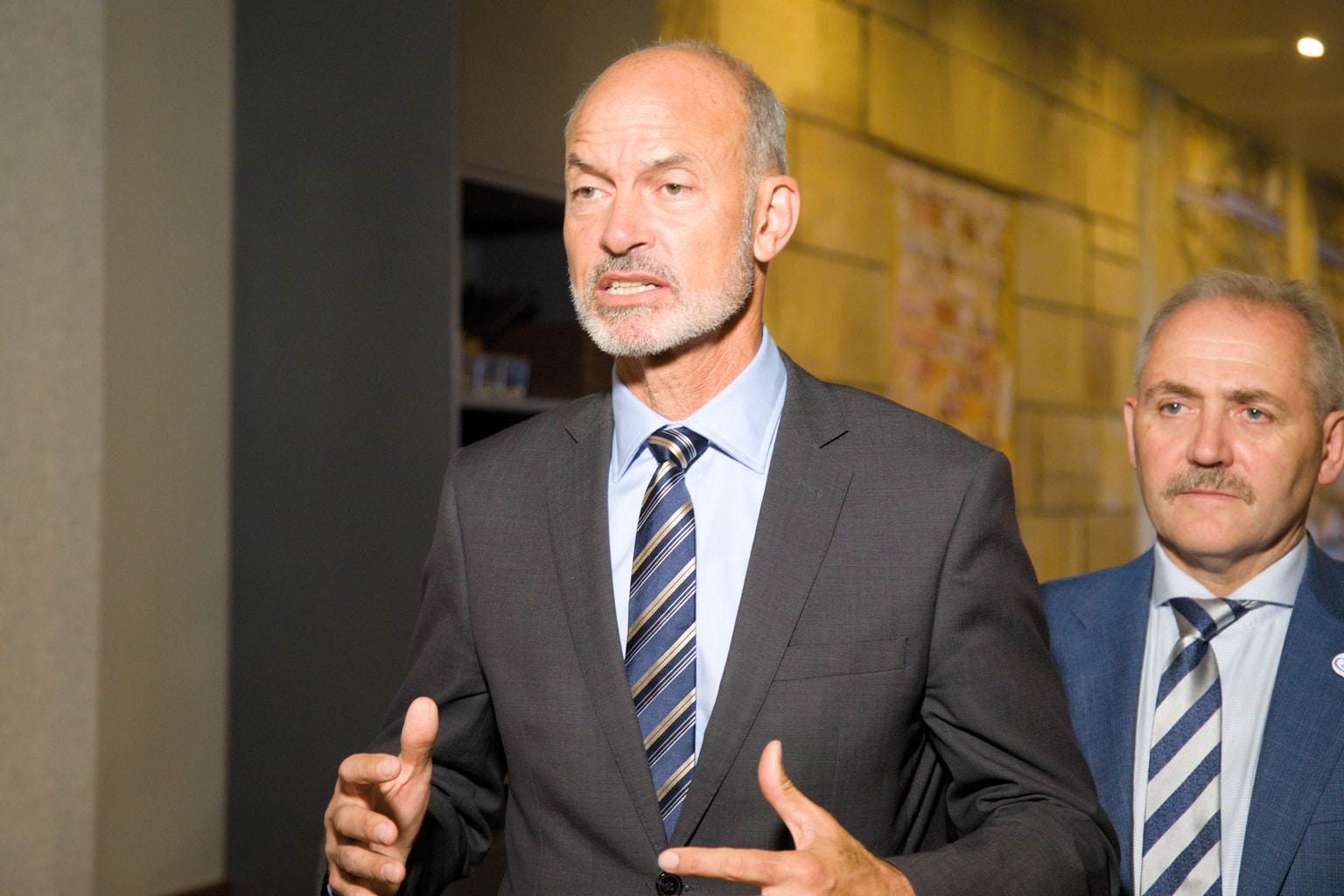
Attorney-General Guy Barnett said the time limit would be extended to five years, which would give victim-survivors more time to come forward.
The government says the levy is an Australian first, with money raised to go to the Criminal Injuries Compensation Fund.
The levy will rise each year in line with inflation from July 1, 2027 and courts will be able to reduce or waive it in the interests of justice or to protect a victim-survivor.
Barnett said family violence was not limited to individual acts of physical violence.
“It can involve ongoing patterns of behaviour designed to exert power and control over another person,” he said.
He said the bill was the first tranche of the government’s reforms.
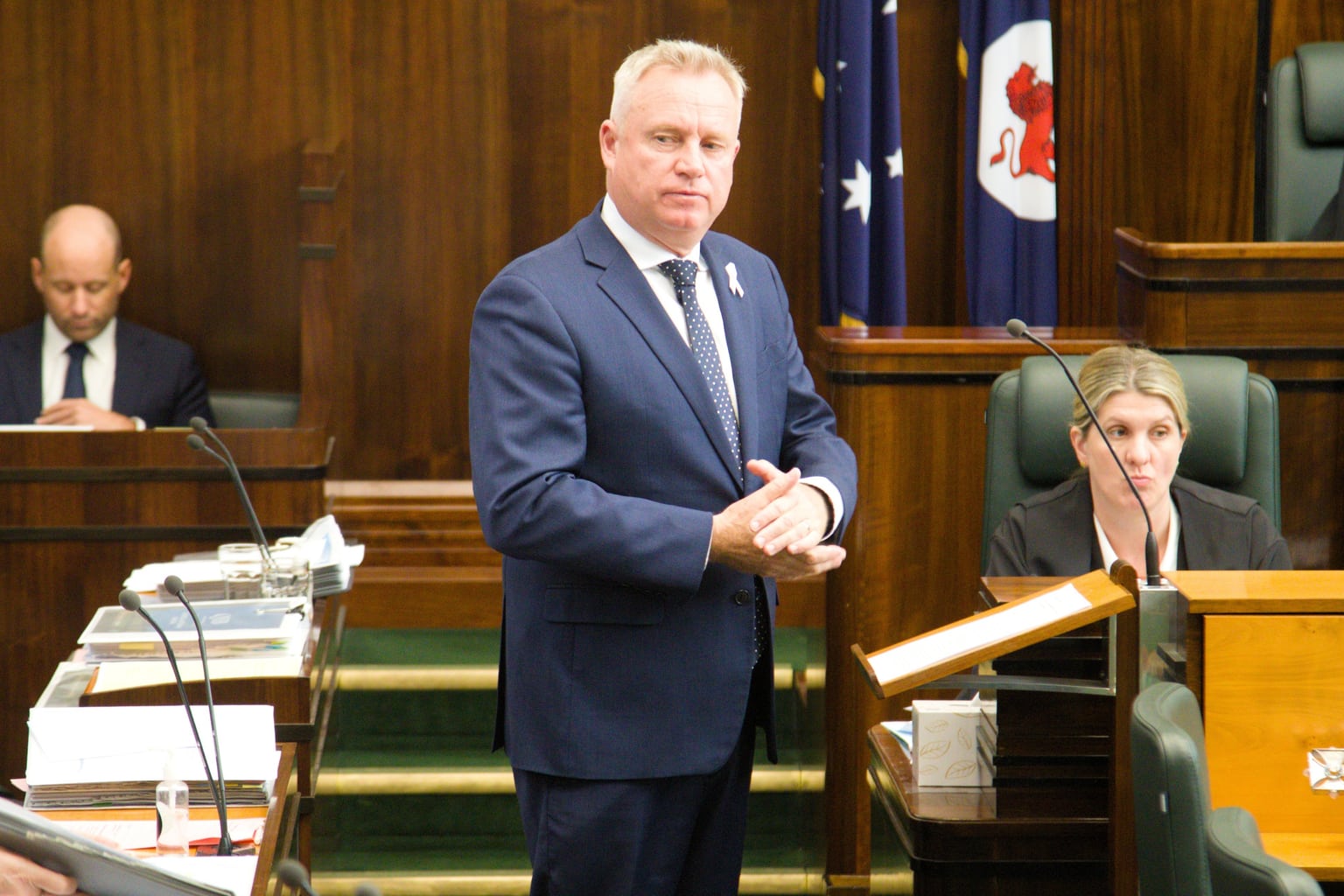
Premier Jeremy Rockliff told parliament 20 family violence incidents were reported to police in Tasmania every day.
He said the bill would “send a strong signal that family violence will not be tolerated”.
“It is not good enough in our society for such violence to happen at all,” he said.
Rockliff said the reforms would also look at “how emerging technological abuse is now harming victim-survivors”.
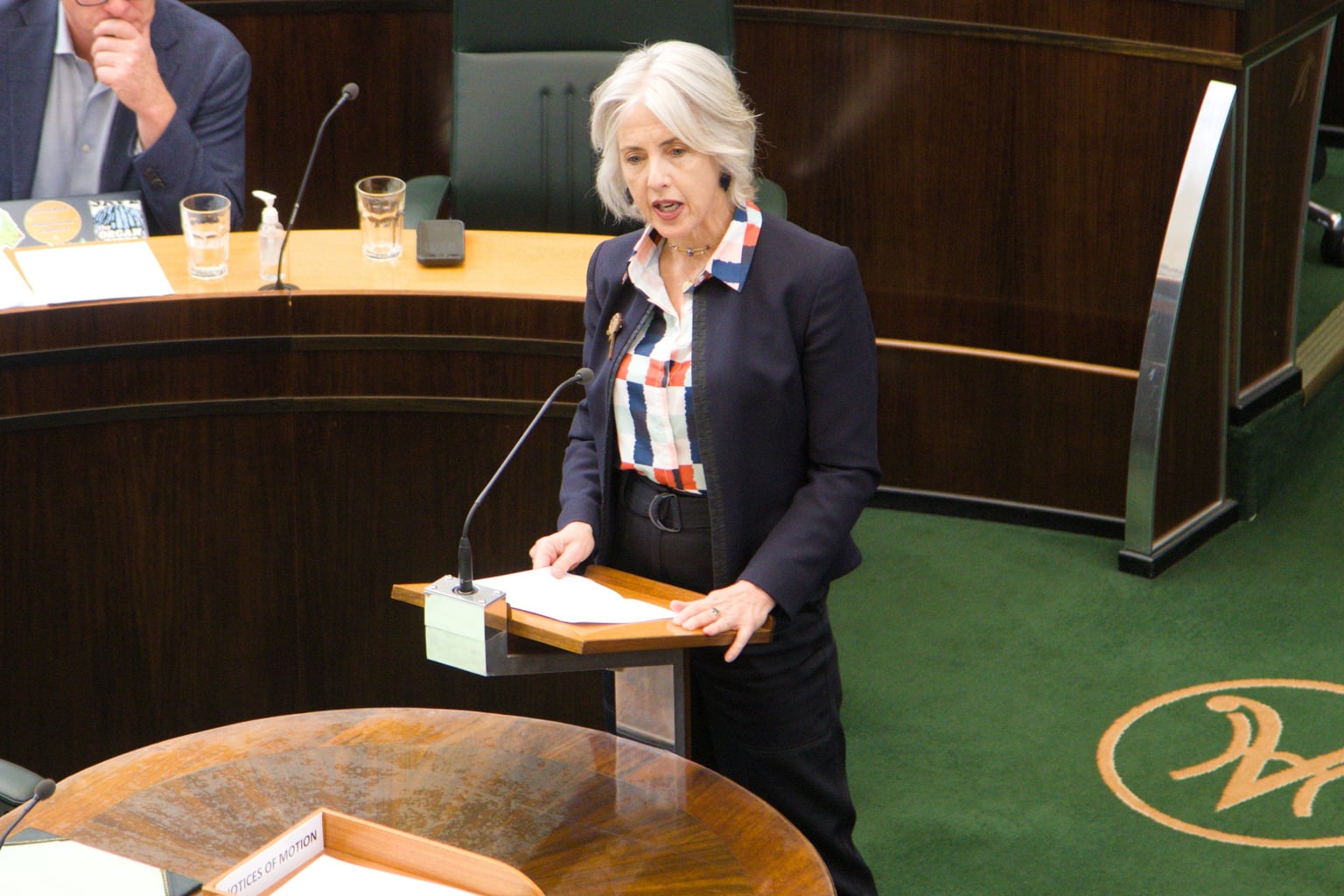
Greens Leader Rosalie Woodruff said it was important to “take the politics out of ending our efforts to stop family and gender-based violence”.
She said “all men can and should be part of the solution”.
Independent MP Helen Burnet said nine in 10 women and children seeking crisis accommodation in Tasmania were being turned away.
She said women who once stayed at the Hobart Women’s Shelter for six weeks were now staying for 12 months, sometimes 18 months or longer, because affordable housing had become almost impossible to find.
“We as a society should never accept a system where finding safety means facing homelessness,” she said.
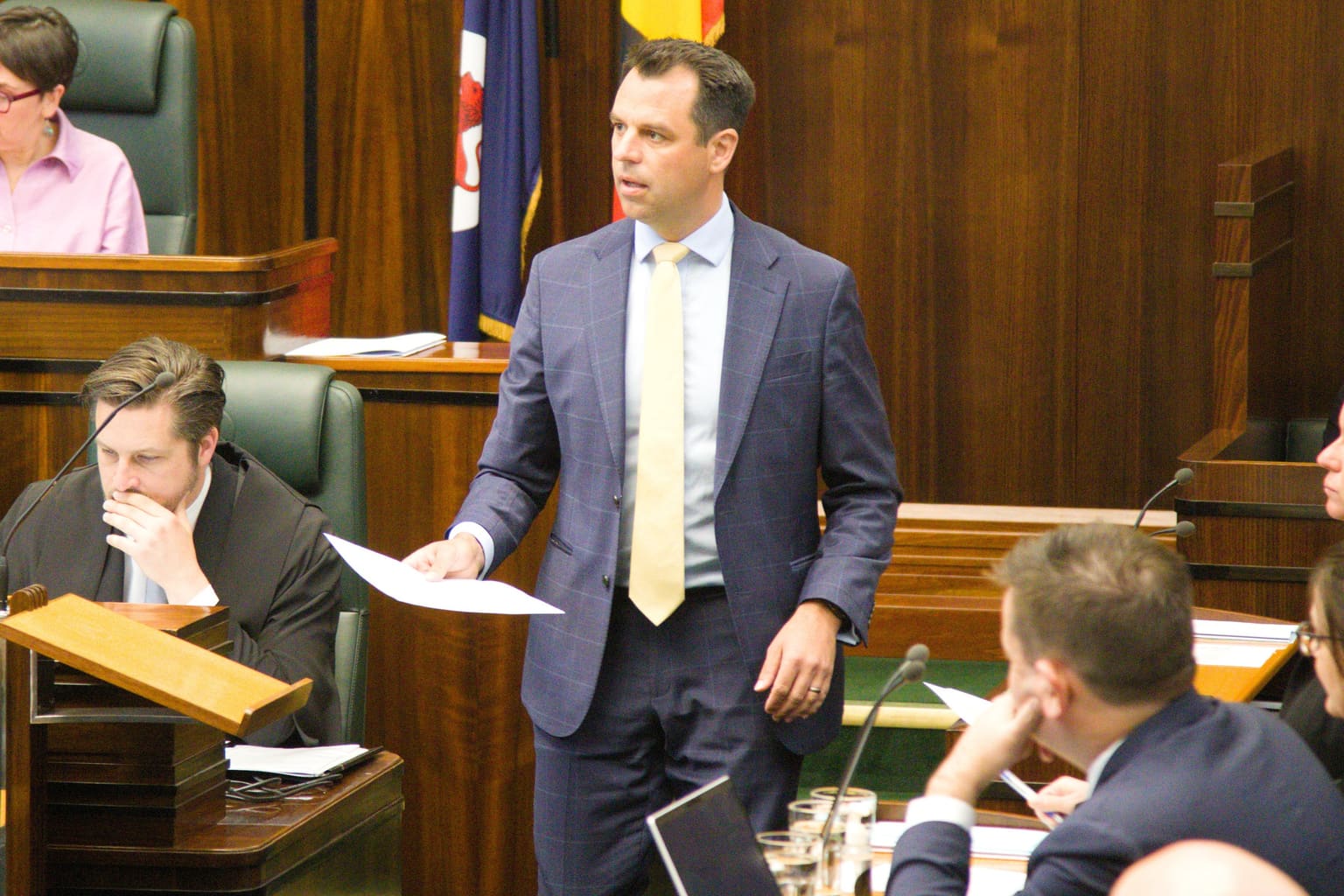
In question time, Labor leader Josh Willie said the government’s family violence counselling service was understaffed. He said the after-hours helpline usually had one worker instead of two and the day service one or two instead of five.
He said victim-survivors whose calls went unanswered received only one attempted callback and that applications for home security upgrades were being refused.
“When a victim-survivor calls for help and misses that one callback, what are they supposed to do?” Willie said.
Rockliff said he had been advised the extended-hours service used a two-worker model on each shift, with recruitment of casual staff under way.
He took the number of unanswered calls on notice and said he would investigate the concerns about security upgrades.

“I take what you say at face value and I take it very seriously,” he said.