Tasmanian farmers are warning surging fertiliser prices could drive up food costs and push Australia “towards the gates of a recession” as global supply disruptions tighten agricultural markets.
TasFarmers says fertiliser supplies are tightening due to supply chain disruptions and shipping pressures, affecting farmers’ decisions about planting crops across the country.
President Ian Sauer said the impact would be felt across nitrogen, phosphorus and potassium fertilisers that farmers rely on to grow crops.
“As supply shrinks and freight distances increase, the price goes up. There’s no doubt about it,” he said.
Sauer said fertiliser costs were one of the most critical factors farmers consider when planning crops, with rising prices already shaping planting decisions.
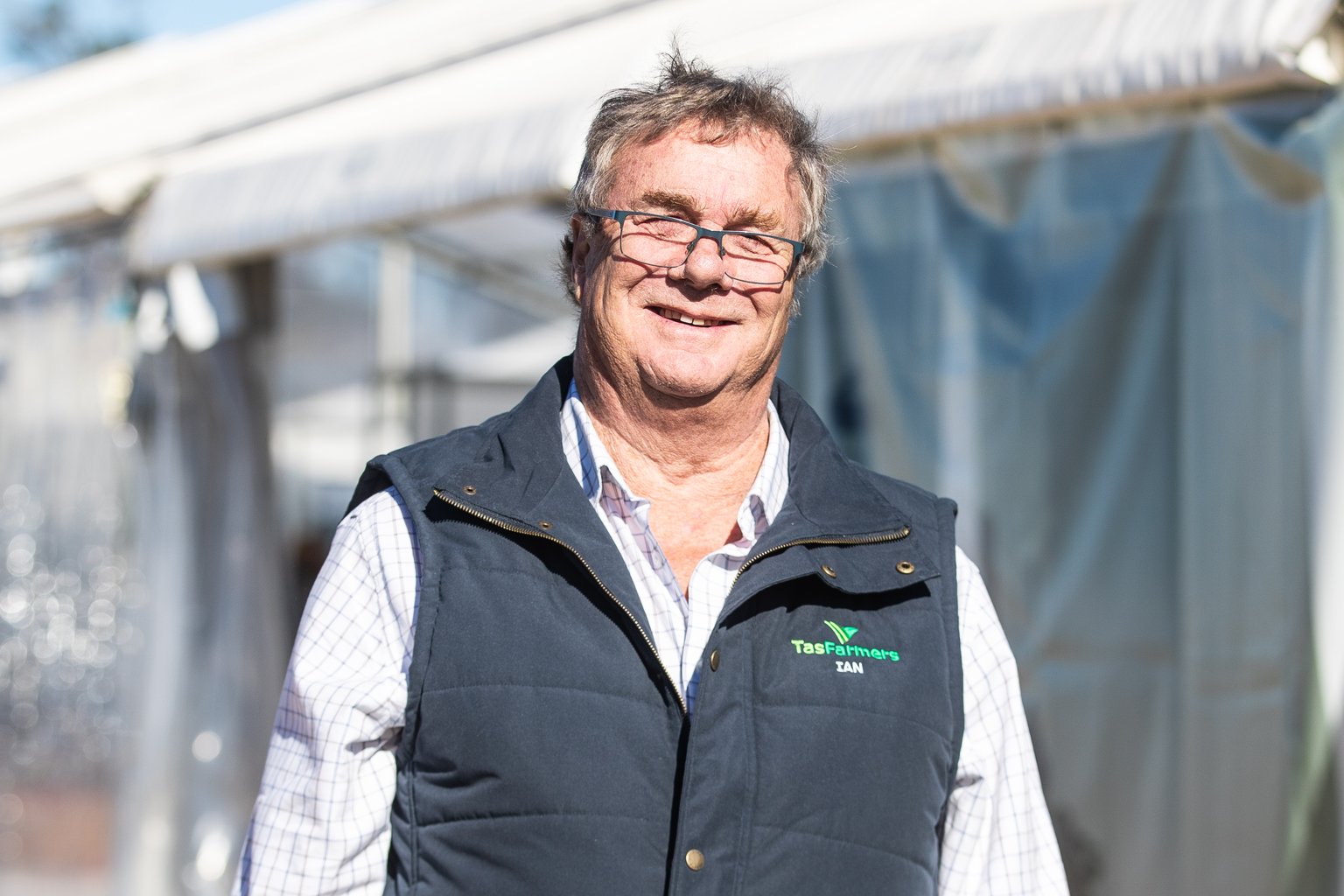
“When fertiliser gets to a certain price point, farmers simply won’t put crops in,” he said.
“If the price becomes prohibitive, production drops. It’s as simple as that.”
TasFarmers said farmers were already grappling with fuel supply issues and wider supply chain pressures affecting chemicals and spare parts.
Sauer said reduced planting would flow through the food supply chain, pushing prices higher for households already facing cost-of-living pressures.
“Consumers will see higher prices. There’s no doubt about that,” he said.
“If the situation deteriorated, Australia would have to import more food than we do now.”
He said the economic consequences could extend beyond agriculture if supply shocks continue pushing input costs higher.
“The equation is simple, food prices rise, inflation rises, interest rates rise,” he said.
“If interest rates go up too fast, banks start foreclosing on loans. Once that starts happening, you’re walking to the gates of a recession.”
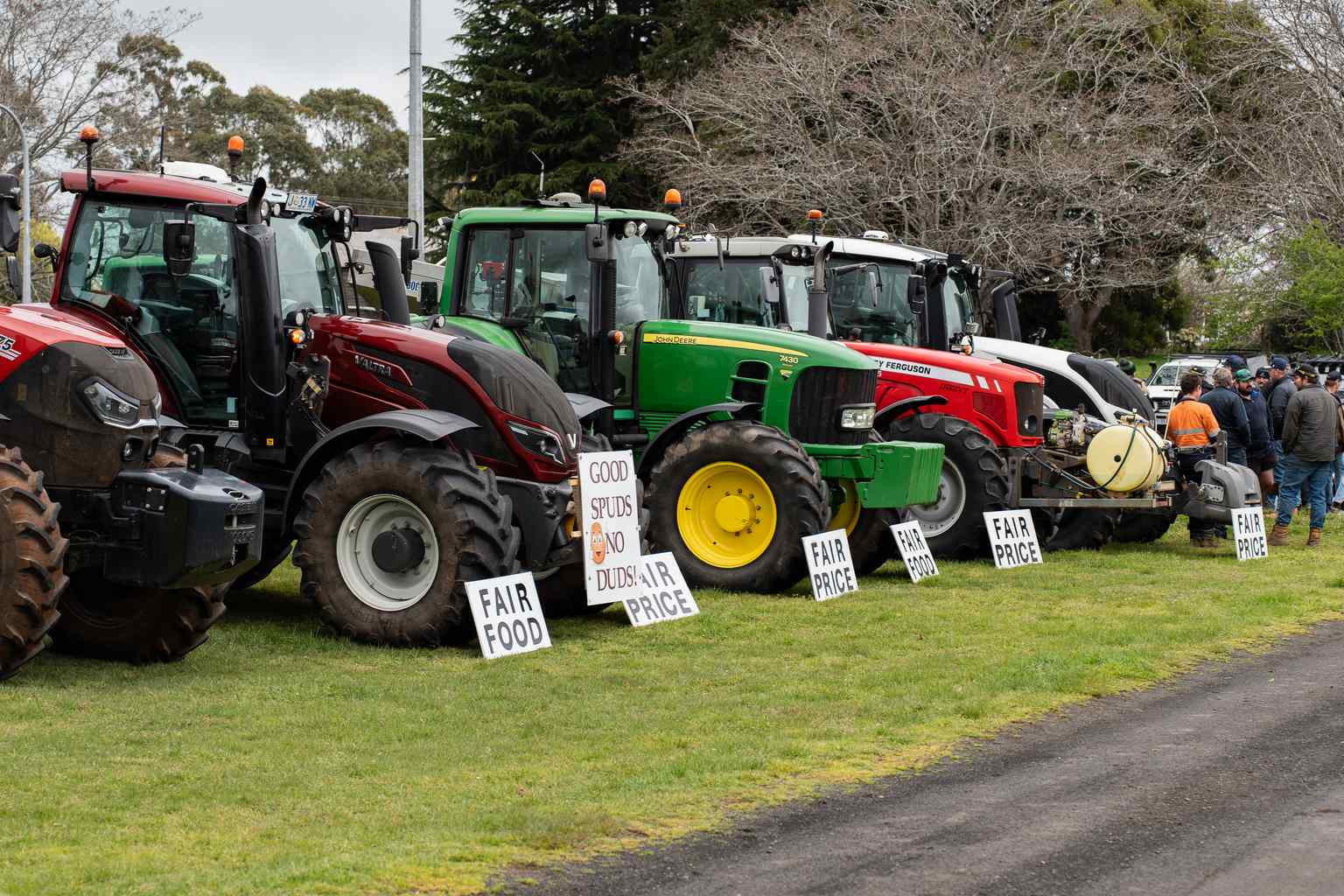
TasFarmers is calling for greater transparency in agricultural input markets and stronger oversight during global disruptions to prevent price gouging.
Sauer said the situation should serve as a case study for governments and industry to strengthen supply resilience for critical agricultural inputs.
“We need governments and industry to sit down and plan for these disruptions before they happen next time,” he said.
“If we want food security in this country, we must ensure farmers can access the fuel, fertiliser and transport they need to keep producing.”