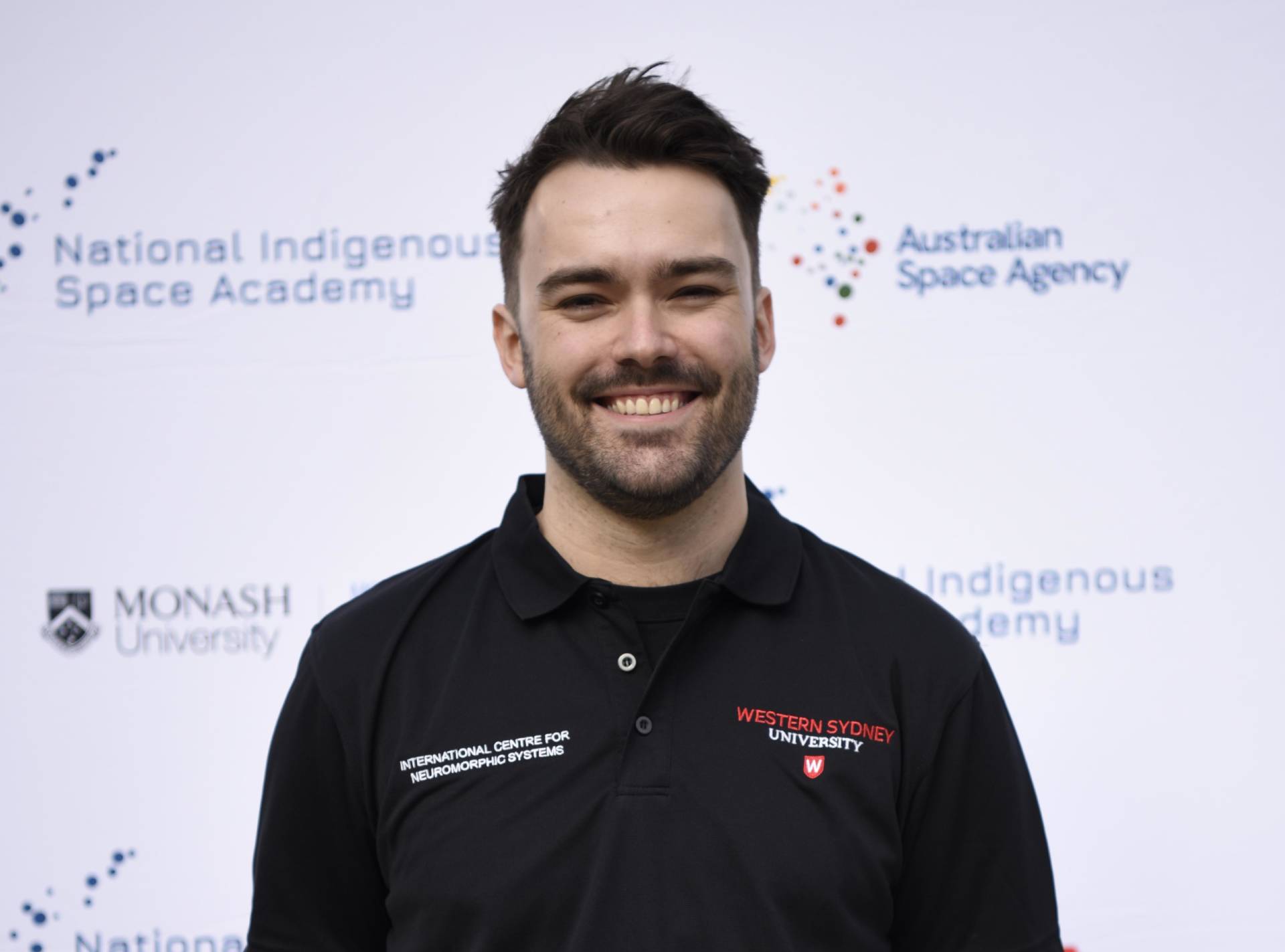
A Tasmanian-born Palawa man and PhD candidate has been selected for a 10-week internship at NASA in the United States.
Edward Vanderfeen is one of five First Nations students chosen for the internship, which is organised by the National Indigenous Space Academy (NISA) and supported by the Australian Space Agency.
Vanderfeen, an engineering student at Western Sydney University, is studying Robotics Engineering and Biomedical Engineering and will be partnered with a scientist/engineer mentor at NASA’s JPL in California.
Ted says his love of engineering when he was a child had inspired him to study engineering at university, as he has always had a keen interest in space, and often opened and pulled apart everything mechanical to learn how it worked.
“Engineering is in my blood. My dad was an automation engineer when I was growing up and he would bring his work home,” Vanderfeen said.

“I would always get curious as to how things worked, I pulled them apart and destroyed all the stuff he bought home – much to his dismay – but looking back, I don’t think I’d want to do anything else.”
“I’m a very analytical person, I’ve always enjoyed maths and science, so it seemed like a pretty natural fit studying engineering.”
Applying for the NISA program after completing his Bachelor of Engineering degree with 1st Class Honours with the University’s School of Engineering, Design and Built Environment, Ted said the NISA program opportunity has come at the right time.
“It was very serendipitous timing, it felt like the opportunity that I had spent my entire degree here at Western Sydney University preparing for.”
“It’s a dream come true to get to spend 10 weeks at NASA JPL and really immerse myself in that experience… It’s like Disneyland for engineers,” he said.
The internship is part of NASA’s Artemis Program, which aims to return astronauts to the lunar surface by 2024.