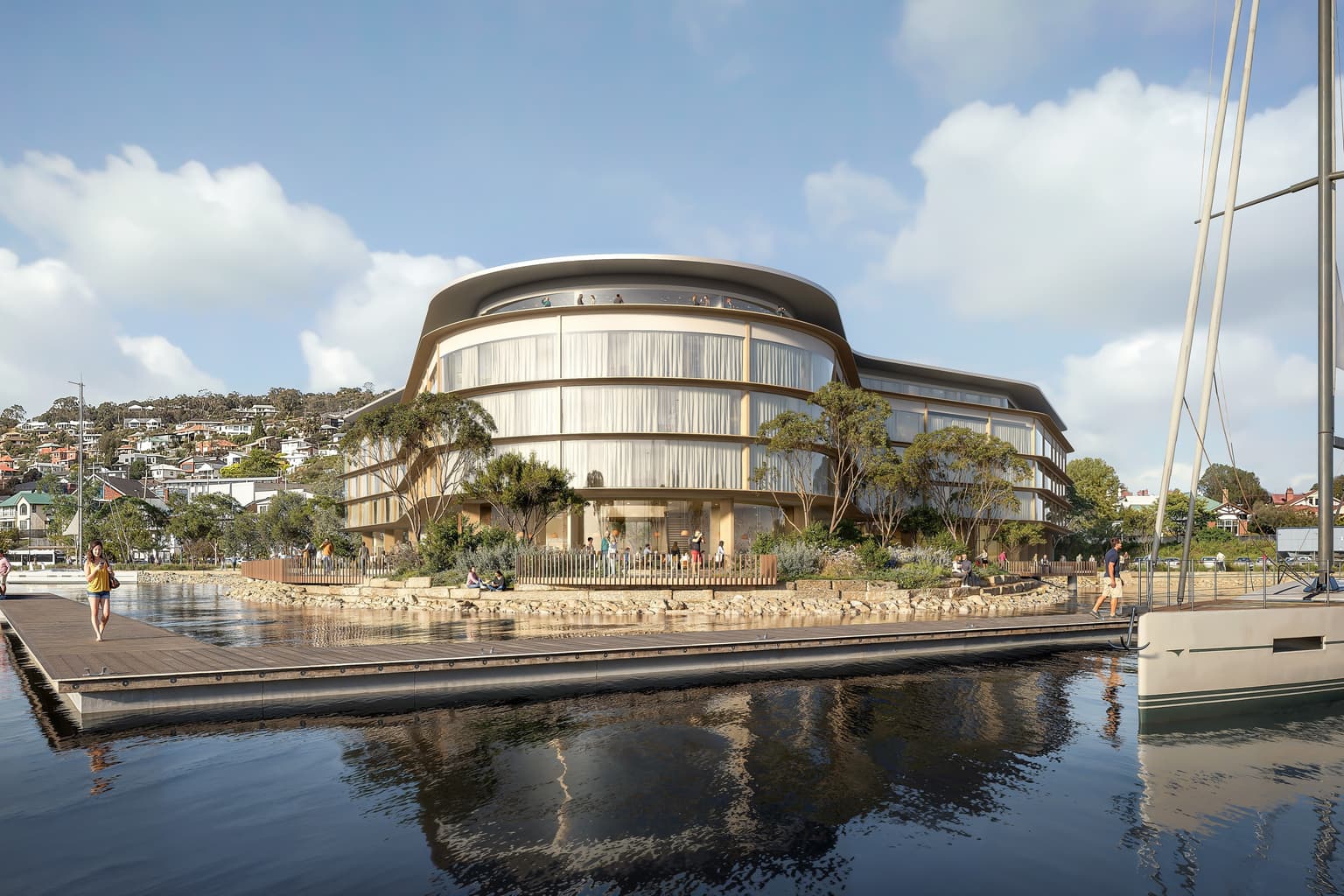
A $65 million hotel with 155 rooms proposed for the Bellerive waterfront is a step closer to going ahead after the Tasmanian Planning Commission approved the project.
The decision ends an eight-year planning fight, but the project still faces a case in the Supreme Court, where the Clarence City Council is fighting to take the land back.
Developer Chambroad Australia has now called on the incoming council to drop its legal action.
“We invite the new councillors to sit down and enter into a constructive dialogue to resolve their litigation and clear the way for construction to commence,” project director Greg Hudson said.
“The resolution of the outstanding litigation will be an important step in providing certainty for all stakeholders.”
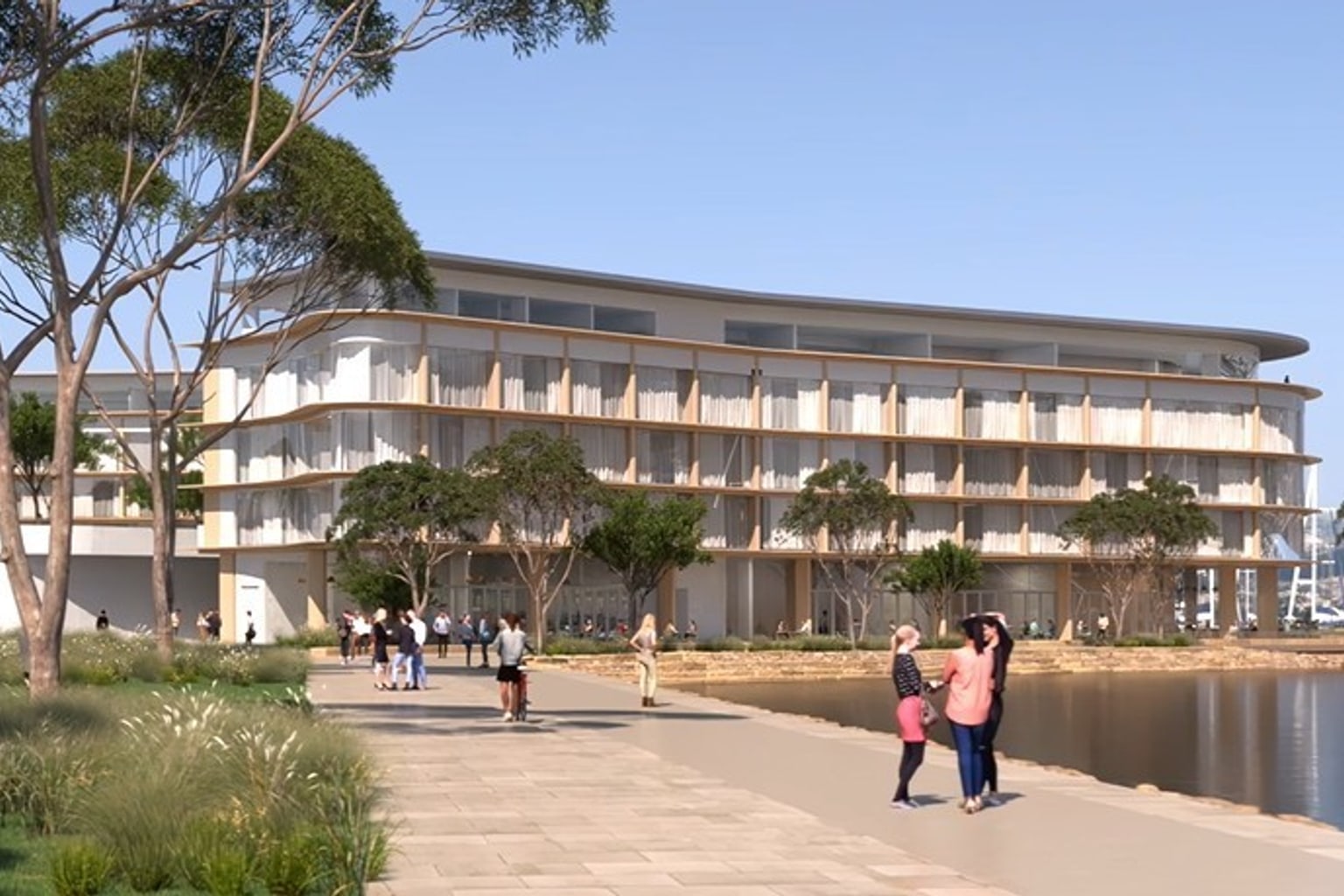
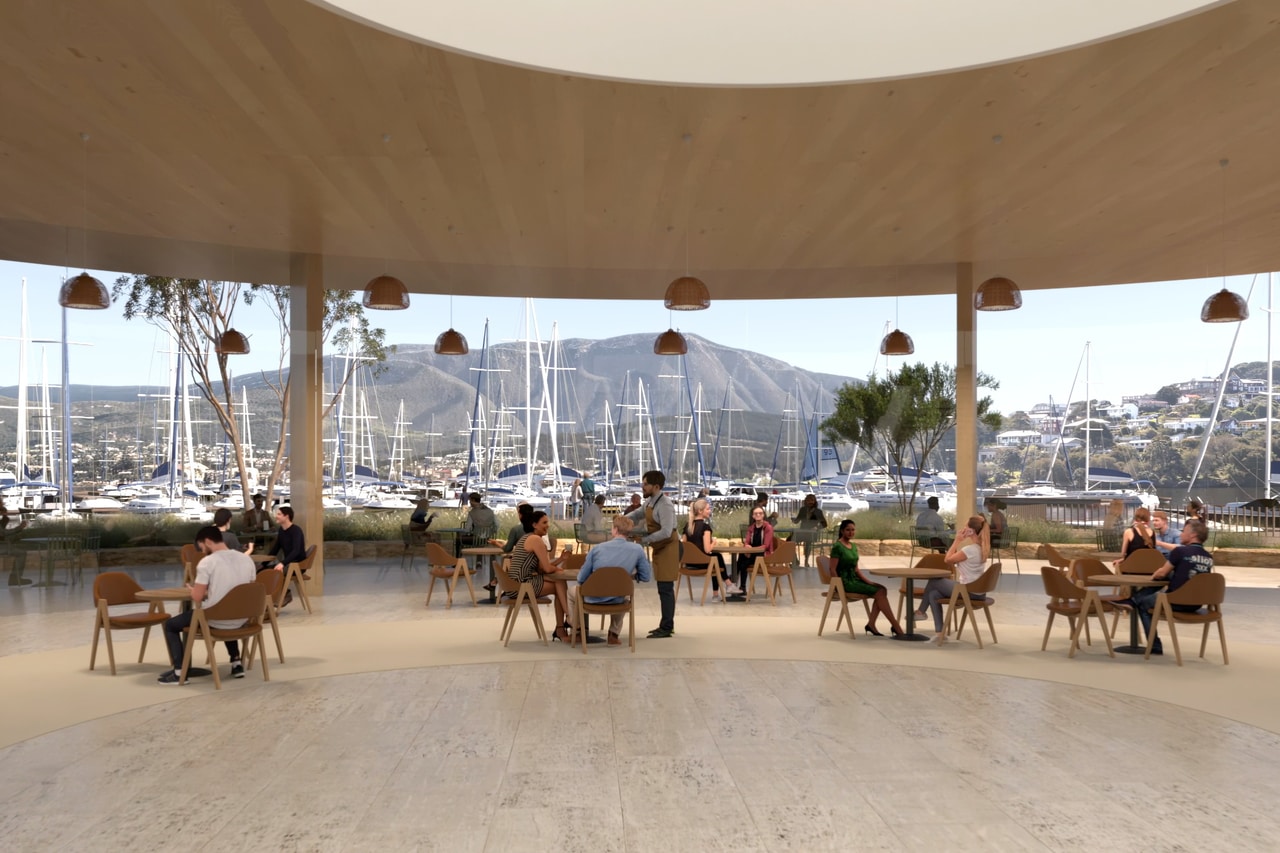
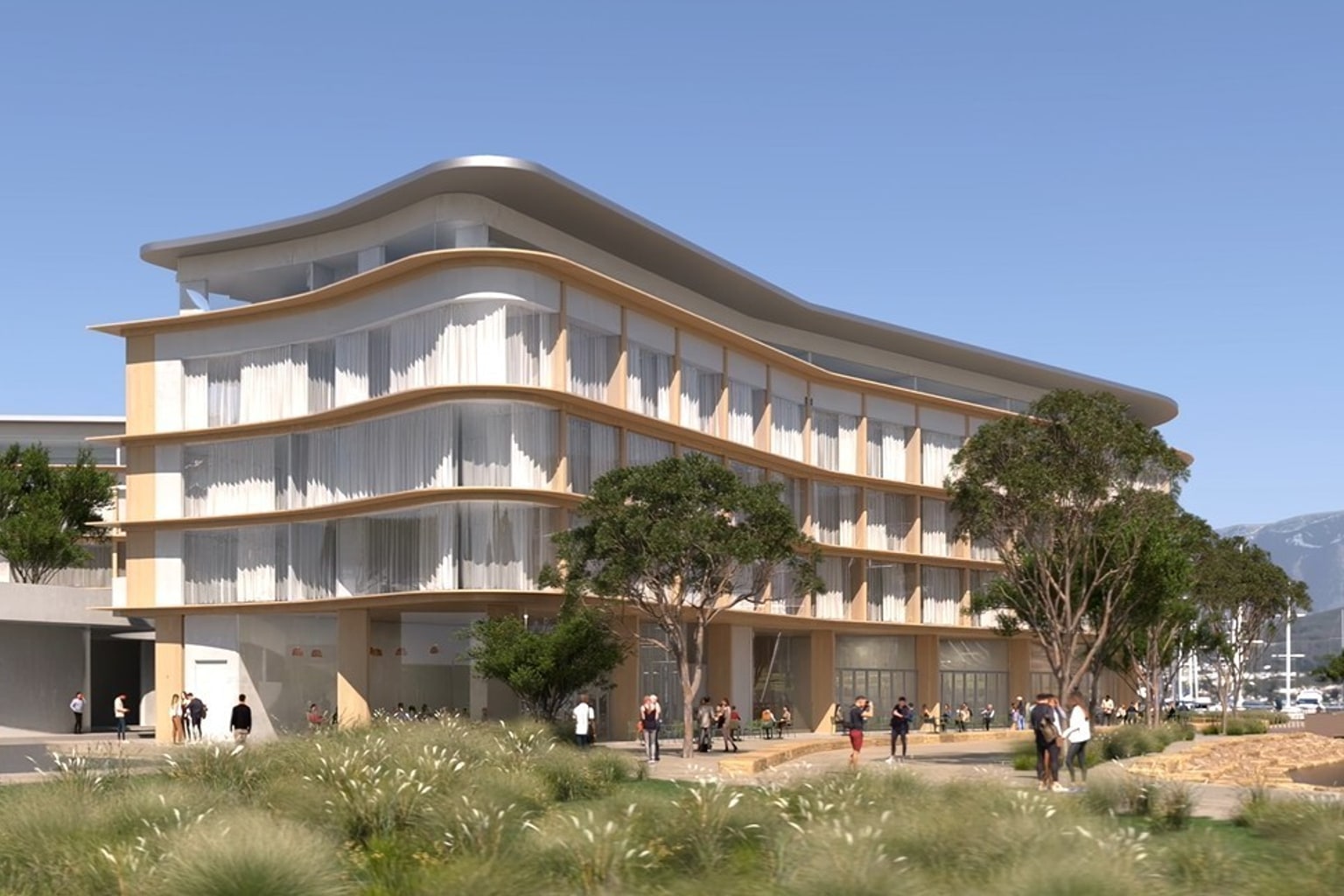
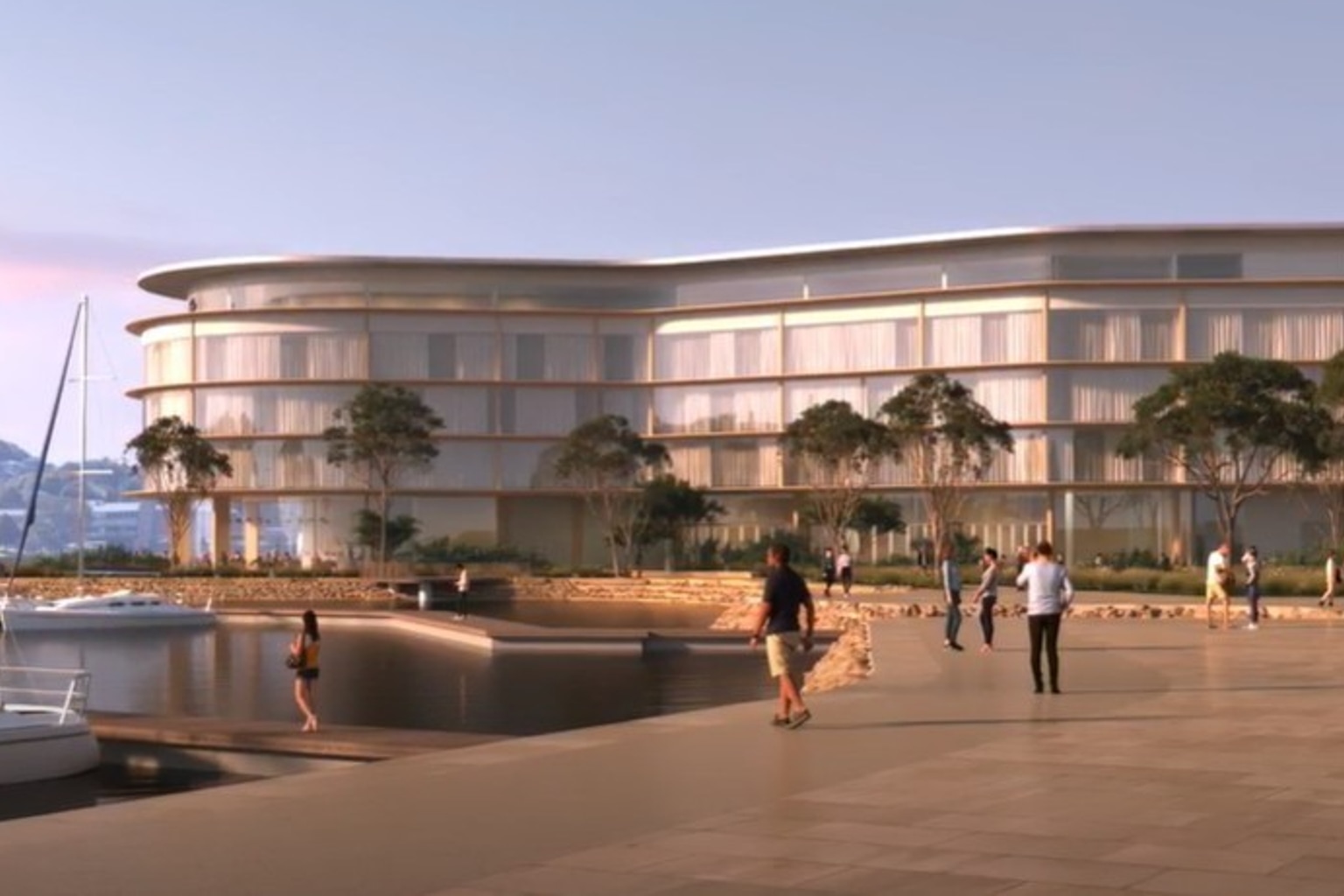
Chambroad is planning a 4.5-star hotel with a rooftop restaurant, bars, function rooms, a wellness centre and a public boardwalk along the foreshore.
Hudson said the permit came with conditions the company was still working through.
“The permit sets stringent development requirements and Chambroad is currently assessing those requirements having spent nearly $20 million to date,” he said.
The permit’s 43 conditions lock in two restaurants, a bar and a cafe facing the foreshore, trading from 6am to 11pm.
The function centre can run until 1am from Monday to Saturday and until midnight on Sundays.
Outdoor amplified music is banned in the hotel’s plaza between 7pm and 7am.
Chambroad must prepare a late-night event plan covering noise and departing patrons and keep a register of noise complaints.
The panel also ordered a four-metre-wide walking and cycling path through the car park and widened the foreshore boardwalk to 3.5 metres.
All public paths must be built before the hotel opens, stay open at all times and carry legal access rights in favour of the council.
Chambroad must also work with the Aboriginal community on art, signage and storytelling for the public spaces.
No construction is allowed on Sundays or public holidays.
Chambroad bought the land from the council in 2017 for $2.44 million, promising a hotel and a hospitality school.
The school was dropped when the company could not find an education partner and construction never started.
The council gave Chambroad three extensions before moving to buy the land back in early 2023. The company is contesting that in court.
The council rejected the hotel the same year and then-planning minister Michael Ferguson refused to fast-track it.
His successor, Felix Ellis, reversed that call in October 2024. He declared it a major project and handed the decision to an independent Planning Commission panel, cutting the council out.

Parking was the biggest sticking point during the assessment. Chambroad’s plans include 91 car parks, 167 fewer than the planning scheme requires.
The council told the panel the shortfall was not justified. It said the plan relied on an overflow car park already set aside for an apartment development.
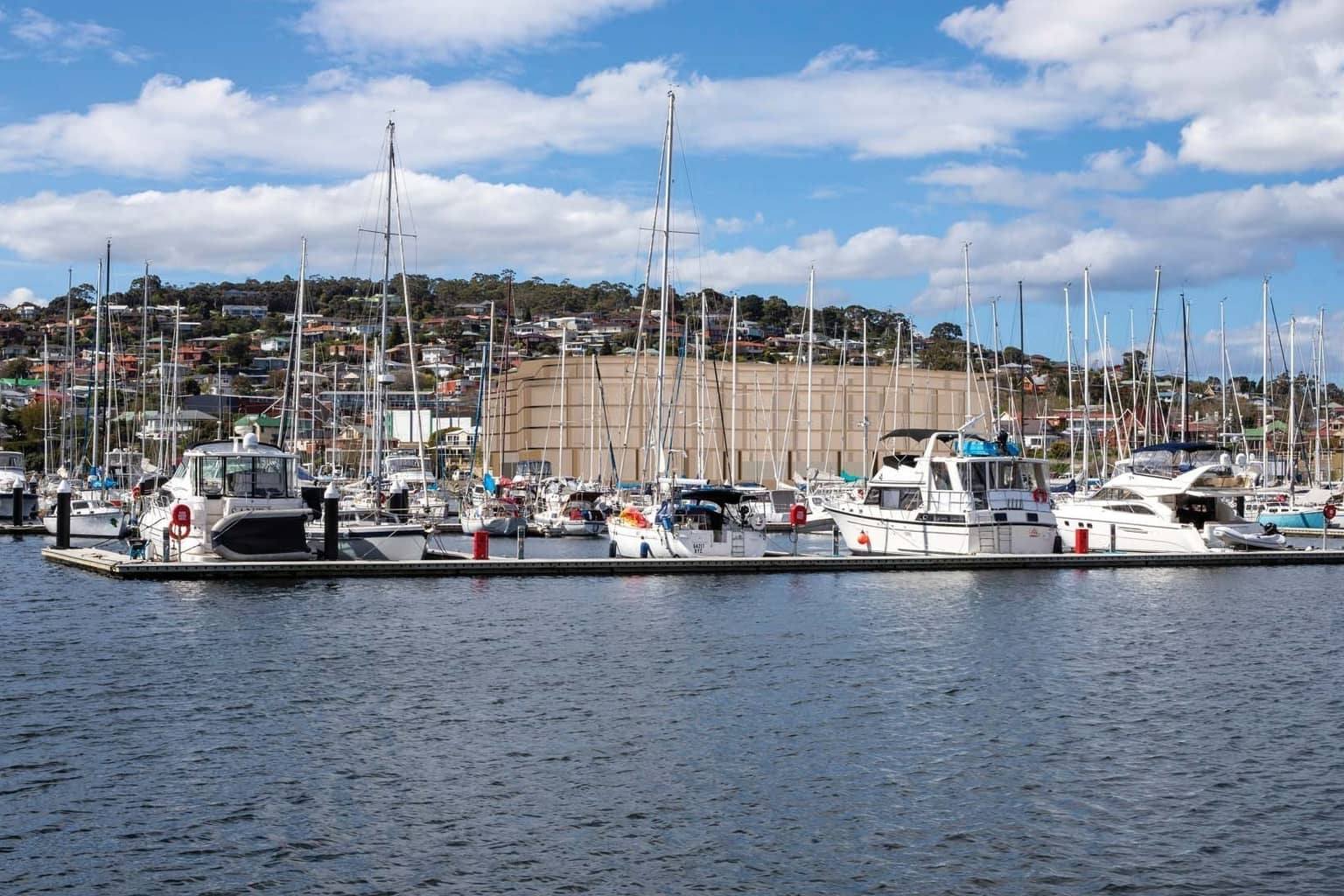
Nearby residents warned of parking chaos, late-night noise and a five-storey building that would dominate the bay.
Business Events Tasmania and the Office of the Coordinator-General, which has worked with Chambroad since 2014, backed the project.
The panel received 27 submissions and held hearings in August.
Premier Jeremy Rockliff says the hotel will create 100 construction jobs and more than 400 ongoing roles.
“Despite considerable opposition, including from the Labor Party, we continued to see it through and backed in workers, the tourism and hospitality industry and the local economy to get this project over the line,” he said.
Labor MP and shadow planning minister Dean Winter in June described the assessment as a “sham planning process” for a site “where the ownership and tenure are entirely uncertain”.
Planning Minister Kerry Vincent says the project has been tested.
“This project has undergone intense scrutiny and shows our planning process stacks up and so does this development,” he said.
Clarence mayor Brendan Blomeley has repeatedly said the council will not give up on buying back the land.
Clarence City Council chief executive Ian Nelson said the council “remains committed” to pursuing its claim to buy-back the land.
He said the decision should have been deferred until ownership of the land was decided and that granting major project status set “a very low threshold for future major project applications in Tasmania”.
“The permit and the major project status will be of no value if ownership of the land is returned to the council,” Nelson said.