Tasmanian researchers are closing in on a way to turn bushfire smoke-affected grapes into good quality sparkling wine, offering wine producers a possible lifeline against major financial losses.
The work is being done at the Tasmanian Institute of Agriculture, which is a joint venture between the University of Tasmania and the Tasmanian government.
Smoke taint is a constant worry for Tasmanian vineyards because it can make wine unpalatable.
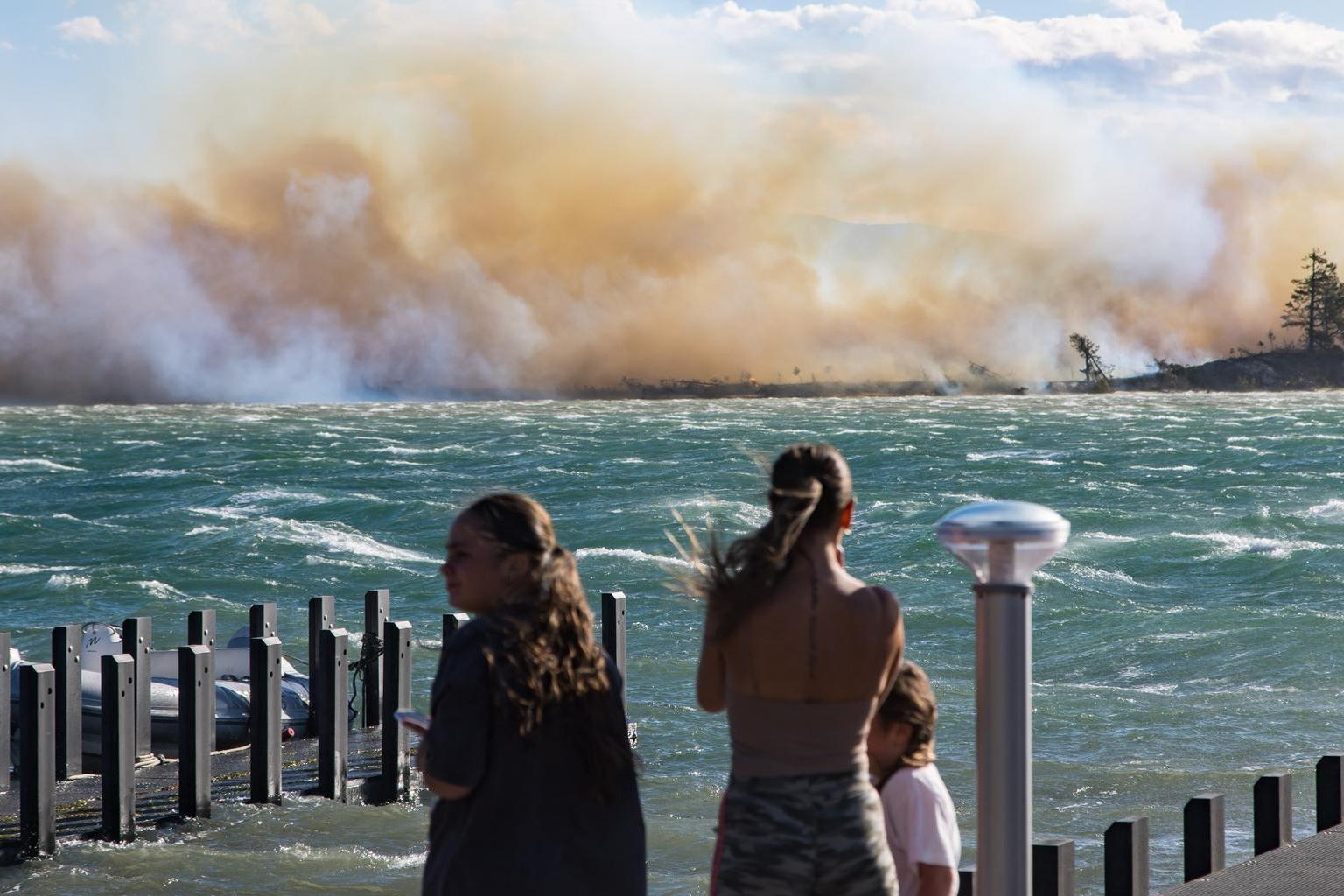
With Tasmania facing an early start to the bushfire season after last weekend’s bushfire at Seven Mile Beach, peak body Wine Tasmania has flagged it as a high priority for research.
The project, called Beating smoke taint with sparkling wine, is funded by the state government’s Agricultural Innovation Fund.
It is being run in partnership with the University of Tasmania’s Fire Centre Bushfire Research Hub.
The 10-year trial is looking at how sparkling wine made from smoke-affected grapes behaves as it ages.
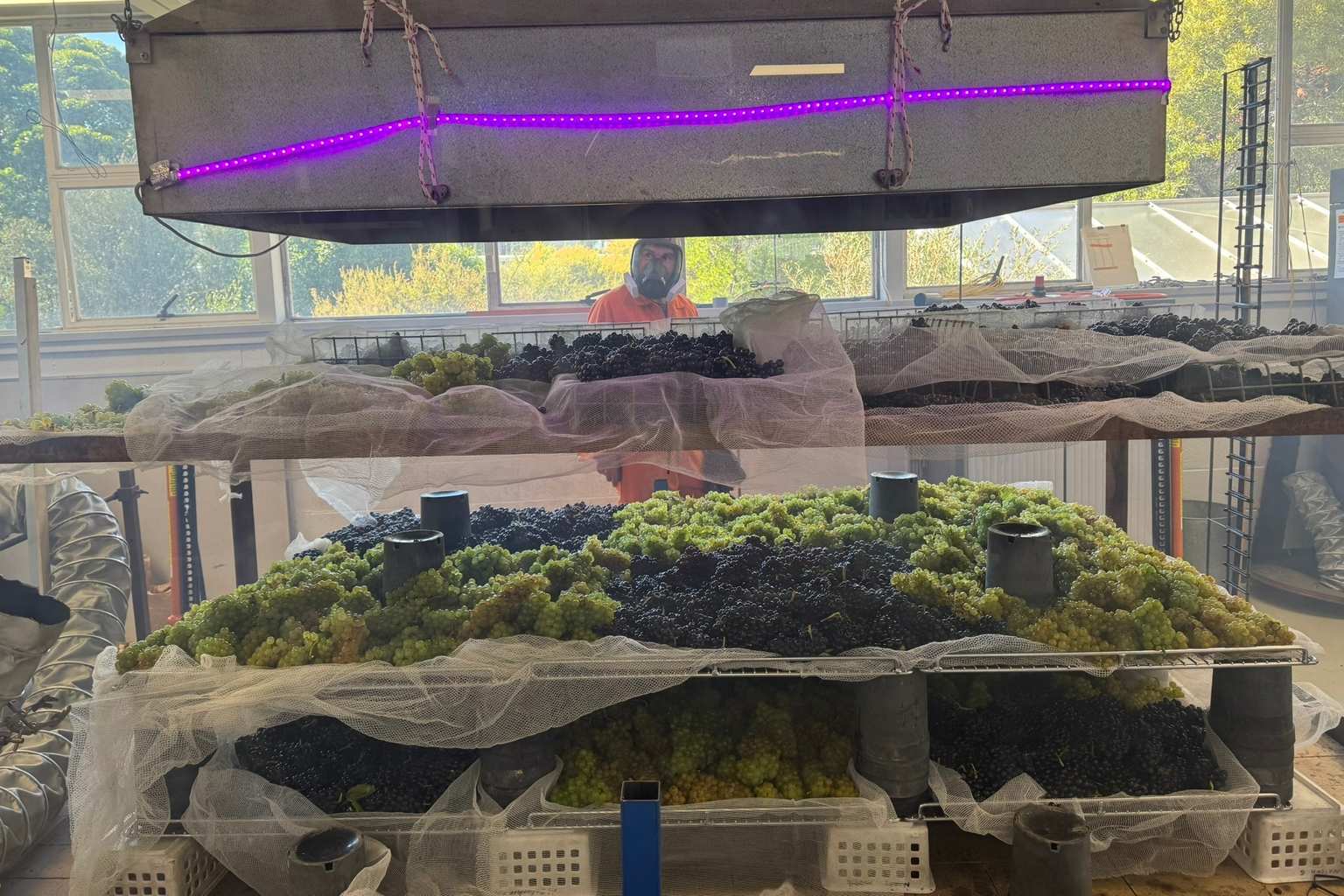
Grapes were smoked for three hours in a purpose designed structure using local native wood and leaf litter to mimic a real bushfire.
They were then processed into sparkling wine with carefully controlled levels of smoke taint.
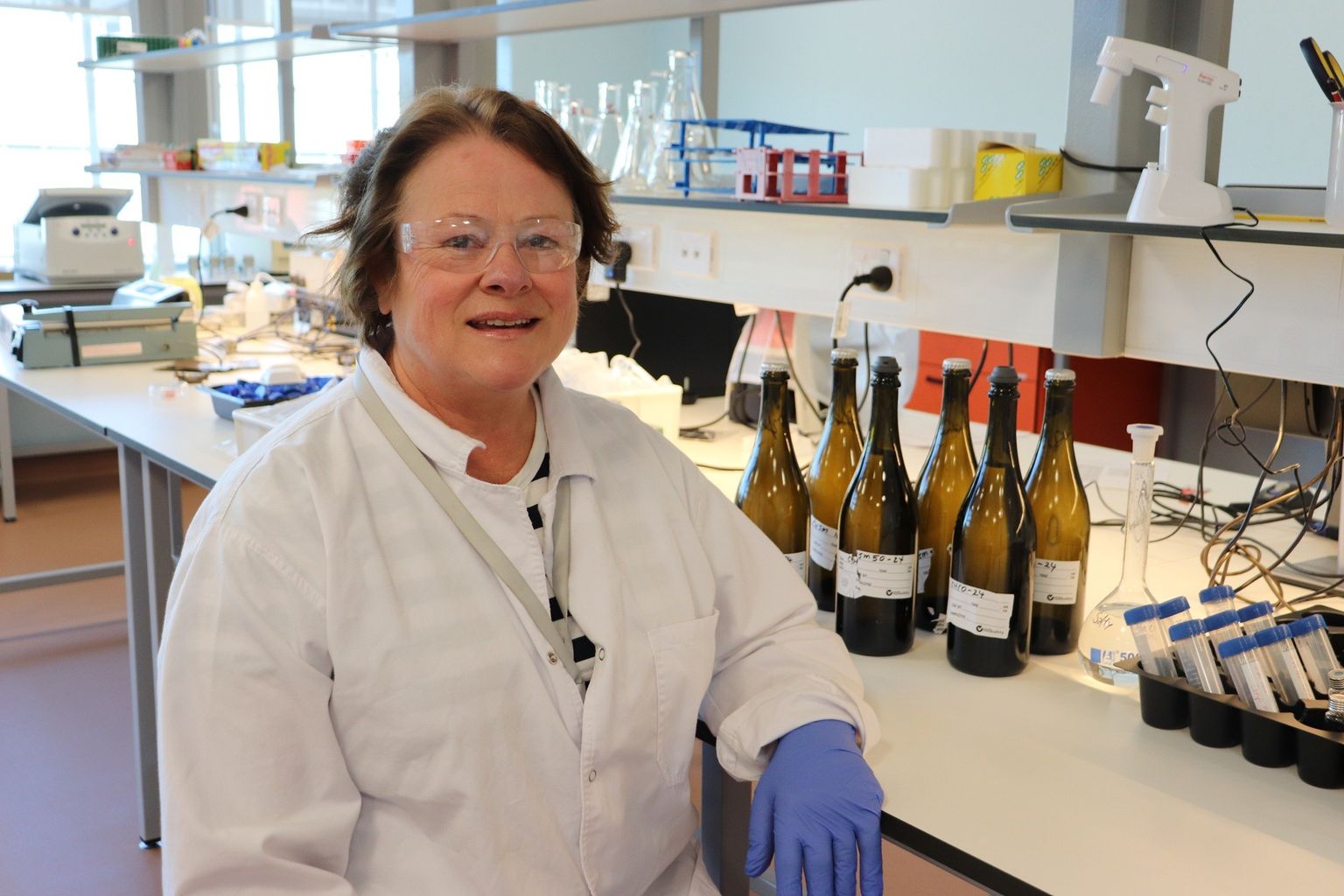
“Tasmanian wine producers need to be prepared for extreme climate events and the risk of bushfires and this research is one way to help ensure that we’re ready and have an option for preventing major financial losses due to unpalatable smoke affected wine,” food scientist Naomi Vinden said.
Vinden said badly smoke-affected fruit can represent a significant cost to the sector.
PhD candidate Alison Ctercteko is studying smoke taint in grapes and wine at the institute.
“The aim is to provide a method for Tasmanian wine producers to still be able to make good wine that’s been subject to smoke and bushfires. We’re getting closer to that goal,” Ctercteko said.
“Results so far have been very promising. I’ve determined that I can remove the smoke taint compounds.
“But it’s a matter of reducing the smoke taint while retaining as much of the desirable aromatics of the wine as possible.”
Ctercteko said she had tested different levels of smoke and different grape varieties and the methods appear to be working.
The stakes are high for the state’s premium wine sector, which set two records in 2025 with a harvest of 23,002 tonnes of grapes and an estimated 1.66 million cases of wine, with sparkling wine making up around 43% of total production.