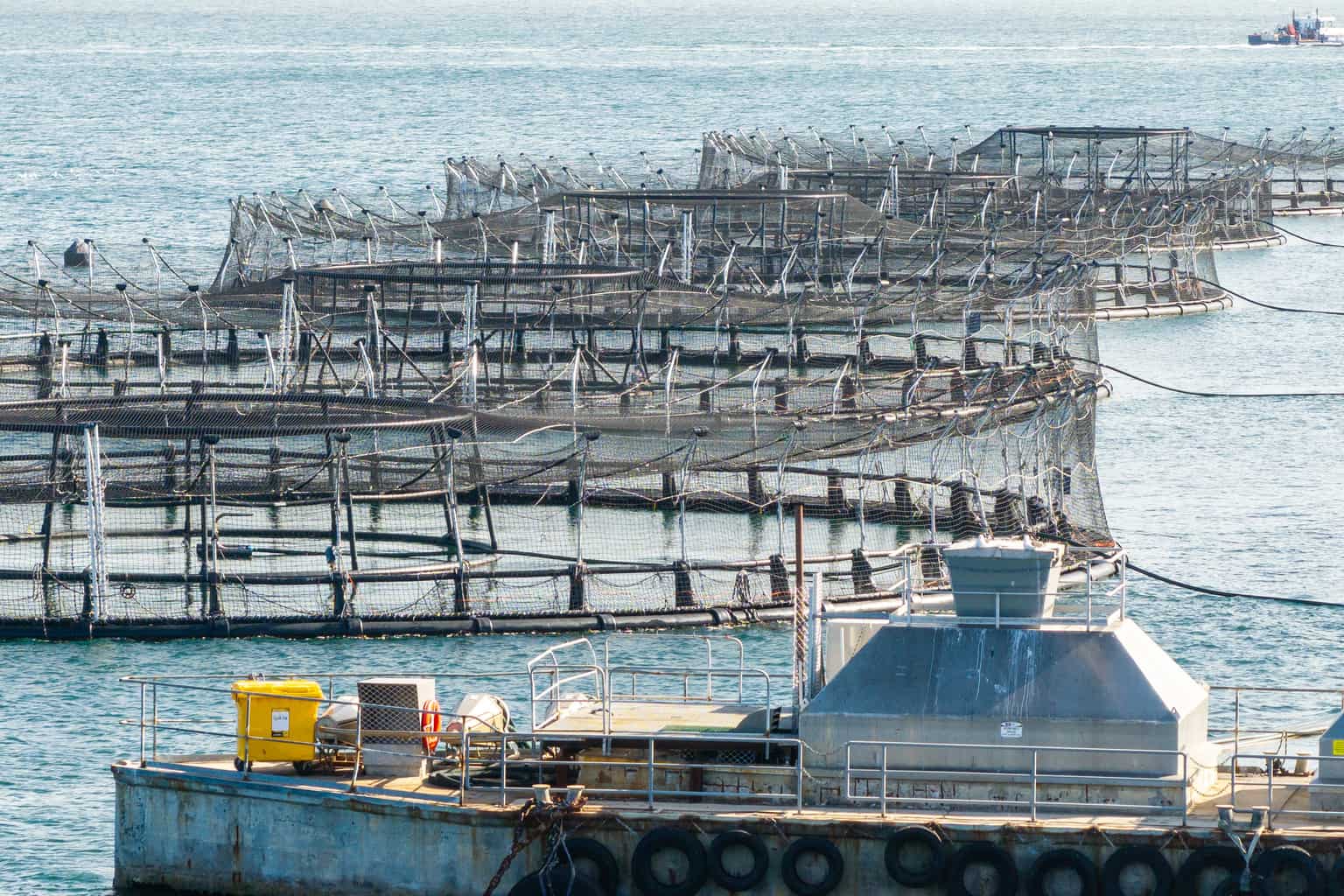
Tasmania’s salmon industry has applied for an emergency permit to use the antibiotic florfenicol at farms in the state’s south-east.
The federal regulator, the Australian Pesticides and Veterinary Medicines Authority (APVMA), opened public consultation on the application on Monday.
The permit would let salmon companies add the drug to fish feed to treat bacterial disease for one year.
It would cover up to 56,000 tonnes of salmon in the south-eastern biosecurity zone, the same area as last summer’s permit.
The authority suspended that permit in March, after traces of the drug were found in wild seafood.

The new application, lodged by Salmon Tasmania, uses the same dose as before.
Salmon Tasmania chief executive John Whittington said warmer water was raising the risk of disease.
“Sea temperatures around Tasmania are above average for October and the Bureau of Meteorology’s current outlook is for warmer-than-average conditions to continue through into summer,” he said.
“That compresses the window we have to put appropriate treatment in place, which is why an emergency permit is needed now rather than at the end of the minor use permit process.”
“As primary producers, we have an ethical and legal obligation to ensure our animals are appropriately treated against illness, which is why we are seeking this emergency use permit.”
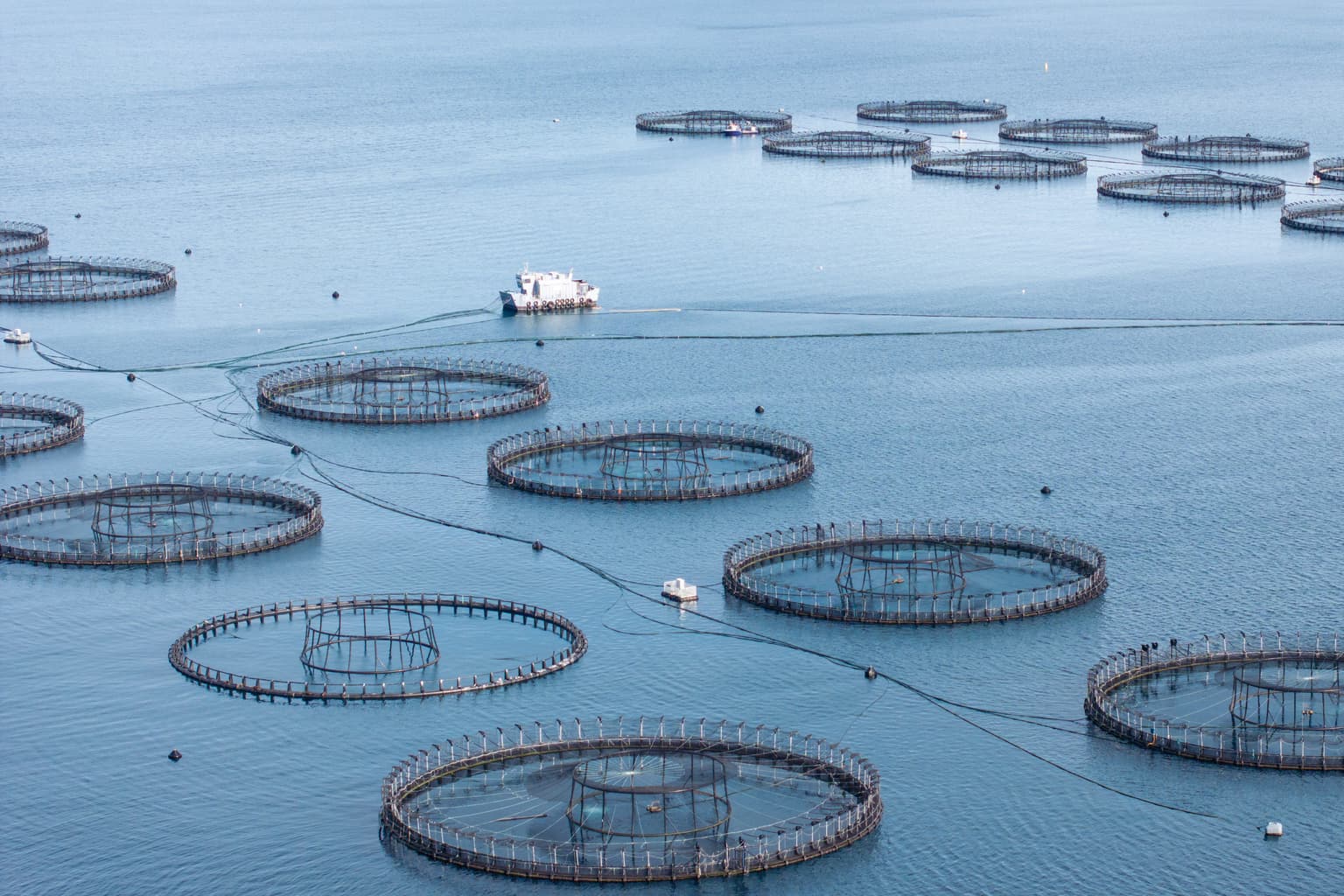
The authority’s trade assessment, released on Monday, says low levels of the drug may again be found in wild species near treated pens.
It is relying on a new state government plan to keep any affected seafood out of export markets.
Under the plan, higher-risk wild fisheries in set zones around treated farms would close for at least six weeks.
Salmon companies would be expected to pay a support package, yet to be agreed, to affected wild fishers.
The authority said if the plan was followed, the risk of breaching overseas residue limits would be “minimised”.
It said Tasmanian abalone and rock lobster export volumes still rose last financial year, despite last summer’s closures.
Under the proposed conditions, salmon companies would need to give regulators and wild fishery groups 72 hours’ notice before treating fish, except in urgent cases.
They would also have to post the location, the number of pens treated and the treatment length on their websites.
Greens leader Rosalie Woodruff said there was no emergency and questioned whether the state government has backed the application.
“After manufacturing the pretext of an emergency to support their application for florfenicol use last year, this year the salmon industry isn’t even trying to pretend,” she said.
“They are applying for an emergency permit when, as the environment department makes clear, there is no emergency.”
Whittington said Salmon Tasmania would keep working with wild fishers under the state plan.
The industry used 5.4 tonnes of florfenicol last summer, after a bacterial outbreak killed more than 14,000 tonnes of salmon in early 2025.
The authority is taking submissions until 12pm on November 16.