Tasmanian shoppers are being warned about a growing wave of fake online stores pretending to be local businesses in a bid to scam consumers.
Consumer, Building and Occupational Services (CBOS), the state’s consumer watchdog, says there has been a surge in so-called “ghost stores” setting up deceptive websites designed to look like genuine Australian retailers.
Bradley Wagg, acting director of consumer affairs and fair trading for Tasmania, issued the warning on Wednesday.
Wagg said the scam websites typically use store names similar to real local businesses and claim to be based in Australian locations where they have never actually traded.
Many promote “emotionally-charged stories, such as ‘closing down due to financial hardship'” and advertise heavily discounted products as part of fake closing down sales, he said.
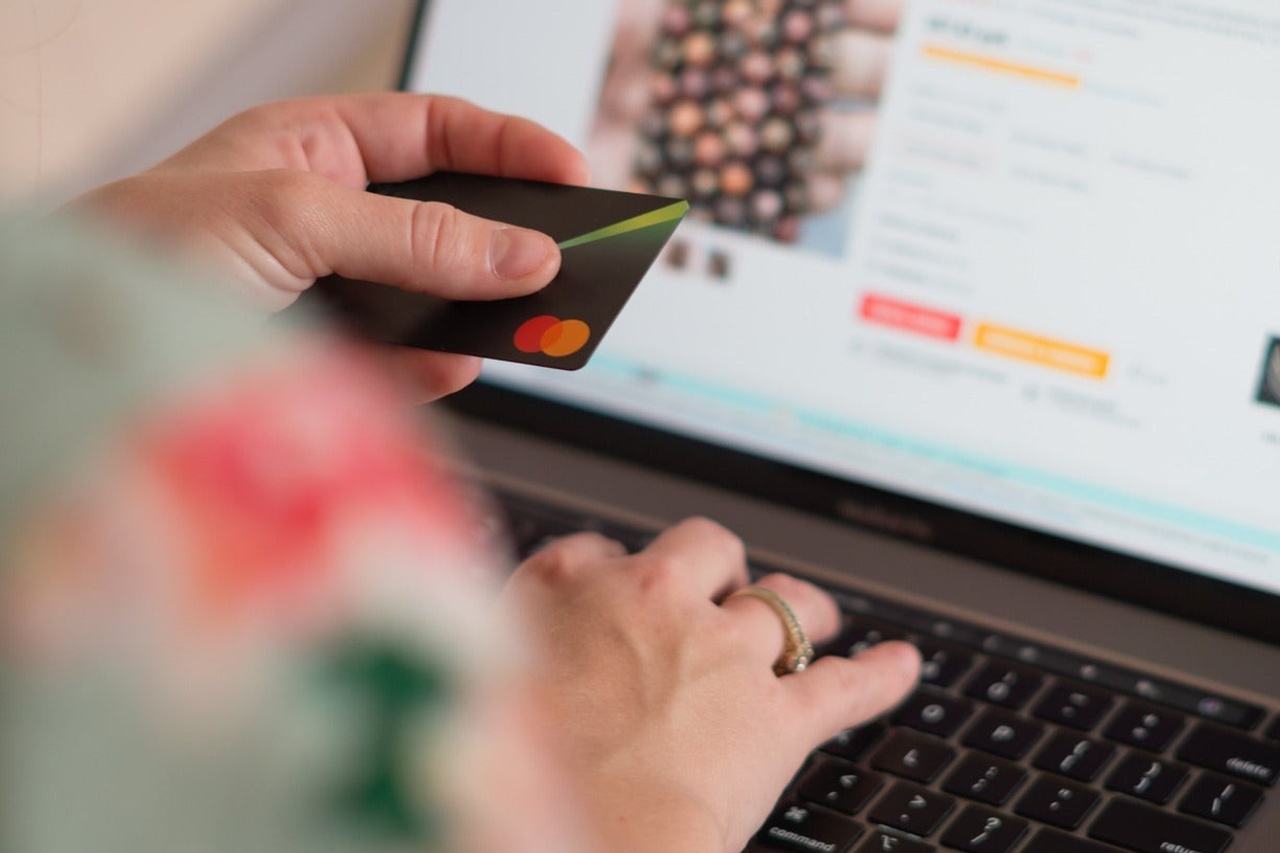
“In reality, these operators are often based overseas, not closing down and typically drop-ship low-quality products,” Wagg said.
“While items are advertised as high-quality and heavily discounted, consumers frequently receive cheap, mass-produced goods that fail to match the advertised description.”
When customers try to get refunds, Wagg said operators may “refuse to honour advertised ‘easy returns’ policies” or “cease contact altogether”.
Others offer only partial refunds on the condition buyers ship items back to an overseas address at their own cost, he said.
Wagg is urging people to take several steps before buying from unfamiliar online stores.
Shoppers should check the website address ends in .com.au and look for a physical address and phone number. Independent reviews from outside the retailer’s own website are also worth checking.
“Unrealistic discounts may indicate a scam,” Wagg said.
“Poor grammar, strange photos or pressure tactics are warning signs.”
Even when orders do arrive, consumers may find incorrect sizing, poor quality or misleading descriptions.
“Under Australian Consumer Law, these issues may entitle consumers to a remedy, but ghost store operators often refuse to comply,” Wagg said.
Anyone who suspects a ghost store is targeting Tasmanians or believes they have bought from one can lodge a complaint with CBOS.