Tasmanian families trying to have a baby through IVF will be able to claim up to $2,000 back on their treatment costs under a new state government rebate launching on July 1.
The $5 million program, funded over two years in the 2026-27 state budget, covers a range of fertility treatments including IVF, artificial insemination, donor programs and egg collection.
It is available to Tasmanian residents using one of the state’s two providers, TasIVF or Fertility Tasmania, and is designed to help cover costs beyond what Medicare and private health insurance already pay.
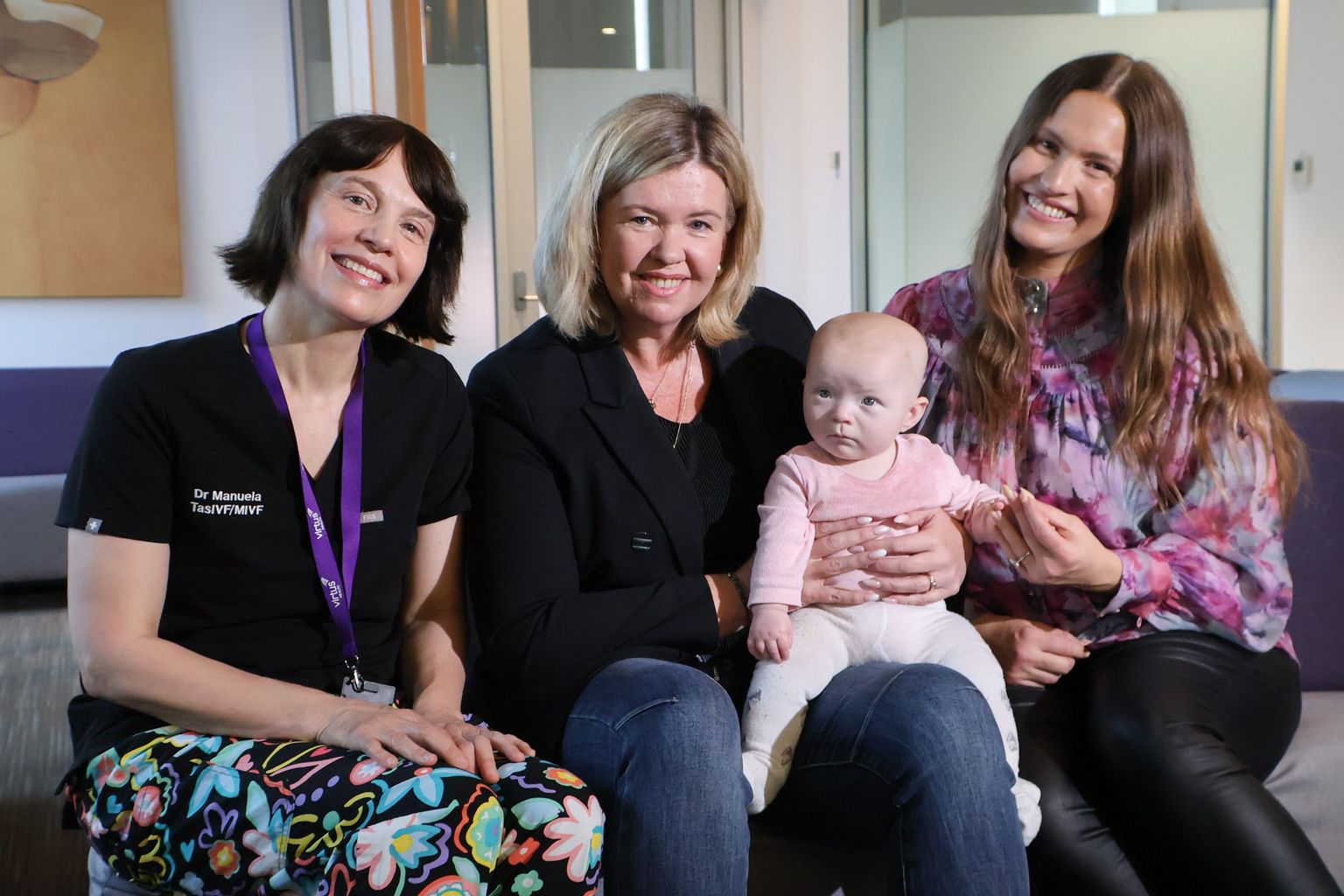
Former Home and Away actress turned radio host Christie Hayes went through four rounds of IVF before falling pregnant with her daughter Marigold.
She said the rebate would change lives.
“It’s very expensive and the first time IVF might not work and you have to go back for multiple rounds,” Hayes said.
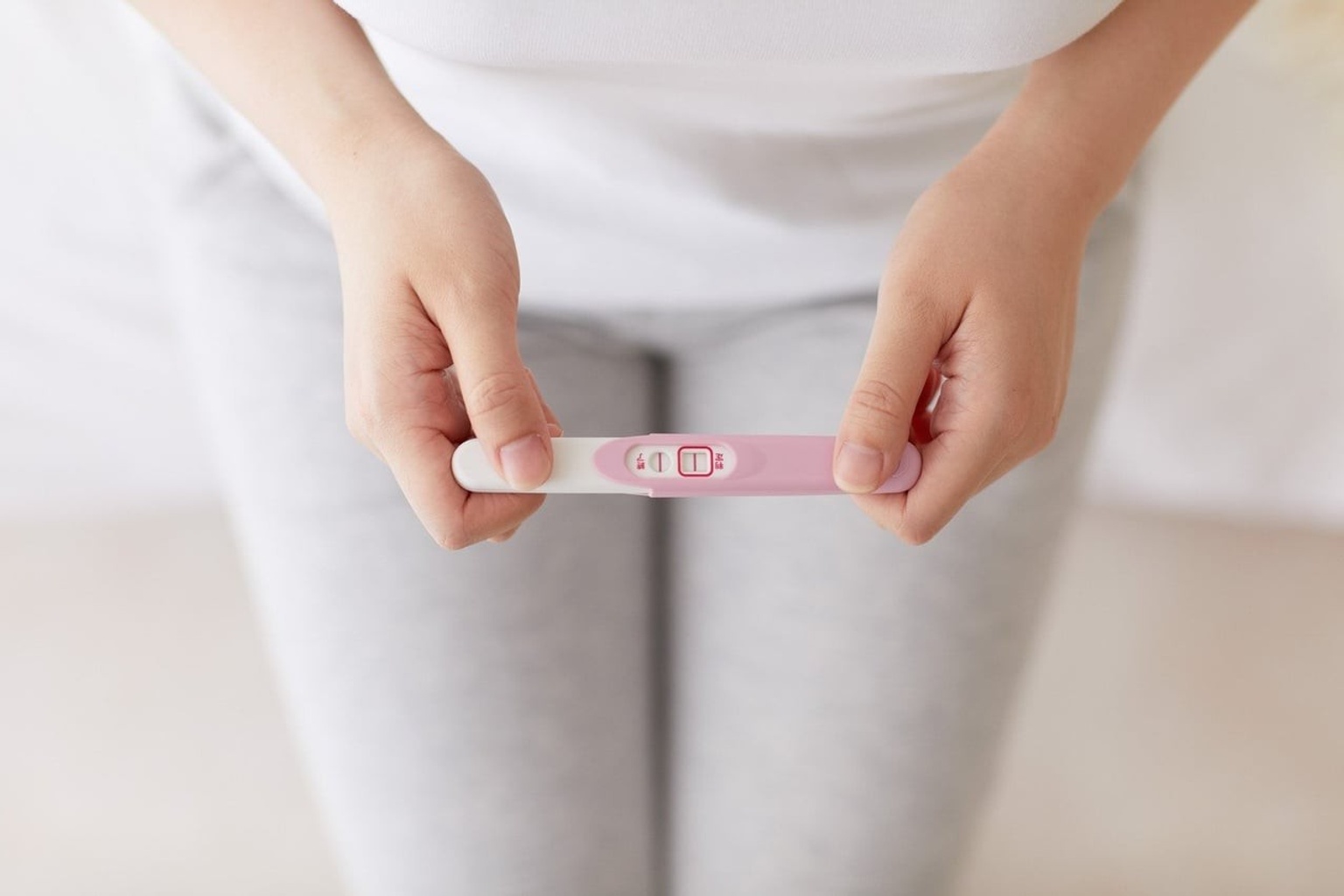
“Each round we were looking at thousands and thousands of dollars and so this $2000 really helps close the gap a lot more than people might expect.”
Hayes said the financial support also sent an emotional message to families doing it tough.
“It’s so isolating at times going through IVF and just feeling like no one understands or no one’s walking that path alongside you,” she said.
Health Minister Bridget Archer said the rebate delivered on a 2025 election commitment.
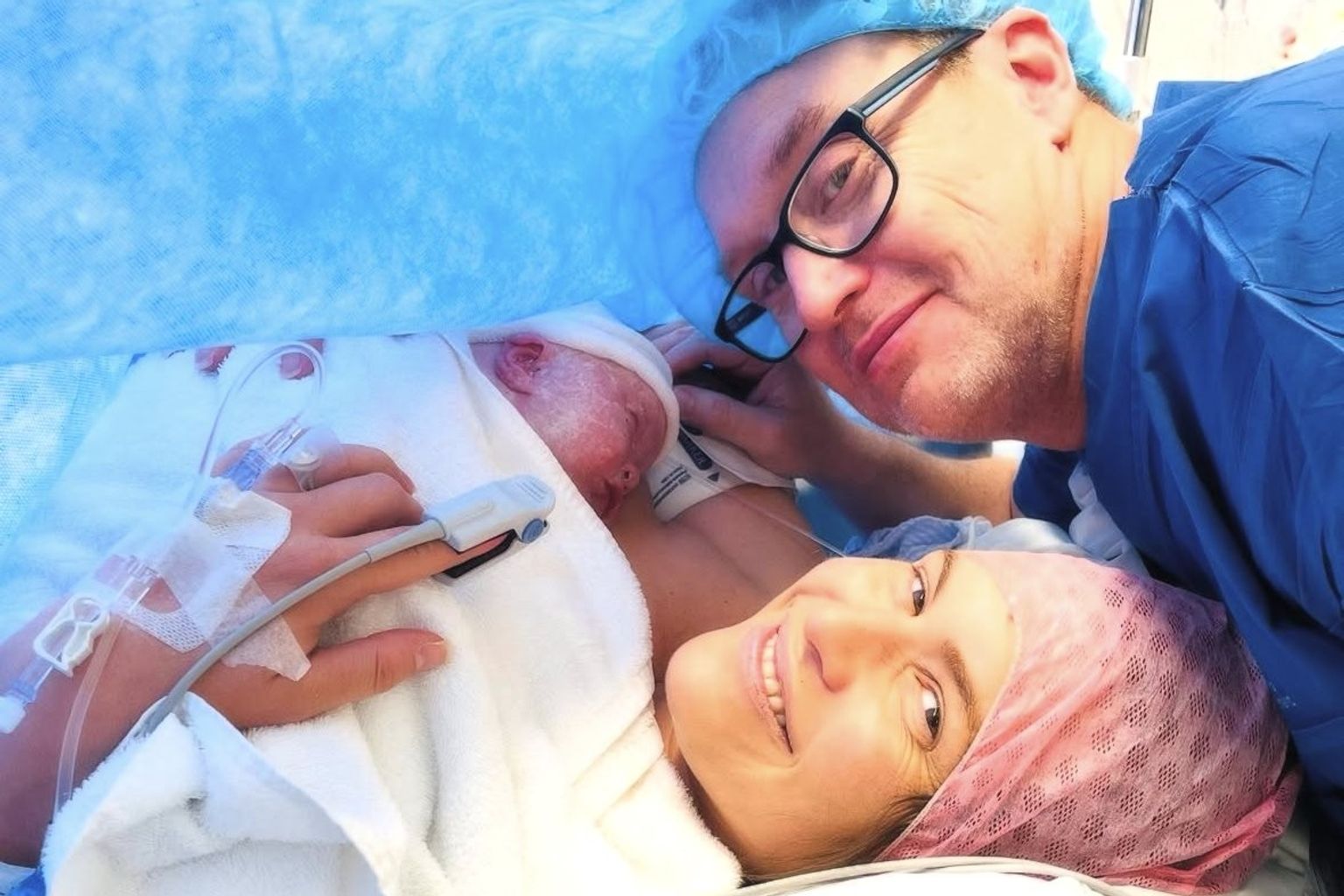
“Growing a family is a unique and personal journey, and for some Tasmanians, fertility treatment plays an important part in that,” Archer said.
“Through this program, we will support more Tasmanians to experience the joy of parenthood and help more families to grow.”
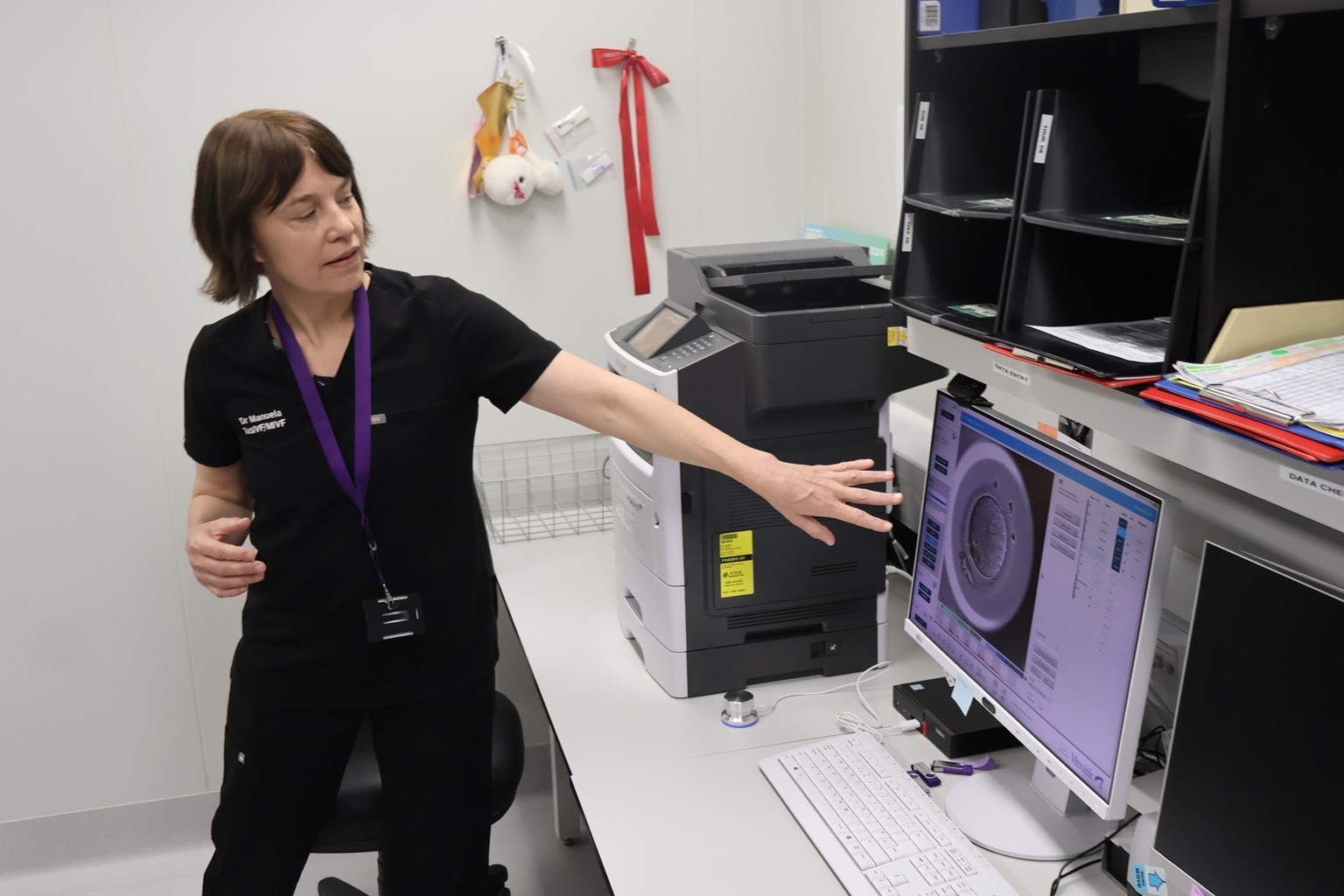
Dr Manuela Toledo, medical director at TasIVF, estimated 10 to 20% of patients their clinic sees can’t afford to go ahead with treatment.
“This is the difference between having a baby or not,” Toledo said.
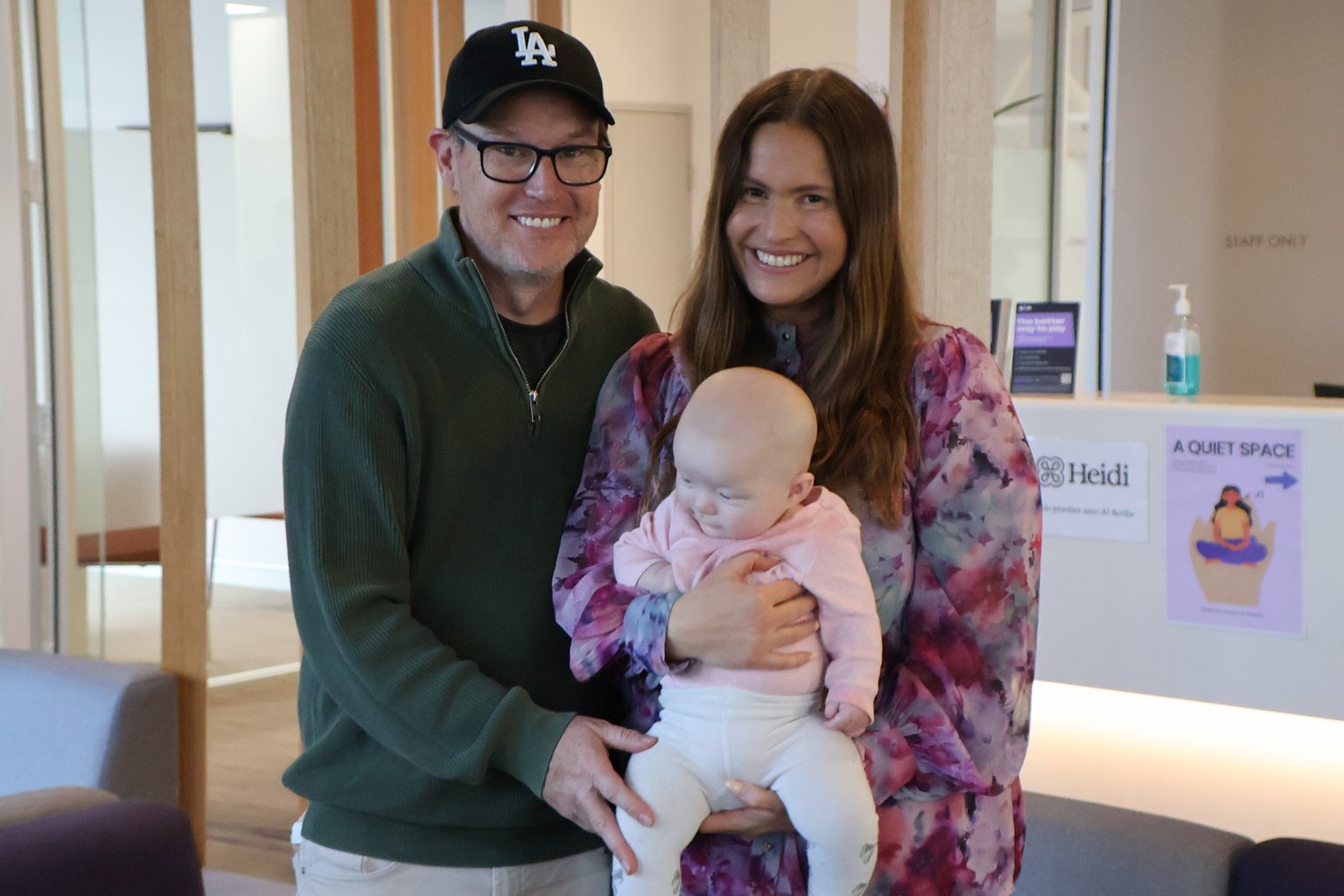
She said the rebate covered both new and existing patients and applied to fresh and frozen cycles.
Toledo added that a similar scheme already exists in New South Wales and has been popular.
TasIVF operates clinics in Hobart, Launceston and Burnie, and Toledo said there was no waiting list for patients wanting to start treatment.
The program will run until June 30 2028, or until the funding runs out.