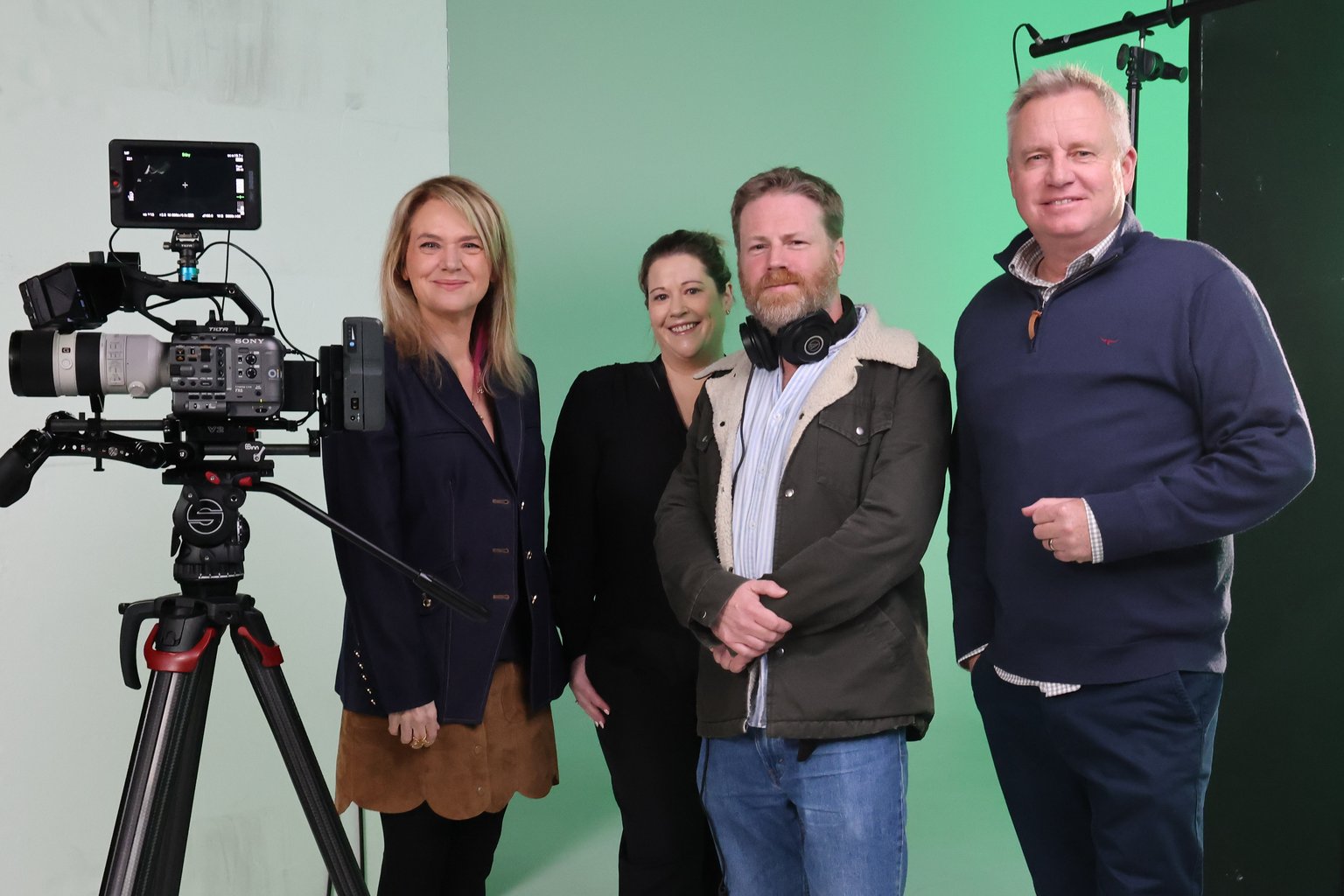
Tasmania’s creative industries are set for a $10 million funding boost over the next four years, with the state government providing additional support for the arts, screen and cultural sectors in this Thursday’s 2026-27 budget.
The additional funding will start at $1 million in the next financial year and rise to $4 million by 2029-30.
Premier Jeremy Rockliff said the investment would bring Tasmania’s per-capita creative industries funding in line with Western Australia and ahead of Queensland.
“This investment in Tasmania’s creative industries will support jobs, innovation and new opportunities for our artists and storytellers, as well as continuing to grow our economy,” Rockliff said.

“We are giving the industry the confidence to plan, invest and grow over the long term.”
Arts and Heritage Minister Madeleine Ogilvie said the screen industry would be a key focus, with $2.82 million earmarked for screen industry development in 2026-27.
“Our screen industry is emerging as a key driver of economic growth and opportunity,” Ogilvie said.
“Screen is a digital industry that is not constrained by geography, so it is perfect for Tasmania.”
She said the funding was about supporting everything from individual artists to major productions across music, dance, stage and visual arts.
Shaun Wilson from the Tasmanian Filmmakers Alliance, who also works as a TV director, said the investment would deliver strong returns.
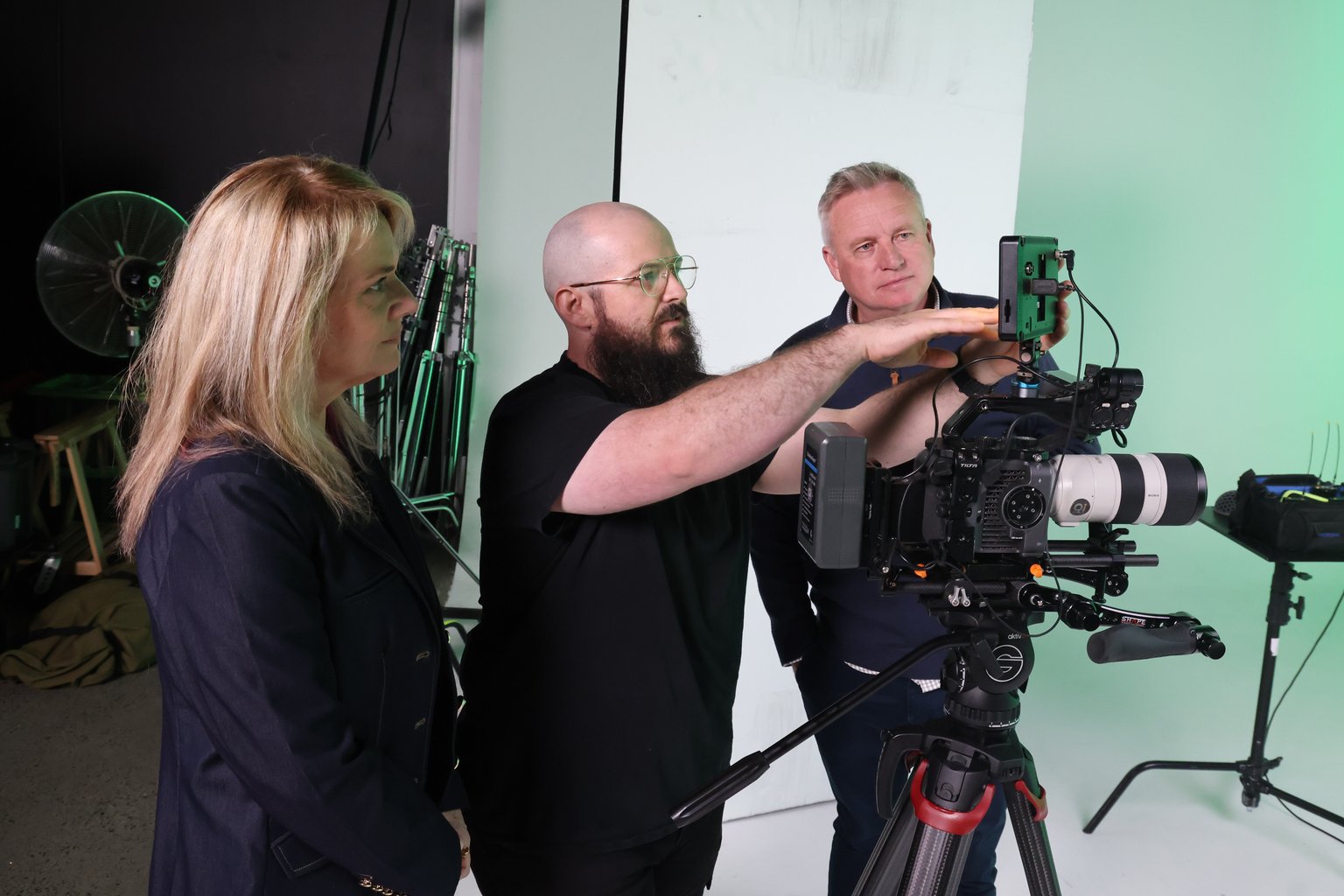
He said over the past 15 years the state government had put around $17 million into production in Tasmania, generating more than $100 million in spending in the local economy.
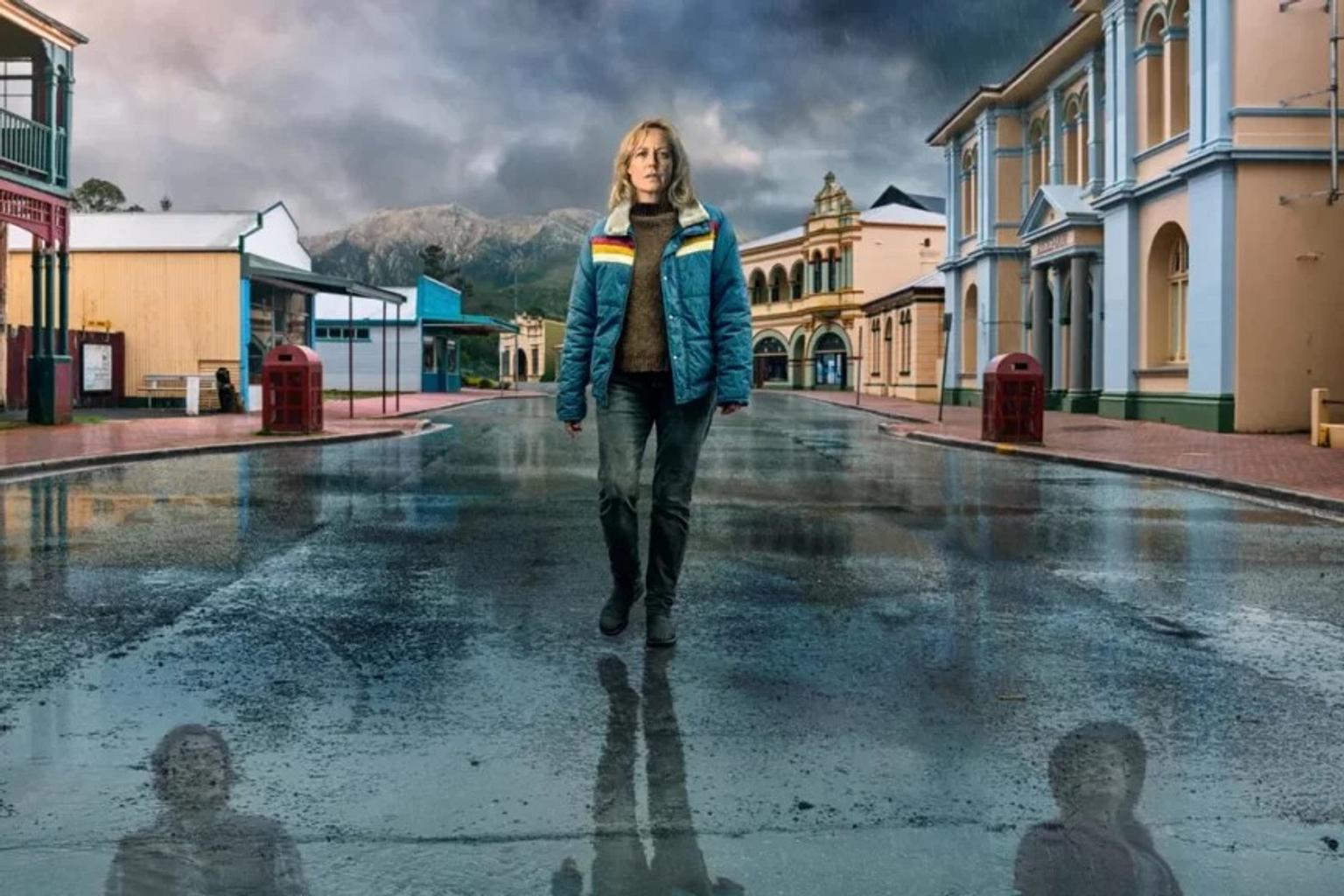
Wilson pointed to the Netflix series The Survivors as an example, saying a government investment of around $500,000 led to $8.8 million being spent in Tasmania.
“We’re talking like multipliers of up to about 18,” he said.
“That’s money that goes into not just employing a whole bunch of Tasmanian cast and crew, but that goes into accommodation, into catering, into hotels.”
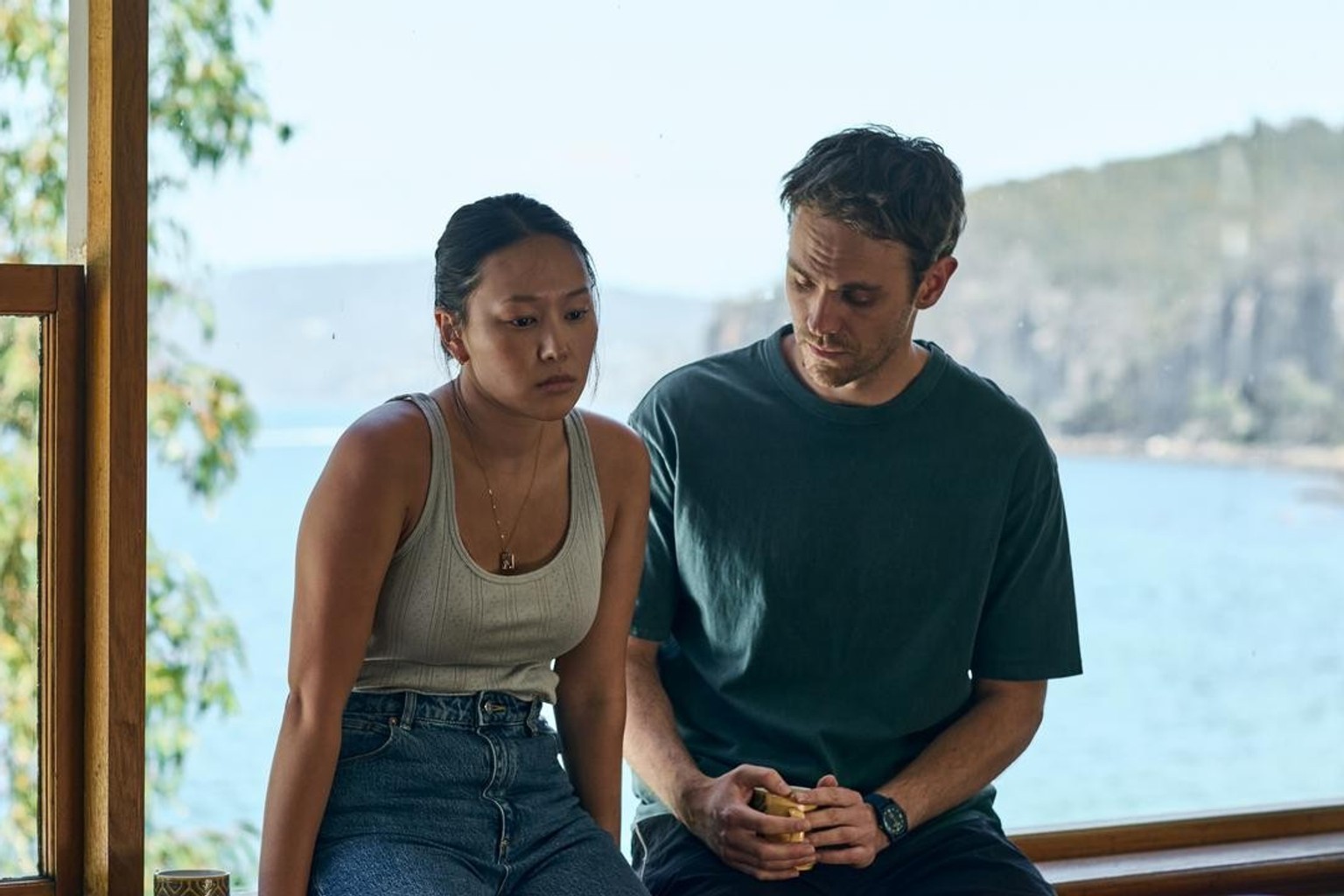
Wilson said the timing was right, with streaming platforms locking into new business models and looking for returnable shows that come back season after season.
“Now’s a good time to invest the money, catch those shows, get them down here so we can really use them as a backbone for a sustainable industry down here,” he said.
He also called for more investment in training pathways to stop talented Tasmanians leaving the state.
Ogilvie said $300,000 had been set aside to look at the formal training side of the sector.

“The old ways of doing things aren’t necessarily the way we need to do things now,” she said.