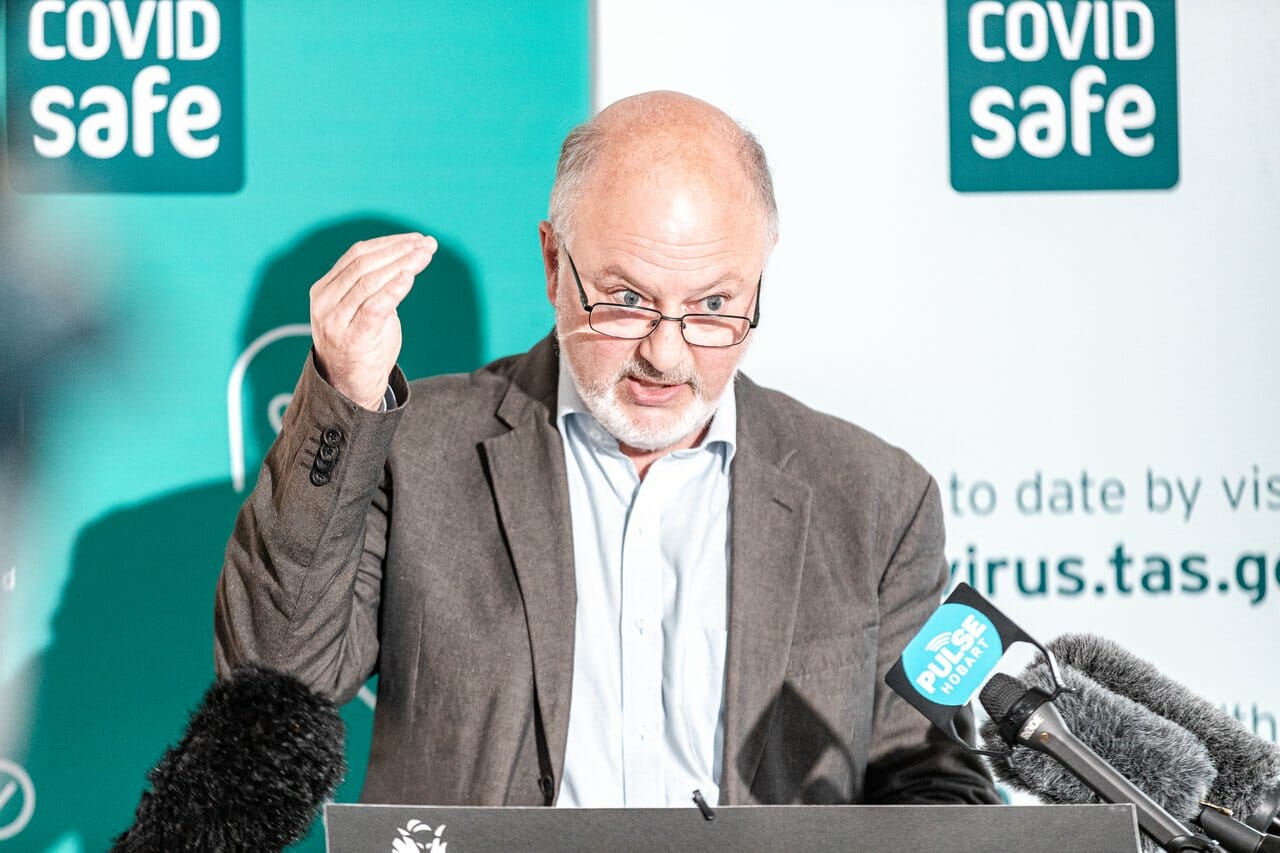
Tasmania’s COVID-19 risk level has been reduced from Moderate to Low, reflecting the decrease in cases, hospital admissions, deaths, and outbreaks in the state since late December 2022.
With this change, Public Health say measures are being implemented to ensure that Tasmanians will still have access to testing options after state-run clinics close on January 31st.
These measures include PCR testing available through GP clinics or by referral, a 24/7 COVID@homeplus hotline for testing options, and continued access to free rapid antigen tests (RATs) for concession card holders until the end of April 2023.
Additionally, the RAT home delivery program and school distribution program will continue, and RATs will remain available for purchase at supermarkets and pharmacies.
Director of Public Health, Dr Mark Veitch, said that while risk level was now Low, COVID-19 was still present in the community and people should continue to act to keep themselves and others safe.
“When the risk level is Low it may be less obvious that COVID-19 continues to circulate in the community. A Low risk level does not mean there is no risk at all. COVID-19 is still present throughout Tasmania, but at much lower levels than November and December,’’ Dr Veitch said.
“If you have a positive RAT, please register your result via the Tasmanian coronavirus website. If you have tested positive to COVID-19 by RAT or PCR, you should stay at home while you have symptoms. If you need to leave home for any reason, you should wear a mask in indoor public places for seven days after your positive test. If you have tested positive, don’t go to high-risk settings including hospitals (unless you need care), aged care or disability care facilities, or visit family members or friends who may be at higher risk, for at least seven days.”
Dr Veitch also said people at higher risk from COVID-19 should talk with their doctor to plan testing if they get symptoms, and treatment if they test positive.
“It’s important to test early for COVID-19 because antiviral medications are available to treat people at higher risk of severe COVID-19. Antivirals must be taken as soon as possible to reduce the risk of complications from the virus,’’ Dr Veitch said.