The Invasive Species Council has welcomed Tasmania’s first statewide invasive species action plan, but warns falling biosecurity funding and a lack of targets could undermine it.
The state government’s Invasive Species Action Plan 2026-29, released yesterday, brings the management of invasive animals, plants and aquatic pests under a single statewide framework.
The plan says invasive species cost Tasmanians “hundreds of millions of dollars annually” through farm production losses and management costs.
The plan contains no measurable targets, stating it “does not incorporate explicit target measures”, though targets may be included in future plans for specific species.
The council says the plan also lacks new funding and any commitment to publicly report on progress.
State budget papers show funding for biosecurity falling from $40.9 million in 2024-25 to $32.2 million this financial year and to $27.6 million by 2029-30.
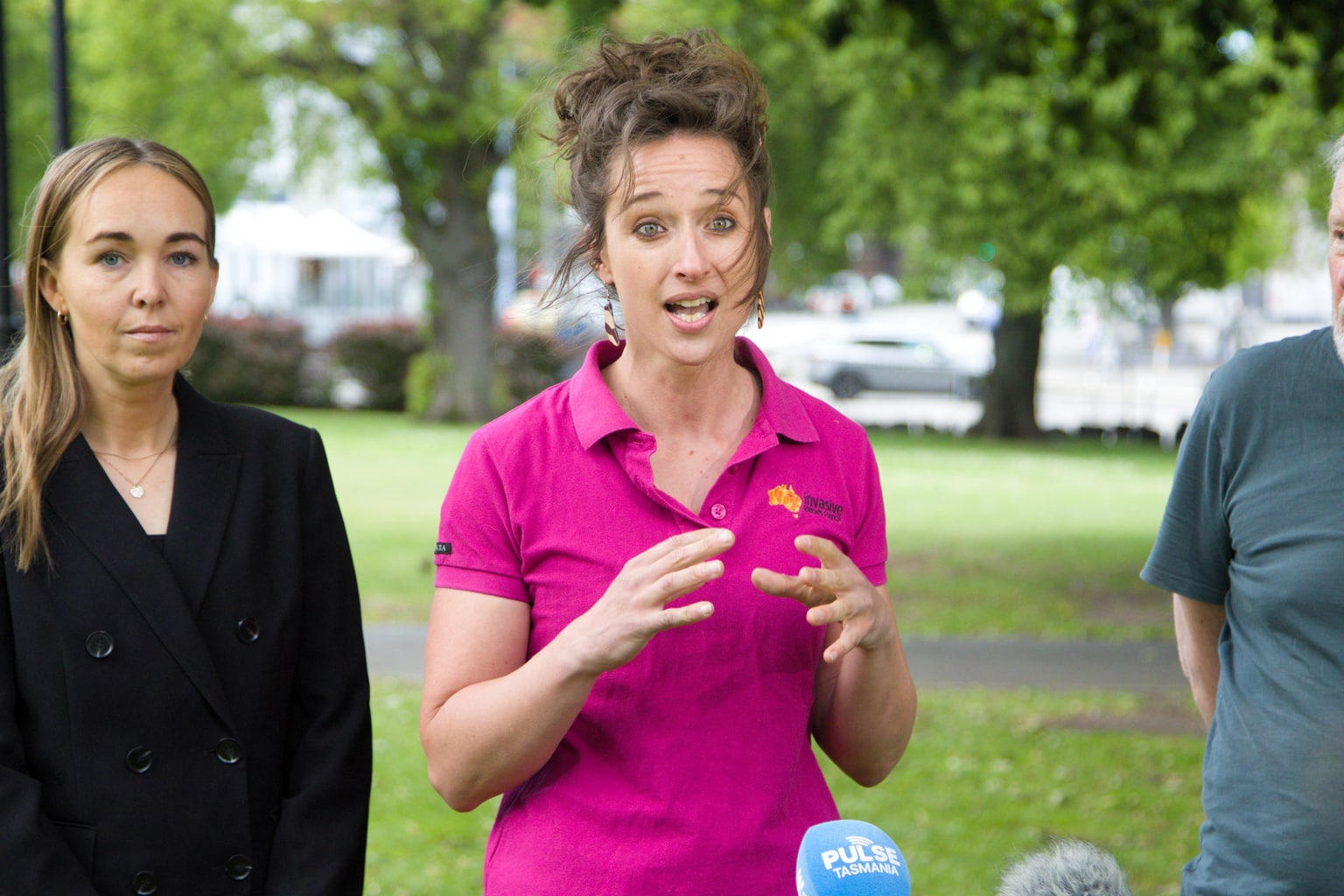
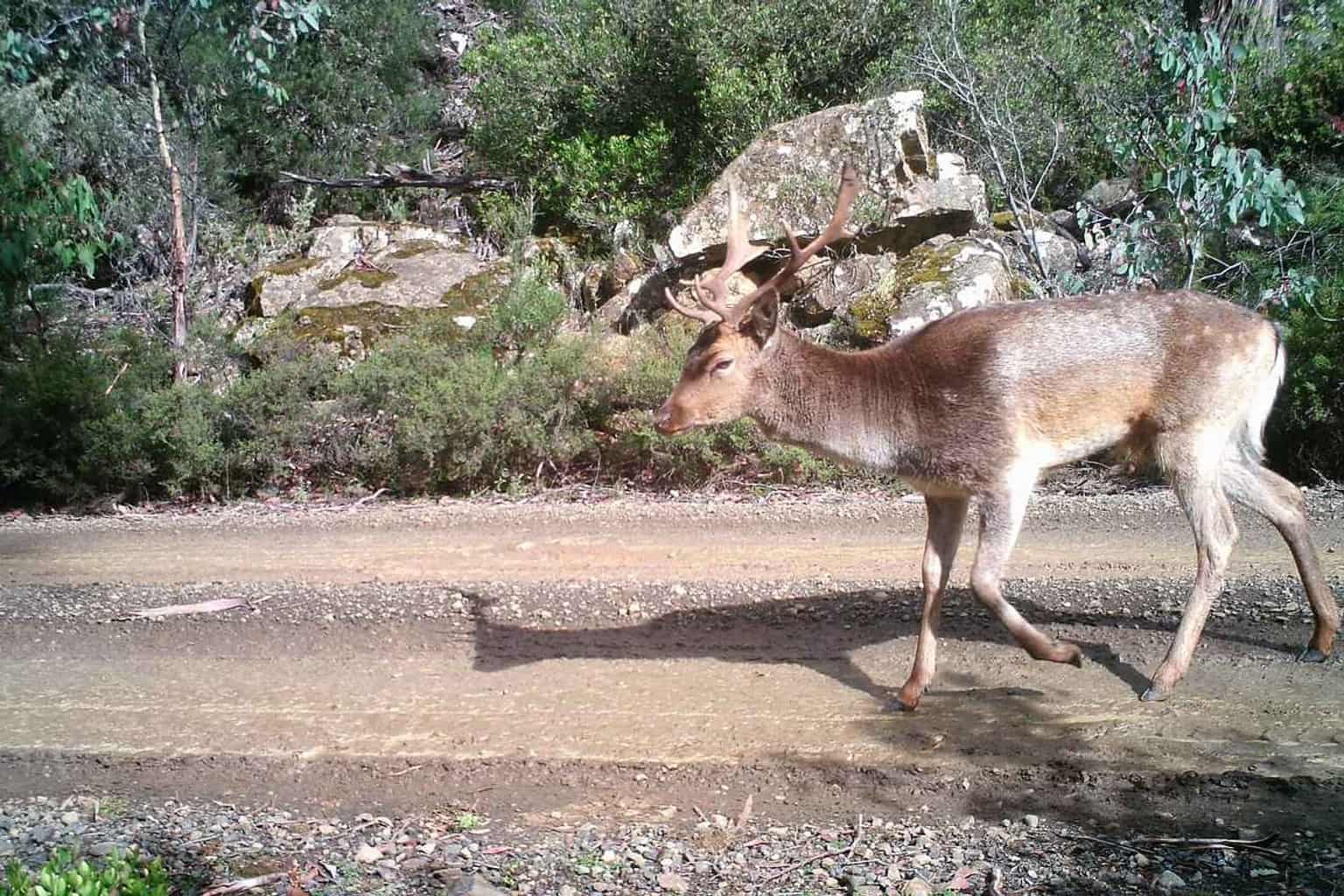
“With threats like bird flu and feral deer growing, cutting biosecurity funding is a step in the wrong direction,” Invasive Species Council Conservation Officer Tiana Pirtle said.
“We need serious investment, clear targets and accountability to protect Tasmania’s unique wildlife before it’s too late.”
Pirtle said it was “particularly concerning” to see the government committing to stronger border protections while biosecurity funding fell.
“You cannot strengthen Tasmania’s defences against invasive species while reducing the resources needed to keep them out,” she said.
The council said the cuts were worse given the loss of specialist public service roles, including Tasmanian Herbarium staff and the role leading feral deer control in the Tasmanian Wilderness World Heritage Area.
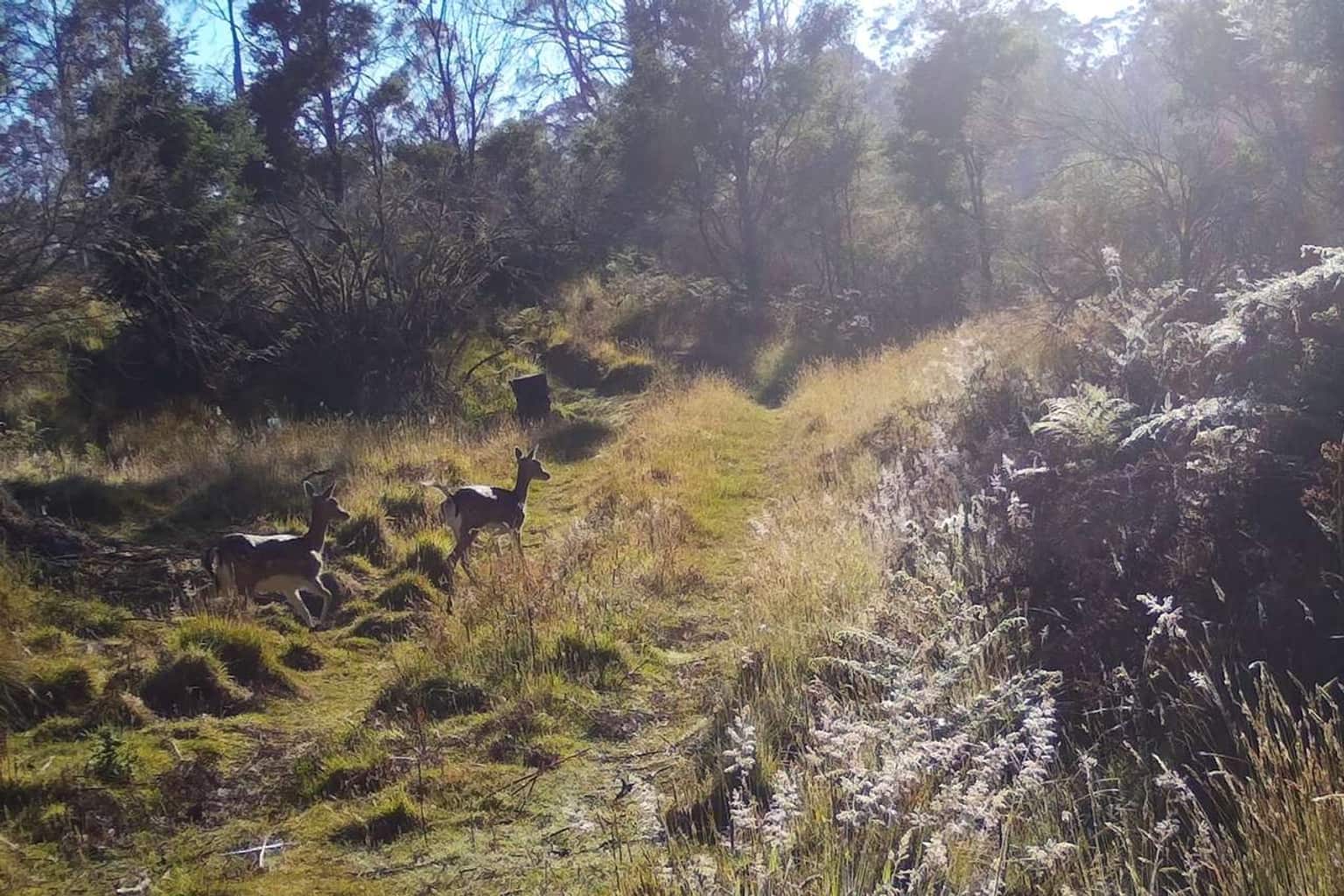
The plan says wild fallow deer cannot be eradicated from Tasmania and the state’s deer management plan is under review.
Pirtle said a plan without funding, targets or public accountability “risks becoming little more than words on paper”.
The council said the plan also failed to tackle sleeper populations of feral goats and roaming pigs or the sale of invasive garden plants.
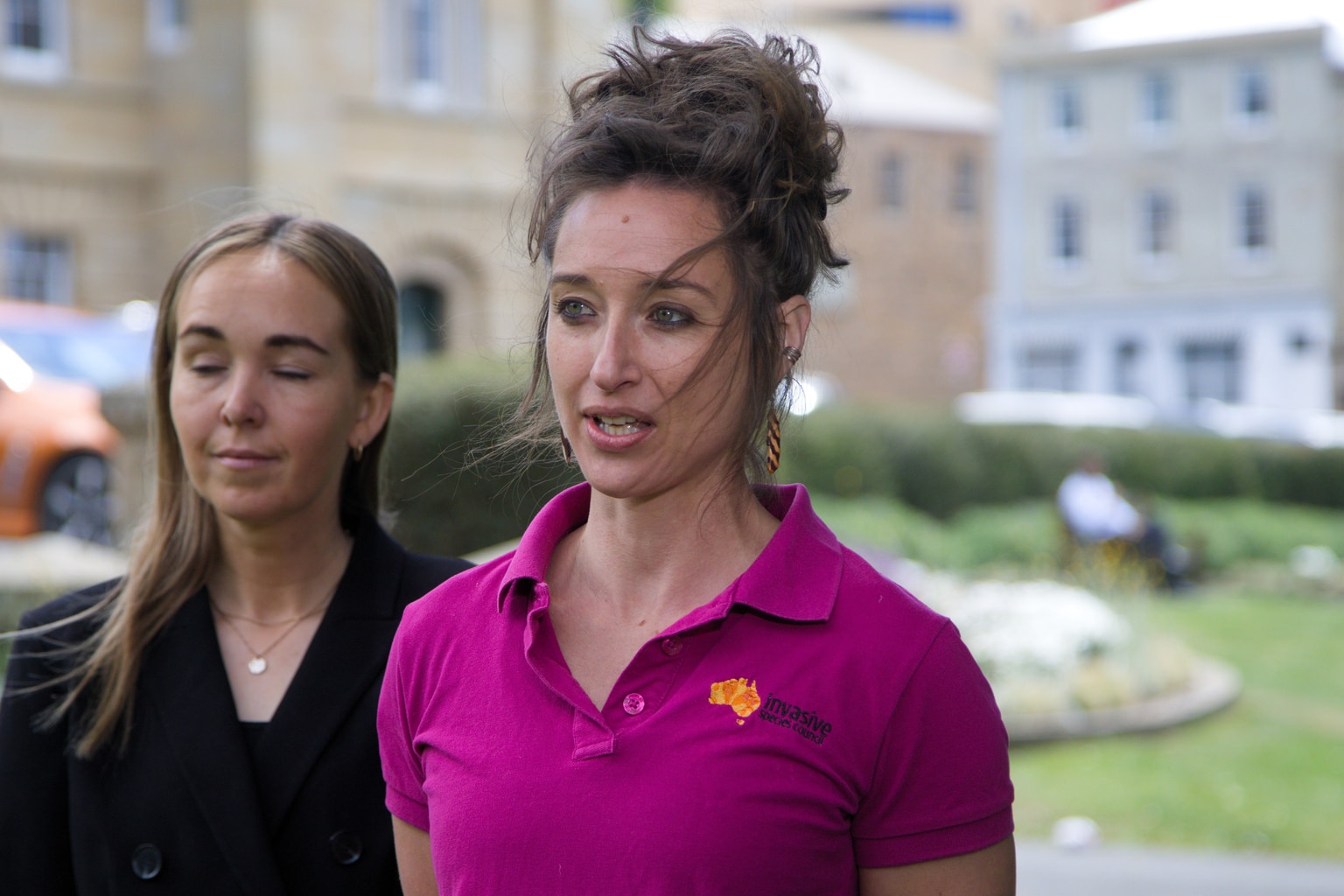
“Stopping a dangerous weed before it spreads is far cheaper and more effective than trying to control it once it’s established,” Pirtle said.
She said the plan made no clear connection to Tasmania’s Threatened Species Strategy, which is being updated and the state had not developed threat abatement plans for its key threatening processes.
“Without that connection, we risk having one strategy that identifies the problem and another that promises to protect wildlife, but neither delivers the coordinated action needed to prevent extinctions,” she said.
The plan lists $500,000 for pest control programs and $840,000 to continue deer management in peri-urban areas in 2026-27, along with an extra $90,000 for the Weeds Action Fund.
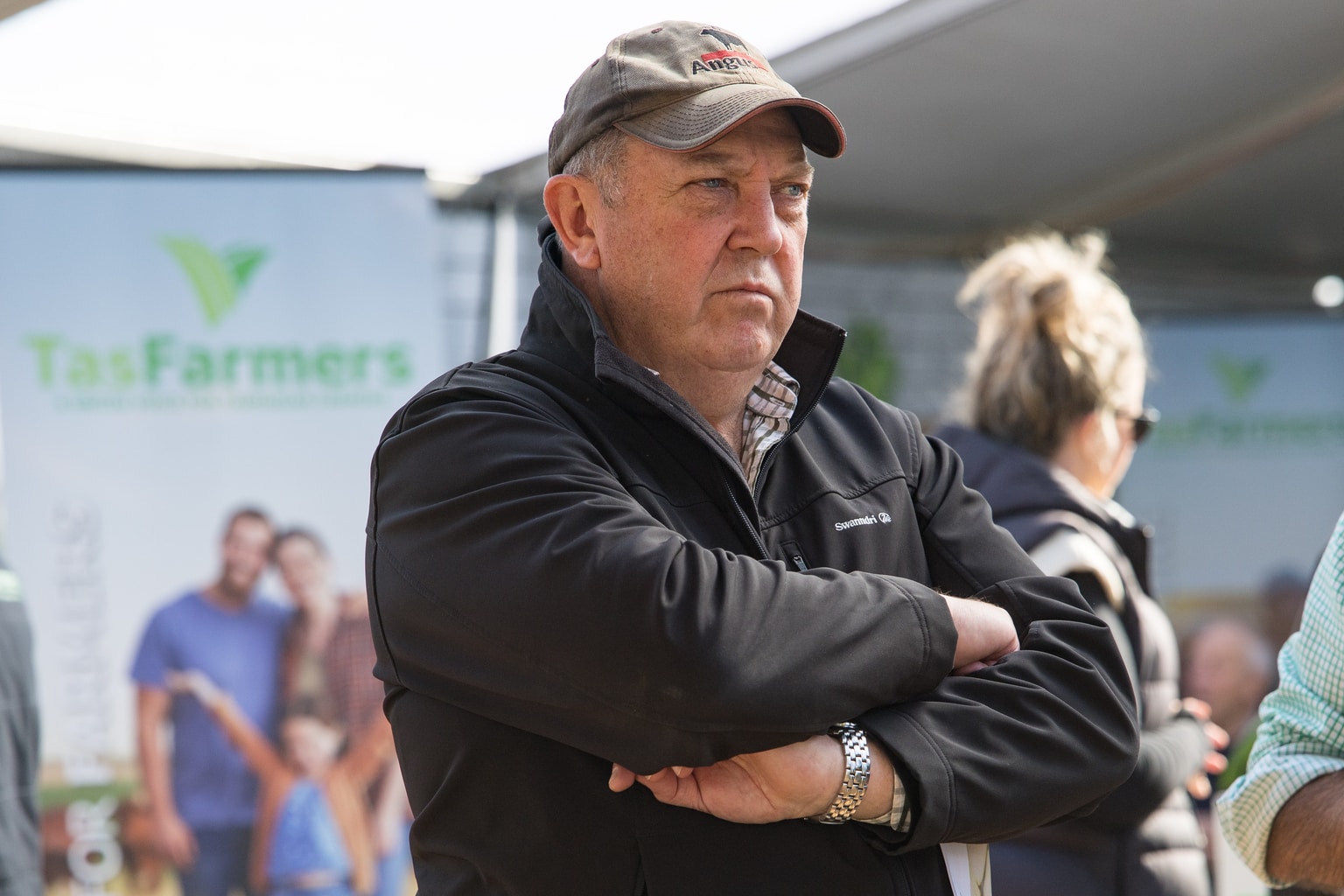
Primary Industries and Water Minister Gavin Pearce said the plan set out “clear frameworks and principles” to guide action across government, industry, landholders and the community.
“Once established, invasive species are costly, difficult to manage and often impossible to eradicate,” he said in a statement.
Pearce said the plan prioritised “prevention, early detection and eradication, ensuring investment is directed where it delivers the greatest impact and best value for money”.