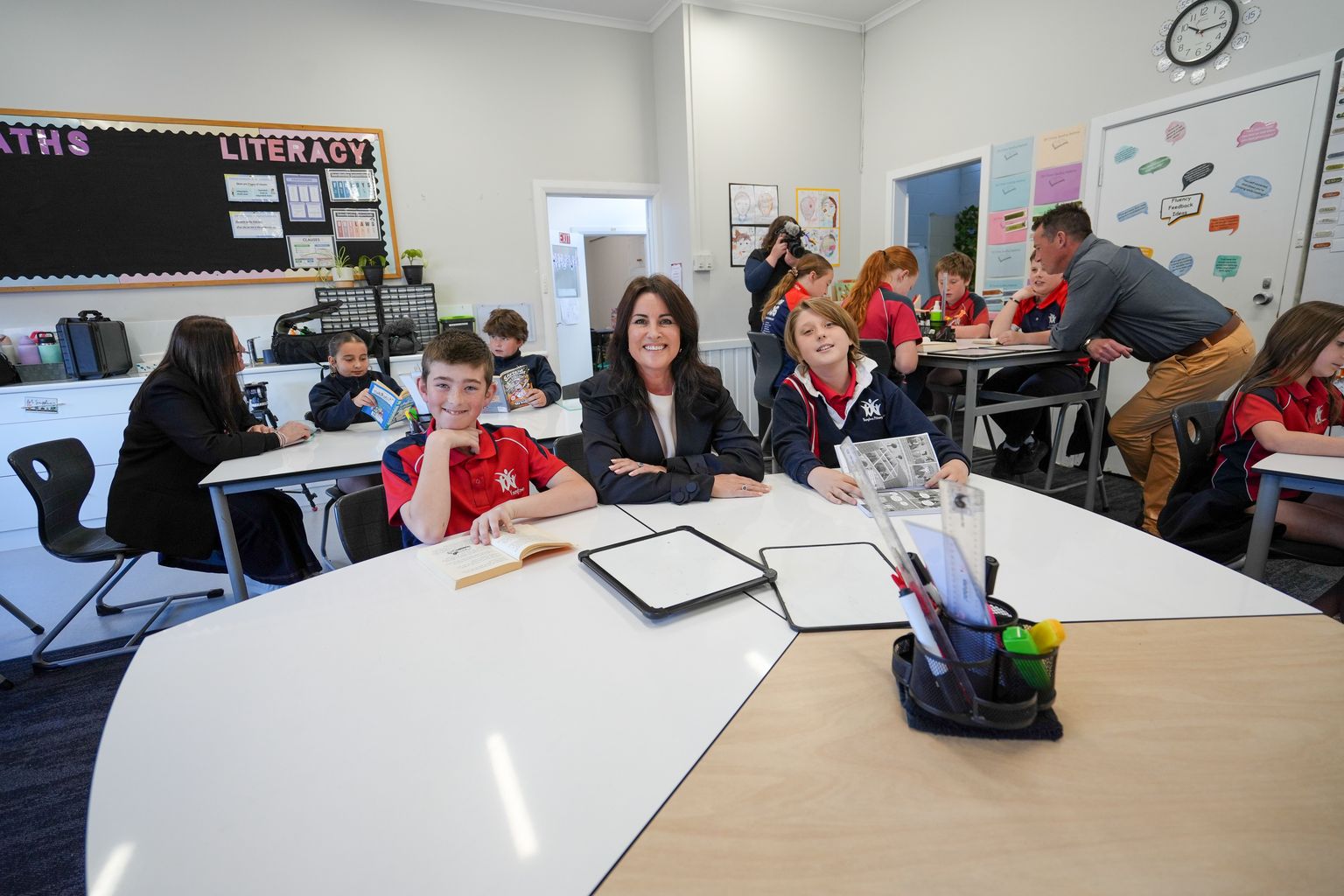
A multi-school organisation will be set up in Tasmania’s north-west, taking the state government’s school reform trial statewide.
Education Minister Jo Palmer announced the expansion at Youngtown Primary School in Launceston today, alongside school principals and not-for-profit McKinnon.
“I am so pleased to announce MSO3 will be established in the North West, making this a truly statewide trial,” Palmer said.
The contentious model brings a group of schools together under one executive team so they can share resources and cut administrative work for principals and teachers.
Schools in the north-west group have not yet been named. The government said MSO3 will commence in 2028 following planning and consultation with schools in the region.
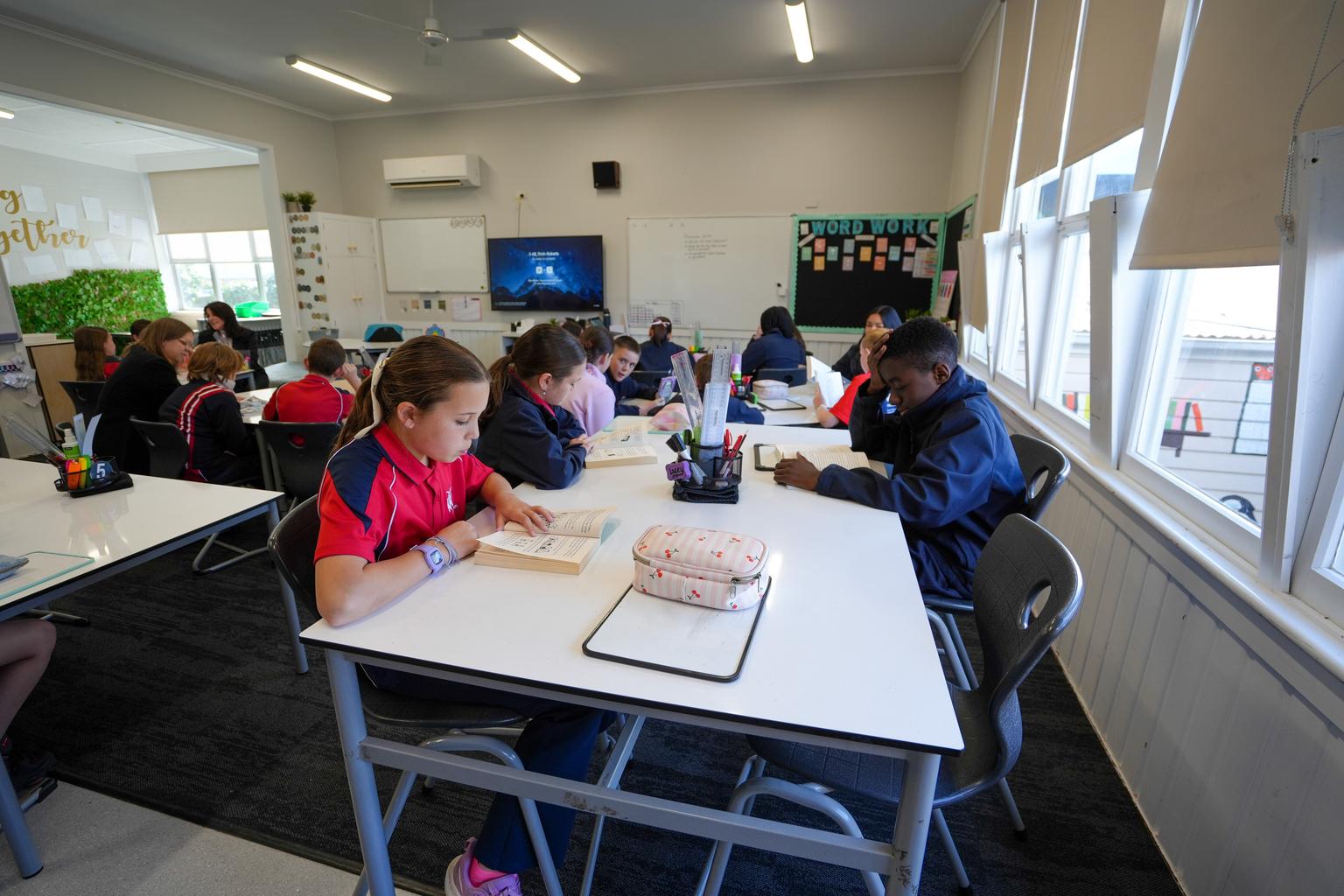
The first organisation, made up of New Town, Moonah and Risdon Vale primary schools, started in the south at the beginning of this year.
A second previously-announced group covering Youngtown, Ravenswood Heights and St Leonards primary schools will begin next year.
Palmer said the reform was about lifting results no matter where students live.
“It’s about ensuring that it doesn’t matter what your postcode is, it doesn’t matter where your school in Tasmania is, you will have the same level of education as any other school in the state” she said.
Jordana Hunter, program director for education at McKinnon, said new research from the United Kingdom published this week showed strong gains for students.
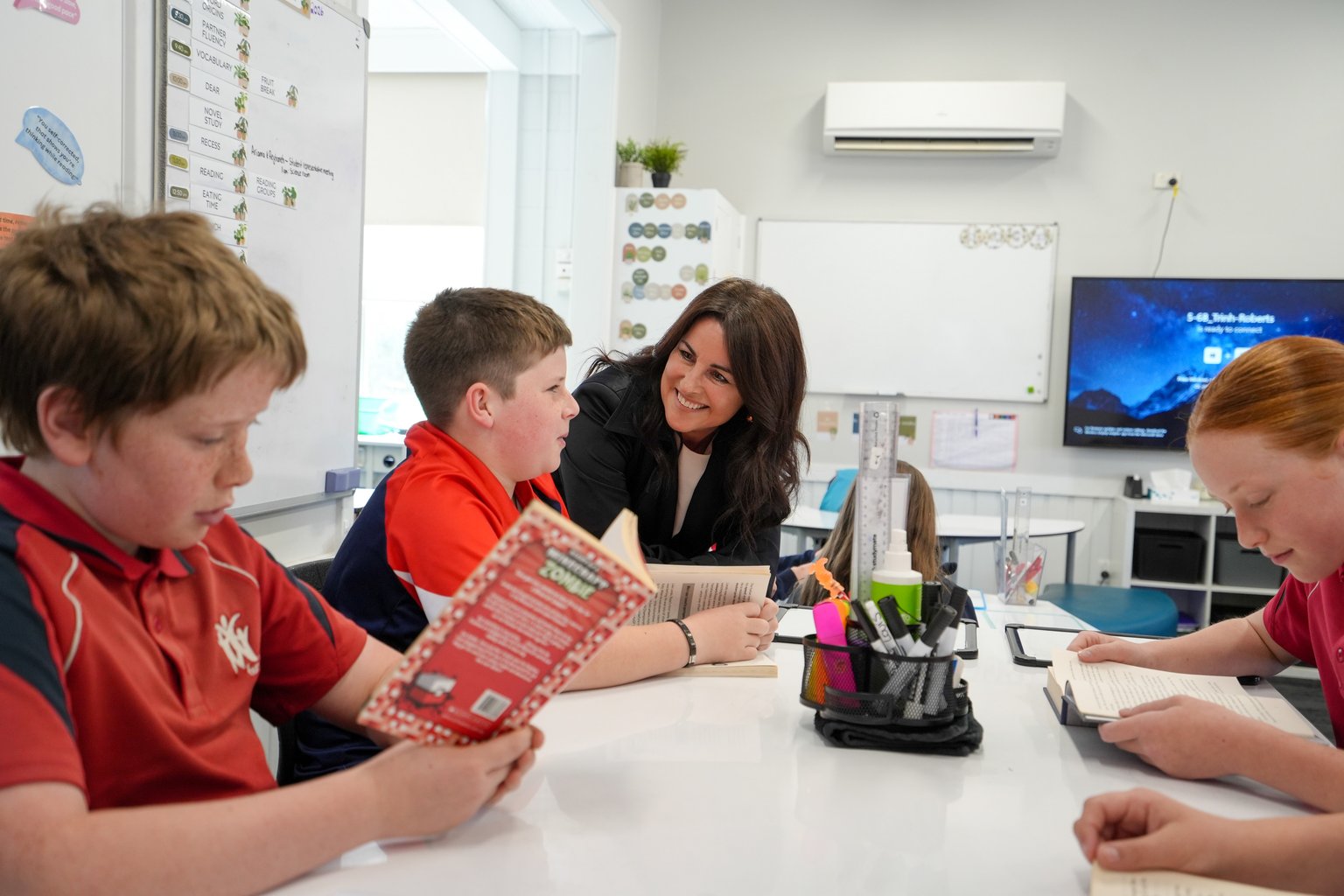
Hunter said the improvement was strongest in schools that had struggled with poor performance for a long time.
Youngtown principal Sam Woodham said leaders across the three schools had spent months in intensive professional learning on pedagogy, assessment and curriculum.
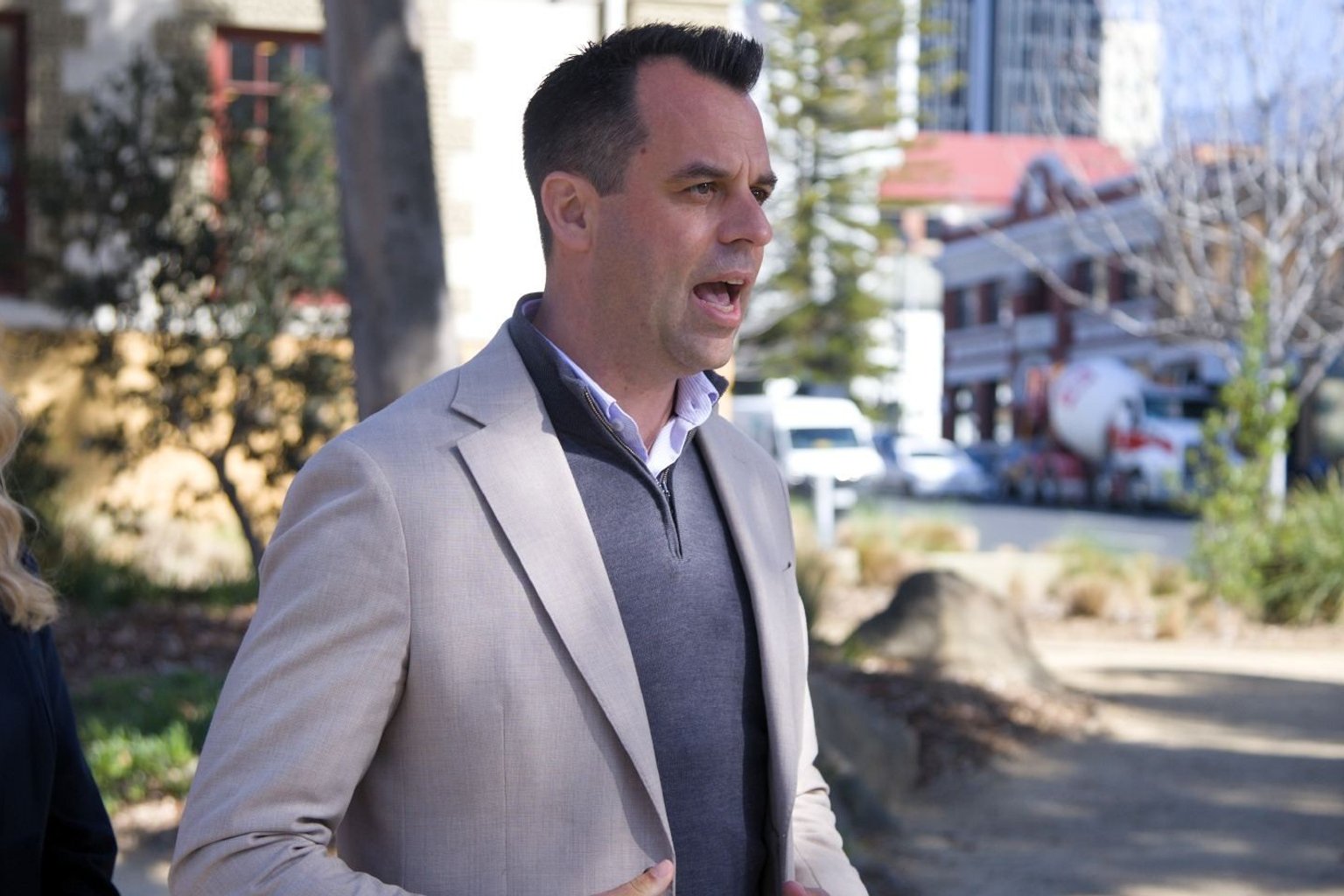
Labor Leader Josh Willie said the model was not the answer the minister was presenting it as.
“With no buy-in from the workforce and limited success overseas, Minister Jo Palmer’s Multi-School project was never going to be the silver-bullet she’s presenting it as,” he said.
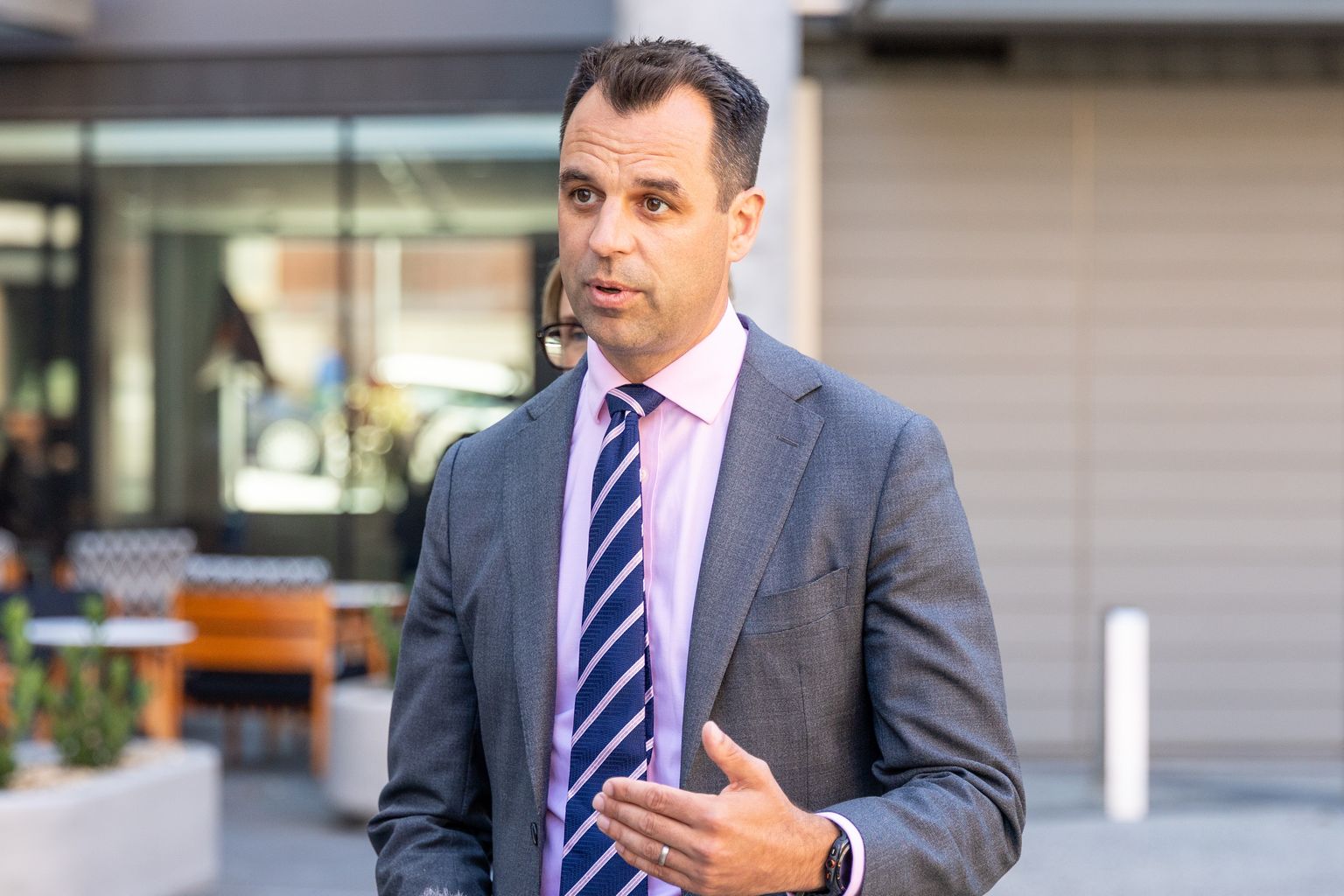
“It’s going to be even less effective while the Minister lets Eric Abetz simultaneously cut $228 million from the education system.”
Willie, a former teacher, said the state could not afford to go backwards.
“Education is the smartest investment we can make in Tasmania’s future,” he said.
“If Minister Palmer really wants to ‘set young Tasmanians up for life’ like she has claimed, she needs to stand up to Eric Abetz’s cuts to Tasmanian schools.”
The comments follow international student assessment results released last week showing Tasmania was the only state or territory to score significantly below the OECD average in maths.
Palmer has said those figures need context because Tasmania has a later school starting age.
The May budget requires the education department to find $228.2 million in savings over four years, which the government has described as operational efficiencies targeting back-office functions.