RACT is urging Tasmanian drivers to slow down when passing roadside assistance vehicles, warning that near misses with patrol workers remain a daily occurrence almost four years after the law was introduced.
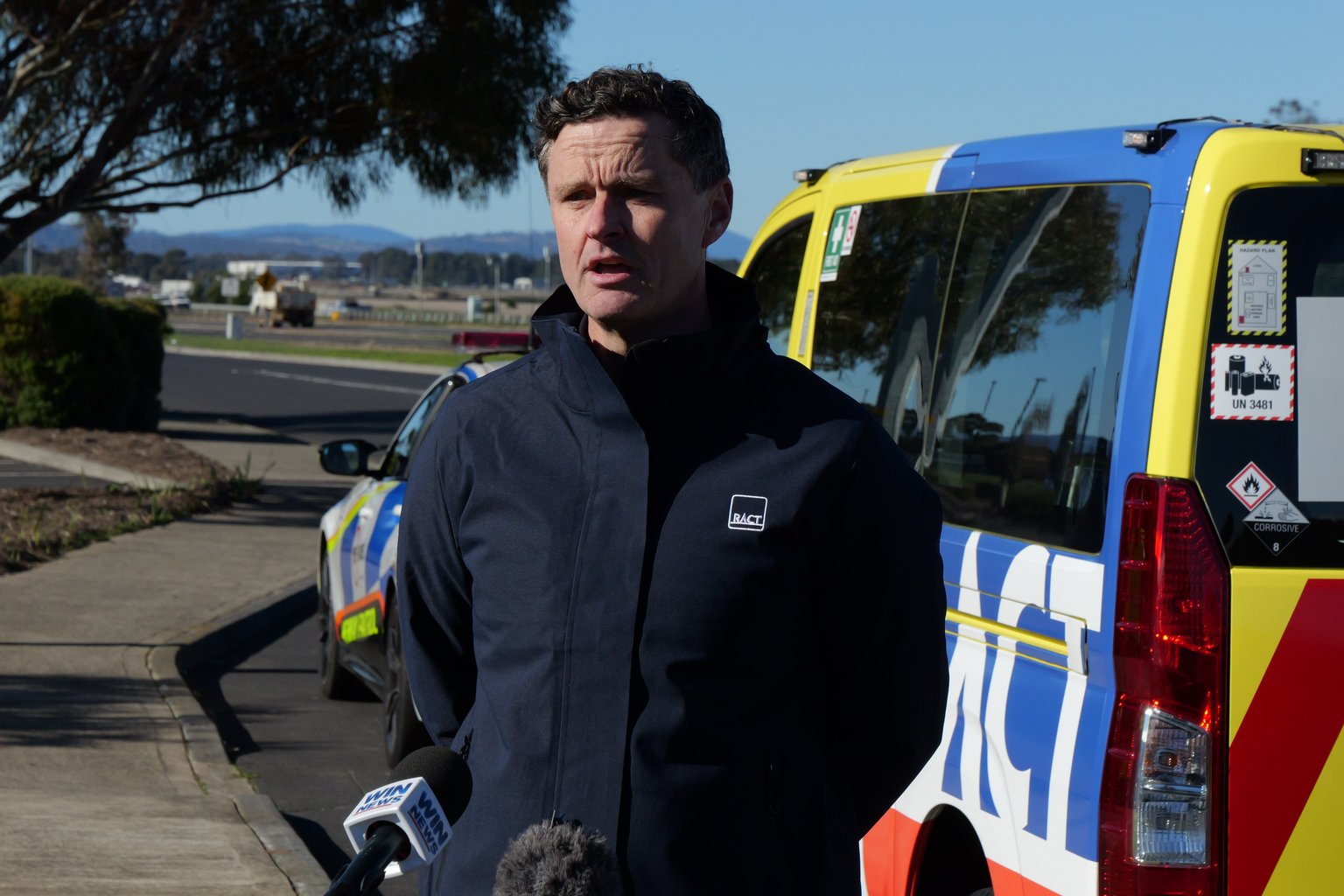
RACT Chief Mobility Officer Dean Harris said too many motorists were still failing to reduce their speed around flashing yellow lights.
“Too many motorists are still failing to slow down, putting roadside workers, emergency responders and vulnerable road users at risk,” he said.
Harris said RACT patrols had rescued more than 75,000 drivers over the past year and regularly worked just metres from fast-moving traffic.
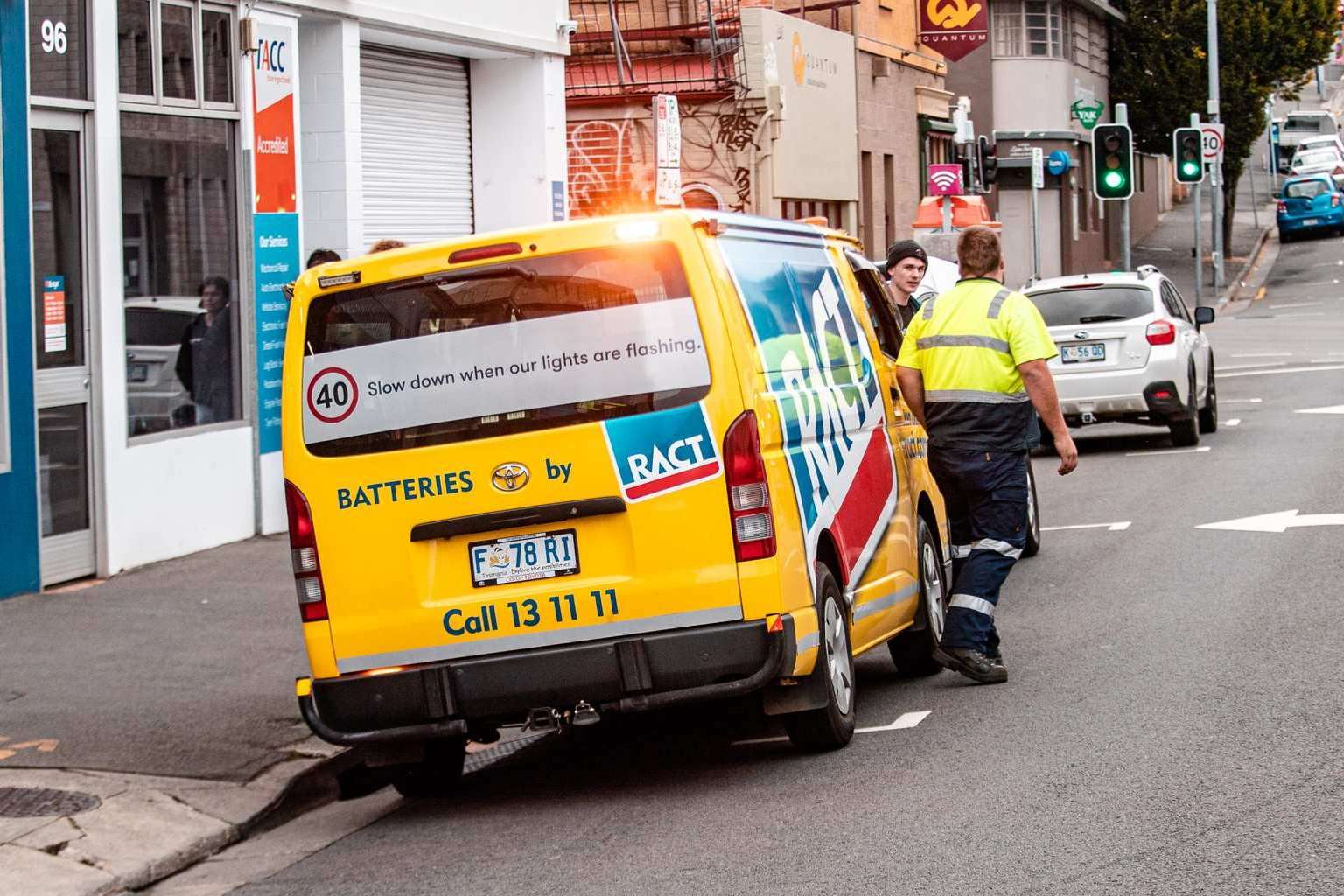
“Most Tasmanians don’t go to work expecting vehicles to speed past them just metres away but for our patrols, that’s the reality every day,” he said.
He described near misses as a general concern raised daily by both directly employed patrols and contractors across the state.
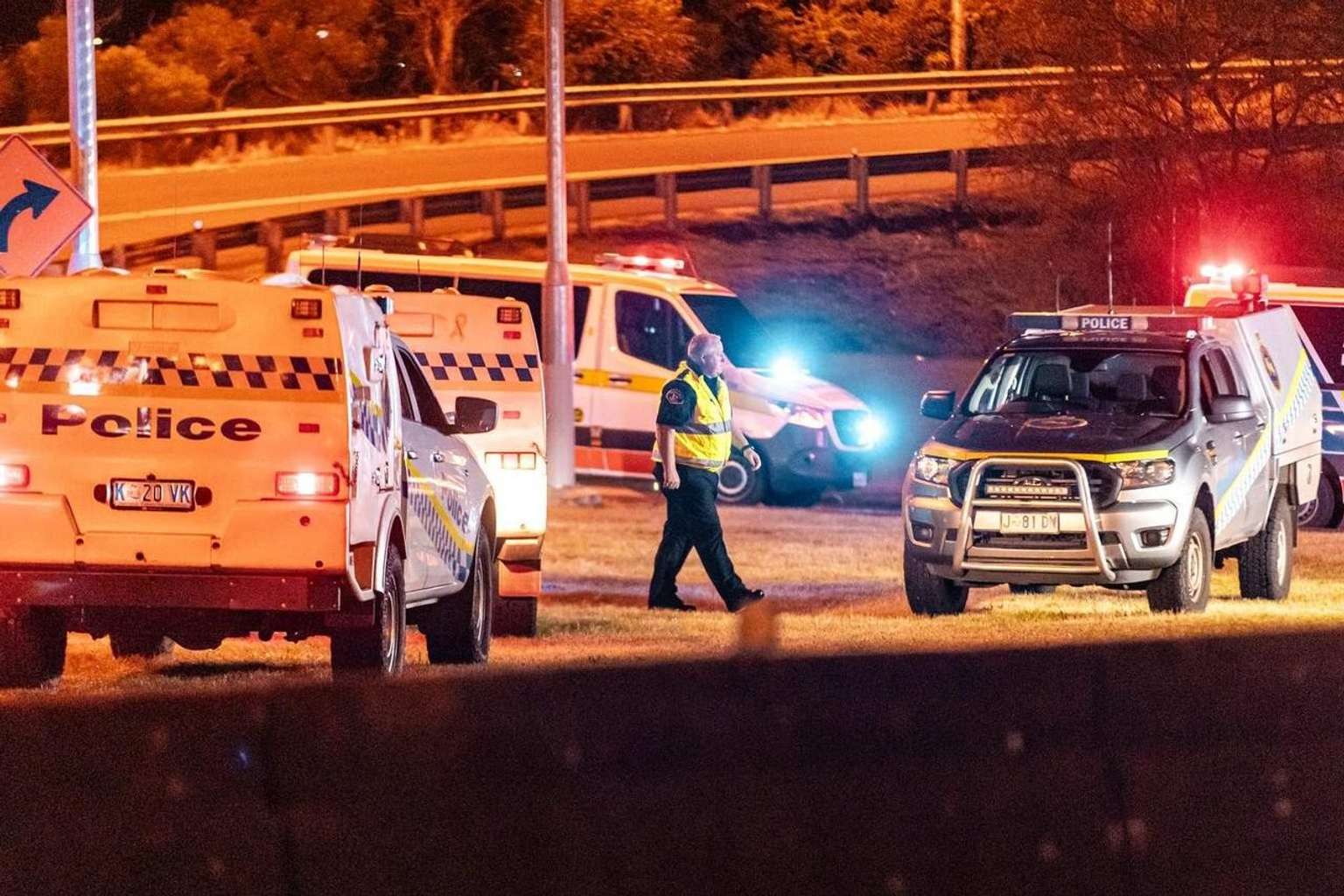
“Having cars zooming past them at top speeds in their workplace can cause a lot of stress and anxiousness to our teams and that’s why we’d love people to slow down,” he said.
Tasmania Police Inspector Vanessa Castle said officers regularly received reports of near misses from roadside workers and members of the public.
“It’s a significant risk and that’s why it is so important that everyone obeys the legislation which says that you must slow down to 40km/h where you can,” she said.
“That just provides that little bit more safety and security to those people both working on the side of the road, but also … it could be someone’s family on the side of the road with a broken down vehicle and we obviously want to keep those people safe as well.”

Castle said speed remained one of the “fatal five” factors contributing to serious and fatal crashes on Tasmanian roads.
Under Tasmania’s road rules, drivers must slow to 40km/h when passing stationary or slow-moving emergency or roadside assistance vehicles displaying flashing lights on roads with speed limits of 80km/h or less.
On roads with speed limits above 80km/h, drivers must slow to 40km/h unless it is unsafe to do so.
Harris said the rules applied equally to roadside assistance patrols, tow truck operators, police, firefighters and paramedics.
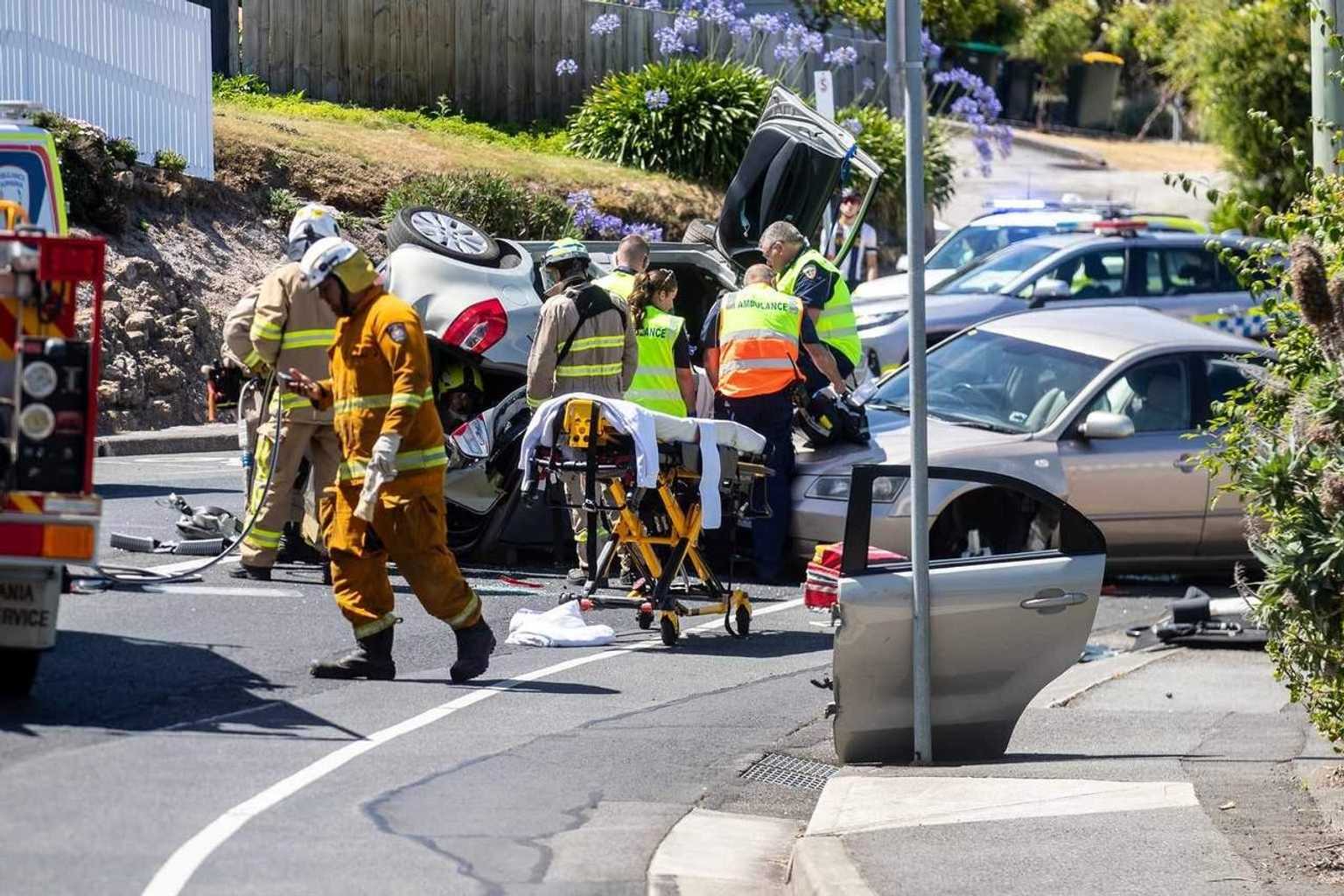
“Slowing down around roadside incidents takes only a few seconds, but it could save someone’s life,” he said.